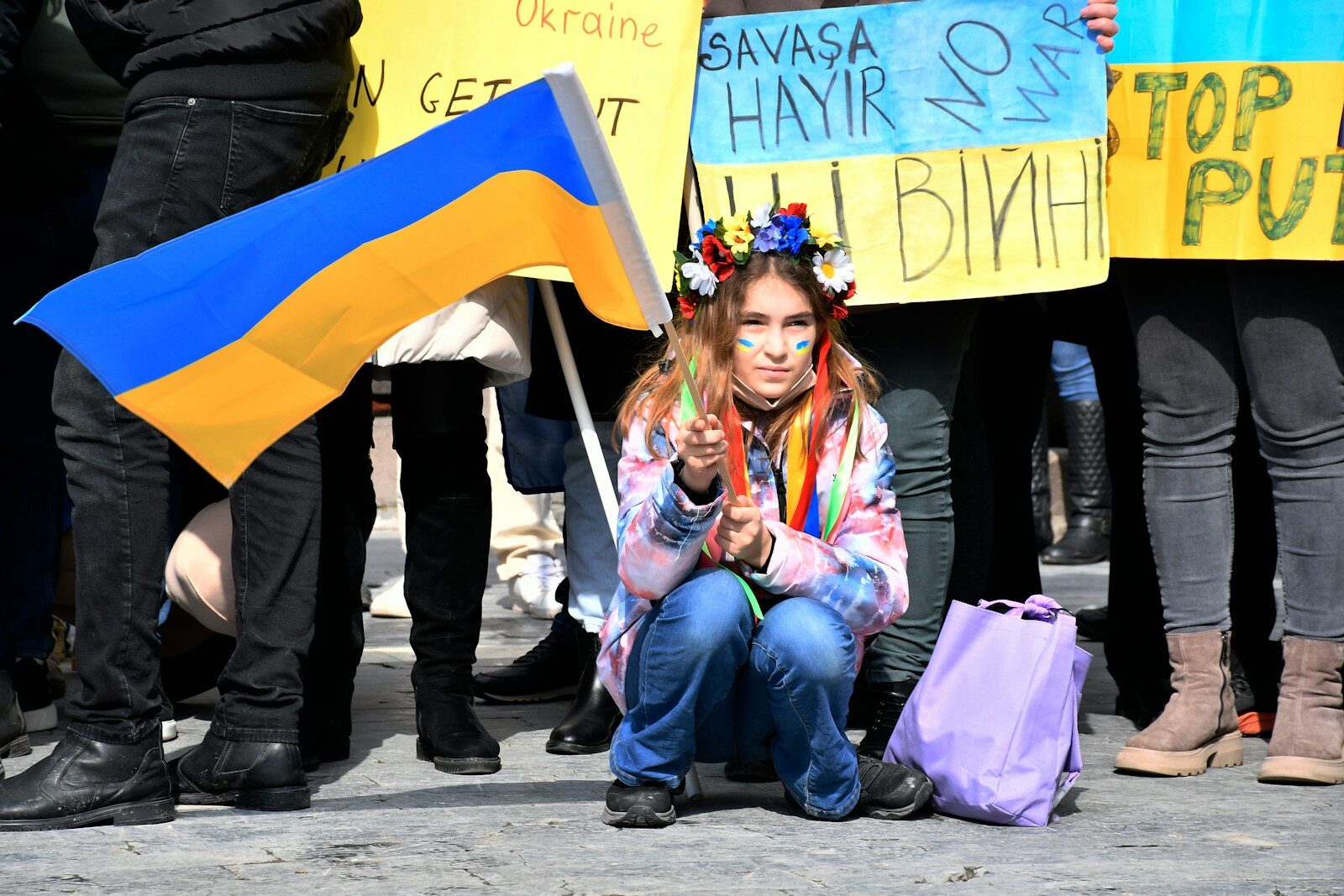
The first negotiation cluster puts democratic institutions, fundamental rights and public accountability at the centre of both countries’ path to membership
The European Union has agreed to open the first accession negotiation cluster with Ukraine and Moldova, giving both countries a concrete step forward after a long political blockage. The decision moves enlargement from symbolism into detailed scrutiny, with rule of law, fundamental rights and democratic institutions now becoming the first formal test of their EU ambitions.
EU member states reached agreement on Friday, 12 June, to open the first cluster of accession negotiations with Ukraine and Moldova. In a joint statement, European Council President António Costa and European Commission President Ursula von der Leyen described the move as a strategic choice for peace, security and prosperity across the continent.
The formal step is scheduled for Monday, 15 June, when separate intergovernmental conferences are due to be held in Luxembourg. For Ukraine, the Council says the meeting will open negotiations on cluster 1: fundamentals, covering areas such as the judiciary, fundamental rights, justice and security, public procurement, statistics and financial control.
A political breakthrough, not a shortcut
The decision matters because Ukraine and Moldova have already waited through a period of stalled momentum. Accession negotiations formally opened in June 2024, but the practical opening of negotiating clusters was delayed by political objections, including disputes around minority rights in Ukraine.
Opening the fundamentals cluster does not mean rapid membership is imminent. EU accession remains a demanding, merit-based process in which candidate countries must align laws, institutions and enforcement practices with EU standards. The fundamentals cluster is especially important because it is designed to test whether reforms are durable, not merely announced.
For Ukraine, the decision comes as the country continues to resist Russia’s full-scale invasion and tries to sustain reforms under wartime pressure. For Moldova, it reinforces a European path pursued under persistent pressure from instability linked to the Russia-backed breakaway region of Transnistria.
Rights and institutions move to the foreground
The opening cluster places human rights and democratic governance at the centre of the next phase. That includes judicial independence, anti-corruption safeguards, public administration, financial oversight and the protection of fundamental rights.
This is where enlargement becomes more than geopolitics. For citizens in candidate countries, accession talks can shape courts, procurement systems, police accountability, media conditions and safeguards against discrimination. For existing EU members, the process is also a test of whether enlargement can strengthen the Union without weakening its standards.
The war in Ukraine has made enlargement part of Europe’s wider security debate. Recent European diplomacy around Ukraine has shown that EU governments increasingly see sovereignty, democratic resilience and security as linked questions, not separate files. That broader context has been visible in earlier European security diplomacy over Ukraine and Russia.
Enlargement returns as a strategic project
The agreement also signals that enlargement is again a central EU policy, not a distant promise. The Western Balkans, Ukraine, Moldova and other candidate countries are all watching whether Brussels can match political language with credible decisions.
For Ukraine and Moldova, the next challenge will be to show sustained progress across institutions that citizens experience directly: courts that work, public money that is traceable, administrations that serve rather than obstruct, and rights protections that survive political pressure.
For the EU, the challenge is equally serious. Enlargement can expand Europe’s zone of stability only if the process remains fair, demanding and transparent. Friday’s decision opens a door. What follows will decide whether that door leads to deeper democratic anchoring or another long corridor of promises.