

A new Vatican document marks 60 years of Nostra Aetate by calling religious communities to deepen dialogue through education, friendship and practical care for vulnerable people.
A new Vatican document is asking religious communities to measure interfaith dialogue not only by the quality of their statements, but also by what they accomplish together for people in need.
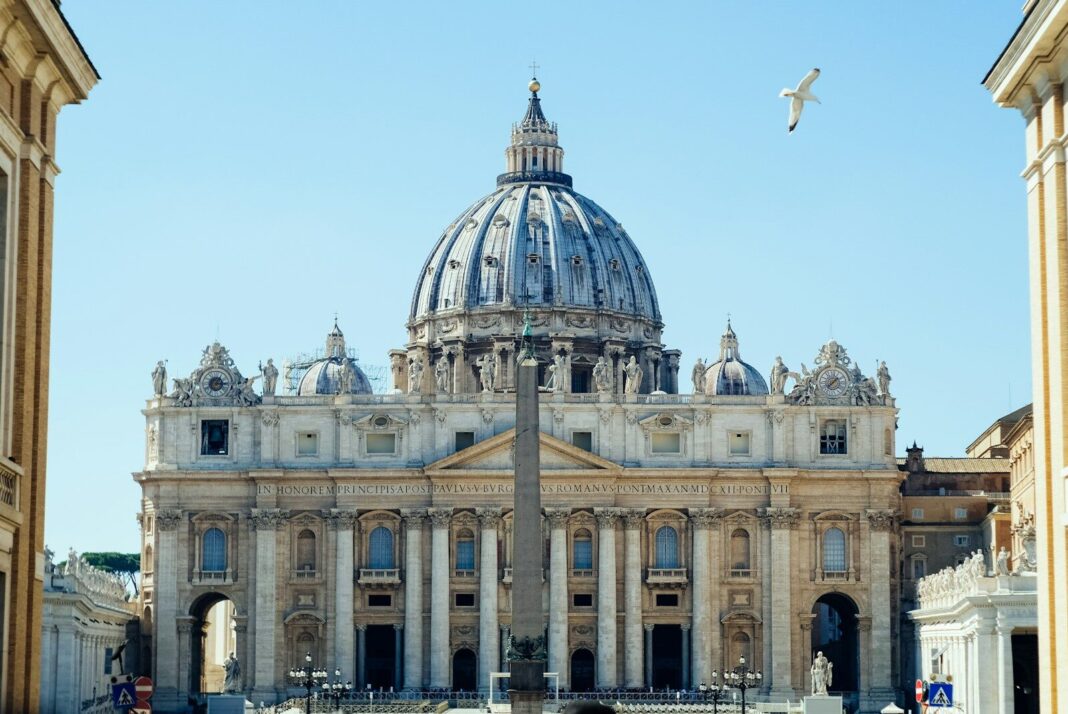
Published on September 16, “A Journey of Hope” reviews six decades of Catholic engagement with Judaism and other religious traditions following the Second Vatican Council’s declaration Nostra Aetate. The note was issued jointly by the dicasteries responsible for doctrine, Christian unity and interreligious dialogue, and was approved by Pope Leo XIV in June.
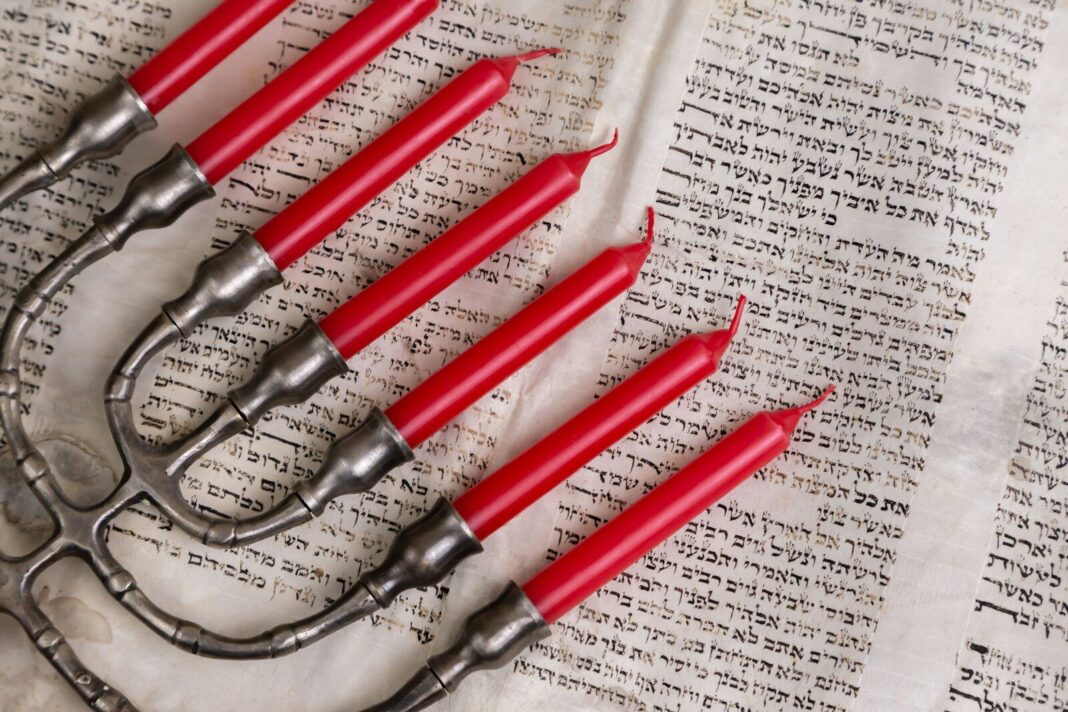
Nostra Aetate, promulgated on October 28, 1965, marked a major change in the Catholic Church’s relationship with Jews and followers of other religions. The new document recalls that the declaration emerged partly as a response to the Shoah and the destructive consequences of antisemitism. Its scope eventually expanded to address relations with Muslims, Hindus, Buddhists and other religious communities.
Sixty years later, the Vatican says the declaration has helped produce enduring friendships among religious leaders, joint educational and social programs, and shared responses to wars, humanitarian emergencies and environmental crises.
Dialogue Judged by Its Care for Others
One of the note’s clearest themes is that dialogue must lead to concern for vulnerable people. It describes the treatment of the poor and wounded as a practical test of whether religious, political, academic and cultural projects are moving in the right direction.
Cardinal George Jacob Koovakad, prefect of the Dicastery for Interreligious Dialogue, expanded on that idea in a Vatican News interview. He pointed to Christians, Muslims, Jews, Hindus and Buddhists cooperating in local projects that assist migrants, educate children, support struggling families and care for older people.
Those efforts can take the form of shared food programs, interreligious after-school activities and assistance for people who lack healthcare. In conflict zones, Koovakad said, Christian and Muslim communities have sometimes worked together to create protected spaces for vulnerable residents.
This emphasis moves the conversation beyond ceremonial encounters. The Vatican’s vision includes theological discussion, but it also values the quieter “dialogue of life” found when neighbors from different traditions build trust through everyday cooperation.
Differences Need Not Be Erased
The document is careful to distinguish interreligious dialogue from an attempt to create a single global religion. It argues that fruitful cooperation does not require participants to minimize their convictions or pretend that serious theological differences do not exist.
Instead, it calls for communities to combine a clear religious identity with attentive listening, mutual respect and a willingness to work for the common good. It also urges greater education in religious literacy, particularly among young people, so that unfamiliar traditions are approached with knowledge rather than fear.
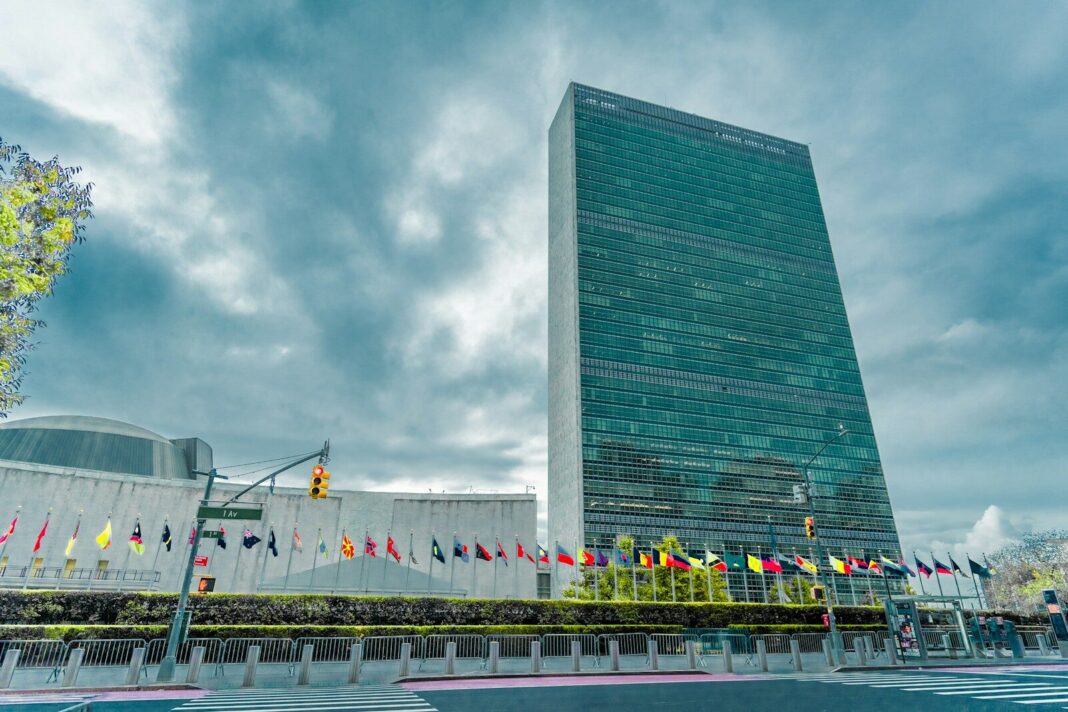
Recent Jewish-Muslim engagement offers one example of that patient approach. At a September event alongside the United Nations Human Rights Council, members of the Muslim-Jewish Leadership Council discussed how sustained relationships can help counter both antisemitism and anti-Muslim prejudice. According to the World Jewish Congress account of the gathering, participating Muslim and Jewish leaders emphasized human dignity and described their decision to maintain dialogue even through periods of profound tension.
A Local Responsibility
The Vatican note acknowledges that dialogue is neither automatic nor a simple answer to every conflict. Political manipulation of religion, fundamentalism, prejudice and mistrust remain serious obstacles.
Its constructive contribution is to place responsibility close to home. Schools can improve religious literacy. Congregations can develop relationships before a crisis occurs. Faith-based charities can cooperate around food insecurity, migration and care for creation. Families and neighborhood organizations can make respectful encounter part of ordinary community life.
After 60 years, the legacy of Nostra Aetate is therefore presented as unfinished work. The new note’s hopeful message is that religious differences need not disappear for friendship and cooperation to grow. When dialogue protects dignity and produces practical service, it can become a durable part of peacebuilding rather than a symbolic gesture.