

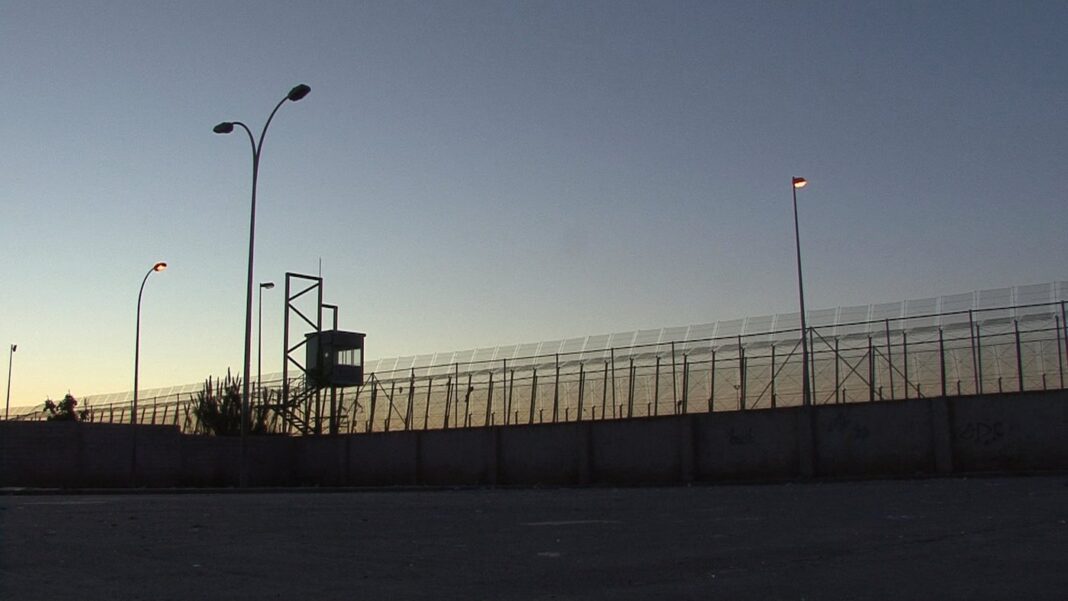

MADRID — Nearly four months after the deaths at the border between Morocco and the Spanish city of Melilla, Spain’s Ombudsman has put a number on what went wrong: 470.
That is how many people, according to the Defensor del Pueblo, were turned back at the border during the events of 24 June without the safeguards Spanish and international law require. The finding does not resolve every argument about that morning. But it drags the debate away from the images of a chaotic crossing and onto a narrower, harder question: once an authority takes power over a person at a European border, what protections must that person get?
The outline of what happened is not in dispute. Around 2,000 people tried to cross the perimeter separating Morocco from Melilla on 24 June. People died on the Moroccan side; hundreds were injured, migrants and members of the security forces alike. The Spanish government called the crossing violent, defended its officers and pointed to cooperation with Morocco against irregular migration and human-trafficking networks.
The Ombudsman looked elsewhere. After reviewing documents and video material, the institution concluded that the 470 rejections took place without the required legal formalities — noting scenes in which people intercepted by Spanish officers appeared to be passed to Moroccan forces within a space of time it considered incompatible with any individualised procedure carrying minimum legal guarantees.
Spanish law does permit a specific form of border rejection in Ceuta and Melilla for people caught trying to overcome the barriers irregularly. But that provision is not a blank cheque. The legislation itself says rejections must respect international human-rights and international-protection obligations, and the Constitutional Court has read the mechanism to require individualised application, judicial control and respect for those same obligations.
So the question was never simply whether Spain can police its border — states plainly do that. The question is how the power is used when some of the people on the other side of the fence may be seeking international protection. On that point, the Ombudsman found that 134 people entered Spanish territory following the events, and every one of them expressed the intention to request it.
Hence the second half of the recommendations: more resources at Spanish diplomatic and consular facilities in Morocco, so that people who need protection can ask for it lawfully instead of being forced to risk their lives in irregular crossings. The recommendation is available from the Ombudsman’s official site.
To someone standing in front of a border fence, the difference between migration law, asylum law and human-rights law must feel academic. It is not. Calling a person an irregular migrant says nothing about whether he has an asylum claim, and the existence of a border-control power does not strip away the procedural guarantees attached to using it.
Melilla, in that sense, is bigger than one morning. Europe’s external borders are where security policy, migration management and individual rights meet in physical form — and the rights are only as good as what happens in the minutes when a person actually comes face to face with the authority at the fence.