EU Sets €402m Final Creative Europe Year for 2027

Brussels prepares the final year of Creative Europe with new funding for culture, AI, audiovisual production and independent media before the planned transition to AgoraEU in 2028.
The European Union has set aside €402 million for Creative Europe in 2027, the final year of the programme’s current seven-year cycle. The annual work programme combines established funding for culture, film and media with new initiatives covering artificial intelligence in music, culture and health, support for Ukraine and the Baltic states, and journalism. At the same time, Brussels is preparing a much broader successor, AgoraEU, although its final shape and budget still depend on negotiations over the EU’s 2028–2034 financial framework.
The European Commission has presented 2027 as both a year of continuity and a bridge towards a different model of EU cultural and media funding.
Creative Europe will retain its three existing strands — Culture, MEDIA and Cross-Sectoral — while directing funding towards digital transformation, environmental sustainability, inclusion and gender equality, and the place of culture in the EU’s international relations.
The programme also increasingly connects cultural policy with broader EU objectives concerning democracy, social resilience and technological change. The Commission links the 2027 programme with the Culture Compass for Europe and the European Democracy Shield, placing cultural diversity, creative freedom and access to information within a wider debate on the resilience of European democratic societies.
€61 million for European cultural cooperation
One of the largest individual initiatives under the Culture strand will be a €61 million call for European cooperation projects, expected during the first quarter of 2027.
Small, medium and large-scale projects will be eligible, continuing one of Creative Europe’s main mechanisms for bringing cultural organisations from different European countries together.
The programme will also continue supporting the circulation of European literary works, cultural networks and platforms, pan-European cultural organisations, EU cultural prizes and Culture Moves Europe, the EU mobility scheme for artists and cultural professionals.
A specific action will focus on countries involved in EU enlargement and neighbouring states associated with Creative Europe. This reflects a growing use of cultural cooperation as part of the Union’s relations with candidate and neighbouring countries.
AI enters the European music programme
Technology will receive more explicit attention in 2027.
A new Music Moves Europe call will focus on technological innovation in the music sector, including the development and adoption of digital and artificial intelligence tools.
The move comes as musicians, composers, publishers and other creative professionals are confronting rapidly changing AI systems capable of generating music, reproducing voices and transforming production and distribution.
Creative Europe’s 2027 approach is focused on helping the sector develop and use new technologies rather than treating digital transformation solely as a regulatory issue.
Another new initiative will establish an EU prize for the performing arts, intended to recognise artistic excellence while strengthening links between professionals across Europe.
Culture will also be connected more directly with public health. The EU plans an action with the World Health Organization to develop European guidelines on culture, health and well-being for policymakers and stakeholders.
The Culture strand will meanwhile increase attention to data collection and analysis of Europe’s cultural and creative industries, an area identified as important for future policymaking under the Culture Compass.
European film and audiovisual production remain central
The MEDIA strand will continue financing cross-border development and production of European audiovisual works through programmes covering co-development, television and online content, project slates, video games and immersive content.
Support will also continue for European film distribution, sales agents, professional skills, innovative business models and tools designed to strengthen the competitiveness of the audiovisual industry.
Audience development remains another priority. European cinemas, festivals, film circulation and European audiovisual prizes are among the areas included in the 2027 programme.
These measures come at a time when viewing habits continue to move towards online and on-demand services. The Commission’s 2025 European Media Industry Outlook highlighted changes in audience behaviour and the growing importance of digital consumption, while the Creative Europe evaluation has continued to support the case for cross-border European funding.
New measures for Ukraine and the Baltic states
Two new MEDIA measures also give the 2027 programme a geopolitical dimension.
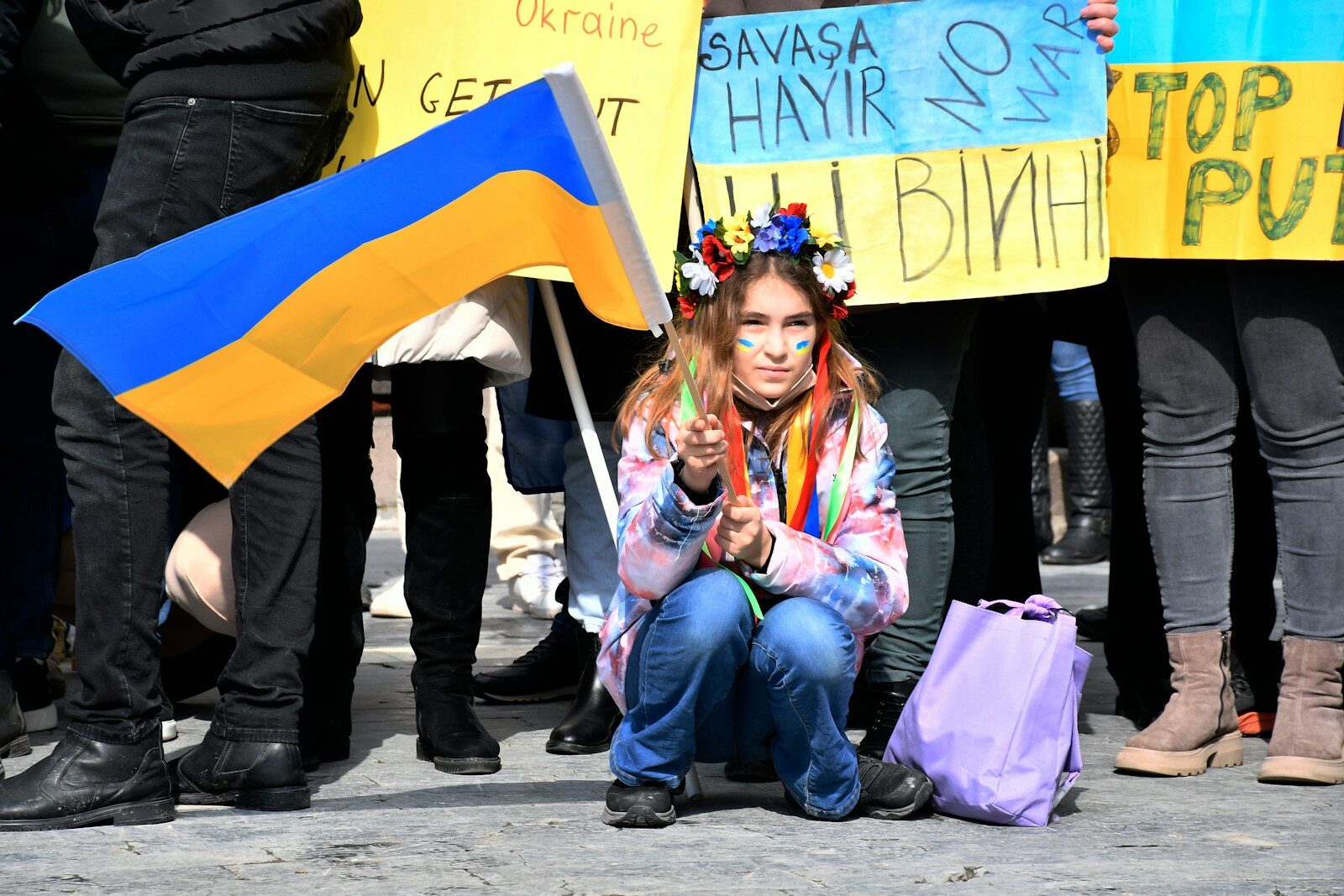
One will support film distribution in Estonia, Latvia, Lithuania and Ukraine. According to the Commission, the initiative is intended to reduce the role of Russia-based distributors in those markets in the context of Russia’s war against Ukraine.
A second initiative will encourage audiovisual co-productions between European and South Korean producers, following the renewal of provisions on audiovisual co-production under the EU-Korea cultural cooperation framework.
Journalism and media freedom stay on the agenda
For news organisations, the Cross-Sectoral strand is particularly significant.
Creative Europe will continue financing Journalism Partnerships, the Media Freedom Rapid Response mechanism, media literacy initiatives and the Media Pluralism Monitor.
The programme describes these measures as a response to the economic, structural and technological pressures affecting European news media. It will also launch a new edition of the Creative Innovation Labs, supporting cooperation across cultural and creative sectors in areas such as content creation, access, distribution and promotion.
The inclusion of journalism within Creative Europe has gradually expanded the programme beyond conventional cultural funding. Media pluralism, independent journalism and citizens’ access to reliable information are increasingly being treated alongside culture and audiovisual policy as components of European democratic resilience.
That approach is set to become considerably more visible after 2027.
From Creative Europe to AgoraEU
Creative Europe’s final year will also serve as preparation for AgoraEU, the Commission’s proposed programme for 2028–2034.
Rather than simply replacing Creative Europe with another programme of the same structure, AgoraEU would combine several policy areas under one framework. Its three proposed strands are Creative Europe – Culture, MEDIA+ and CERV+, covering culture, audiovisual production and media alongside civil society, fundamental rights, equality and democratic participation.
The Commission says the programme should promote cultural and linguistic diversity, strengthen Europe’s cultural and creative industries, protect artistic and media freedom and support equality, citizenship, rights and democratic participation.
The proposed programme forms part of the Commission’s wider 2028–2034 EU budget, which totals almost €2 trillion under the current proposal.
But AgoraEU is not yet a finished programme.
The Council reached a partial negotiating mandate in May 2026, supporting the general architecture while leaving financial questions to the wider negotiations over the next Multiannual Financial Framework. The Council has referred to an indicative €8.6 billion in funding for AgoraEU, but stresses that the eventual financial envelope depends on the final agreement on the 2028–2034 budget.
That distinction will matter during 2027. Cultural organisations, film producers, publishers, journalists and civil society groups will be operating under the familiar Creative Europe framework while simultaneously watching negotiations that could substantially reshape the way Brussels funds these sectors from 2028 onward.
For beneficiaries, 2027 is therefore more than the closing chapter of Creative Europe’s present cycle. It is also a transition year in which established programmes will continue functioning while the EU decides how closely culture, media freedom, civil society and democratic participation should be connected within its next generation of funding.