Category: Conflict

  • The OSCE’s oldest peace process closes: Minsk Group dissolved as Armenia and Azerbaijan turn the page

    The OSCE’s oldest peace process closes: Minsk Group dissolved as Armenia and Azerbaijan turn the page

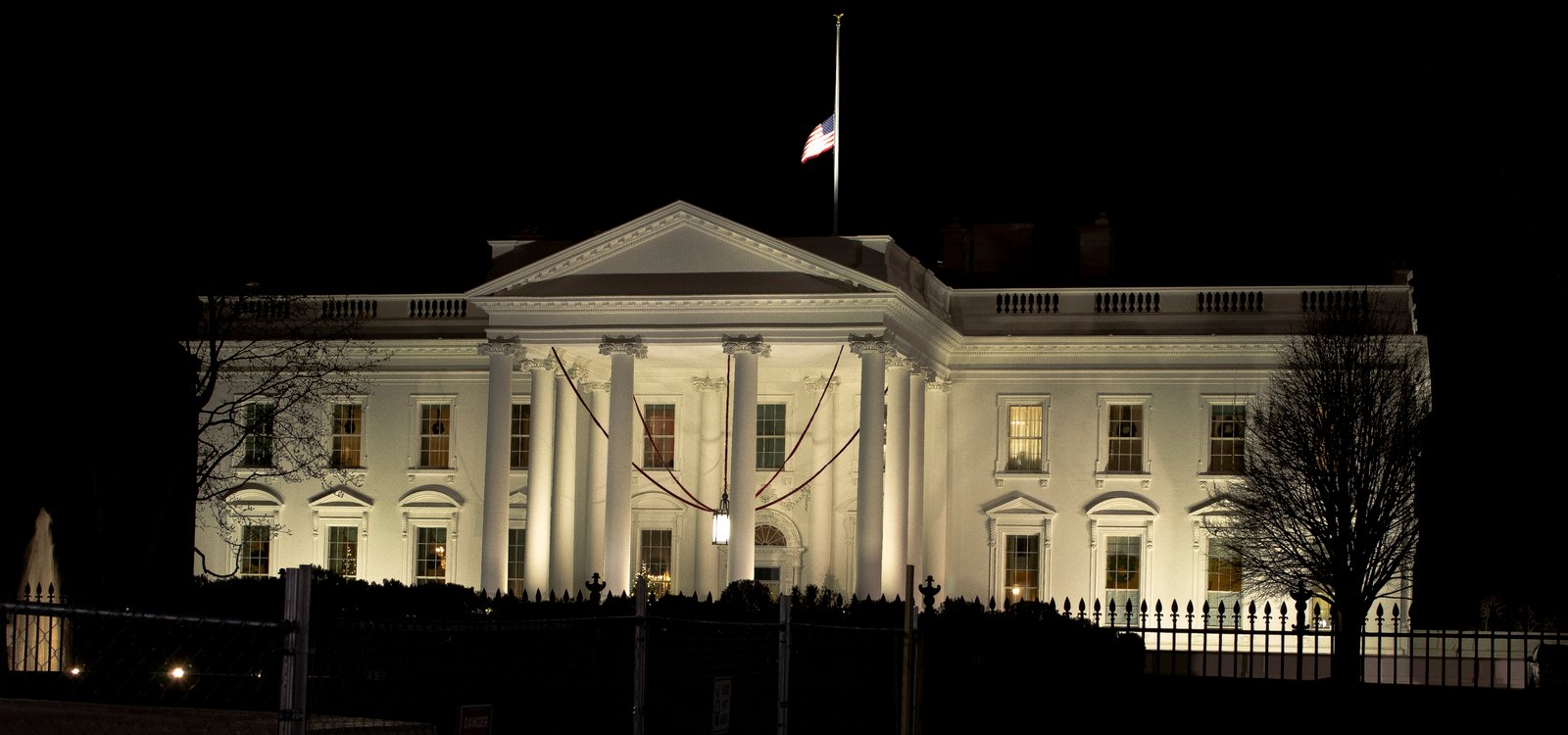
    Vienna — The OSCE announced on Monday the formal dissolution of the Minsk Group and its related structures, closing a peace process that ran for more than three decades — and ending it at the joint request of Armenia and Azerbaijan, signed at the White House three weeks earlier.

    The two countries’ appeal to dissolve the group was signed in Washington on 8 August, in the presence of US President Donald Trump, alongside a joint declaration initialing their peace agreement. The OSCE’s participating states confirmed the cessation of the Minsk process and its institutions by consensus on 1 September, with administrative wind-down to be completed by 1 December.

    Secretary General Feridun Sinirlioğlu called the closure a historic development — the rare case of a conflict-resolution mechanism ending because the conflict’s parties asked for peace, not because the mechanism failed into irrelevance. He paid tribute to the three decades of co-chairs and personal representatives who kept the process alive through wars, frozen years and, ultimately, the 2023 exodus of Karabakh’s Armenians.

    That last chapter shadows the ceremony. The Minsk Group was created in 1992 to negotiate the status of Nagorno-Karabakh; it ended with that territory emptied of the Armenian population it was meant to protect, and with the final settlement negotiated in Washington, not in the OSCE’s format. Not everyone mourned the group; not everyone celebrated its end. Karabakh Armenian representatives in exile had appealed against dissolution, arguing the process died before the conflict’s humanitarian consequences were resolved.

    For the OSCE, the closure is also a balance-sheet event: the organisation’s budget sheds its oldest field-adjacent structures, and its diplomats gain a precedent — consensus, including Russia’s, was obtained to close something. In a year when consensus obtains almost nothing, that is not nothing.

    The Minsk Group outlived the Soviet Union, three Karabakh wars and its own usefulness by turns. Its obituary, signed by the two presidents it spent 33 years failing to bring to signature, will be filed in Vienna this autumn — proof, of a kind, that even the OSCE’s failures eventually reach an ending.


    Media-Society.com is a press network association based in Spain, founded in 2020. More at www.media-society.com.
  • After the exodus: an OSCE mission enters Nagorno-Karabakh to find an empty land

    After the exodus: an OSCE mission enters Nagorno-Karabakh to find an empty land

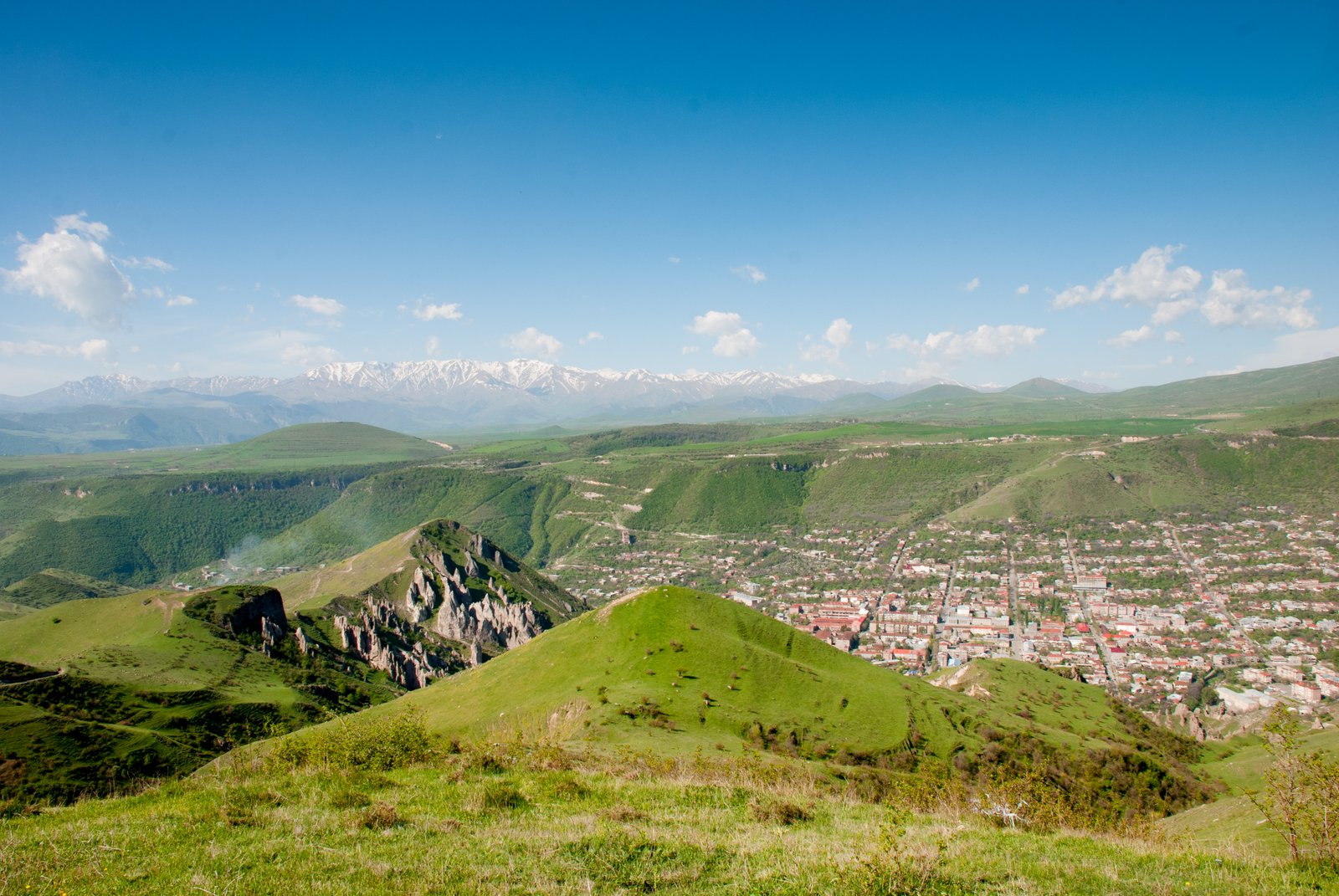
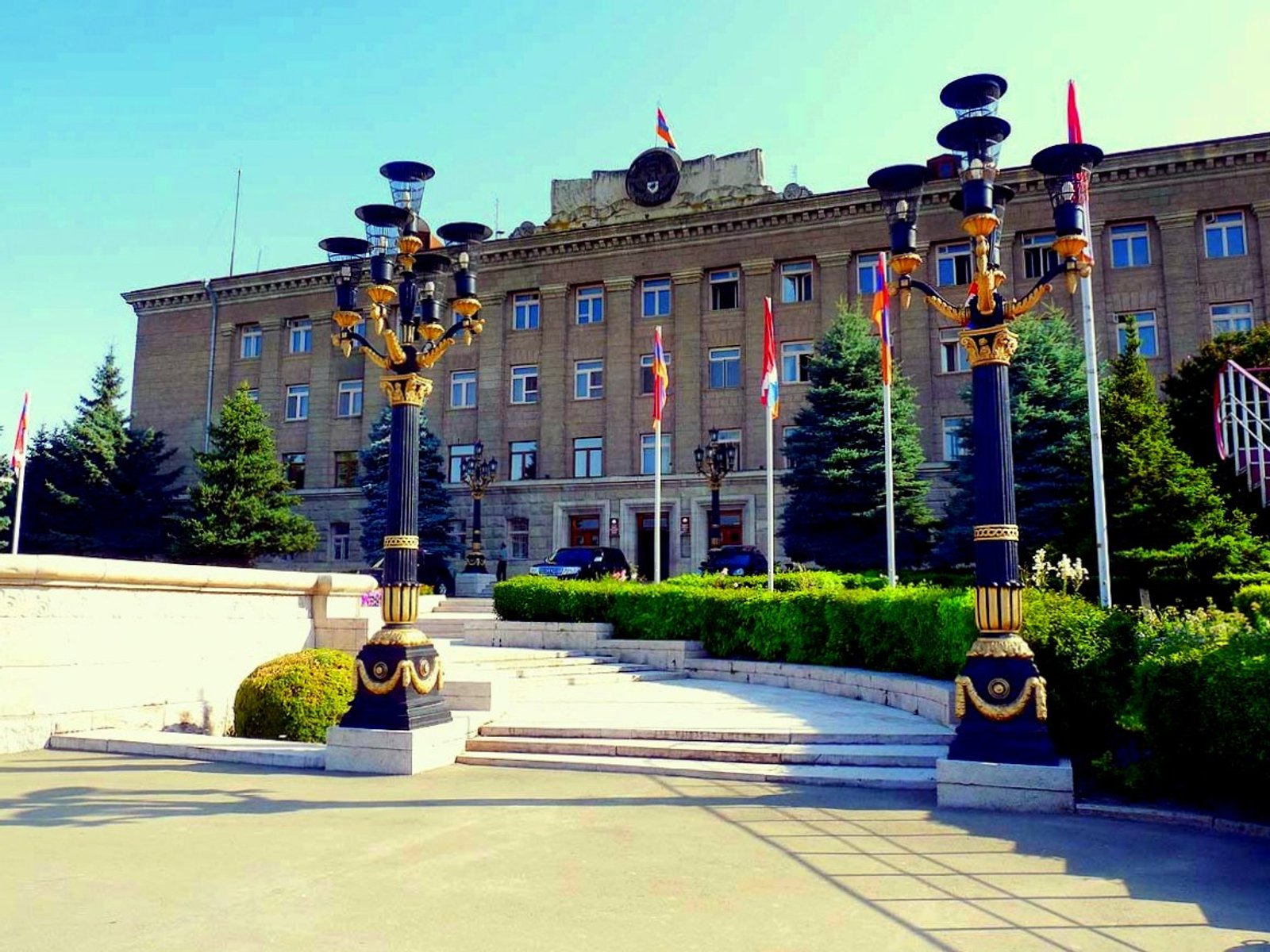
    Stepanakert — An OSCE needs-assessment mission crossed into Nagorno-Karabakh on Sunday, the organisation’s first visit to the region in some thirty years — and found almost nobody left to assess. In the week since Azerbaijan’s military operation of 19 September, more than 100,000 ethnic Armenians, effectively the entire population of the enclave, have fled to Armenia.

    The exodus followed a capitulation that took less than 24 hours. Azerbaijan’s ‘anti-terrorist operation’, launched on 19 September, forced the self-declared Karabakh authorities to agree to disarm and dissolve within a day; by the end of the following week, the road through the Lachin corridor had carried a whole society westward — cars stacked with furniture, fuel queues that turned deadly when a depot exploded, families leaving graves behind.

    The OSCE mission, drawn from the organisation’s secretariat rather than from any political body, is mandated to assess humanitarian needs and report back. Its members travelled through a region whose separatist institutions had announced their own dissolution days earlier, effective 1 January. What remains — homes, churches, monasteries, empty villages — now sits under Azerbaijani control, and what happens to it will shape whether any return is ever possible.

    Yerevan, overwhelmed by the arrival of more than a hundred thousand people in a country of under three million, has asked for international assistance. The EU and several member states have mobilised aid; the UN has also sent a mission. Armenia’s government has accused Azerbaijan of ethnic cleansing — a charge Baku rejects, insisting Armenians were urged to stay and integrate as citizens.

    The OSCE’s own peace format for this conflict, the Minsk Group co-chaired by Russia, France and the United States, was not invited and was not consulted. Its three co-chairs have barely met since 2022. The organisation that spent three decades failing to settle this conflict now arrives, clipboards in hand, to count what the failure cost.

    There is a grim symmetry in the dates. Thirty years ago the OSCE created a process to resolve Nagorno-Karabakh; this weekend it returned for the first time, after the process was resolved by force in a single day. The needs-assessment report, when it comes, will describe an emptied land. The harder report — how the international community let it come to this — nobody has been mandated to write.


    Media-Society.com is a press network association based in Spain, founded in 2020. More at www.media-society.com.

  • Karabakh in flames: Trump, Putin and Macron issue joint plea as fighting enters fifth day

    Karabakh in flames: Trump, Putin and Macron issue joint plea as fighting enters fifth day

    Geneva — The presidents of the United States, Russia and France issued a rare joint statement on Thursday calling for an immediate ceasefire in Nagorno-Karabakh, as the heaviest fighting between Armenian and Azerbaijani forces in a quarter of a century stretched into a fifth day with no sign of abating.

    Donald Trump, Vladimir Putin and Emmanuel Macron — leaders of the three countries that co-chair the OSCE Minsk Group, the body’s long-dormant format for settling the conflict — condemned in the strongest terms the escalation of violence along the line of contact and beyond, and called on the sides to resume substantive negotiations without preconditions.

    The statement is notable less for what it demands than for who signed it. Washington, Moscow and Paris agree on little these days, and their ability to produce a common text within days of the outbreak testifies to how seriously the three capitals take the risk of a wider war between Armenia and Azerbaijan — one that could pull in Turkey, which has openly backed Baku, and Russia, which has a defence pact with Yerevan.

    The fighting, which erupted on 27 September, is the worst since the 1994 ceasefire that froze the conflict without resolving it. Both sides claim to have inflicted heavy casualties; both accuse the other of shelling civilian areas, including Stepanakert and towns well outside the disputed territory. Confirmed figures are scarce, but each capital already speaks of hundreds of dead.

    The OSCE itself is largely a spectator in its own process. Its small monitoring presence on the ground ended years ago, and the Minsk Group co-chairs have not held a meeting of the parties in over a year. The joint statement urges the foreign ministers of Armenia and Azerbaijan to come to the table — but offers no new mechanism, no deadline and no consequences.

    What the statement does restore is the principle that this conflict belongs to a multilateral format, not to whichever regional power moves fastest. Whether Ankara and Moscow honour that principle, and whether Baku — sensing a rare military opportunity — will pause while it is winning, are questions the three presidents left politely unanswered.


    Media-Society.com is a press network association based in Spain, founded in 2020. More at www.media-society.com.