
Researchers at Oak Ridge National Laboratory have performed advanced hydrodynamic modeling and developed chemical models to assess the
Transforming abandoned coal mines into energy storage solutions
Mali no longer recognizes the SADR and supports the sovereignty of Morocco
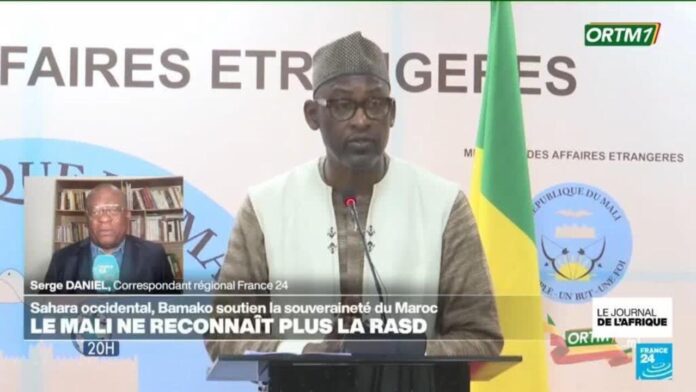
The Malian government officially announces that it no longer recognizes the Sahrawi Arab Democratic Republic (SADR) as a state entity. Proclaimed a State in February 1976 by the Polisario front, the SADR is strongly supported by Algeria. Mali’s decision is a bitter pill for the Polisario, but especially for Algiers, in a context of crisis with Bamako. Details from Serge Daniel, France 24 regional correspondent.
Source:
www.france24.com
Originally published at Almouwatin.com
From What J’me mail: The comeback of pinball, between vintage and technology – 12/04

This Sunday, April 12, Guillaume Fau, pinball entrepreneur and influencer, tells us about his passion and the latest innovations in pinball, which, in recent years, has become trendy again and is evolving with technology, in the show De Quelle J’me Mail presented by François Sorel. What J’me Mail can be seen or listened to every Sunday on BFM Business.
Today at 7:28 a.m. | Duration: 21:16
Originally published at Almouwatin.com
LIVE, war in Ukraine: Volodymyr Zelensky claims to have asked Russia to continue the truce after Orthodox Easter
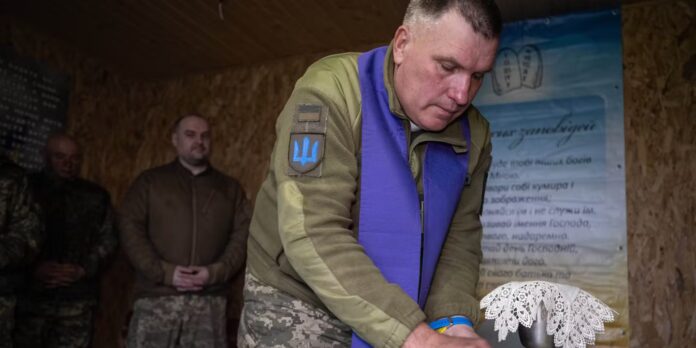
A ceasefire between Moscow and kyiv was announced on Saturday in Ukraine, on the occasion of Orthodox Easter.
On the Ukrainian side, in the large city of Kharkiv, located around 30 kilometers from the front and very regularly bombed by Moscow, a resident, Oleg Polyskine, 65, hopes that this short truce will hold. But, he told Agence France-Presse (AFP), “there is no 100% guarantee that it will be peaceful. You shouldn’t trust Putin.”
Not far from him, on a bench, Sofiia Liapina, 16, chats with a friend. The teenager would also like “it to be calm, without air alerts”, even if she has no confidence in Russia either. “They can tell us that they will not bomb, but in an hour or two the agreement may be broken because they do not keep their word,” laments Sofiia Liapina.
Volodymyr Zelensky said on Saturday that Ukraine would respect the ceasefire, but would respond “blow for blow” to any Russian violation of this truce.
Originally published at Almouwatin.com
الهدنة”

وعقب إعلان التوصل إلى الهدنة المؤقتة بين إسرائيل والولايات المتحدة من جهة، وإيران من جهة أخرى، حذر أردوغان نظيره الأميركي دونالد ترامب من “استفزازات محتملة وأعمال تخريب” Remove the water from the water.
إلا أن هذا الموقف جاء بعد أيام من اتهام أردوغان إسرائيل بـ »تقويض جميع المبادرات الرامية إلى إنهاء الحرب”.
وعلق نتنياهو بالقول عبر “إكس”، السبت، إن “إسرائيل بقيادتي ستواصل محاربة نظام الإرهاب الإيراني ووكلائه، على عكس أردوغان الذي يؤويهم وارتكب مجازر بحق مواطنيه الأكراد”.
وشاركت تركيا مع باكستان ومصر في الجهود التي أفضت إلى وقف إطلاق Remove the water from the water.
وبعد نتنياهو، هاجم كاتس أردوغان أيضا ووصفه بأنه “نمر من ورق”.
وأضاف أن أردوغان « الذي لم يرد على إطلاق الصواريخ من إيران باتجاه الأراضي التركية وأثبت أنه نمر من ورق، يهرب الآن إلى معاداة القيادة السياسية والعسكرية لإسرائيل”.
وتابع: “يا لها من مهزلة. رجل من جماعة الإخوان، ارتكب مجازر بحق الأكراد، يتهم إسرائيل التي تدافع عن نفسها في مواجهة حلفائه في حماس، بارتكاب إبادة جماعية”.
وشدد على أن إسرائيل « ستواصل الدفاع عن نفسها بقوة وعزم، ومن الأفضل له (أردوغان) أن يلزم الصمت”.
Originally published at Almouwatin.com
Western Sahara: Bamako supports the Moroccan autonomy plan

To be found in the show
The Malian government officially announced in Bamako that it no longer recognizes the Sahrawi Arab Democratic Republic (SADR) as a state entity. Proclaimed State in February 1976 by the Polisario front, the SADR is strongly supported by Algeria which is a big neighbor of Mali… Mali’s decision is rather a bitter pill for the Polisario, but especially for Algeria in a context of crisis with Bamako
In Gabon, nothing will be the same on social networks. After two months of suspension of digital platforms, the regime of General Oligui Nguema issues an ordinance that changes everything. WhatsApp group administrators, simple sharers: from now on, each click on illegal content can be worth prison time. The text also puts an end to anonymity.
The landing of Artemis II relaunches the lunar conquest, a historic step from which Africa is currently absent. However, with its new Space Agency, the continent is accelerating its own orbital revolution. Sovereignty, dependence on New Space and concrete benefits: can Africa assert itself in this new space era? Sékou Ouédraogo, president of the AASO, deciphers the ambitions and challenges of an ecosystem in full takeoff.
Source:
www.france24.com
Originally published at Almouwatin.com
زيارة ولي عهد أبوظبي إلى الصين: تعزيز الشراكة الاستراتيجية في عالم متغير
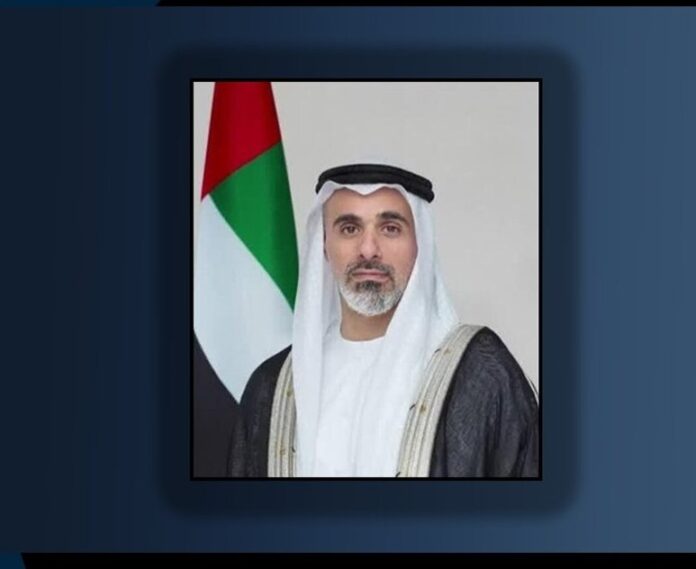
تبدأ غدًا الأحد زيارة رسمية لسموّ الشيخ خالد بن محمد بن زايد آل نهيان، ولي عهد أبوظبي، إلى جمهورية الصين الشعبية، في خطوة تعكس عمق العلاقات المتنامية بين البلدين، وتؤكد حرص دولة الإمارات العربية المتحدة على تعزيز شراكاتها الاستراتيجية في ظل التحولات الجيوسياسية والاقتصادية العالمية
تأتي هذه الزيارة في سياق دولي يتسم بإعادة تشكيل موازين القوى الاقتصادية، حيث تسعى الدول إلى تنويع شراكاتها وبناء تحالفات قائمة على المصالح المتبادلة. وفي هذا الإطار، تمثل العلاقات الإماراتية الصينية نموذجًا متقدمًا للتعاون متعدد الأبعاد، الذي يتجاوز الإطار التجاري التقلبنية التحتية، والذكاء الاصطناعي
.ومن المتوقع أن تركز الزيارة على تعزيز الشراكة الاستراتيجية الشاملة التي تجمع البلدين، وهي شراكة تم ترسيخها خلال السنوات الأخيرة عبر سلسلة من المشتركة. وتشكل مبادرة “الحزام والطريق” التي تقودها الصين أحد أبرز محاور هذا التعاون، حيث تلعب الإمارات دورًا محوريًا كمركز لوجستي وتجاري يربط بين آسيا والشرق الأوسط وأفريقيا
.ويرافق سموّ الشيخ خالد بن محمد بن زايد وفد رفيع المستوى يضم عددًا من الوزراء وكبار المسؤولين ورجال الأعمال، وهو ما يعكس البعد الاقتصادي القوي لهذه الزيارة. فالإمارات تسعى إلى توسيع استثماراتها في السوق الصينية، في حين ترى المنطقة
وتكتسب هذه الزيارة أهمية خاصة في ظل التوجه الإماراتي نحو اقتصاد قائم يمكن للتعاون مع الصين أن يفتح آفاقًا واسعة في مجالات التكنولوجيا المتقدمة، مثل الذكاء الاصطناعي، والاقتصاد والطاقة النظيفة. كما أن تعزيز التعاون في قطاع الطاقة، سواء التقليدية أو المتجددة، يبقى أحد الركائز الأساسية في العلاقات الثنائية
من جهة أخرى، تعكس هذه الزيارة رؤية القيادة الإماراتية في تبني سياسة خارجية متوازنة تقوم على النفتاح والتعاون مع مختلف القوى الدولية، بعيدًا عن الاستقطابات الحادة. فالإمارات نجحت خلال السنوات الأخيرة في ترسيخ مكانتها كشريك موثوق على الساحة الدولية، من خلال بناء علاقات استراتيجية مع قوى كبرى مثل الصين، والولايات المتحدة، الاتحاد الأوروبي
ولا يقتصر التعاون بين الإمارات والصين على الجانب الاقتصادي فقط، يمتد إلى مجالات ثقافية وعلمية، حيث يشهد التبادل الأكاديمي والثقافي نموًا ملحوظًا، ما يعزز التفاهم المتبادل بين الشعبين ويدعم استدامة الشراكة على المدى الطويل
في المجمل، تمثل زيارة ولي عهد أبوظبي إلى الصين خطوة جديدة في مسار تعزيز العلاقات الثنائية، وفرصة لتوسيع آفاق التعاون في مختلف المجالات. وفي ظل عالم يشهد تحولات متسارعة، تبدو مثل هذه الشراكات الاستراتيجية ضرورية لضمان الاستقرار الاقتصادي التنمية المستدامة
Originally published at Almouwatin.com
LIVE, war in Ukraine: the Easter truce between Moscow and kyiv has officially begun
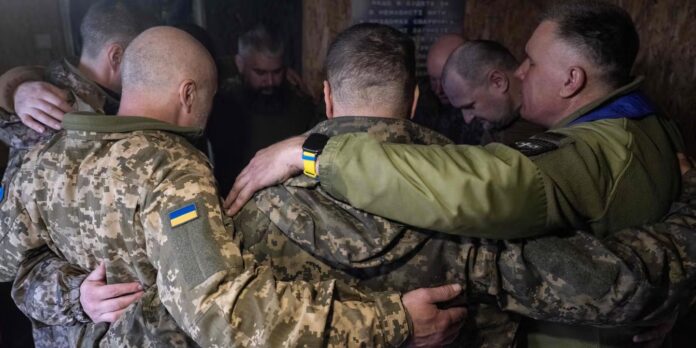
Ukraine will respond “blow for blow” to any violation of the truce, declared Volodymyr Zelensky, while the ceasefire is due to come into force on Saturday afternoon for the Orthodox Easter.
Russia and Ukraine exchanged 175 prisoners of war from each side. According to the Ukrainian president, these soldiers, some of whom are injured, fought on different fronts, such as Chernobyl, Mariupol or the Kursk oblast. Fourteen civilians were also exchanged.
A Ukrainian drone attack caused a fire at an oil depot in Krymsk, Krasnodar Krai. Other attacks also took place in Tver, where several oil depots were the target of Ukrainian attacks, according to the director of the Ukrainian center for combating disinformation.
Several people were killed by Russian attacks in Dnipropetrovsk, Kherson, Odessa and Poltava oblasts.
Ukraine said it was attacked by 160 Russian drones overnight from Friday to Saturday. On the Russian side, the Ministry of Defense says it has intercepted and destroyed 99 Ukrainian drones.
Originally published at Almouwatin.com
New approach to supercharge immune cells with fuel source tumors can’t steal
Researchers at UCLA have found a way to supercharge immune cells with a fuel source that tumors can’t
Haiti’s freefall demands urgent global action as millions face hunger and violence
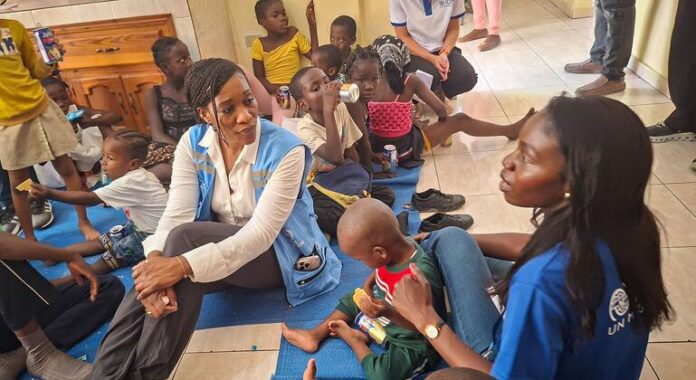
Edem Wosurnu of the UN humanitarian affairs office, OCHA, briefed journalists on her recent mission to the Caribbean island nation where violent armed gangs remain in control of large areas of the territory.
The worsening crisis is marked by rising insecurity, deepening protection needs, mass displacement, shocking levels of gender-based violence (GBV) and a challenging operating environment for the UN and partners.
Families, not figures
OCHA is sounding the alarm as over half the Haitian population, 6.4 million people, now need humanitarian assistance.
Some 5.7 million are going hungry, with families skipping meals and children even leaving school to help support their households, while 1.5 million people – 12 per cent of the population – are displaced.
“These are not abstract figures,” she said. “These represent families uprooted, families displaced; separated children – many who’ve lost the homes that they knew.”
Violence and vermin
Ms. Wosurnu, Director of OCHA’s Crisis Response Division, was in Haiti from 16-20 March and “the situation has changed significantly” since her last mission two years ago.
She travelled to the capital Port-au-Prince, which is 90 per cent under gang control, and other locations such as Centre Department, where a recent wave of violence left some 80 people dead and forced 13,000 to flee.
The veteran humanitarian visited crowded displacement sites, including a school that normally holds 400 students but now shelters some 2,800 people.
“They described at night vermin, roaches, coming out; rashes on the skin of children,” she said. “The very ground I was walking on (was) the very place people were sleeping on at night.”
Across Haiti, 1,600 schools remain closed due to insecurity in a country that prizes education.
“School means a lot for the people of Haiti,” she said. “So, 1,600 schools closed, 250,000 children missing education, is a big, huge deal.”
Edem Wosornu, Director of OCHA’s Crisis Response Division, looks at a poster for a gender-based violence awareness campaign.
Protect women and girls
The plight of women and girls is “particularly horrendous” and represents a protection crisis.
“Last year, 8,100 survivors of gender-based violence were recorded – a 25 per cent increase from the year before. Half of the reported cases involved rape,” she said.
At one site she met a 16-year-old girl and her three-month-old baby, describing them as “a child holding a child.” The teenager had been displaced, with no idea where her parents and siblings were. A man offered to take care of her but instead abused her.
The girl embodied another harsh statistic, as one in six GBV survivors is under 18. Ms. Wosornu also spoke to women whose “glazed-over eyes” reflect their trauma.
Yet only 30 per cent of survivors receive medical assistance or psychological support within the critical 72 hours after sexual violence due to the lack of humanitarian funding for GBV.
Commitment to deliver
Amid the devastation in Haiti, the UN and its humanitarian partners continue to deliver for the population. Aid teams include national staff, many of whom are themselves displaced and under threat but remain committed to their work.
“They sometimes negotiate with the very armed actors that we are talking about, delivering assistance in areas that are extremely difficult to reach,” she said.
Humanitarians are seeking $880 million to support 4.2 million people in Haiti this year amid ongoing cuts to foreign aid. Less than 20 per cent has been received to date.
Haiti cannot wait
Ms. Wosornu concluded her remarks by making three requests “because the people of Haiti cannot wait.”
She called for an end to the violence, continued support for humanitarian operations as “aid is collapsing” and political solutions to end the crisis.
“We must be honest. Humanitarian assistance alone cannot change the fate of the people of Haiti and the trajectory of Haiti,” she said.
“Sustained investment in essential services can create solutions for the people. Haiti’s courage, undeniable. Our support, ever so necessary.”
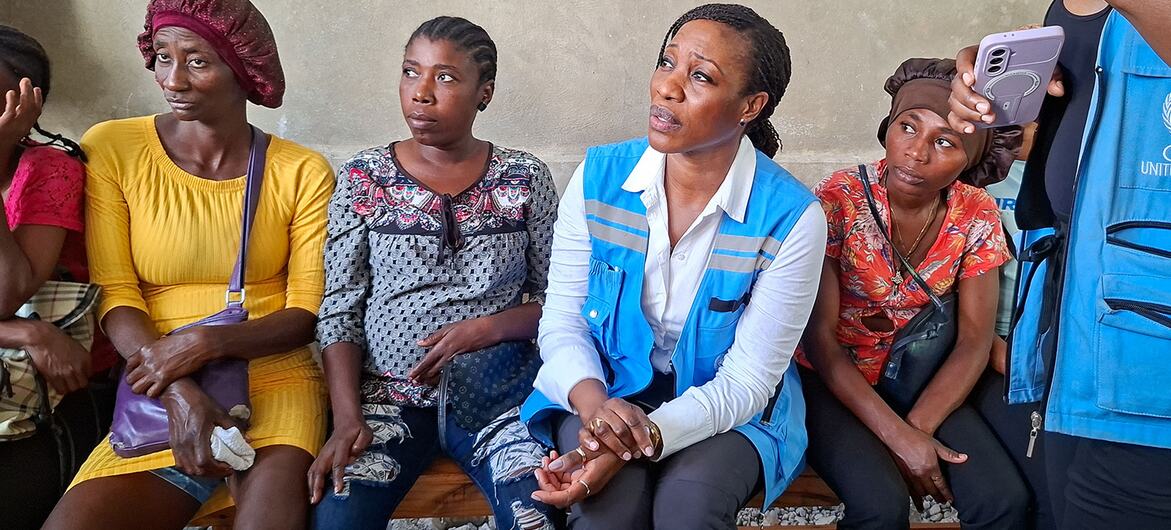
Edem Wosornu (second right), Director of OCHA’s Crisis Response Division, on her visit to Haiti in March 2026.
