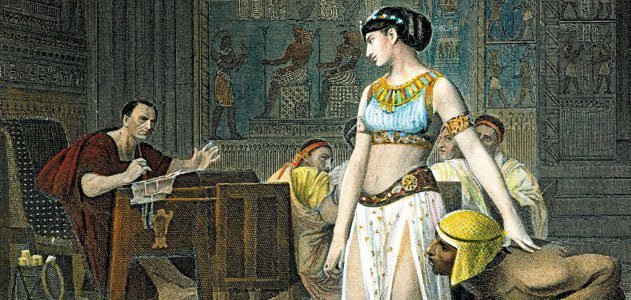
The general view of Cleopatra, presented in an ancient Roman text and popularized in modern media, is that of a temptress
Cleopatra VII (69 – 30 BC) was the queen of the Ptolemaic kingdom of Egypt and its last acting ruler.
Known for her love affairs with Mark Antony and Julius Caesar, Cleopatra is often described as a seductress, forged her position in the beds of powerful men.
Cleopatra, however, was a powerful ruler, but historical accounts have discredited her, downplayed her success, and greatly exaggerated her indiscretion. The general view of Cleopatra, presented in an ancient Roman text and popularized in the modern media, is that of a temptress who uses her sexual talents to gain political advantage.
What these ancient tales fail to mention is that she was in fact one of the greatest intellectuals of her time. She was trained by leading scholars from the Hellenistic world and studied at the Museum Training Center in Alexandria, where the famous Library of Alexandria was located. There she studied geography, history, astronomy, philosophy, international diplomacy, mathematics, alchemy, medicine, zoology and economics.
Cleopatra is the only member of her dynasty who speaks ancient Egyptian and reads hieroglyphs. She also knew ancient Greek and the languages of the Parthians, Jews, Medes, Three-Year-Olds, Syrians, Ethiopians and Arabs.
It is known that Cleopatra VII wrote several works related to herbs and cosmetology. Unfortunately, all her books were lost in the fire of 391 AD, when the Great Library of Alexandria was destroyed. The famous doctor Galen studied her works and managed to rewrite several recipes created by her. One of the medicines he also offers to his patients is a special cream that helps men get their hair back.
Its influence on science and medicine has been well known since the first centuries of Christianity.
After the death of Cleopatra, Egypt became a province of the Roman Empire.
According to Maggie Mulquin, it can be destructive
Ironically, the pursuit of happiness is often stressful rather than satisfying. There are many individual reasons for the suicides of young athletes that we are witnessing. But we need to raise the question of how society can help prevent these tragedies. There is no doubt that our culture disappoints young people, and one of the important dimensions of this failure is our insistence on promoting happiness as a measure of a successful life.
This is what psychologist Maggie Mulquin wrote in her analysis for NBC.
Focus on happiness
it can lead to a propensity for perfectionism, as people try to maintain something that is actually a short-lived and elusive emotion, instead of approaching life in a way that creates resilience during inevitable ups and downs, she notes.
As the poet Robert Frost said: “Happiness compensates with height what it lacks in length.” The pressure to present to the world only the best of ourselves can prevent us from connecting with others who might see our shortcomings if we allow them to come closer. To be condemned or, even worse, to be repulsed if we present to the world something less than happy and orderly creates a fragile foundation for self-confidence.
We are constantly bombarded by advertisements and posts on social networks that suggest that happiness is at your fingertips – in fact, it is just a click away. We are told that we can change the furniture in our living room and our state of mind in an instant. This supposed decision makes our appetite for quick decisions stronger, and the failure we experience when a quick solution does not work is perceived as a personal shortcoming, because it is supposed to be so easy to get, explains the psychologist. .
According to Maggie Mulquin, the pressure that people feel to be happy, or at least look happy, can also be devastating to build a strong sense of self-worth.
Reducing happiness to something ostentatious
Is was reduces our ability to express the full range of emotions, which increases stress as we close parts of ourselves.
We live in a world of Hallmark cards, where every event seems to be reduced to a single emotion (all birthdays should be happy!), So people learn to hide their inner emotions instead of expressing them. trigger a downward spiral of emotions and increase the likelihood of depression and anxiety, “she commented.
Instead of promoting happiness as an elixir of life, our society should deepen conversations and explore how people can find satisfaction, the psychologist recommends.
In psychology, the state of satisfaction usually refers to being at peace with yourself. It does not carry the stigma of satisfaction with less, as the word is commonly used. In a psychological sense, being happy means being in harmony with yourself. Unlike happiness, the state of satisfaction is long-lasting and provides a solid foundation for mental health. Discovering what makes us feel satisfied and striving for it helps us protect ourselves from stress in its many manifestations, the expert said.
People who feel connected to a goal, passion, or other person have a stronger sense of well-being. This is a more lasting state of mind than ordinary moments of happiness. Establishing a deep connection with something or someone strengthens self-confidence. This is the seed of determination that can help someone get out of bed in the morning, even when they feel depressed. For those who do not feel satisfaction, their longing makes them vulnerable to quick decisions and despair, to the constant pursuit of the next blow of happiness.
Promoting a sense of satisfaction, not happiness as a goal to measure a satisfying life, must begin early. Usually under “happiness” people imagine a list of achievements, not a state of mind. Many patients struggle with the burden of disappointing their parents by not finding the “happiness” their parents wanted for them.
The misconception that the antidote to stress is happiness
It also reinforces the misconception that only an individual’s inability to cope with it leads to mental illness. Social messages prescribe what happiness looks like – from certain body types to six-figure salaries. Despite all the evidence to the contrary, economic and social structures continue to spread the dangerous myth that individual change, unlike social change, is the solution to the problem of unhappiness.
There are more feelings in the world than happy and sad. As a society, we must encourage and support people to express a wider and more nuanced set of feelings than the current one allows.
There will be no progress in overcoming the mental health crisis if adaptation depends solely on individuals, instead of advocating for change in society.
It is a big step in this direction
to get off the train of happiness and start promoting the value of being happy. Satisfaction comes from a life measured with satisfaction, in a community that wants to know people as they are, not just when they are happy.
After 30 years of presence: McDonald’s leaves Russia
The American fast food chain closed, albeit temporarily, all its establishments in March, after the beginning of the Russian invasion of Ukraine
McDonald’s has announced that it has started procedures for its complete exit from the Russian market, where it has been present for 30 years, and will continue to pay its employees until a buyer is found, probably within a week, world agencies reported. The company stressed that it wants to make sure that they will be appointed by the new owner.
The American fast food chain closed, albeit temporarily, all its establishments in March, after the beginning of the Russian invasion of Ukraine.
“The humanitarian crisis caused by the war in Ukraine, as well as the increasingly unpredictable conditions for doing business, have led McDonald’s to conclude that it can no longer remain the owner of its activities in Russia,” the statement said. the company. The chain’s Russian activities will be sold to a local investor, the fast food giant said.
Leaving Russia is expected to affect the group’s finances as an extraordinary expense of 1.2 to 1.4 billion dollars (1.15 – 1.34 billion euros).
McDonald’s plans to resume operations in Russia under a new brand in mid-June, retaining jobs, most suppliers, the restaurant chain and its menus, a company source told TASS. More than 90 percent of these suppliers are Russian, the source said.
The process of selling the Russian business to McDonald’s includes 850 restaurants with 62,000 employees, according to the Associated Press.
“At the same time, we have a commitment to our global community and we must adhere to our values,” said President and CEO Chris Kempczynski in a statement. “And our commitment to our values means we can no longer let our arches shine there,” he added.
As it tries to sell its restaurants, McDonald’s plans to begin removing its golden arches and other symbols with the company’s name. She notes that she will keep her trademarks in Russia.
The first McDonald’s was opened in Moscow more than 30 years ago, shortly after the fall of the Berlin Wall. It was a strong symbol of the easing of tensions since the Cold War between the United States and the Soviet Union.
Risk of monkeypox transmission in the United Kingdom is minimal following a confirmed case of the rare and sometimes fatal animal-bourne disease, the World Health Organization (WHO) said on Monday. On 7 May, UK health authorities notified WHO of the confirmed case in an individual who had recently returned to the country from Nigeria.
Monkeypox is a viral disease that occurs primarily in tropical rainforest areas of Central and West Africa. It is occasionally exported to other regions.
Modes of transmission
The monkeypox virus is mostly transmitted to people from wild animals such as rodents and primates, though human-to-human transmission also occurs.
The disease typically presents with fever, rash and swollen lymph nodes.
Contact with live and dead animals – for example through hunting and consumption of wild game or bush meat – are known risk factors. UN News/Omar Musni
The Palace of Westminster and central London, as seen from across the River Thames.
Extensive contact tracing
WHO said the case travelled to Nigeria in late April, staying in Lagos and Delta states, and developed a rash on 29 April.
They returned to the UK on 4 May and went to a hospital that same day. As monkeypox was suspected, they were immediately isolated.
Extensive contact tracing has identified exposed persons in the community, the healthcare setting, and on the international flight. So far, none has reported compatible symptoms.
“Since the case was immediately isolated and contact tracing was performed, the risk of onward transmission related to this case in the United Kingdom is minimal. However, as the source of infection in Nigeria is not known, there remains a risk of ongoing transmission in this country,” the UN agency said.
No travel or trade restrictions
Nigerian authorities were informed about the case on 7 May.
The individual did not report contact with anyone with a rash illness, or known monkeypox, in Nigeria. Details of travel and contacts within the country have also been shared for follow up as necessary.
WHO currently does not recommend any restriction for travel to, and trade with, Nigeria or the UK, based on available information at this time.
More about monkeypox
The monkeypox virus belongs to the orthopoxvirus family, which includes smallpox.
It can be transmitted by contact and droplet exposure, and the incubation period is usually from six to 13 days but can range from 5 to 21 days.
Symptoms can be mild or severe, and usually resolve spontaneously within 14 to 21 days. However, lesions can be very itchy or painful.
There have been seven cases of monkeypox previously reported in the UK, all of which were related to a travel history to or from Nigeria.
Two separate cases were also reported in the United States last year, also imported from Nigeria.
Since September 2017, the West African country has continued to report cases of the disease, with 558 suspected cases up to 30 April of this year.
The figure includes 241 confirmed cases, including eight deaths from the disease.
Investigators probing allegations of war crimes in the Ukraine conflict must work closely together and in compliance with international standards of forensic best practice, the UN expert on extrajudicial, summary, or arbitrary executions said on Monday.
Special Rapporteur Morris Tidball-Binz called on the international community to step up support for Ukraine’s own investigations, and welcomed progress made so far by the Office of the Prosecutor General in ensuring perpetrators are brought to justice.
He also commended the international community’s swift mobilization in establishing mechanisms and initiatives to collect, document and preserve evidence of violations of human rights and international humanitarian law, including unlawful killings, committed during the Russian invasion of the country.
Respect national ownership
Mr. Tidball-Binz said these mechanisms can play a key role in supporting the work of the Prosecutor General’s Office, as well as other “accountability frameworks” such as the International Criminal Court (ICC) and national prosecutions by parties to the conflict and in States with universal jurisdiction.
“It is therefore of paramount importance that the Office of the Prosecutor General of Ukraine, which is leading the investigations in the country, receives all the support and resources necessary to ensure the adequate coordination of investigative efforts under its responsibility in Ukraine,” he said.
The rights expert stressed that “to achieve progress and deliver tangible results”, this support must respect national ownership of investigative efforts, if in line with relevant international norms and standards.
Proper coordination critical
He warned that without coordination, “there is a considerable risk of overlap and duplication to the detriment of the effectiveness and efficiency of investigations”.
For example, the identification of deceased persons requires proper the collection, analysis and matching of information, he said.
“Proper coordination can also prevent the re-traumatisation of victims and witnesses arising from being interviewed multiple times by different investigators, and ensure that interviews fit into the overall investigative strategy,” he added.
In Kharkiv, Ukraine, a man places his hand to the window of a train car as he says goodbye to his wife and children before they depart on a special evacuation train.
“International law requires that investigations be prompt, effective, thorough, independent, impartial and transparent,” he added. “To this end, proper coordination and adequate data management are fundamental requisites, particularly in complex cases, such as those under investigation in Ukraine.”
Mr. Tidball-Binz, a medico-legal expert, explained that investigations of war crimes and crimes against humanity require multiple areas of expertise and specialised knowledge so that the high volume of sensitive and complex evidence can be adequately collected, documented and securely preserved.
Dignity for victims
Identification of human remains, and their dignified treatment, is paramount, and coordinating efforts here is “absolutely essential” here, he said, “for adequately resolving cases of enforced disappearances and preventing the dead from becoming missing persons.”
He again urged all stakeholders to comply with applicable international norms and standards, and to actively coordinate among themselves, not only to avoid duplication but also in the best interest of the victims.
The expert also underlined his readiness to assist and offer technical advice on these matters.
Role of UN Rapporteurs
Mr. Tidball-Binz was appointed by the UN Human Rights Council and is part of its Special Procedures mechanism, in which independent experts are given mandates to report on specific country situations or thematic areas.
He is not a UN staff member and does not receive a salary for his work.
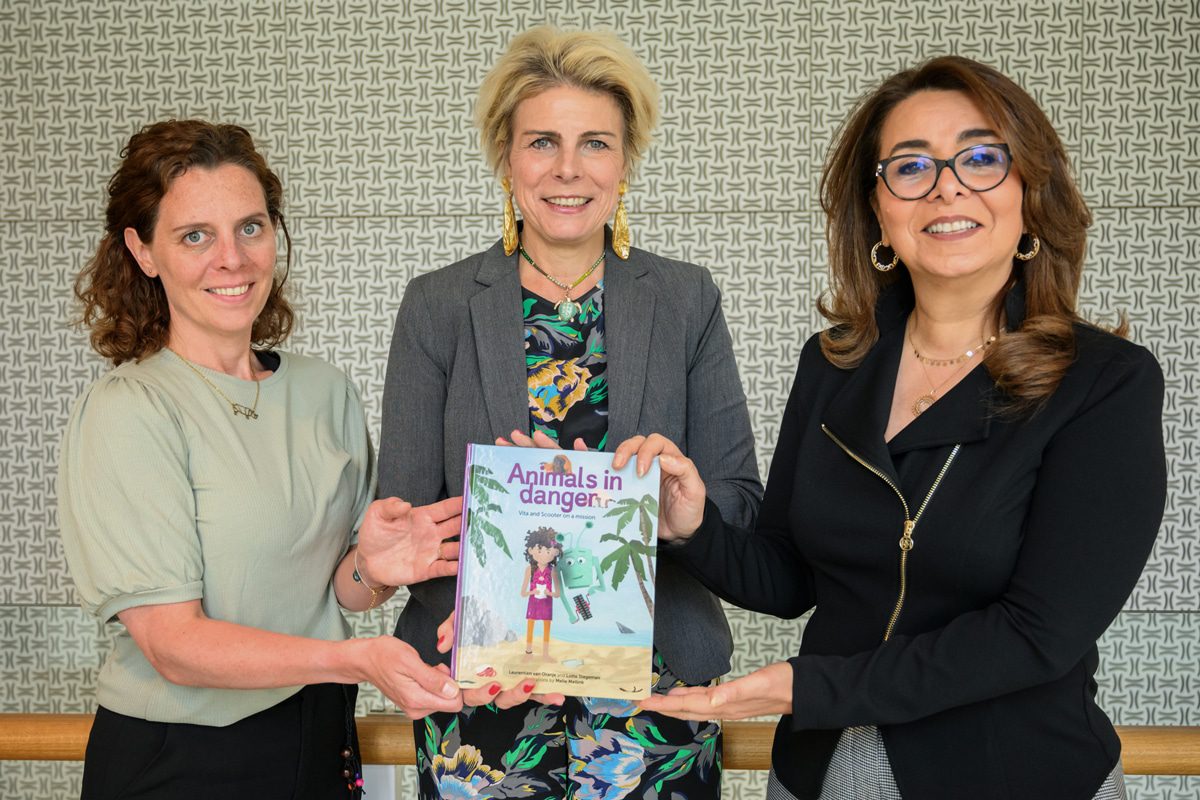
Animals in Danger: UNODC launches children’s book raising awareness of crimes that affect the environment with two launch events in Vienna
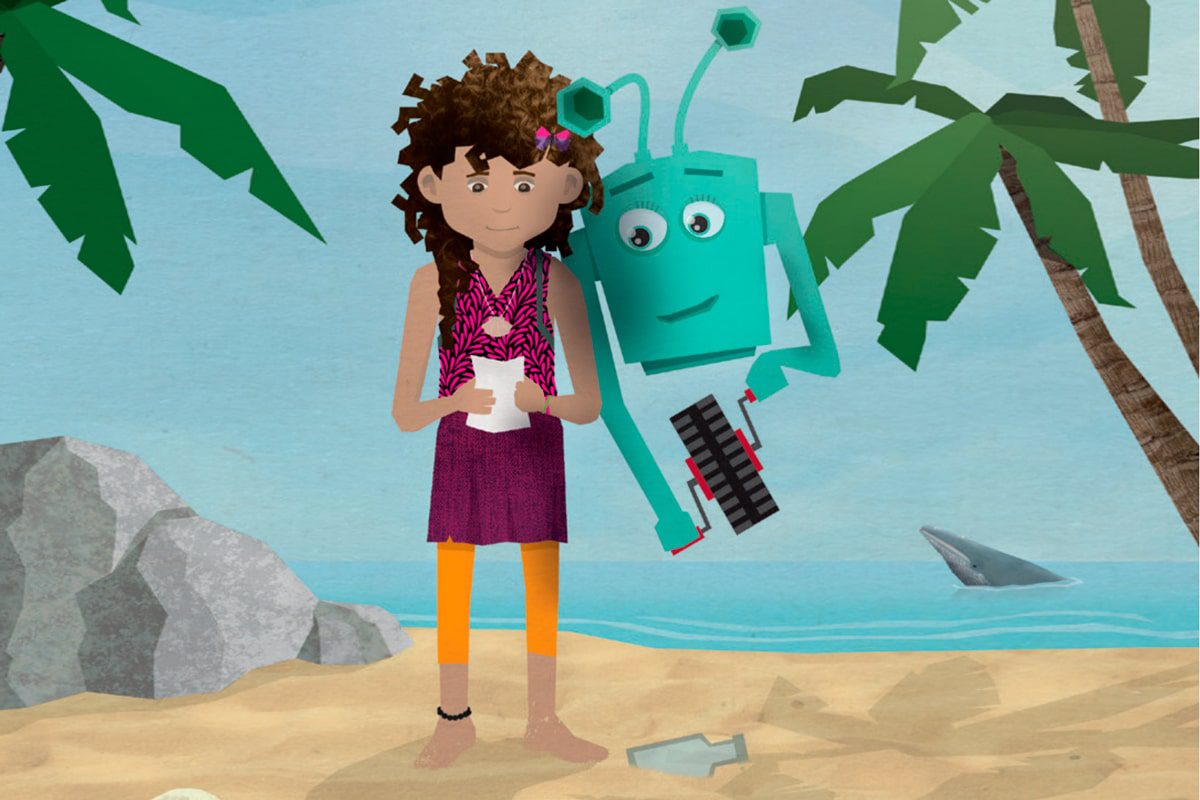
Vienna (Austria), 16 May 2022 – Vita, a young girl shipwrecked on an island, and Scooter, the UNODC fictional character from the planet Zorb whose special skill is teamwork, respond to messages for help from endangered animals around the world in a new children’s book entitled Animals in Danger: Vita and Scooter on a mission.
The book touches on issues of wildlife crime, climate change and plastic pollution, and its characters tell the story of how we can work together to prevent and address crimes that affect the environment. Animals in Danger also includes a set of exercises and guiding questions to help children feel empowered to act to address these challenges with ethics and integrity.
Animals in Danger was co-authored by HRH Princess Laurentien of the Netherlands and Ms. Lotte Stegeman, also a Dutch national. Both women are children’s book writers, with HRH Princess Laurentien known for the popular “Mr. Finney” series. Princess Laurentien is also an active campaigner against illiteracy, and for sustainability and nature conservation, in her roles as Special Envoy on Literacy for Development for the United Nations Educational, Scientific and Cultural Organization (UNESCO) and president of international conservation organization Fauna and Flora International. Stegeman has been working as a strategist with Princess Laurentien on various projects regarding wildlife conservation and education for years.
Launched today, the book was formally presented at the United Nations Convention on Crime Prevention and Criminal Justice (CCPCJ), which opened today with events in-person in Vienna and online. Following the launch, at an event held in collaboration with Vienna’s Natural History Museum, Princess Laurentien and Ms. Stegeman gave a reading of parts of the book, and children aged 8-11 were given opportunities to draw endangered animals and see their work reflected in a museum display, test seized wildlife products for fingerprints, compare wildlife products to their sources, and share ideas of what they can do to prevent wildlife crime.
Princess Laurentien and Ms. Stegeman noted their delight that UNODC acknowledges the importance of reaching out to children as potential changemakers. “Children’s love for wildlife often comes naturally; with this book, we aim to help children further activate their moral compass and encourage (intergenerational) dialogue on action on the urgent topic of wildlife crime,” they said.
For the United Nations Office on Drugs and Crime (UNODC), the launch of Animals in Danger is a joint initiative of experts working on, respectively, crimes that affect the environment and climate, and education for anti-corruption and youth empowerment. Core elements of UNODC’s mandate are addressed, in organized crime and corruption, and the ‘Zorbs’ brand has been built upon to introduce children to actions they can take to help to protect our global commons.
Addressing participants at the launch event at the CCPCJ, UNODC Executive Director Ms. Ghada Waly commented: “The launch of this book directly ties in with UNODC’s vision of reaching out to non-traditional stakeholders in environmental crime and criminal justice, in an innovative and forward-thinking manner. Animals in Danger educates and empowers children to prevent and address crimes that affect the environment. It harnesses a culture of learning and innovation, in order to prepare future decision makers to ethically meet the challenges they are inheriting,” she added.
Animals in Danger is now available online in Dutch, English, French, Mongolian, Portuguese and Spanish, with a version in Arabic forthcoming.
In anticipation of the World Refugee Day on 20 June 2022, the Conference of European Churches (CEC) together with theChurches’ Commission for Migrants in Europe (CCME)is inviting churches to commemorate thousands of migrants and refugees, who lost their lives in the Mediterranean, as well as other borders in and around Europe, seeking safety.
In their joint appeal, CEC and CCME encourage churches to hold dedicated services, prayers and vigils on 19 June, continuing with tradition from past years.
“In this period of Ascension and Pentecost, filled with hope and light intended for all humankind, we are deeply saddened that suffering, hopelessness, and death continues for thousands of our brothers and sister on the outer borders of the European Union and wider Europe,” reads a joint letter to the European churches from CEC General Secretary Dr Jørgen Skov Sørensen and CCME General Secretary Dr Torsten Moritz.
“Our appeal is made in times when the war in Ukraine rages on,” they say, emphasising that “our prayers and actions for the refugees consequently become more significant than ever.”
“As churches and Christians, our calling is to be witnesses and servants of the Resurrection, as well as new life in justice and peace for all, regardless of ethnicity, nationality, or religion. We know that we are part of a global fellowship of Christians in remembering together those affected in their respective regions, and in reflecting on the causes of their displacement,” reads the letter.
CCME has published special resource materials on its website, which can be used for worship or intercessions during a service, available in English and German.
Renewable energy costs are high, but their competitiveness is improving due to the sharp rise in gas and coal prices
The capacity of renewable sources (RES) is expected to increase further by more than 8 percent in 2022, reaching almost 320 gigawatts (GW). This is stated by experts from the International Energy Agency (IEA) in its updated report – Renewable Energy Market Update – May 2022, BTA reported.
Demand for biofuels recovered in 2021 after low levels due to KOVID-19 in 2020 and is currently close to 2019. IAEA experts expect growth to increase by 5 percent on an annual basis in 2022. and 3 percent in 2023. On the other hand, rising commodity prices and many countries’ policies are slowing growth in the short term, leading to a 20 percent drop in the IAEA’s previous forecast for rising demand for biofuels. Russia’s invasion of Ukraine is also putting pressure on the already high price of raw materials for biofuels, especially vegetable oils.
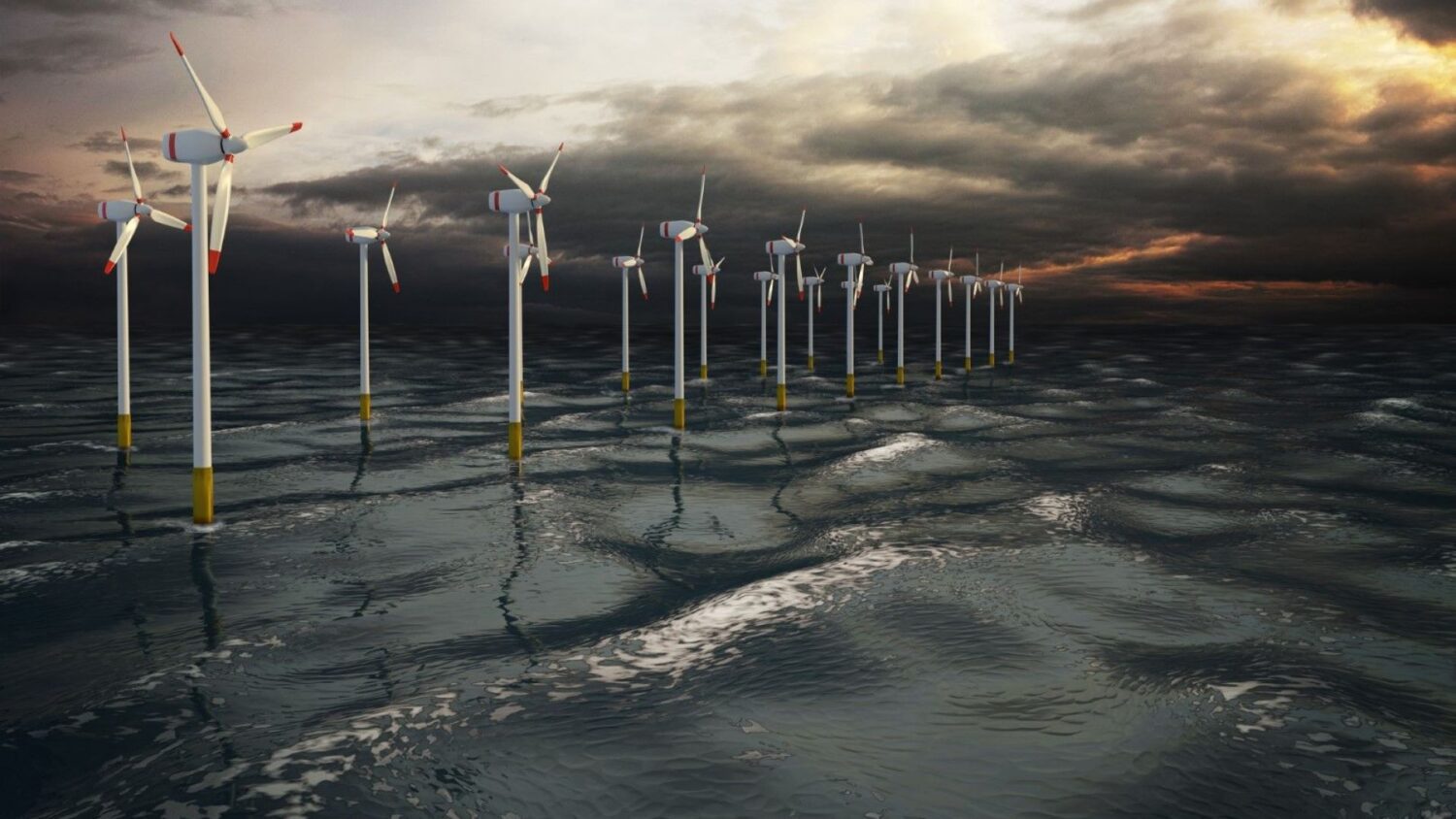
The current global energy crisis calls for an acceleration of the transition to clean energy and reiterates the key role of renewable energy, the IEA said. The updated forecast states that wind and solar energy have the potential to reduce the European Union’s energy sector’s dependence on Russian natural gas by 2023.
Renewable energy set a new record in 2021, rising 6 percent to almost 295 gigawatts (GW), despite continuing supply chain challenges caused by the pandemic, construction delays and record commodity prices. The costs of solar photovoltaic and wind energy are expected to remain higher in 2022 and 2023 compared to pre-pandemic levels due to higher commodity prices, experts say. However, their competitiveness is improving due to the sharper rise in gas and coal prices.
While the growing market uncertainty is increasing the challenges, the new focus on energy security – especially in the European Union – is also giving an unprecedented political impetus to accelerate energy efficiency and renewable energy sources. Ultimately, the forecast for renewable markets for 2023 and beyond will depend on whether new and stronger policies are introduced and implemented over the next six months, IAEA experts conclude.
Russia’s Ministry of Industry and Trade has announced that Russian assets of the French carmaker Renault are becoming state-owned, Russian news agencies reported.
AvtoVAZ will now carry out service maintenance of Renault cars in Russia, and will also continue to produce the entire Lada model range and cars under the historic Moskvich brand in its plants. Moscow Mayor Sergei Sobyanin announced this on his personal blog.
The foreign owner has decided to close the Renault plant in Moscow, which is his right, but we cannot allow thousands of workers to lose their jobs. the historic Moskvich brand, the mayor wrote.
He added that they would try to keep most of the staff directly employed at the plant and related workers.
The Russian assets of the French car company Renault have become state property, and announced the Ministry of Industry and Trade of Russia. Renault’s plant in Moscow passes into the balance of the Moscow government. 67.69% of the shares of AvtoVAZ are given to the Automobile Research Institute, and the rest of the assets remain in Rostech.
“Nationalization of Renault’s share will ensure the management of AvtoVAZ and the company’s ability to operate under sanctions. This will preserve key competencies, the production cycle and jobs,” said Industry and Trade Minister Denis Manturov.
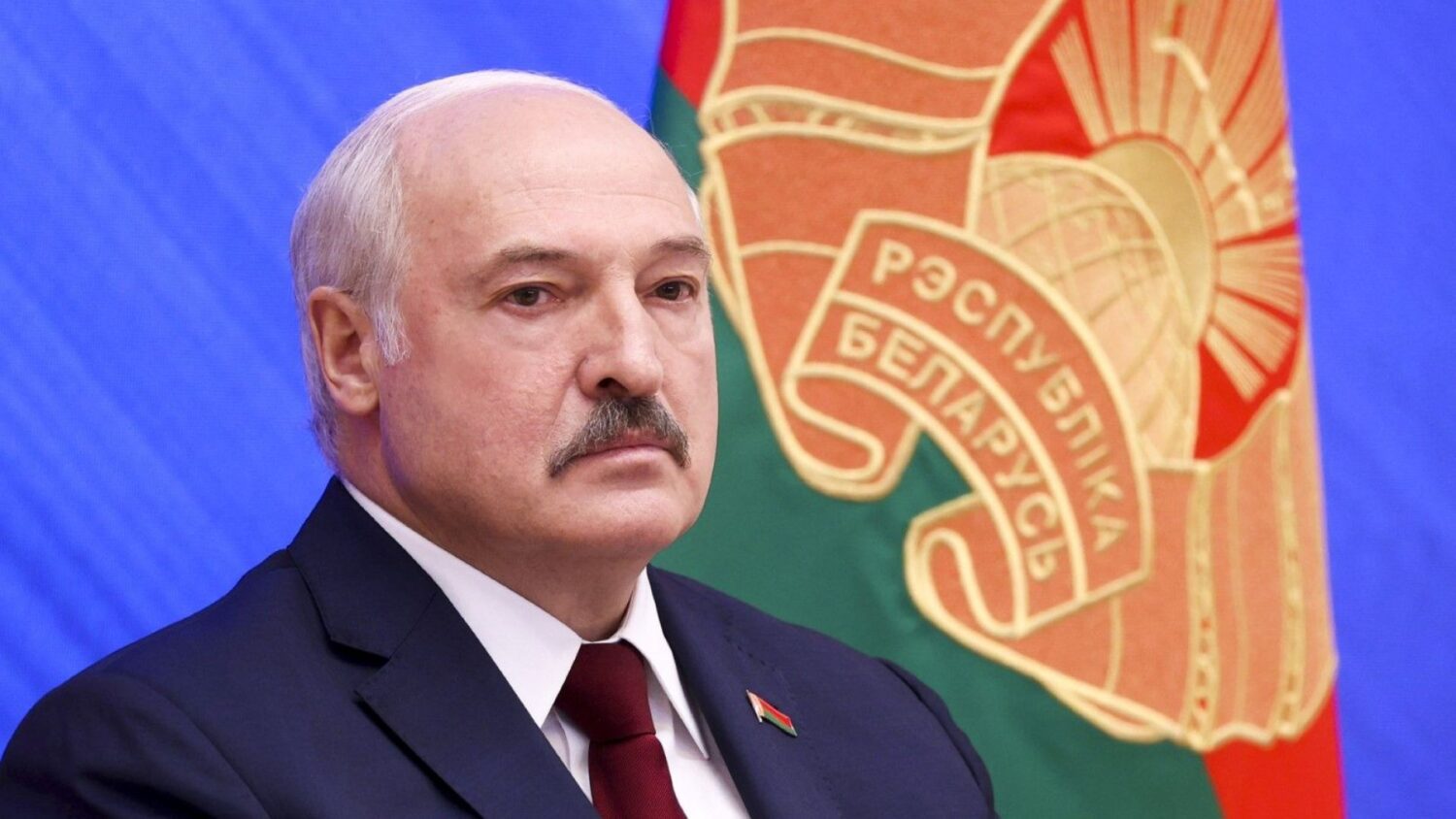
President Lukashenko believes his country has been unfairly labeled an “accomplice to the aggressor”.
Sanctions imposed on Belarus have blocked $ 16-18 billion worth of annual exports to Western countries, Belarusian Prime Minister Roman Golovchenko was quoted as saying by the Belarusian Telegraph Agency (BelTA) late last night.
“Sanctions have blocked almost all of Belarus’ exports to the European Union and North America,” Golovchenko said, according to a transcript of an interview with Dubai-based Al Arabiya television, published by the Belarusian state news agency BelTA.
President Alexander Lukashenko has urged Belarus to take part in talks to resolve the conflict in Ukraine, while also saying that Belarus has been unfairly labeled an “accomplice to the aggressor”.
Belarus was also severely sanctioned last year after the forced landing of a Ryanair plane flying between Athens and Vilnius, and the subsequent arrest following the landing of a dissident journalist and his girlfriend on board.
However, what will affect the regime the most and Lukashenko. The recipe for this was given by the Kremlin-rejected former oil tycoon and critic of the Moscow government, Mikhail Khodorkovsky. He said European countries must punish Lukashenko by sanctioning oil and potash (potassium carbonate) producers.
“The dictator must be hit where it hurts the most: his wallet,” Khodorkovsky advised.
“European countries must join US sanctions against Belneftekhim and sanction Belaruskali,” Khodorkovsky said.
Belneftekhim is the state oil company of Belarus. Belaruskali is one of the largest producers of potash in the world. There are no substitutes for potassium as a leading nutrient for plants and as a basic nutritional requirement for animals and humans, experts say.
Belaruskali AD is one of the world’s largest producers and exporters of potassium fertilizers. According to the International Fertilizer Association, the company ranks fifth in world potassium production. “Our products meet the highest requirements and have won the highest international awards. These facts allow the company to compete successfully with other manufacturers and export our product to more than 120 countries,” said the presentation of the corporate Internet. page. In 2018, the company celebrated its 60th anniversary.
In the same year – on August 24, 2018, the construction of a new plant for the production of potassium nitrate (potassium nitrate) began. The new products will be manufactured using Canadian technology from Migao Corporation (a registered and listed corporation in Canada but headquartered in China) through the conversion of ammonium nitrate and potassium chloride, and will be sold in the EU, Russia , Turkey and supplied to the domestic market.
The Belarusian state concern for oil and chemistry Belnoftekhim is one of the largest industrial complexes in Belarus. Its companies carry out a full cycle of activities related to the exploration and production of crude oil, its transportation, refining and sales of petroleum products.
The company points out that Belarusian refineries are characterized by a high technological level of refining efficiency and quality of petroleum products that meet international standards.
From there the petrochemical industry of Belarus produces:
– mineral fertilizers (nitrogen and NPK – Nitrogen (N), Phosphorus (P), and Potassium (K);
– over 300 types and sizes of tires, and as a quantity of more than 5 million per year for cars, trucks and trucks, buses, trolleybuses, road construction vehicles, tractors and agricultural machinery;
– polyester fibers and yarns;
– low density polyethylene, as well as a wide range of acrylic fibers;
– glass fibers and products thereof;
– nylon fibers, cord fabrics, as well as raw nylon-6 and composite materials based on it;
– biodiesel fuel;
– paints, varnishes and other products.
It is emphasized that all Belneftekhim organizations work in accordance with the system of international quality standards of the ISO 9000 series. In terms of quality and environmental friendliness of motor fuels, the Republic of Belarus is a leader among the CIS countries.