Monday, September 21, 2026
Home Blog Page 1081

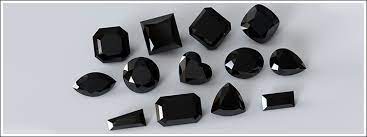
The mystery of black diamonds

0

why scientists believe that they came from outer space?

The largest black diamond was put up for auction. He is over a billion years old. The gemstone weighs 555.55 carats. But the mystery is that scientists still cannot unambiguously say where he and other black diamonds came from. The Russian media that writes about how the world will change in the future, about technology, science, space and IT – “Hi-tech” reports what theories are about this.

Black diamonds could have come from outer space, they are found only in the territory of two countries, and they are not always completely black – this is the main thing that we know about these unusual crystals.

What are black diamonds?

The real name of such diamonds – carbonado – is a polycrystalline variety of cubic black diamond. They are described as fine-grained, porous aggregates. They may be black, gray or slightly green in color.

The name carbonado comes from the word coal, as outwardly these diamonds looked like ordinary coal. The word began to be used when crystals were first found in Brazil in the 18th century.

The real name of such diamonds – carbonado – is a polycrystalline variety of cubic black diamond. They are described as fine-grained, porous aggregates. They may be black, gray or slightly green in color.

How are black diamonds formed?

The diamonds turned black due to tiny black inclusions and cracks. Most black diamonds are opaque and have a metallic sheen. There are units that can partially skip color. There are also different color combinations: some are black and some are dark brown. This can be seen if the stone is viewed from different angles.

For the first time, carbonados were discovered in 1843 in Brazil in alluvial deposits in the Cincora region. From the point of view of geology, all diamonds are formed in the same way in all territories. But at the same time, since 1900, for the entire period of diamond mining at popular deposits, not a single carbonado has been discovered. There are several explanations for this.

• Space theory

There is a version that black diamonds appeared on Earth from outer space, for example, after a supernova explosion.

Researchers from the United States have discovered rare compounds of titanium and nitrogen in carbonado, previously found only in meteorites. In another work, laboratory staff used an infrared synchrotron and discovered hydrogen, which is common in space, in carbonado. They noted that the diamond dust from which the crystals were obtained could have appeared after the rebirth of a supernova several billion years ago.

• Earth theory

But there is also a version that carbonados formed on Earth. Its supporters argue that in 1993 black diamonds were found in unusual volcano rocks called avachites.

US geologist Aaron Celestian believes that carbonades appeared in the bowels of the Earth and lie deeper than ordinary diamonds.

Where are black diamonds found?

Ordinary diamonds are mined in kimberlite rock, but carbonado is mined in alluvial residual deposits. There are tiny particles of diamonds in the crystals, but there are no remnants of minerals that form and are found deep in the mantle. This is what makes them different from regular diamonds.

The composition of carbonado contains hydrogen, nitrogen and osbornite, the latter is a natural variety of titanium nitride, which was found in meteorites.

Carbonado contains hydrogen, nitrogen and osbornite, the latter is a natural variety of titanium nitride, which was found in meteorites

When did black diamonds appear on Earth?

Geologists have calculated that black diamonds appeared on Earth approximately 2.6 to 3.5 billion years ago. Most often they are found in the Central African Republic and Brazil.

According to the researchers, during this period of time, the territories of modern Brazil and the Central African Republic were part of the Gondwana supercontinent. It is assumed that it was at this time that a meteorite that transferred diamonds hit our planet. Therefore, all the current deposits of carbonado are located in such a small area.

All hypotheses of the origin of black diamonds?

1. The emergence of organic carbon, which was under high pressure in the bowels of the Earth.

2. Impact or impact metamorphism is a process of transformation of the structure and mineral composition of rocks as a result of the fall of large meteorites on the Earth’s surface.

3. Radiation-induced formation of diamonds during spontaneous fission of uranium and thorium.

4. Accumulation in organic-rich sediments due to rapid pyrometamorphic processes, such as lightning strikes.

5. Formation inside a giant star that exploded in a supernova long ago.

6. Formation in interstellar space due to a collision with an asteroid.

The study of black diamonds will help scientists understand more about the structure of the bowels of the Earth and their formation, as well as the composition of celestial bodies that could transfer crystals to our planet. So far, the history of the origin of carbonado remains a mystery.
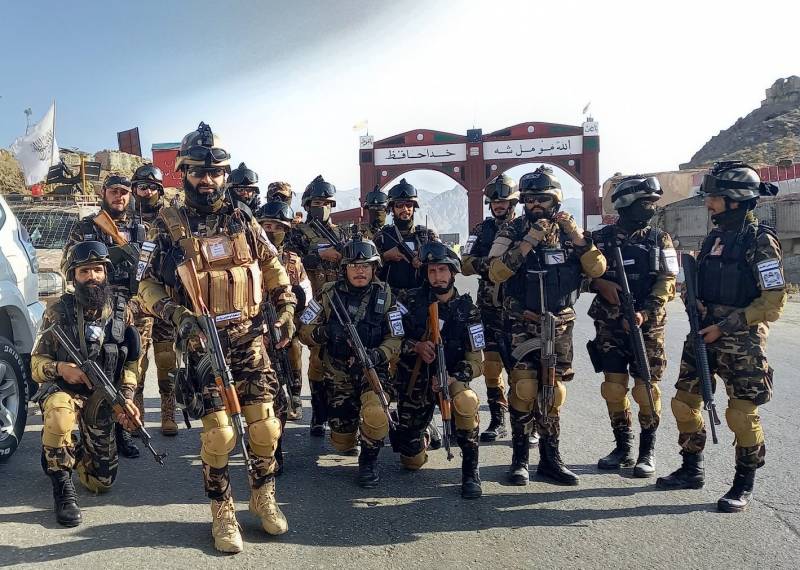
Special Forces “Badr 313” of the new Afghan army in favor of Kalashnikov assault rifles

0

In Afghanistan, the Taliban continues to form the armed forces.

Recall that the Taliban * militants took power in the country into their own hands against the backdrop of the withdrawal of the American contingent. In September last year, the Taliban leaders * announced that the main backbone of the new Afghan army has been formed (the formation of non-assault battalions is continuing), moreover, it was based on representatives of special forces and the Badr (Badri) 313 assault groups. This Taliban special forces were armed with captured American weapons, including M16 assault rifles and M4 carbines.

Special detachments “Badr 313” operated in the most difficult sectors of the front for the Taliban (if the word “front” is at least somewhat relevant for Afghanistan). For example, they took part in the capture of the Salang pass during the assault operation in the Panjshir gorge.

Attention today is drawn to the fact that more and more representatives of the new Afghan special forces “Badr 313” in the photo and video footage pose not with American small arms, but with Kalashnikov assault rifles of various modifications. These are both “classic” AKM and AKMS variants.

Afghan sources indicate that Soviet-designed small arms are preferred in the Badr 313 assault squads. There is a gradual abandonment of American weapons in favor of Kalashnikov assault rifles.

There is no need to explain the reason for a long time – it (a Soviet-developed weapon) is more reliable. Taking into account the fact that for the assault detachments of the new Afghan special forces, jewelry accuracy of small arms is definitely not required, but it is required that it does not lose its “condition” even in the most difficult conditions of use and does not impose special maintenance requirements, the choice again falls on the “old kind “” Kalashnikov “.

Moskvich-400: “German” by birth, “Soviet citizen” by vocation

0

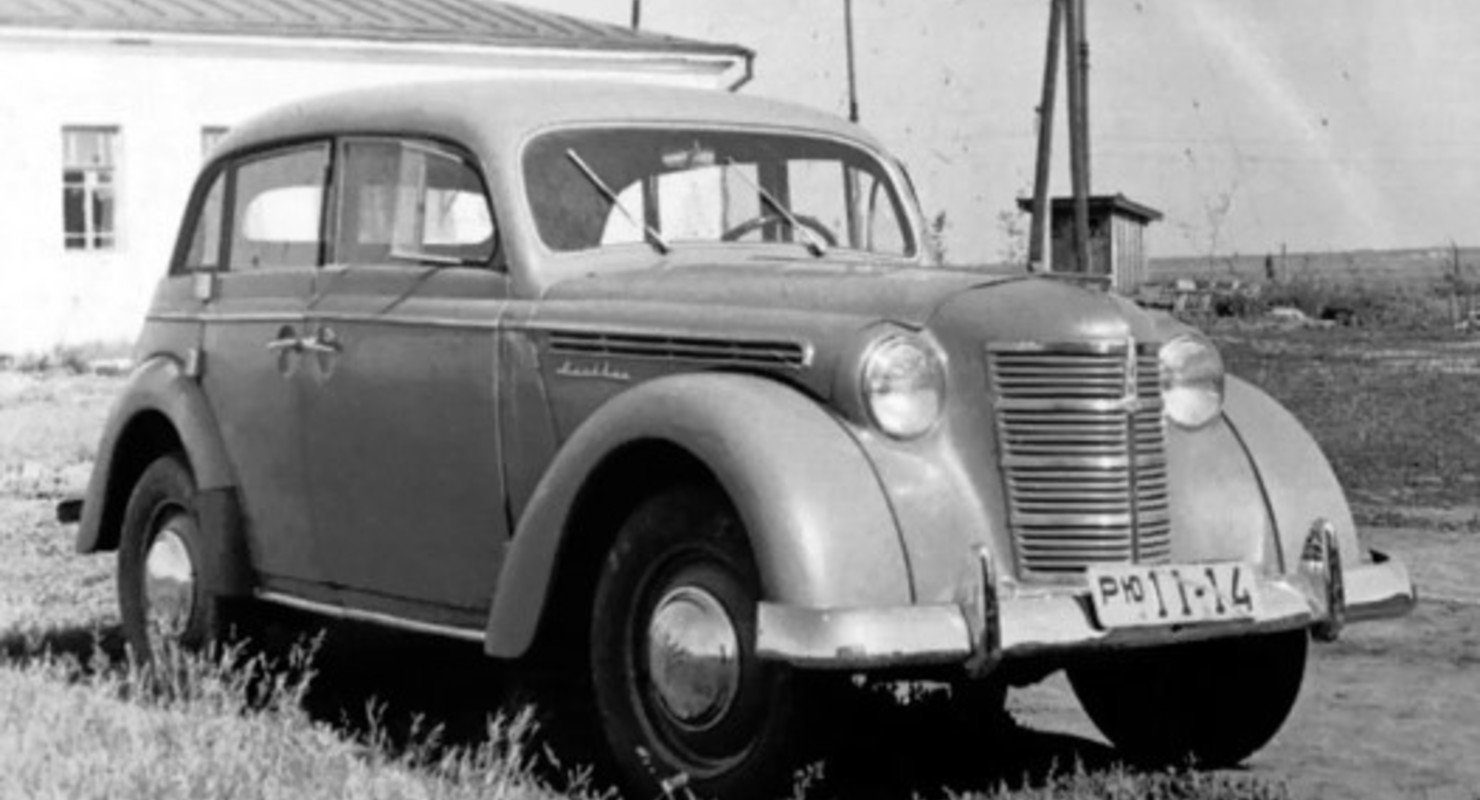
After the end of the Second World War, Soviet designers were given the task of developing a mass car, which, in terms of technical characteristics, would not be inferior to the German version of the Opel Cadet.

At the same time, instead of two doors, the car was supposed to receive four. Thus, the history of Moskvich-400 began. The first copy rolled off the assembly line in 1946. At the same time, state acceptance testing of the “four hundredth” began in 1949. Thus, for three years the car, being a production version, was approved retroactively.

Already in 1948, the vehicle began to be delivered to Finland. Later, the car appeared in Poland and China.

The people called this “German” simply – “Moskvich”. The car turned out to be quite successful and even epoch-making. The car was distinguished by good external design, as well as reliability. The model received an independent suspension, a monocoque body and hydraulic brakes.

At the same time, the “four hundredth” did not have direction indicators. “Moskvich” was completed with a wiper, which functioned due to the engine camshaft.

They asked for 8 thousand rubles for a four-door sedan. At that time it was quite a lot of money. The vehicle has been produced for nine years. At the same time, 250,000 cars rolled off the assembly line. Ten percent of the cars were exported.

Genetic history of the Europeans studied

0

Modern Europeans owe their blue eyes to hunter-gatherers, their height to Asian nomads and their blond hair to Anatolian Neolithic farmers, Maylonline reported.

Estonian and Italian researchers have looked at how ancient human crossbreeding has helped shape our bodies today, including which historical groups have contributed to higher or lower heart rate, cholesterol and body mass index.

Most of Europe’s modern genetic makeup has been shaped by movements over the past 10,000 years, when local hunter-gatherers mingled with arriving Anatolian farmers from present-day Turkey and Asian nomads or Pontic steppe shepherds. The latter originate from some lands of modern Bulgaria, Romania, Moldova, Ukraine, Russia and Kazakhstan.

European hunter-gatherers, Anatolian farmers, steppe shepherds and ancient Siberian populations have been divided for thousands of years and evolving in different directions. But when they finally got together, their genome came in contact, and the genetic variants that characterize each of them mingled. This found a study led by scientists from the University of Tartu, Estonia and the Universities of Turin and Padua.

Black hair color comes from Siberians and steppe herders, chestnut – from European hunter-gatherers. The Russians were the Anatolian farmers.

Blue eyes are a legacy of European hunter-gatherers and Anatolian farmers, green from Siberians. The steppe herdsmen were tall.

The more frequent heartbeat is from European hunter-gatherers and Siberian populations, and the calmer – from Anatolian farmers.

High cholesterol comes from steppe pastoralists and low cholesterol from European hunter-gatherers.

The higher body mass index is inherited from European hunter-gatherers, and the lower – from Anatolian farmers.

The researchers worked with data from more than 50,000 samples from the Estonian Biobank.

Europe was formed by the original hunter-gatherers, Anatolian farmers and a third major population – steppe pastoralists. These nomads seem to have invaded Central Europe during the Early Bronze Age, about 4,500 years ago. They introduced domesticated horses and bicycles. They originate from the pit culture of the Russian-Ukrainian steppes north of the Black Sea, the genomic study revealed. About 75 percent of the genome in Central Europe 4,500 years ago is from steppe pastoralists. It is from them that a healthy physique originates, with a tall stature and a larger hip and waist.

A study published in the journal Nature in 2015 found that large-scale migration of people from the lands north of the Black Sea to Eastern, Central and Western Europe began around 2800 BC.

The focus on Estonia is solely due to the availability of data there and their relative lack elsewhere.

Was Stalin a six-fingered agent, a billionaire and son of a prince?

0

The main myths about the “Leader of the Nations”

The leader of the USSR keeps his life a secret, and this gives rise to many legends about him

Yosif Dzhugashvili uses more than two dozen nicknames and names

On December 21, 1879 (actually December 18, 1878, but for some reason he later changed his date of birth, removing one year), Joseph Stalin was born. He has been in power for almost 30 years and there is hardly a figure in Russian history more mythologized than him. It is generally accepted that Stalin, as a young man, chose a biting last name and began to use it as a revolutionary pseudonym. But in fact he became Stalin at the age of 35. And before that he used over two dozen nicknames and names. There are many legends around his figures that are still popular today. Some appear in life, and others – in the post-Soviet period.

Ascetic / rich man

There are two opposing legends about Stalin’s finances. According to the first, Stalin was the greatest poor and ascetic of all rulers in history and had nothing but a tattered overcoat and pipe. According to another, Stalin is an Epicurean who organizes grand feasts, and the total value of the property he has is estimated at billions by today’s standards. As Secretary General, Stalin earned (by 1952) not much money – only 10 thousand rubles. And that’s all we know for sure about his finances.

It is true that his articles and books have been published in millions of copies in many languages ​​around the world, from which he receives significant royalties. However, he has nothing to spend on them. Since 1917 it has been entirely state-supported.

Of course, Stalin was the richest man in the USSR. Even high-ranking nomenklatura figures, with the exception of members of the Politburo, are legally allowed to have no more than one dacha. Stalin has at least 12, not counting office apartments. In addition, each is equipped with the latest technology: refrigerators, swimming pools, cinemas and more, plus a huge staff of security guards and servants.

Stalin’s garage was full of luxury vehicles.

Stalin does not have a personal car, but he has a garage full of luxury models from abroad. For a long time his favorite was the elite Rolls-Royce Phantom II. In the late 1930s, he switched to the armored Packard Twelve. In recent years, Stalin has traveled in a custom-made armored ZIS-115. At the same time, he is extremely indifferent to the external attributes of prosperity – expensive clothes, jewelry.

Secret spy

There is a widespread legend that Stalin was recruited by the Security Department before the revolution and collaborated with him as a secret informant. In fact, the Bolsheviks regularly suspect each other of “provocation,” but there are no facts in favor of Stalin’s work for the security department.

After the death of the Secretary General, this legend was circulated by Orlov-Feldbin, a former high-ranking NKVD officer who fled to America in the late 1930s. In one of the articles, Orlov wrote that Stalin organized repression against a number of old Bolsheviks, who learned about his sins as a young man, trying to use this fact in the struggle for power. However, almost all researchers and biographers of Stalin consider this a lie.

Great religiosity

After the collapse of the USSR, the legends of Stalin’s secret religiosity became extremely popular. According to rumors, during the war the Secretary General ordered a special plane to fly around Moscow with the Tikhvin Icon of the Mother of God on board, and that Stalin personally went to the prophetess Matron of Moscow (later canonized) to ask her for advice.

Both legends appeared in the early 1990s and have no reliable evidence, let alone the fact that such actions are not entirely in the spirit of Stalin. The official church also denies these legends, despite their widespread popularity. Stalin himself publicly stated that it was the seminary that made him a staunch revolutionary. In his time, not under Lenin’s, most churches were closed, and the ringing of bells was legally banned in cities on the pretext that it hindered workers.

Princely origin

During his lifetime, the legend of Stalin’s princely origins was extremely popular in Georgia. It is said that the real father of the Secretary General is not the drunken shoemaker Visarion Dzhugashvili, but Prince Yakov Egnatashvili, whom his relatives call Koba. As if in honor of him, Stalin took him as his underground pseudonym.

Unlike most Stalinist legends, this one cannot be unequivocally refuted. True, Egnatashvili is not a prince, but only a rich merchant and owner of vineyards. Stalin’s mother Catherine worked for some time as a laundress in his house and they have a very close relationship. For example, Koba is the godfather of Stalin’s two older brothers, who died in infancy. Later, when Joseph left his family and went wandering, Egnatashvili helped Ekaterina with money, and thanks to his help, she paid for Stalin’s education.

In many sources one can read claims that Stalin had six toes on one foot. This legend is so widespread that it is found even in some serious research. However, none of those who know him and observe him in everyday life mentions this feature. And most importantly, the doctors who performed the autopsy on Stalin’s body after his death also did not reflect this fact in a very detailed forensic report.

On scraps of DNA of one of the most famous Indians, his living great-grandson was found

0

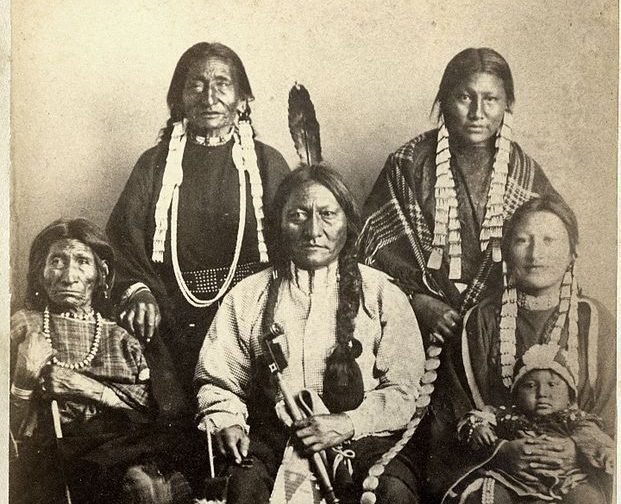
Scientists at the University of Cambridge used scraps of DNA from the scalp of a chieftain named Sitting Bull and found his living great-grandson.

US citizen Ernie Lappoint was the great-grandson of the Sitting Bull chief – he became one of the most famous Indians and was a key figure in the history of the indigenous resistance to the US military. He became one of the leaders of the tribal union in the early 1860s. The Sioux tribes have won several battles against the US regular army and volunteer troops.

It is known that the funeral of the leader was held in secret; only an undertaker and a military doctor were present at the ceremony, since he was killed by a lieutenant and a police sergeant. Relatives later exhumed the alleged remains and reburied the body closer to their homeland. As a result, the exact location of the grave could not be found.

To learn more about the personality of the leader and his descendants, scientists launched a project to extract DNA from his scalp. As a result, paleogenetics were able to restore only 0.8% of the genome, but this was enough to clarify its relationship with living people.

“We isolated a fairly large amount of DNA from the Sitting Bull’s hair and compared it with modern Sioux genomes. The results show that Ernie Lapointe is indeed Sitting Bull’s great-great-grandson and is his closest living relative.” (Eske Villerslev, professor at the University of Cambridge)

As a result, it was revealed that Lappoint and his four sisters are the closest modern descendants of Sitting Bull.

The authors hope that their work will help find the exact location of the Sitting Bull’s grave and resolve the serious controversy that still persists in American history.

Researchers Find Link Between Stroke And Vitamin Deficiency

0

Researchers at Johns Hopkins University have found a link between low levels of vitamin D in the body and the risk of stroke, reports the Express edition.

According to the researchers, vitamin D affects the health of the heart and blood vessels: a lack of it doubles the risk of an acute disturbance of the blood supply to the brain. Vitamin D is also associated with immunity, metabolism, and the functioning of other key systems in the human body.

This component appears in the epidermis of the skin due to exposure to ultraviolet rays, therefore its deficiency is often found in residents of those countries where there is little sunlight. Doctors said that during the winter months vitamin D can also be obtained from food: fatty fish, beef liver, eggs and yogurt.

Previously, scientists said that the introduction of intravenous vitamin C has a positive effect on the body’s fight against coronavirus. The experts concluded that vitamin C increased the rate of recovery from coronavirus by 70 percent compared to a placebo.

Physiognomy – how to read a person by the face

0
Physiognomy how to read a person by the face

Physiognomy is the area of ​​knowledge about the relationship between a person’s appearance and his character, health and lifestyle. Reading by faces is a necessary skill in the professional activities of creative professions, psychologists, politicians, salespeople, etc. The ability to read the character and emotions in appearance facilitates interpersonal communication and helps to understand the mood, and motives of the interlocutor and lies.

Facial analysis

By studying physiognomy, you will learn to form an idea of ​​a person even before he begins to speak. And imperceptible to the object of study. Researchers recommend paying attention only to natural (innate) facial features:

• face shape (oval, circle, square, etc.);

• face size;

• symmetry and arrangement of features;

• skin tone (pink, pale, etc.);

• relief;

• wrinkles.

Facial zones and proportions of Physiognomy

The proportions of the face zones give an idea of ​​what a person is guided by in making decisions: reason, feelings or instincts.

It is customary to distinguish three areas of the face (from top to bottom):

• intellectual;

• emotional;

• vital.

According to the study of physiognomy, the vital zone is the lower part of the face that starts from the line of the nostrils. It consists of lips, and chin and gives an idea of ​​the energy of a person.

Intelligent Zone

The forehead, eyes and eyebrows of a person speak of his intelligence. For example, a high forehead is a sign of intelligence, and a low forehead in combination with massive brow ridges indicates a narrow gaze of a person. The direction and depth of wrinkles in this area indicate a tendency to reflection, concentration and the ability to cognize the world.

Eyes are a source of information. What matters is the shape and fit of the eyes, the structure of the upper and lower eyelids, the location of the eyes relative to the bridge of the nose, etc. Each movement of the eyes, squinting, rolling, looking to the right or to the left speaks of the person’s thoughts at that moment.

Emotional Zone

Sensual and spiritual areas are reflected, according to studies of physiognomy, in the middle zone of the face: cheekbones, cheeks, nose, and lips. A person instantly reacts to what is happening by contracting the facial muscles. The nose wrinkles with disgust, and the wings of the nose swell with an overabundance of emotions. The lips either stretch into a smile, purse, or bite.

Dimples on the cheeks indicate that you have an extraordinary personality in front of you.

Vital zone

The lower area of ​​the face is responsible for gratifying instincts. The chin of a strong-willed person is well-defined and pushed forward. A weakly pronounced chin speaks of indulging instincts and desires. In difficult periods of life, a person’s jaw contracts, and the chin becomes heavier.

Reflection of age

A person’s life leaves an imprint on his face. If in youth we can talk about the natural potential of a person, then the wrinkles that appear on the face speak of the true character, always according to studies of physiognomy:

wrinkles of the mind lie horizontally in the forehead, they signal frequent headaches;

• wisdom forms a horizontal wrinkle above the eyebrows;

• surprise – frequent horizontal wrinkles on the forehead closer to the temples;

• stubbornness – wrinkles on the bridge of the nose and neck;

• horizontal wrinkle across the nasal bridge – loneliness or thyroid problems;

• wrinkles in the corners of the eyes indicate a person’s gaiety, if they resemble the sun’s rays, or scrupulousness, pettiness, if they are more like furrows;

• wrinkled nose tip – conservatism, unwillingness to accept new;

• a deep and well-defined groove above the upper lip indicates good health;

• radial folds around the mouth – shyness, suspiciousness, stomach problems, smoking;

• nasolabial folds are formed in pessimists or as a result of deep disappointment with life;

• vertical wrinkles on the side of the lips – self-doubt;

• indifference paves paths on the cheeks, like traces of tears;

• fear wrinkles the chin.

Reading by faces is a useful skill. However, one should not make unambiguous conclusions about a person only by his facial features.

Bibliography:

1. Volov V.V. The phenomenon of facial expression in psychology. \\ Bulletin of Tomsk State University. 2014. No. 388. S. 211-218.

2. Pogontseva DV The structure of an attractive external appearance: analysis of modern research // Scientific and methodological electronic journal “Concept”. – 2017. – No. 9 (September).

Shopping with the richest Cryptoqueen

0

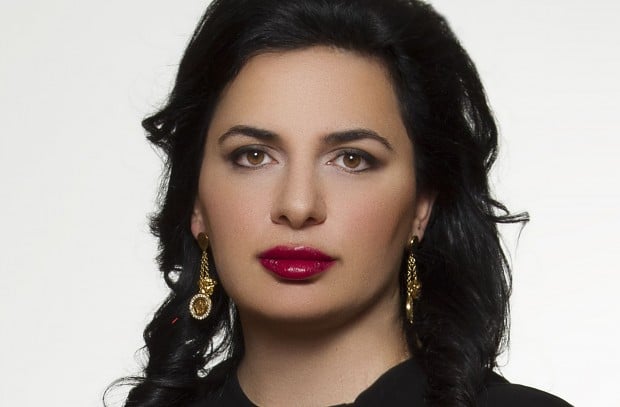
The poor men followed her, loaded like donkeys, barely holding their breath, each carrying 20 bags. This is how Ruzha Ignatova describes the return of a former porter of the building in the elite London district of Kensington from a tour of expensive boutiques and her Bulgarian bodyguards to her luxury apartment. With this incident in 2016, the BBC launched another investigation into the missing “crypto queen” Dr. Rouge, who found that through a company on the offshore zone on the island of Guernsey, the Bulgarian cryptoqeen owns a home for almost 13.5 million pounds in the British capital. .

The publication of the podcast “The Missing Cryptoqueen” this time is also part of the revelations in the “Pandora” Dossiers – a huge array of data on who is behind companies registered in offshore areas with hidden owners. The authors of the podcast promise more series in 2022.

The fraud of Ruzha Ignatova, who sold something non-existent – the cryptocurrency OneCoin – amounts to 4 billion euros and in Europe cases are already underway in several countries. A trial against her German lawyer, Martin Breidenbach, began on September 17 in Munster on charges of money laundering and transferring 20m euros to London to buy the luxury property.

Two others are facing charges of embezzling millions of euros in the scheme, which, according to the BBC, has cost more than 100 million pounds in the UK alone. There are also cases of major fraud against Ignatova in the United States, and her brother Konstantin has been arrested and is in prison. The authors describe that it was from Briedenbach’s case that the four-bedroom apartment with a movable roof pool in the building known as the Abbots House was found out.

According to an eyewitness account, the 650-square-meter apartment was full not only of purchases from luxury brands, but also of paintings by Andy Warhol and Michael Möbius. A photo shows a porcelain plate with the image of Ignatova herself. Later, it became clear from which London gallery works were bought for hundreds of thousands of pounds, raising the question of whether Ignatova deliberately did not invest money in jewelry, valuables and paintings that can be easily and quickly exported, so as not to be confiscated.

The key is the revelation that Ruzha Ignatova owned a property on British territory with the help of the offshore services company Aquitaine Group. The British investigation against the Bulgarian woman was terminated in September 2019, explaining that “no assets of OneCoin have been identified in the United Kingdom.” Two months later, in another case, the name of the company Abbots House Penthouse Limited appeared on the island of Guernsey. The American law firm Locke Lord with an office in London noticed something wrong with the source of the translation of 20 million euros.

The investigation leads to her former employee Mark Scott, against whom a lawsuit for money laundering is initiated in the USA and it is understood that Ruzha Ignatova’s companies gave the money for the purchase of the luxury property in Kensington, the BBC reports. She has rarely appeared in the apartment since 2016, a time when she seems to be looking to establish a lasting presence in London, as she opened an office in an expensive building near Hyde Park in an area where the elite caves of Mayfair, Knightsbridge and Victoria. A lavish celebration was organized for her 36th birthday at the Victoria and Albert Museum.

On October 25, 2017, Ruzha boarded a Ryanair plane from Sofia to Athens and disappeared without a trace. But in July 2018, her brother Constantine, who headed the fraud scheme after her, posted a selfie taken in the same apartment in Kensington. The investigation established that there was another smaller one-bedroom apartment for 1.9 million pounds in the building, in which their security guard lived.

Ruzha Ignatova’s name is again missing from the property registers in Great Britain, because the buyer is the offshore company from Guernsey. Constantine was arrested on March 6, 2019 at Los Angeles International Airport and charged with conspiracy to defraud. Frank Schneider, a former head of an intelligence agency in Luxembourg, arrested in France at the request of US authorities in April 2021 and awaiting a decision in November to extradite him, also appeared at the London address.

The EU must protect all children fleeing the war

0

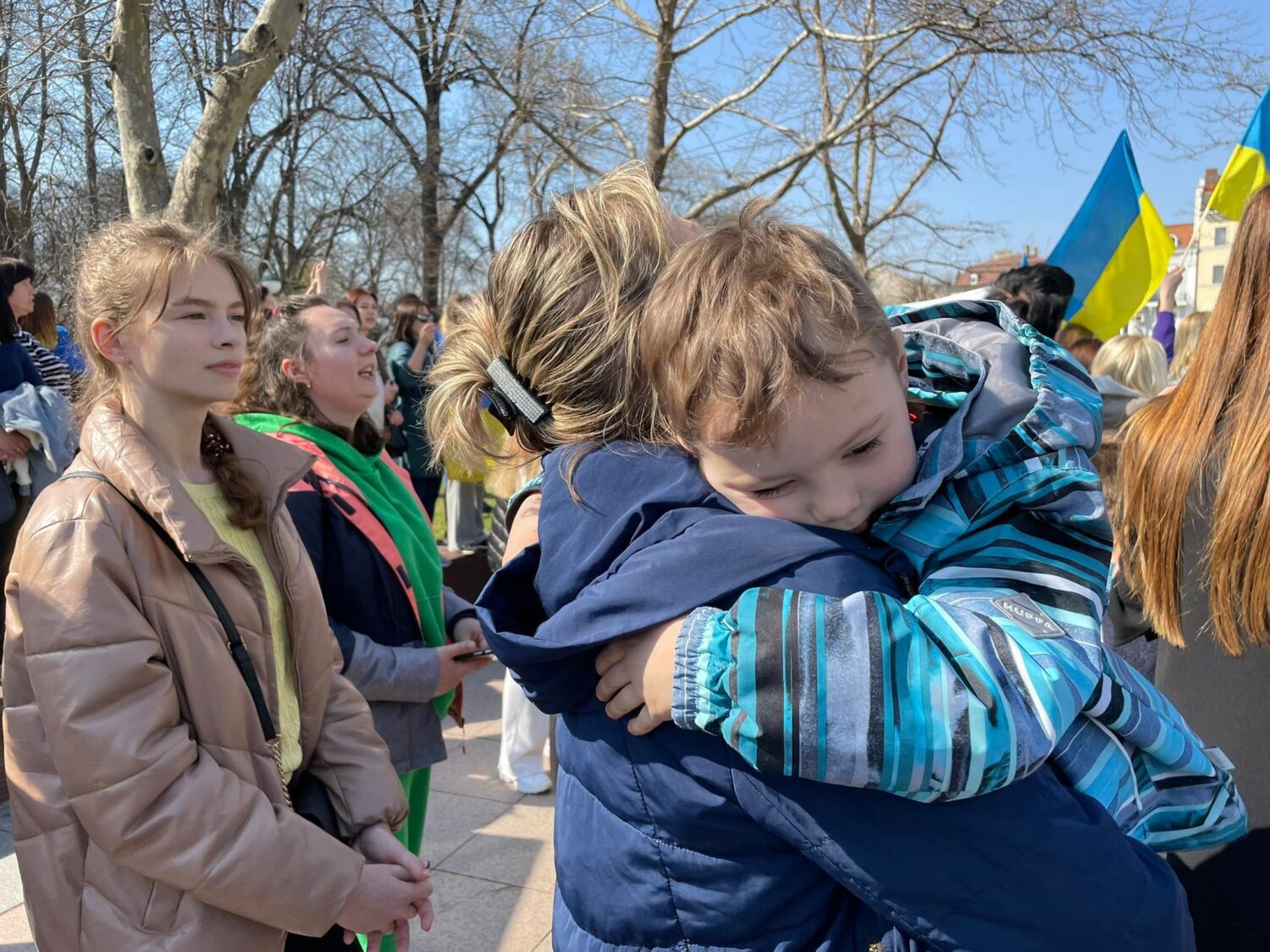
MEPs call for safe passage for children fleeing war in Ukraine, as well as help for IDPs and those unable to leave the surrounding areas

With 509 votes in favor, 3 against and 47 abstentions, the European Parliament adopted a resolution on Thursday recalling various measures needed to protect children and young people fleeing violence and to facilitate of their integration into the communities of the host countries.

“Every child has the right to be protected from violence, exploitation and abuse,” (7) MEPs said, calling on EU countries to protect children from trafficking, illegal adoption and other forms of abuse.

They recommend that child protection officers be present at the borders so that they can quickly and accurately identify vulnerable children and register their nationality as well as their specific needs. National child protection systems should offer services such as psychosocial support, maternal health support, protection against gender-based violence, family search and family reunification support, as well as full access to all basic services and appropriate care.

Unaccompanied and separated children and children placed in institutional institutions should be assigned a guardian. The child protection services in the host country should monitor their well-being and whereabouts upon arrival in the EU, the resolution said.

Host countries should provide them with the same access to education and health care on an equal footing with other children in host countries, MEPs insist. They also advocate for relocation mechanisms that give priority to family reunification and the relocation of vulnerable children, such as the Solidarity Mechanism for EU-wide medical transfers to children and young people in need of immediate life-saving treatment and therapy.

MEPs call on EU countries to make the best use of available EU funds to support the socio-economic integration of refugees and protect them from discrimination and social exclusion. If necessary, additional resources should be provided, the text adds.

Since Russia’s invasion of Ukraine, more than four million people have fled their homes and sought refuge, mostly in the EU’s neighboring countries, namely Poland, Romania, Hungary, Slovakia and the Czech Republic, as well as the Republic of Moldova. According to UNICEF, almost half of the fugitives are minors and in need of increased protection, as there is a greater risk of being trafficked and exploited.

At the same time, MEPs have decided that EU countries that have sheltered people fleeing the Russian invasion of Ukraine will receive 3.4 billion euros immediately.

After Parliament gave the green light during the last plenary session to redirect EU funds for regional development and asylum to EU countries sheltering people fleeing the Russian invasion of Ukraine, MEPs adopted additional urgent measures to support them.

With 549 votes in favor, 1 against and 8 abstentions, Parliament agreed to immediately allocate around € 3.4 billion (out of the available € 10 billion) from the REACT-EU funds and to speed up EU governments’ access to infrastructure, housing, equipment, employment, education, social inclusion, health and childcare for refugees.

The new rules will increase the initial pre-financing of REACT-EU funds from 11% to 15% for all EU countries. EU countries bordering Ukraine (Hungary, Poland, Romania and Slovakia) and those that have received a significant number of refugees from Ukraine, equal to more than 1% of their population (Austria, Bulgaria, the Czech Republic and Estonia), can receive 45% (instead of 11%) of the refund immediately, without the need to present invoices at this time.