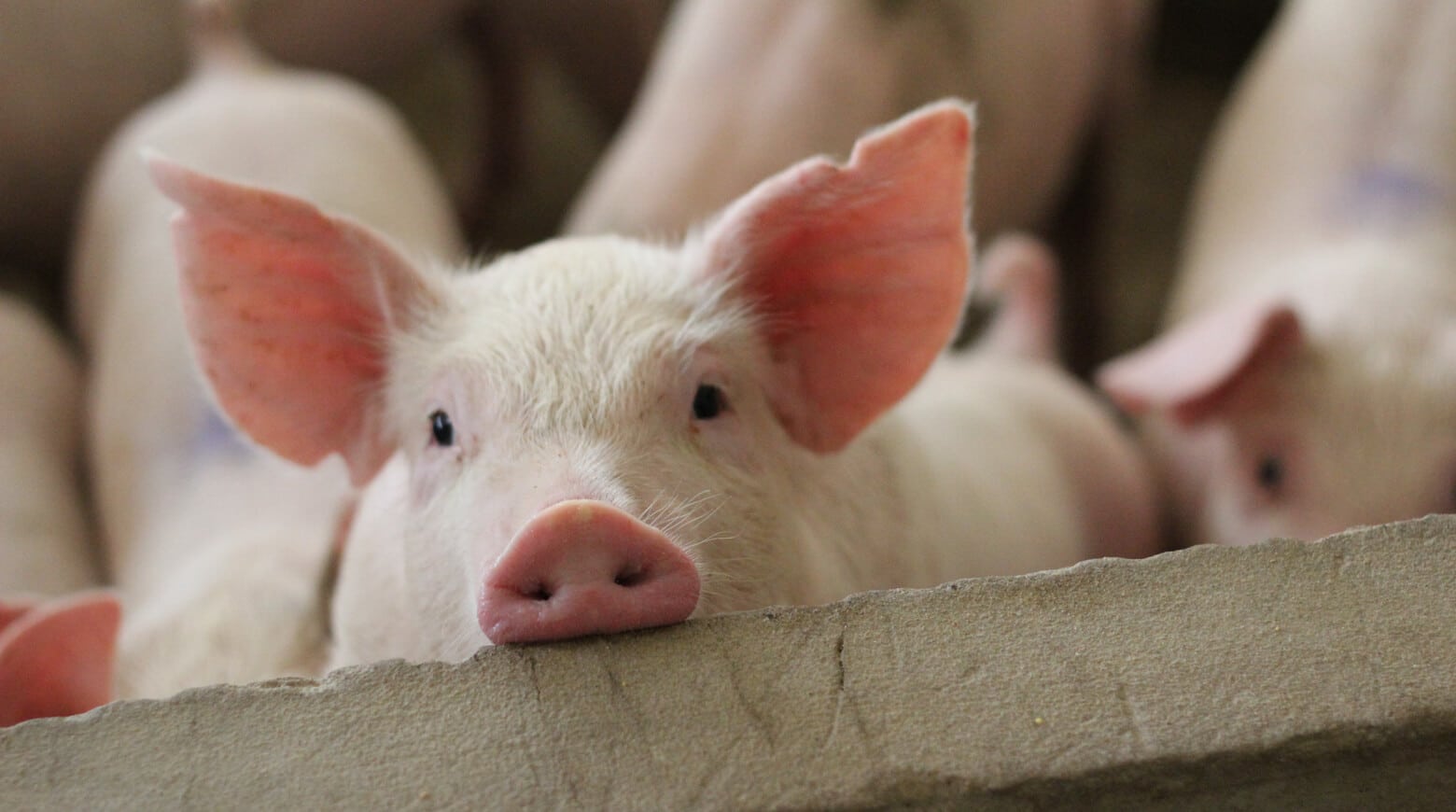
When infected with the novel coronavirus, pig cells undergo a kind of strategic suicide called apoptosis, which kills the infected cells and stops them from spreading the virus.
SARS-CoV-2, the novel coronavirus that causes COVID-19, is itself considered a zoonotic disease — that is, it comes from animals. With this, many agree, although exactly how he made the “leap” to humans remains a matter of debate.
Since it is a zoonotic disease, it is not surprising that many animal species can also become infected with the virus. In particular, cats, dogs, ferrets, minks, deer, tigers and hamsters. In addition, it is known that animals can contract the disease from humans. From the very beginning of the pandemic, scientists have known that pigs can also become infected with the coronavirus – however, they never get sick and do not become contagious.
For scientists, this was an exciting discovery. After all, if pigs can contract the coronavirus but not get sick, then their neutralizing antibodies could perhaps be used as a model to study the immunogenicity of the virus.
Why are pigs so resistant to the new coronavirus?
To find out, the scientists injected samples of the virus into cell cultures derived from the respiratory epithelium of humans and pigs. While the human cell culture worked as expected, the pig cell culture did not. In fact, in response to infection with SARS-CoV-2, pig cells simply died – the nuclei of their cells were torn into fragments.
This type of controlled cell death is called apoptosis, and although the term “cell death” may sound intimidating, it actually means that infected cells do not spread the infection to other cells, but simply die, stopping the infection in its path, causing minimal tissue damage.
This phenomenon is not unique to pigs. It is known that similar processes occur in humans, but pig cells do this 100 times more actively.
Instead of apoptosis, human cells are much more likely to undergo a process known as necrosis. This is another form of cell death, but unlike apoptosis, it is much less controllable. When a cell undergoes necrosis, it releases its contents into the environment. This leads to a very strong hyperimmune response.
In other words, necrosis is bad, while apoptosis can quickly clear an infection without triggering an overreaction of the immune system.
Why are pigs better at apoptosis than humans?
Study author Luis Jiménez-Lirola, an assistant professor of veterinary diagnostics and food animal medicine at Iowa State University, has a theory.
“We don’t want to draw exaggerated conclusions, but this response is probably something inherent in the immune system of pigs, which is innate, not acquired,” the scientist said.
According to him, further research in pigs may find solutions in the field of therapeutic treatment of people with coronavirus – drugs will trigger apoptosis, avoiding severe symptoms and promoting recovery.
To do this, the team behind the study will work to identify all the different genes that are activated in the process. Since coronavirus infections in animals can lead to the potential development of new variants, finding ways to control this virus in all types of infected species is a top priority in the fight against the COVID-19 pandemic.
The European Commission welcomes Friday’s agreement by the Council to adopt a fifth package of restrictive measures against Putin’s regime in response to its brutal aggression against Ukraine and its people. Together with the four previous packages, these sanctions will further contribute to ramping up economic pressure on the Kremlin and cripple its ability to finance its invasion of Ukraine. These measures are broader and sharper, so that they cut even deeper into the Russian economy. They have been coordinated with international partners.
The Commission and the EEAS are working on additional proposals for possible sanctions, including on oil imports, and are reflecting on some of the ideas presented by Member States, such as taxes or specific payments channels, such as an escrow account. Beyond sanctions, the EU has made it clear that reducing our dependence on energy imports from Russia is an urgent imperative. The Commission announced in its REPower Communication of 8 March a strategy to reduce dependence on Russian fossil fuels as soon as possible and work has started to implement this plan.
Today’s package contains the following six elements:
1) Coal ban
An import ban on all forms of Russian coal. This affects one fourth of all Russian coal exports, amounting to around €8 billion loss of revenue per year for Russia.
2) Financial measures
A full transaction ban and asset freeze on four Russian banks, which are now totally cut off from the markets. They represent 23% of market share in the Russian banking sector and will, therefore, further weaken Russia’s financial system.
A prohibition on providing high-value crypto-asset services to Russia. This will contribute to closing potential loopholes.
A prohibition on providing advice on trusts to wealthy Russians, making it more difficult for them to store their wealth in the EU.
3) Transport
A full ban on Russian and Belarusian freight road operators working in the EU. Certain exemptions will cover essentials, such as agricultural and food products, humanitarian aid as well as energy.
An entry ban on Russian-flagged vessels to EU ports. Exemptions apply for medical, food, energy, and humanitarian purposes, amongst others.
4) Targeted export bans
Further targeted export bans – worth €10 billion – in areas in which Russia is vulnerable due to its high dependency on EU supplies. This includes, for example, quantum computing, advanced semiconductors, sensitive machinery, transportation and chemicals. It also includes specialist catalysts for use in the refinery industry. This will continue to degrade Russia’s technological base and industrial capacity.
Adding jet fuel and fuel additives, which may be used by the Russian army, to the existing export ban.
5) Extending import bans
Additional import bans – worth €5.5 billion – including cement, rubber products, wood, spirits (including vodka), liquor, high-end seafood (including caviar), and an anti-circumvention measure against potash imports from Belarus. These measures will also help to close loopholes between Russia and Belarus.
6) Excluding Russia from public contracts and European money; legal clarifications and enforcement
Full prohibition on the participation of Russian nationals and entities in procurement contracts in the EU. Limited exceptions may be granted by the competent authorities where there is no viable alternative.
Restriction on financial and non-financial support to Russian publicly owned or controlled entities under EU, Euratom and Member State programmes. For instance, further to measures previously announced in research and education, the Commission will terminate participation in all ongoing grant agreements to Russian public bodies or related entities, and suspend all related payments, under Horizon 2020 and Horizon Europe, Euratom, and Erasmus+. No new contracts or agreements with Russian public bodies or related entities will be concluded under these programmes.
Addressing various overlaps between export restrictions on dual-use items and advanced technologies and other provisions.
Extending to all official EU currencies the prohibitions on the export of banknotes and on the sale of transferrable securities.
The Commission also welcomes that an additional 217 individuals and 18 entities have now been sanctioned. This includes all 179 members of the so-called “governments” and “parliaments” of Donetsk and Luhansk. In total, 1091 individuals and 80 entities have been sanctioned since 2014.
Guidance on scrutinising foreign direct investments from Russia and Belarus
The Commission also published guidance on 5 April for EU Member States on assessing and preventing threats to EU security and public order from Russian and Belarusian investments. The guidance highlights the increased risk from investments subject to Russian or Belarusian government influence in the context of Russia’s invasion of Ukraine. It calls for close cooperation between authorities involved in investment screenings and those responsible for the enforcement of sanctions. Member States are called upon to urgently set up comprehensive investment screening mechanisms if they have not done so already. They are also called upon to enforce anti-money laundering rules to prevent the misuse of the EU financial system by investors from Russia and Belarus.
Background
Today’s agreement builds on the wide-ranging and unprecedented packages of measures the EU has been taking in response to Russia’s aggression against Ukraine’s territorial integrity and mounting atrocities against Ukrainian civilians and cities.
As guardian of the EU Treaties, the European Commission is in charge of monitoring the enforcement of EU sanctions across the Union. The EU stands united in its solidarity with Ukraine and will continue to support Ukraine and its people together with its international partners, including through additional political, financial and humanitarian support.
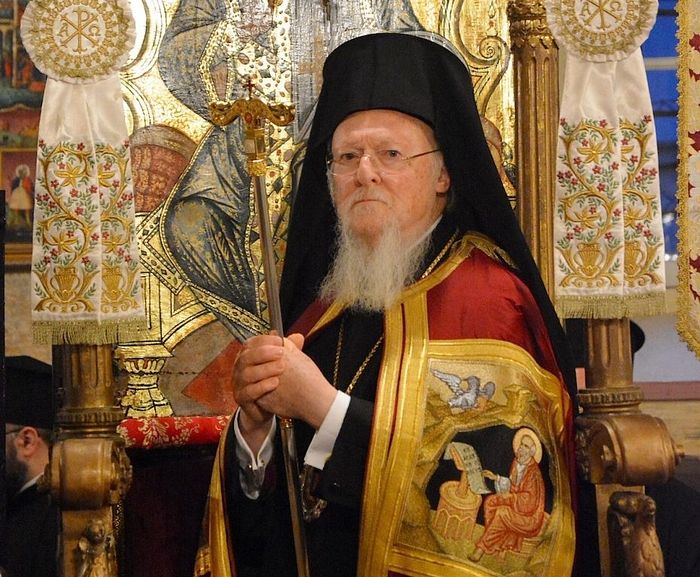
In an interview, Patriarch Bartholomew, also spoke of his visits to other churches around the world: “Our visits are a pleasant obligation, in all cases a response to fraternal invitations, and are a continuation of this” march of love “begun by my late predecessor, the patriarch Demetrius, [on the patriarchal throne from 1972 to 1991] and before him Patriarch Athenagoras. [On the patriarchal throne from 1948 to 1972] The extremely exciting way in which the Ecumenical Patriarch is greeted everywhere by local church pastors and the pious flock, and by the rulers in the various countries, testifies to their sincere desire to communicate with him, on whose shoulders many places many hopes. As is well known, Orthodoxy today faces difficult problems and too many threats – mostly from the outside, but also from the inside, unfortunately. The personal communication between the superiors and in general between the church pastors and the joint prayer with them and with the people, the meeting in the spirit of love and mutual help and, finally, the joint search and formulation of the Orthodox answers to challenges of our time, which are largely non-Orthodox. even anti-Orthodox, are the first priority of our patriarchate. We intend to continue to pay great attention to them to the best of our ability. “
November 2, 2021, marked the thirtieth anniversary of the enthronement of Ecumenical Patriarch Bartholomew of Constantinople, the 270th bishop of Byzantium, then Constantinople, now Istanbul, and for the Bulgarians and other Slavs – Constantinople. Impressive what Patr. Bartholomew says in his enthronement: that he takes “the cross of the holy apostle Andrew the First-Called (the first bishop of Byzantium) in the constant ascent on the way to the place of death, so that we may be crucified with the Lord and His crucified Church, to preserve the light of the Resurrection! ” And further: “Remaining in deep awareness of our unworthiness and humility and seeing how difficult it is to bear this cross that we take, we resort to the mercy of the Lord and call on His grace, so that in our weakness His power may be fully manifested. [1 Cor. 12: 9]
He was born and raised in Turkey. After graduating from the Theological School on the island of Halki (Hebeili-ada) in the Sea of Marmara and five years of scientific specialization in Italy, Germany and Switzerland, he returned to Turkey and has been living and working in various positions for fifty years. the lowest to the highest in the Patriarchate of Constantinople. All this time he has been a loyal citizen of his earthly homeland. Therefore, upon taking office as patriarch, he feels obliged to declare: “We assume our obligations under the protection of the Constitution and the laws of the Republic of Turkey. Continuing the centuries-old tradition of the patriarchs after the conquest (of Constantinople by the Ottoman Turks); We will remain a faithful and loyal citizens of this country, as are our local spiritual children of the Church, doing God’s works and on behalf of Gentlemen, we will honestly and sincerely give Caesar’s things to Caesar. [Matt. 22:21] We believe that in this place it is our responsible duty to state clearly that the Ecumenical Patriarchate remains a purely spiritual institution and a symbol of reconciliation.
The structure of the Orthodox Church as a community of independent local (autocephalous local) churches, united by a single faith and its respective cult, is peculiar. The individual churches, members of this community, recognize among themselves only the subordination of honour, but not of authority. And every act of electing a new head in a separate local church is legalized at the inter-Orthodox level with its very announcement, announced by the church in which the change took place, to the other churches. This was done in writing after his election by the newly elected Ecumenical Patriarch of Constantinople Bartholomew. But the interesting thing is that even in his enthronement in his throne speech he mentioned the heads of the other thirteen local churches: Patriarch Parthenius of Alexandria, Patriarch Ignatius of Antioch, Patriarch Diodorus of Jerusalem, Patriarch Alexy of Moscow, Patriarch Maxim of Serbia, Patriarch of Serbia Georgian Patriarch Elijah, Archbishop Chrysostom of Cyprus, Archbishop Seraphim of Greece, Metropolitan Basil of Warsaw, Archbishop Anastasius of Albania, Metropolitan Dorothea of Prague. He calls them “many brothers and co-workers around the altar of one and inseparable Orthodoxy.” In this way, he recognizes all other heads of Orthodox churches and asks for their recognition. He continues: “Before them and before the whole Church under heaven with boldness and a joyful spirit we profess the holy and immaculate Orthodox faith – this living experience of the centuries-old body of Christ, as this faith springs from Divine Revelation, the Old and New Testaments, and as was transmitted by the Lord through the spiritual holy apostles and was formulated in the definitions of the seven holy ecumenical councils by our God-bearing fathers, and was expressed and interpreted by them and by the Church writers recognized by the Church, and – to put it briefly – we unreservedly profess the faith of One, the Holy, Ecumenical and Apostolic Church. United by this common faith and the common Holy Grail, and by our loving faith, we extend a hand of fellowship to our venerable fellow presbyters and promise that in shared responsibility we will bear our witness in a world that is divided but divided. and longs for unity and reconciliation as perhaps never before in its history. “
The exceptional ability of Ecumenical Patriarch Bartholomew to judge accurately and to think in perspective makes him, even in his enthronement, which coincides with the beginning of political changes in Central and Eastern Europe, express empathy for democratic processes and hope for a better future for those affected. nations, most of whom are Orthodox by faith: “This testimony of Orthodoxy is all the more necessary and urgent today when God’s providence has allowed us to see rapid changes and at the same time cosmogonic development in the lives of the peoples of the world. bring modern man the hope of a better future of peace, freedom and respect for human dignity. These rapid social upheavals have occurred or are still occurring to a large extent in countries and among nations that are traditionally Orthodox. That is why the Orthodox Churches are mostly more influenced by them. As a result, it is natural for the Orthodox Churches to feel called to be vigilant, seek cooperation and contribute so that these processes are truly for the benefit of the people who have suffered greatly in our century. Orthodoxy still has too much to contribute to today’s world. Orthodoxy has not only the right faith in the true God but also the right understanding of man as the image of God, as well as of the world and creation.
In his quest to follow the path of the apostles of Jesus Christ, who spread faith in Him among the unbelieving world, and not forgetting the realities of modern society, Patr. Bartholomew declares his readiness: “We will not neglect, if necessary, the opportunity to have a dialogue even with those who do not know or deny, even with those who blaspheme God, as well as with them – especially with them! – give our testimony of the love of Christ, Who abandoned the ninety-nine to seek one, because for this one Christ was crucified too!… We send a special fatherly greeting and our heartfelt patriarchal blessing to the youth, which is not only the future but our dynamic present, insofar as there is no future without the present. From the Mother Church, we express the infinite and sincere sympathy of our Church, as well as our personal sympathy for the problems of the modern youth all over the world and we, make them our own problems. ”[Cf. Matt. 18:12]
Biographical reference
Ecumenical Patriarch Bartholomew was born on the island of Imbros, Turkey (south of the Dardanelles), in 1940 as Dimitrios Archondonis. He received his primary education in his hometown, then studied at the Zografova (named after the donor Hristaki Zografos, a Greek banker in Paris) lyceum in Constantinople, and finally graduated with honours from the Higher Theological School on the island of Halki.
In 1961 he was ordained a hierodeacon and given the name Bartholomew. He continued his studies in Rome, Bose (Switzerland) and Munich, specializing in ecclesiastical law (1963-1968). He received a doctorate in ecclesiastical law from the Institute for Oriental Studies in Rome for a dissertation on “Codification of Sacred Canons and Canonical Provisions in the Orthodox Church.” In 1968 he was appointed assistant rector of the Halkin Theological School. The following year he was ordained a hieromonk and elevated to the rank of archimandrite by Patr. Athenagoras († 1972). From 1972 he became head of the personal office of Patr. Dimitri, with which he gained managerial experience and received the opportunity for indirect participation in the affairs of the Patriarchate. In 1973 he was ordained a bishop and received the title of Metropolitan of Philadelphia, and in 1990 he was promoted to senior metropolitan (“geronto”) of Chalcedon. From 1974 until his election as patriarch, he was a member of St. Synod and a number of synods commissions. He represented the Ecumenical Patriarchate of Constantinople in the World Council of Churches, and participated in numerous official delegations. As a representative of the Ecumenical Patriarchate, he has visited local Orthodox churches and other churches and denominations, as well as the dioceses of the Patriarchate in dispersion on different continents, as well as on Mount Athos, and has participated in many scientific conferences.
On October 22, 1991, he was unanimously elected by the extended staff of St. Synod in Istanbul for “Archbishop of Constantinople, New Rome, and Ecumenical Patriarch”, as is his full title. The enthronement took place on November 2 this year.
Many universities around the world have declared him an honorary doctor of science.
Among his main concerns is the development of inter-Orthodox unity, for which purpose he convened a series of meetings of the heads of the local Orthodox churches. He had set the goal of his life to finally hold an all-Orthodox council, which had been intensively prepared since 1960 and took place in June 2016 on the island of Crete, Greece, although boycotted by some local churches, among whom was the BOC. At the end of 2018, there was a big rift with the Moscow Patriarchate due to the autocephaly of some of the Orthodox jurisdictions in Ukraine under the name “Autocephalous Orthodox Church in Ukraine”, and thus seriously violated the all-Orthodox unity and interaction.
Great interest patriarch Bartholomew is also committed to protecting the environment, which is why some call him the “green patriarch.” One of its main goals is to restore the activities of the Higher Theological School on the island of Halki.
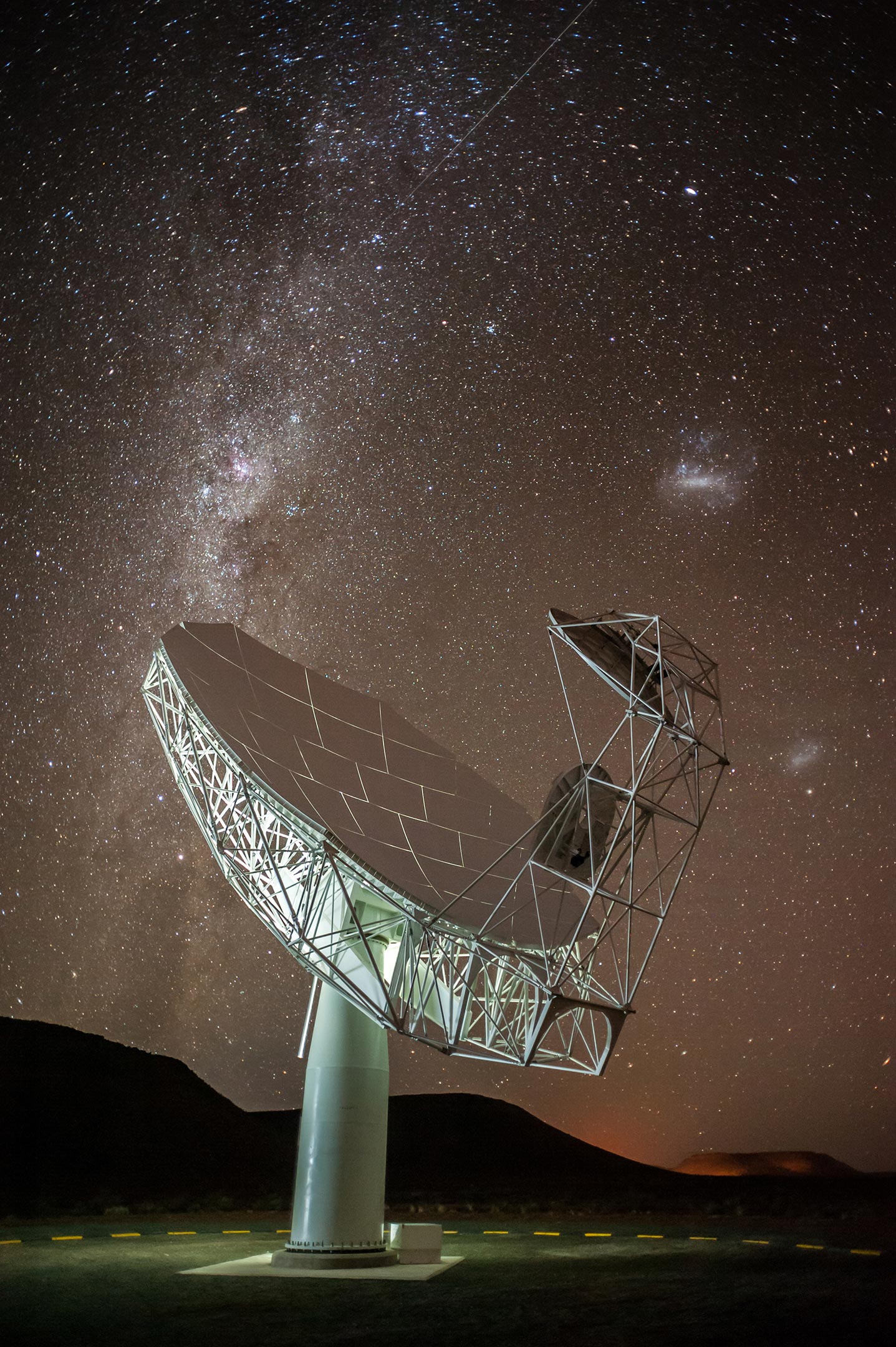
A powerful radio-wave laser, called a ‘megamaser,’ has been observed by the MeerKAT telescope in South Africa.
The record-breaking find is the most distant megamaser of its kind ever detected, at about five billion light years from Earth.
The light from the megamaser has traveled 58 thousand billion billion (58 followed by 21 zeros) kilometers to Earth.
The three-color optical image of the host galaxy of the hydroxyl megamaser, taken from the Hyper Suprime-Cam (HSC) on the 8.2 m Subaru Telescope. Credit: Subaru Telescope
The discovery was made by an international team of astronomers led by Dr. Marcin Glowacki, who previously worked at the Inter-University Institute for Data Intensive Astronomy and the University of the Western Cape in South Africa.
Dr. Glowacki, who is now based at the Curtin University node of the International Centre for Radio Astronomy Research (ICRAR) in Western Australia, said megamasers are usually created when two galaxies violently collide in the Universe.
“When galaxies collide, the gas they contain becomes extremely dense and can trigger concentrated beams of light to shoot out,” he said.
“This is the first hydroxyl megamaser of its kind to be observed by MeerKAT and the most distant seen by any telescope to date.
“It’s impressive that, with just a single night of observations, we’ve already found a record-breaking megamaser. It shows just how good the telescope is.”
The record-breaking object was named ‘Nkalakatha’ [pronounced ng-kuh-la-kuh-tah]—an isiZulu word meaning “big boss.”
Dr. Glowacki said the megamaser was detected on the first night of a survey involving more than 3000 hours of observations by the MeerKAT telescope.
The team is using MeerKAT to observe narrow regions of the sky extremely deeply and will measure atomic hydrogen in galaxies from the distant past to now. The combination of studying hydroxl masers and hydrogen will help astronomers better understand how the Universe has evolved over time.
“We have follow-up observations of the megamaser planned and hope to make many more discoveries,” Dr. Glowacki said.
MeerKAT is a precursor instrument for the Square Kilometre Array—a global initiative to build the world’s largest radio telescopes in Western Australia and South Africa.
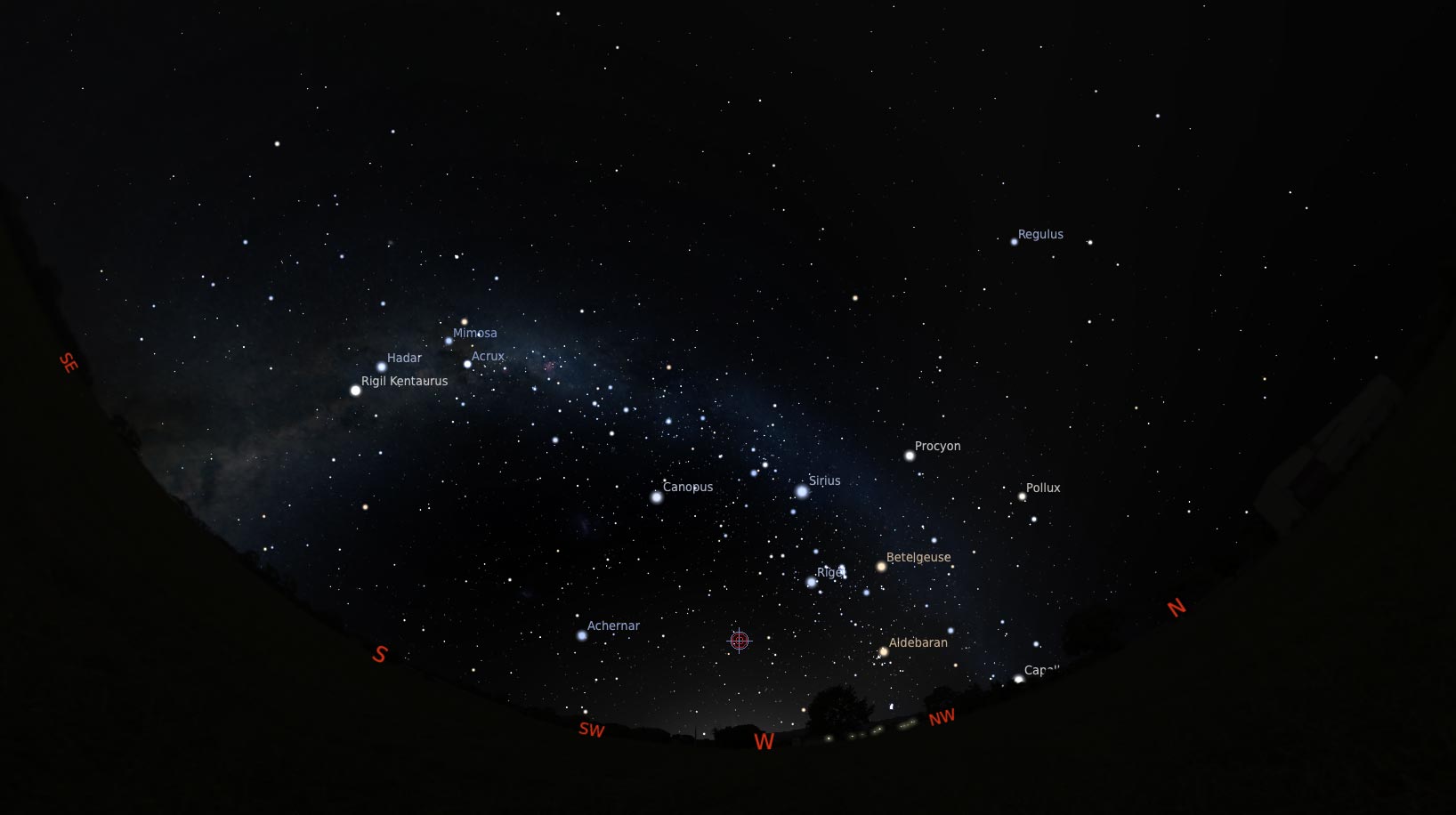
Nkalakatha’s host galaxy as viewed from Perth, Western Australia. It’s ~5 billion light years away and invisible to the naked eye, between Archernar and Aldebaran. Credit: ICRAR
Reference: “LADUMA: Discovery of a luminous OH megamaser at z>0.5” by Marcin Glowacki, Jordan D. Collier, Amir Kazemi-Moridani, Bradley Frank, Hayley Roberts, Jeremy Darling, Hans-Rainer Klöckner, Nathan Adams, Andrew J. Baker, Matthew Bershady, Tariq Blecher, Sarah-Louise Blyth, Rebecca Bowler, Barbara Catinella, Laurent Chemin, Steven M. Crawford, Catherine Cress, Romeel Davé, Roger Deane, Erwin de Blok, Jacinta Delhaize, Kenneth Duncan, Ed Elson, Sean February, Eric Gawiser, Peter Hatfield, Julia Healy, Patricia Henning, Kelley M. Hess, Ian Heywood, Benne W. Holwerda, Munira Hoosain, John P. Hughes, Zackary L. Hutchens, Matt Jarvis, Sheila Kannappan, Neal Katz, Dušan Kereš, Marie Korsaga, Renée C. Kraan-Korteweg, Philip Lah, Michelle Lochner, Natasha Maddox, Sphesihle Makhathini, Gerhardt R. Meurer, Martin Meyer, Danail Obreschkow, Se-Heon Oh, Tom Oosterloo, Joshua Oppor, Hengxing Pan, D. J. Pisano, Nandrianina Randriamiarinarivo, Swara Ravindranath, Anja C. Schröder, Rosalind Skelton, Oleg Smirnov, Mathew Smith, Rachel S. Somerville, Raghunathan Srianand, Lister Staveley-Smith, Masayuki Tanaka, Mattia Vaccari, Wim van Driel, Marc Verheijen, Fabian Walter, John F. Wu and Martin A. Zwaan, Astrophysical Journal Letters. arXiv:2204.02523
Inter-University Institute for Data Intensive Astronomy
The Inter-university Institute for Data Intensive Astronomy is a partnership of three South African universities, the Universities of Cape Town, of the Western Cape and of Pretoria as well as the South African Radio Astronomy Observatory. The overarching goal of IDIA is to build within the South African university research community the capacity and expertise in data intensive research to enable global leadership on MeerKAT large survey projects and large projects on other SKA pathfinder telescopes.
ICRAR
The International Centre for Radio Astronomy Research (ICRAR) is a joint venture between Curtin University and The University of Western Australia with support and funding from the State Government of Western Australia.
MeerKAT
The South African MeerKAT radio telescope, situated 90 km outside the small Northern Cape town of Carnarvon, is a precursor to the Square Kilometre Array (SKA) telescope and will be integrated into the mid-frequency component of SKA Phase 1. The MeerKAT telescope is an array of 64 interlinked receptors (a receptor is the complete antenna structure, with the main reflector, sub-reflector and all receivers, digitizers, and other electronics installed). The MeerKAT is built and operated by the South African Radio Astronomy Observatory.
The Square Kilometre Array
The Square Kilometre Array (SKA) project is an international effort to build the world’s largest radio telescope, with eventually over a square kilometer (one million square meters) of collecting area.
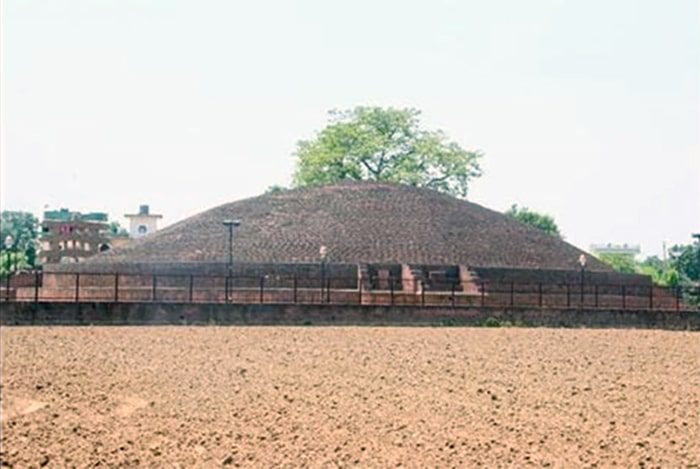
The historical Buddhist Stupa or brick Stupa built 2,400 years back by Mauryan king Ashoka, in Haryana’s Yamunanagar, is scheduled to get a makeover with beatification works set to begin.
The practice of building stupas spread with the Buddhist doctrine to Nepal and Tibet, Bhutan, Thailand, Burma, China and even the United States where large Buddhist communities are centered. While they have changed in form over the years, their function remains essentially unchanged. Stupas remind the Buddhist practitioner of the Buddha and his teachings almost 2,500 years after his death.
For Buddhists, building stupas also has karmic benefits. Karma, a key component in both Hinduism and Buddhism, is the energy generated by a person’s actions and the ethical consequences of those actions. Karma affects a person’s next existence or re-birth. For example, in the Avadana Sutra ten merits of building a stupa are outlined. One states that if a practitioner builds a stupa he or she will not be reborn in a remote location and will not suffer from extreme poverty. As a result, a vast number of stupas dot the countryside in Tibet (where they are called chorten) and in Burma (chedi).
The historical Buddhist Stupa built 2,400 years back by Mauryan king Ashoka, in Haryana’s Yamunanagar, is scheduled to get a makeover with beatification works set to begin.
The monument, spread across 100 sq-m in Chaneti village, dates back to third century BC, and is almost 8km away from the district headquarters. It is an important site of religious tourism for Buddhists around the world.
As per the department of archaeology and museum’s latest figures, the Stupa situated in the ancient city of Shrughna (modern Sugh) that lies in the jurisdiction of Amadalpur village, is among 39 state-protected monuments or sites in Haryana.
On Thursday, the cabinet minister of panchayat, archaeology and museums, Devender Singh Babli inspected the site and ordered a renovation of the place to the officials concerned.
“In view of the ever-visiting devotees from around the world, the minister ordered construction of a rest house in the village. The construction of a similar accommodation place was ordered earlier, but the work remains shut,” an official statement read.
According to the district administration’s website, to construct the Stupa, concentric layers were put one over the other, each time leaving some space on the underlying layer so that the whole structure should give a hemispherical look and four shrines in all directions near the old circumambulatory path (pradakshina path) were added during the Kushna period.
Banani Bhattacharya, deputy director of the archaeology department said this Stupa was among many places mentioned by Chinese pilgrim Yuan Chwang, in accounts of his travel.
“Following the minister’s inspection, the site will be beautified to add more plantations, availability of clean drinking water and public convenience for the visitors. We have sought an estimate from the public works department (PWD) and the work will commence soon,” she said.
This stupa clearly shows the link between his form and the body of the Buddha. The Buddha is represented at his moment of Enlightenment, when he received the knowledge of the Four Noble Truths (the dharma or law). He is making the earth touching gesture (bhumisparsamudra) and is seated in padmasan, the lotus position. He is seated in a gateway signifying a sacred space that recalls the gates on each side of monumental stupas.
Vitamin D plays an important role in health. How to properly combine it with other vitamins and minerals for maximum effect? Interactions of vitamin D supplements with other substances Moderate multivitamins and mineral supplements are not enough to provoke negative interactions. But if you are going to take supplements in high enough doses, it makes sense to consult a doctor.
Vitamin D Supplements
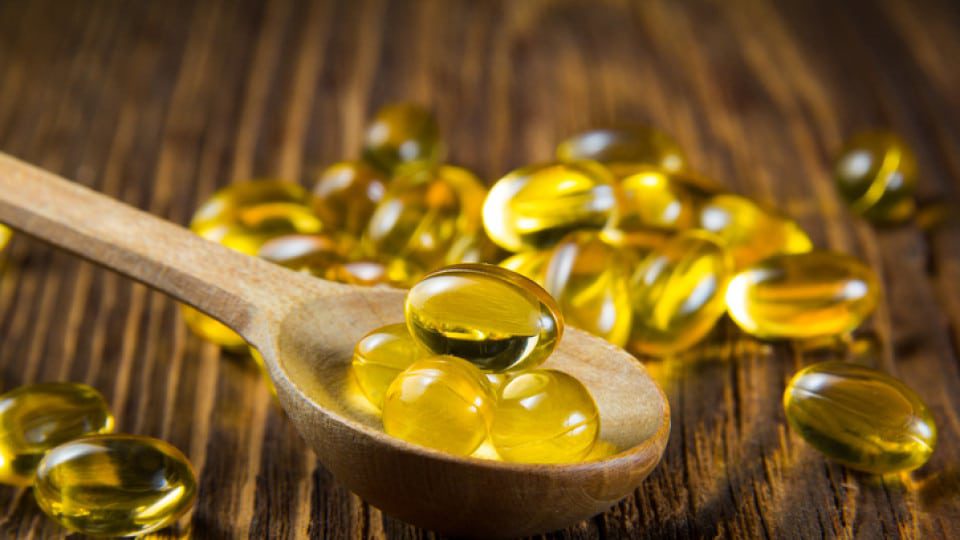
Vitamin D works by analogy with a hormone and can be produced by the body – provided there is enough sunlight and no difficulty in converting vitamin. D in its active form. This activation takes place in 3 stages: in the skin, then in the liver and finally in the kidneys. The most common supplements that people take are: Vitamin D, Fish Oil, Magnesium (Mg), Curcumin, Multivitamins, Probiotics, Vitamins C, B and Calcium (Ca). It is important to consider the relationship of vitamin D with: calcium (Ca), magnesium (Mg), vitamin A, vitamin E, vitamin K. There are certain interactions between vitamin D and Ca, and vitamin D is more important to increase calcium than simply adding Ca. The benefits of the “vitamin D + Calcium” combination are not limited to bone health. Co-administration of calcium and vitamin D improves glycemic status and lipid profile in patients with diabetes. Vitamin K may be another component that enhances this synergistic relationship between calcium and vitamin K and vitamin K. Both are critical for calcium homeostasis, vascular calcification, and bone health. Therefore, a reduction in vitamin K and D increases the likelihood of femoral fractures in the elderly, arterial stiffness, and hypertension. There are benefits to taking a combination of vitamin D, K and calcium for bone health. As a result, there is an increase in bone mineral density and bone mineral content.
The benefits of vitamin K are manifested when taken by women diagnosed with polycystic ovary syndrome. As a result, markers of triglycerides, VLDL cholesterol, and insulin metabolism are improved. Mg and vitamin D Sufficient content of vitamin D increases the absorption of minerals Ca, Mg, Zn, Cu, Fe. Mg acts as a cofactor of vitamin D during the synthesis, transport and activation of vitamin hormone. Therefore, to optimize the content of vitamin D requires a sufficient volume of Mg. Magnesium also interacts with calcium. As a rule, their ratios are not balanced due to the active consumption of Ca without the corresponding consumption of Mg. Plus, today’s diets are low in Mg due to the presence of processed foods.
Combined intake of Ca, Mg, Zn and Vit. D in women with hormonal imbalance leads to improved hormonal markers and markers of inflammation and oxidative stress. Vitamins A and D are antagonists Increased consumption of vitamins. A (retinol) in people with low vitamin D levels may increase the likelihood of fractures, especially in postmenopausal women. It interferes with vitamin D, which affects calcium homeostasis and bone health. Thus, excessive intake of vitamin A can affect vit. D.
Experts describe the phenomenon as “compassionate stress”
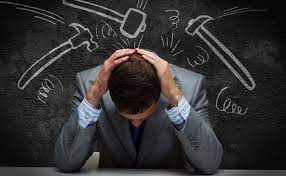
Stress, like yawning, can be contagious, DPA reported, citing the results of a German study.
Its authors from the Institute for Cognitive and Brain Science in Leipzig and their colleagues from the Dresden Institute of Technology have found that when a person observes another in a stressful situation, his body releases the stress hormone cortisol.
Experts describe the phenomenon as “compassionate stress”.
For the study, researchers subjected 151 people to stressors – various environmental factors that cause stress to the body, such as complex mental calculations or job interviews.
The test subjects were combined in pairs, either with a loved one or a stranger of the opposite sex, who watched them in “real life” through a one-way mirror or through a live video broadcast.
Overall, 26 percent of observers reported a “significant increase” in cortisol levels.
In particular, the increase was 40 percent when the test subject was a loved one compared to 10 percent for a stranger, and 30 percent in “real” observation versus 24 percent in “virtual” observation.
“This means that even television programs that show us other people’s suffering transmit this stress to us,” said Veronica Engert of the research team.
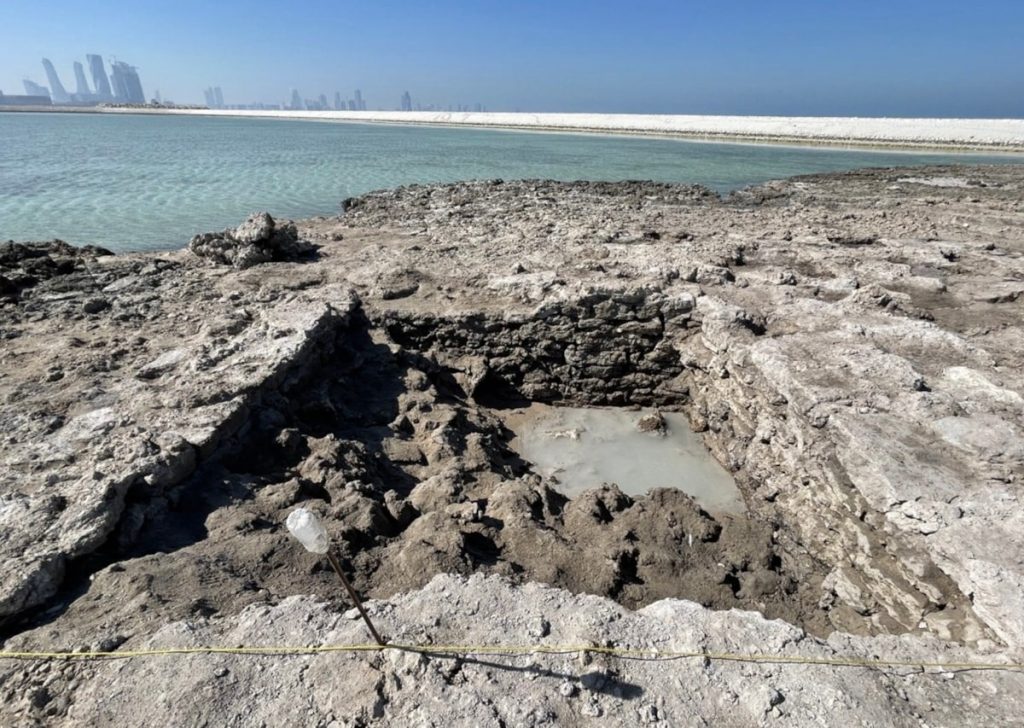
A team of British archaeologists led by Professor Robert Carter has found that Bahrain’s Al Sayyah Island was made by man about 1,200 years ago, reported The Daily Tribune from Bahrain.
Previously, researchers believed that the island appeared naturally as a result of some natural phenomenon, but the authors of the new work found that Al-Sayyah may be one of the oldest examples of the practice of creating artificial islands.
Archaeologists have determined that in order to build the island, people first created a cistern, in other words, a reservoir to collect fresh water that comes out of the seabed. It was a source of fresh water that people wanted to preserve. Next, they built a circular wall all around to create a small island. It is a little less than 20 m wide. People built another curved wall and the island turned out to be about 40 m wide.
Further, straight walls were erected on the southern and eastern sides of the island, they intersected at right angles, forming a pier. As a result, the length and width of the island were 60 m and 40 m, respectively.
Even on the island, old shells of pearl mollusks and ceramics of the 7th-8th centuries of our era were found. Also near the source of fresh water there was a special structure that helped to collect liquid. Perhaps the island was built in order to supply fresh water to divers.
The researchers noted that now Bahrain includes 51 natural and 33 artificial islands, which means that the status of Al-Sayah will have to be changed.
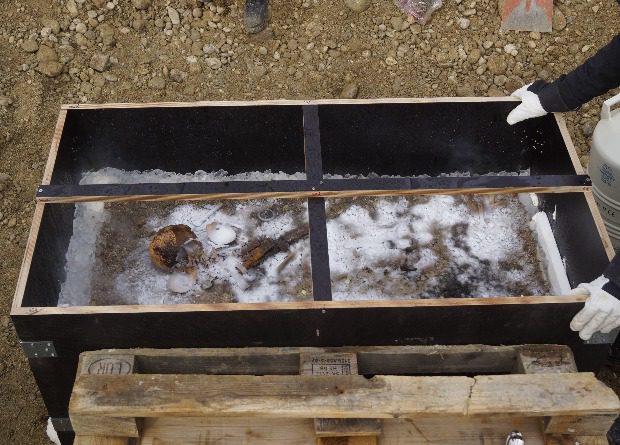
German archaeologists discovered in Bavaria a rich burial of a boy of the 7th century AD, at whose feet lay the remains of a dog. Inside the tomb were perfectly preserved gold and silver jewelry, a sword, the remains of leather and fabric products. To safely deliver the finds to the laboratory, the scientists had to freeze the contents of the chamber with liquid nitrogen. The results of the work are reported in a press release from the Office for the Protection of Monuments of Bavaria.
After the fall of the Western Roman Empire in AD 476, the Bavar tribe began to form in and around southern Germany. Presumably, it was formed from the remnants of the Celts, local Romans, part of the Frankish and Alemannic population and other Germans. Although the first mention of the Bavars by the Gothic historian Jordan dates back only to 551, around 555 they organized a tribal duchy dependent on the Franks. In the 7th-8th centuries, the Bavars adopted Christianity, which led to a change in funeral traditions. People were increasingly buried without equipment, and burial complexes became smaller.
Field conservation takes an important place in the work of archaeologists. It is a series of temporary measures aimed at preserving the integrity of the finds immediately after their discovery. This can include clearing in the excavation site, fortifying material, removing artifacts from the ground, or packaging. In some cases, it is necessary to transport entire burials if time or weather does not allow for proper work on site.
Archaeologists from the Office for the Protection of Monuments of Bavaria have discovered in the Mattzis area a well-preserved children’s grave from the 7th century AD. It contained the remains of a boy from a wealthy family, as indicated by the grave goods – a sword and a belt with gold ornaments. Densely made stone walls and ceilings practically did not let precipitation into the chamber. This allowed the finds to be preserved very well, including the remains of cloth and leather – from a scabbard, a weapon belt, clothing and, possibly, a shroud.
Scientists noted that often in the early Middle Ages, objects with Christian symbols are present in burials. Thus, gold leaf crosses were found in the child’s grave. In addition, the burial chamber contained silver bracelets, spurs, and a bronze bowl. The remains of a dog lay at the boy’s feet. It is too early to talk about the child’s age, according to archaeologists. However, milk teeth suggested that he was no more than 10 years old.
Mathias Pfeil, chief conservator of the Bavarian Monuments Office, noted that not many scraps of medieval fabric have survived today. New finds, he said, will allow a new look at the fashion world of that era.
However, retrieving the grave and transporting it to the laboratory proved to be problems for the scientists. There were no stabilizing deposits inside it, so it could easily get damaged on the road. The researchers resorted to shock freezing – they wetted the contents of the chamber with water layer by layer and froze it with liquid nitrogen at a temperature of -196 degrees Celsius. The procedure lasted 14 hours, after which the burial was removed with a crane and delivered for restoration work to the laboratory in the city of Bamberg.
Russian journalist and Nobel Peace Prize winner Dmitry Muratov was attacked on a train by a person who attacked him with red paint, according to his newspaper Novaya Gazeta.
“An unknown assailant attacked the editor-in-chief of Novaya Gazeta and the winner of the Nobel Prize in a train car,” the independent newspaper Telegram reported. “He threw red oil-based paint mixed with acetone into the cabin. He shouted, ‘Muratov, this is for our boys,'” the newspaper quoted Muratov as saying.
“My eyes are burning terribly. I will try to wash them,” Muratov said after the attack on a train traveling from Moscow to the southeastern city of Samara. The report is accompanied by two photos of Muratov – one shows that he is in the toilet of the train, and his head, torso and arms are covered with red substance. The second photo shows the wagon flooded with a significant amount of red liquid.
“Muratov received first aid and got on the train to see his mother … We are looking for the criminal who did it,” Kiril Martinov, Muratov’s former deputy, wrote on Twitter.
Martinov added that the attack could have seriously damaged Muratov’s eyesight. Last month, Novaya Gazeta said it was suspending paper and online publishing in Russia until the conflict in Ukraine ended.
Following the February 24 invasion of Ukraine, Moscow significantly tightened its control over the independent media and passed legislation providing harsh sentences for anyone who criticized military intervention. The newspaper’s foreign-based reporters said they were launching a new edition on their own initiative, Novaya Gazeta. Evropa, in several languages, edited by Martinov.