
The sperm is not a passive supplier of genetic material to the egg. A study from Linköping University
Sperm molecules can predict IVF success
Millions of lives at risk, warn UN food agencies, as hunger crisis worsens
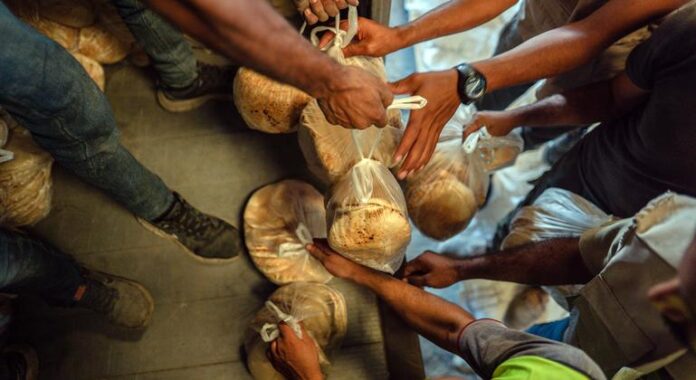
A report released by the two UN agencies on Tuesday identifies six that are at the highest risk of famine or catastrophic hunger: Sudan, Palestine, South Sudan, Mali, Haiti, and Yemen.
In these areas, some communities are projected to reach famine or near-famine conditions.Other countries of very high concern include the Democratic Republic of the Congo, Myanmar, Nigeria, Somalia, Syria, and Afghanistan.
Additional hotspots include Burkina Faso, Chad, Kenya, and the situation of Rohingya refugees in Bangladesh.
‘Famine is not inevitable’
Acute food insecurity means families cannot meet their basic food needs and often resort to desperate measures, such as skipping meals or selling essential possessions.
At Phase 4 (Emergency) and Phase 5 (Catastrophe/Famine), hunger becomes life-threatening.
“Famine is not inevitable,” said Cindy McCain, WFP Executive Director. “We have the tools and the knowledge to prevent it, but we need the resources and the political will to act now.”
Children are especially vulnerable. Malnutrition weakens immunity, making them more susceptible to disease and death. The report warns that delayed action will cost lives and increase humanitarian costs.
A woman prepares a meal for her family in El Fasher, North Darfur where people are trapped due to fighting
What’s driving the crisis?
The report highlights four main drivers:
- Conflict and violence: The leading cause in 14 of the 16 hotspots.
- Economic shocks: Fragile economies, high debt, and soaring food prices.
- Climate extremes: Floods, droughts, and cyclones linked to La Niña conditions.
- Reduced humanitarian aid: Funding shortfalls have forced ration cuts and limited malnutrition treatment.
“Conflict remains the single biggest driver of hunger,” said Dongyu Qu, FAO Director-General. “But climate shocks and economic instability are compounding the crisis, leaving millions with no safety net.”
What needs to happen now?
FAO and WFP call for urgent action to prevent famine:
- Humanitarian assistance to save lives and livelihoods.
- Anticipatory action—early interventions before crises escalate.
- Investment in resilience to tackle root causes, not just symptoms.
The agencies stress that the international community faces a narrowing window to act. Failure to respond will deepen hunger, destabilize regions, and lead to preventable deaths.
How you can help
You can support efforts to fight hunger by:
Every contribution helps provide food, nutrition, and livelihood support to those most in need.
Online info session – Films on the Move 2026: Presentation and recording are now available!

On 12 November 2025, the European Education and Culture Executive Agency (EACEA) organised an online Info Session to present the 2026 Films on the Move call under the Creative Europe MEDIA and cross sectoral strand.
The presentation and recording of the info session are now available on the event page.
How to Secure Your Trading VPS: Complete Security Guide for 2026
Key Takeaways Why Trading VPS Security Is Critical In 2025 H1, cyberattacks on digital trading platforms surged compared
World News in Brief: Gaza latest, Americas loses measles-free status, tornado recovery in Brazil
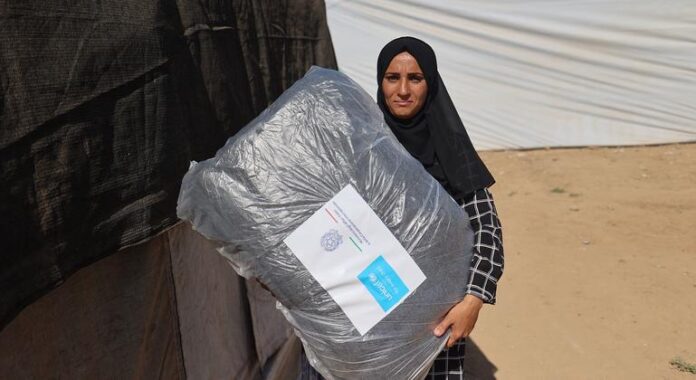
The fuel is needed to power machinery for critical operations, including water, sanitation, hygiene, health and clearing rubble.
Education, nutrition and protection work will also be possible thanks to the diesel delivery, OCHA said, noting that three-quarters of the total amount went to the south and one quarter headed north.
Latest UN data also indicates that since the start of the month, UN partners have provided food assistance to more than a quarter of a million people, distributing two food parcels per household.
But one month since the ceasefire began, the UN World Food Programme (WFP) said that families in Gaza are struggling to rebuild their lives.
Northern crossing finally open
Israeli authorities announced the opening of the crucial Zikim crossing to allow humanitarian cargo into the shattered northern Gaza Strip.
“In recent weeks, we have been repairing the road leading to Zikim inside Gaza in preparation for this reopening and we are now carrying out the final checks – including for potential explosive hazards,” UN Spokesperson Stéphane Dujarric told journalists in New York.
Zikim has been closed for two months, and no supplies were entering Gaza directly from the north.
As humanitarians continue to scale up assistance, with the commercial sector and country donors further supporting the response, market prices for basic commodities are gradually stabilizing, said Mr. Dujarric.
Americas lose measles-free status as outbreaks surge
The Americas have lost their measles-free status after health authorities confirmed that the virus has been circulating in Canada for more than a year.
The region – the first in the world to eliminate measles twice – has seen a sharp rise in infections, with over 12,000 confirmed cases across ten countries so far this year, mostly in Canada, Mexico and the United States. Twenty-eight people have died, including 23 in Mexico.
Canada’s outbreak began in late 2024 and has spread nationwide, with persistent transmission in several provinces. Most infections have been recorded among unvaccinated people, and young children are the most affected.
Resistance falling
Health experts warn that falling vaccination rates are leaving communities vulnerable.
Regional coverage for the second dose of the measles vaccine stands at just 79 per cent, far below the 95 per cent needed to prevent outbreaks.
The UN health agency’s regional office, the Pan American Health Organization, said the setback was “reversible” if countries strengthen immunisation drives and outbreak response.
Measles, one of the most contagious viruses on the planet, can cause severe complications including pneumonia, brain inflammation, blindness and death.
Officials expressed confidence that, with renewed cooperation, the region can once again eliminate measles.
UN migration agency aids Brazil tornado recovery
A UN emergency team is on the ground in southern Brazil helping communities recover from a powerful tornado that tore through Rio Bonito do Iguaçu on 7 November, killing seven people and injuring more than 800.
Winds of up to 250 km/h destroyed around 90 per cent of the town’s urban area, flattening homes, schools and health facilities, and knocking out power and water supplies.
Hundreds of families were left without shelter, prompting the state government to declare an emergency.
Specialists deployed
The UN migration agency, IOM, has deployed 11 specialists to work with local and federal authorities to coordinate relief, provide temporary housing and ensure access to social support. The agency said it aims to help families rebuild their lives with dignity while strengthening communities against future disasters.
IOM has also been supporting recovery efforts in nearby Rio Grande do Sul, where devastating floods last year displaced thousands.
It said both disasters highlight the growing threat of extreme weather linked to climate change and the urgent need for stronger preparedness and resilience.
“As extreme weather events become more frequent, our mission is to ensure no one is left behind,” said IOM’s head in Brazil, Paolo Caputo.
Tuberculosis cases decline for first time since pandemic

Cases are on a downward trajectory for the first time since COVID-19 pandemic of 2020.
But a new report reveals that while progress has been made in the global fight against the disease, funding gaps are putting hard-won gains at risk.
Funding gap threatens progress
“The reduction in the global burden of tuberculosis and progress in testing, treatment, social protection and research are all good news. after years of setbacks, but progress is not victory,” said WHO leader Tedros Adhanom Ghebreyesus.
“The fact that tuberculosis continues to claim more than a million lives each year, although it is preventable and curable, is simply unacceptable..”
The WHO says global funding for TB has stagnated since 2020, with only $5.9 billion available in 2024 – well short of the annual target of $22 billion for 2027 – raising concerns that reductions could lead to up to two million additional deaths and 10 million cases over the next decade.
Global decline
Between 2023 and 2024, the global rate of people with tuberculosis decreased by almost 2 percent, while deaths decreased by 3 percent.
“The number of people being tested and treated is increasing and research is progressing,” said Dr. Tedros.
Since last year, more than half of the world’s population is covered by rapid tests54 percent compared to 48 percent in 2023. Additionally, the treatment recorded a success rate of 88 percent, according to the report.
Some regions have been more successful than others in reducing the prevalence of tuberculosis.
Between 2015 and 2024, the WHO African region successfully reduced the rate of indecent assault by 28 percent and deaths from the disease decreased by 46 percent.
THE European region saw a 39 percent drop in incidence and a 49 percent reduction in deaths.
However, by 2024, 87 percent of the global number of people who developed tuberculosis were concentrated in 30 countrieswhere social protection remains very unequal, indicates the report.
Originally published at Almouwatin.com
Endangered vipers and mountain iguanas in rare company during key wildlife discussions

Ethiopian mountain vipers, Galapagos iguanas and Brazil’s Pernambuco – prized by violin bow makers – are just three of more than 30 species that could be listed. special protection under the Convention on International Trade in Endangered Species of Wild Fauna and Flora (CITES).
“As trade in wild animals and plants crosses borders between countries, efforts to regulate it require international cooperation to protect certain species from overexploitation. » » said CITES in a press release.
Today, the Convention covers trade in more than 40,000 species of wild animals and plants. CITES States Parties may add other species by submitting proposals which are reviewed at meetings held every three years.
“The proposals that will be discussed highlight how scientists continue to approach the conservation and sustainable use of species that are not only biologically unique, but also culturally, economically and ecologically important,” said Thea Carroll, head of the CITES Secretariat’s scientific unit, speaking in Geneva.
The final proposals expected to be discussed in the Uzbek city of Samarkand include a range of perennially endangered wildlife such as elephants and rhinos, as well as what must surely be the final candidate for CITES, the golden-bellied mangabey monkey.
Alongside these natural charmers, demands for additional protection include arguably less obvious candidates, including the giant Galli wasp – measuring 32 centimeters – moths, frogs, sea cucumbers, abalone and other commercially exploited aquatic species.
It has been 50 years since the CITES convention came into force, although it was conceived ten years earlier at a meeting of the International Union for Conservation of Nature.
The Convention is just one of many international agreements aimed at protecting the planet’s biodiversity. It specifically addresses the regulation of the international wildlife trade, estimated to be worth billions of dollars and comprising hundreds of millions of plant and animal specimens.
A young Nile crocodile rests on the bank of the Kazinga Channel in Uganda.
Success Stories
The Convention is responsible for conservation successes, including that of the South American vicuña – a small camel – and the Nile crocodile.
Their survival was ensured when CITES supported national efforts to transform their wool and skins respectively into valuable, sustainably managed products that benefit local communities.
Overexploitation for international trade poses a major threat to wildlife, but other risk factors include disease, pollution, habitat loss or fragmentation.
Who protects the protectors
The fundamental role of protecting biodiversity played by CITES has not protected it from a serious funding crisis for multilateral work around the world, warned the organization’s Secretary-General, Ivonne Higuero.
“We are all in trouble,” she told reporters in Geneva. “All UN entities are currently struggling with budgetary problems. There is a drop in contributions from member states, from our parties, and it is becoming very difficult for us to be able to function.”
Ms. Higuero added: “We have not received the expected contributions from the parties which were assessed according to the UN scale and, of course, we have arrears and payments. So that is one of the things that we will also discuss.”
Explanation: What is CITES?
- CITES is a UN-backed treaty that regulates global wildlife trade to ensure the sustainability of species and their prevention from extinction. CITES is the abbreviation of Convention on International Trade in Endangered Species of Wild Fauna and Flora.
- The international agreement brings together 185 state parties and is one of the most powerful conservation tools in the world. It celebrates its 50th anniversary this year at its 20th meeting (COP20) in Samarkand, Uzbekistan, starting November 24.
CITES Key Facts:
- Scope: The treaty protects more than 40,000 species of animals and plants.
- Aim: Make wildlife trade legal, sustainable and traceable.
- How it works: Species are listed in “Appendices” I and II, depending on the level of threat they face.
- Meetings: The parties meet every three years to vote on new rules and inclusions in the annexes. Appendix I includes species threatened with extinction and whose trade is generally prohibited; Appendix II covers species that are not yet threatened but are at risk of becoming so without regulation.
- Success story:Conservation work: The Guadalupe fur seal, once reduced to just 200 animals, now numbers more than 34,000.
- Global Reach:CITES works in collaboration with other United Nations bodies and treatiesadvancing biodiversity goals, sustainable livelihoods and implementation of the Global Biodiversity Framework Kunming-Montreal. Discover more here:
Originally published at Almouwatin.com
Cannabis use among young Danes decreases thanks to education campaigns
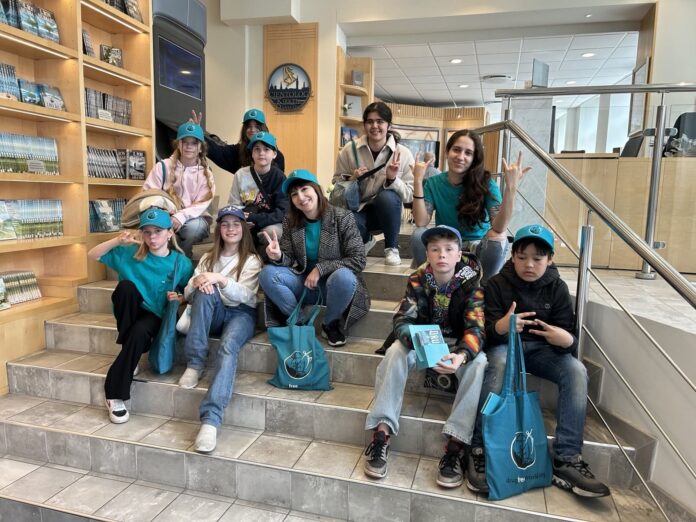
KINGNEWSWIRE / PRESS RELEASE / Children of “Truth About Drugs Denmark” lead major cannabis awareness campaign as drug use among young people continues to decline nationally
COPENHAGEN, Denmark (November 2025) – A new generation of young volunteers in Denmark is taking the lead in the fight against drug addiction. In 2025, children and adolescents affiliated with Truth About Drugs Denmark have encouraged more than 500 local traders in Copenhagen to display and distribute educational brochures The Truth About Drugs. The initiative is the latest in a decades-long campaign by the Church of Scientology to promote drug-free living across the country.
Youth-led awareness campaign turns stores into information points
Teams of young volunteers aged 10 to 20 crisscrossed the neighborhoods of Copenhagen to approach businesses with a simple message: put factual drug information easily accessible to the public. More than 500 businesses have since agreed to participate by placing brochures at checkout and engaging their customers in conversations about substance use.
Giulia, a public affairs advisor who supports the volunteers, described their impact: “They show adults that they care about our future and take responsibility for it. »
The supports, developed by the Foundation for a Drug-Free Worldare secular and fact-based, covering the effects of drugs such as cannabis, ecstasy, cocaine and alcohol. The aim of the campaign is to help people make informed decisions. A teenage volunteer explains: “It’s about saving lives, not religion. We want people to know what drugs actually do. »
Cannabis use among young people down sharply in Denmark
The campaign coincides with encouraging national data: cannabis use among young Danes has declined significantly over the past decade. According to a report published in November 2025 by the Center for Rusmiddelforskning (Danish Drug Research Center), cannabis consumption among 15-25 year olds increased from 44% in 2014 to 31.6% in 2025. Among young men, the drop is even more marked, going from 51% to 34%.
An essential reason? “There is simply more awareness and caution today,” researcher Kirsten Frederiksen said in a DR article. “The appetite for risk is not as high as it used to be. »
The researchers cited the wide dissemination of educational materials on drugs as a contributing factor to this change, suggesting that prevention campaigns are effectively reaching their audiences. These results confirm the relevance of local efforts such as those carried out in Copenhagen.
An initiative long supported by Scientology
This youth-led project builds on more than 30 years of drug education efforts by the Church of Scientology in Denmark. Since 1991, Scientology volunteers have distributed truth about drugs materials at major events, including the Copenhagen Marathon and the Royal Run, as well as in public places such as Strøget.
The campaign reflects the views of Scientology founder, L. Ron Hubbardwho wrote that “the most destructive element present in our culture today is drugs.” Inspired by this principle, the Church has supported drug education projects in more than 200 cities around the world through its partnership with the Foundation for a Drug-Free World.
“They are already changing the world”
European institutions increasingly recognize the value of youth-led prevention. Ivan Arjona, representative of the Church of Scientology to the EU, OSCE, Council of Europe and UN, highlighted the broader relevance of this campaign:
“Meaningful youth participation is not a fairy tale. It’s a plan for building resilient communities, one brochure and one conversation at a time. These young people are not waiting for permission to change the world… They are already doing it. »
By transforming local stores into knowledge centers and giving young people a voice, the campaign shows how community engagement and evidence-based education can reshape attitudes and behaviors, without stigma or coercion.
About the Church of Scientology
The Church of Scientology and its affiliated missions, groups and members are active throughout the European continent. It continues to be recognized in several countries as a charitable and authentic religion. Inspired by the humanitarian legacy of L. Ron Hubbard, the Church engages in long-term initiatives in education, prevention and community improvement, particularly in the areas of substance abuse prevention, human rights and moral values education.
Originally published at Almouwatin.com
Sudan: Migration chief hears horrific tales of El Fasher exodus

“When people go out of the area, they report widespread violence, sexual abuse, civilians sometimes being shot on sight,” said the director general of the United Nations migration agency.IOM), Amy Pope, during a briefing Wednesday.
Hiding from drones
“Many reported leaving the area and seeing dead bodies along the way..” She said she encountered women and children who had sometimes been walking for days, “hiding from the drones, carrying only their children.”
These statements come in a context of intensification and spread of violence in Sudan, following the capture, last month, of the regional capital El Fasher by the Rapid Support Forces (RSF) from government troops, after more than 500 days of siege.
Ms Pope said the scale of the needs “coincides at a time when there have been unprecedented humanitarian reductions in humanitarian aid around the world”.
Less than 5,000 aid kits available
IOM provides shelter, basic dignity kits and cooking kits to those who need them most, but currently funding for this response is far below what is needed, Ms Pope warned, at just 8%.
Fewer than 5,000 kits were available in a warehouse in Port Sudan, and 35 IOM tents are being distributed.
Some countries and partners have requested additional information or sought data on the funding situation, but the scale of the needs is so great that the agency “I’m trying to catch up right now,” Ms. Pope said.
Joint humanitarian efforts
IOM liaises with the United Nations relief coordination office (OCHA) and the World Food Program (PAM) to secure resources.
“By visiting various regions of the country, we can provide the world with a complete picture of what needs to happen to support particularly vulnerable civilians who are fleeing violence.
UN relief chief Tom Fletcher visited Sudan this week and is expected to brief journalists there on Monday.
Pope said that although IOM has trucks going to Tawila, a town about 60 kilometers from El Fasher, access is extremely limited and the agency provides support mainly to those who leave.
Many aid workers have also been victims of violence in recent months, with some injured or killed, Pope added.
Preparations for an “intensification of hostilities”
UN human rights chief Volker Türk warned on Wednesday that the massacres of civilians do not stop.
Speaking to the French Senate, he said his office (OHCHR) continues to receive alarming reports that RSF is “committing criminal atrocities, including summary executions, sexual violence and other violations.”
He added that in the Kordofan region there were “clear preparations for an intensification of hostilities as killings and destruction increase.”
Mr. Türk urged countries to respect the Security Councilthe arms embargo on Darfur, emphasizing that the protection of civilians, humanitarian access and the return to civilian rule are the priorities.
Originally published at Almouwatin.com
World news in brief: Gaza latest, Americas lose measles-free status and Brazil recovers from tornado

Fuel is needed to power machinery for critical operations, including water, sanitation, hygiene, health and rubble clearance.
Education, nutrition and protection work will also be possible thanks to the delivery of diesel, OCHA said, noting that three-quarters of the total amount went south and a quarter went north.
The latest UN data also indicates that since the start of the month, UN partners have provided food assistance to more than a quarter of a million people, distributing two food parcels per household.
But a month after the start of the ceasefire, the UN World Food Program (PAM) said families in Gaza are struggling to rebuild their lives.
The Northern Passage finally opened
Israeli authorities announced the opening of the crucial Zikim crossing to allow humanitarian goods to enter the destroyed northern Gaza Strip.
“In recent weeks, we have repaired the road leading to Zikim inside Gaza in preparation for this reopening and we are currently carrying out final checks, including for possible explosion risks,” UN spokesperson Stephane Dujarric told reporters in New York.
Zikim has been closed for two months and no supplies were entering Gaza directly from the north.
As humanitarians continue to scale up their aid, with support from the commercial sector and donor countries, market prices for basic commodities are gradually stabilizing, Dujarric said.
The Americas lose measles-free status as outbreaks multiply
The Americas lost its measles-free status after health authorities confirmed the virus had been circulating in Canada for more than a year.
The region – the first in the world to eliminate measles twice – has seen a sharp rise in infections, with more than 12,000 cases confirmed in ten countries so far this year, mainly in Canada, Mexico and the United States. Twenty-eight people died, including 23 in Mexico.
The outbreak in Canada began in late 2024 and has spread nationally, with persistent transmission in several provinces. Most infections have been recorded among unvaccinated people, and young children are most affected.
Resistance falling
Health experts warn that falling vaccination rates are leaving communities vulnerable.
Regional coverage for the second dose of measles vaccine stands at just 79 percent, well below the 95 percent needed to prevent outbreaks.
The regional office of the Pan American Health Organization, the Pan American Health Organization, said the setback was “reversible” if countries strengthen their vaccination campaigns and response to the outbreak.
Measles, one of the most contagious viruses on the planet, can cause serious complications, including pneumonia, brain inflammation, blindness and death.
Officials said they are confident that with renewed cooperation, the region can eliminate measles again.
UN migration agency helps Brazil recover from tornado
A United Nations emergency team is on the ground in southern Brazil to help communities recover from a powerful tornado that ripped through Rio Bonito do Iguaçu on November 7, killing seven people and injuring more than 800.
Winds of up to 250 km/h destroyed around 90 percent of the city’s urban area, leveling homes, schools and health facilities, and cutting off electricity and water supplies.
Hundreds of families were left homeless, prompting the state government to declare a state of emergency.
Deployed specialists
The United Nations migration agency, IOMdeployed 11 specialists to work with local and federal authorities to coordinate relief efforts, provide temporary housing and ensure access to social support. The agency said it aims to help families rebuild their lives with dignity while strengthening communities against future disasters.
IOM is also supporting recovery efforts in neighboring Rio Grande do Sul, where devastating floods last year displaced thousands of people.
He said the two disasters highlight the growing threat of extreme weather linked to climate change and the urgent need for enhanced preparedness and resilience.
“As extreme weather events become more frequent, our mission is to ensure that no one is left behind,” said Paolo Caputo, IOM Brazil Director.
Originally published at Almouwatin.com
