
A genetic variant that protects against stomach virus infections appeared when humans began farming. This is shown by Source link
Europe’s Plan to Patch Ariane 6: A Rocket Retrofit That’s Already a Decade Behind
Europe’s space agency wants to breathe new life into its barely two-year-old Ariane 6 rocket by grafting reusable
Investing in climate adaptation strengthens European competitiveness | Press releases

Climate-proofing the agriculture, energy and transport sectors would help avoid billions of euros in losses from the accelerating extreme weather events related to climate change. At the same time, it would increase Europe’s competitiveness, according to a briefing published today by the European Environment Agency (EEA).
The three economic sectors are highly vulnerable to climate change, shows the EEA briefing “Making agriculture, energy and transport climate resilient: how much money is required and what will it deliver?”.
As Europe is the fastest-warming continent, the effects of climate change are already here with accelerating extreme weather events such as floods, droughts, heatwaves and wildfires costing Europe EUR 40-50 billion per year.
Investment gap of more than EUR 100 billion per year
The investments required range between EUR 53bn and 137bn annually by 2050 and a further EUR 59-173bn annually by 2100 depending on whether the temperature will rise by 1.5°C to 2°C, or by 3°C compared to pre-industrial temperatures. Current committed funding levels are estimated at just EUR 15-16bn per year for these sectors. The funding comes mostly from the public sector, at EU, national and regional level.
To put things into perspective, the EU experienced annual economic losses of around EUR 40-50 bn per year between 2021 and 2024 due to extreme weather events, totalling EUR 822 bn over the period 1980–2024. The costs are increasing, the years between 2021 and 2024 accounting for the biggest annual losses. As those figures account for direct losses only, the sum of total costs will be higher.
Return on investment for climate-proofing
Investing in climate adaptation delivers benefits beyond just avoiding losses from extreme events: adapting to rising coastal flood risks in the EU would deliver EUR 6 for every euro invested, according to a study by the Joint Research Centre of the European Commission.
Another study, on a global level, by the World Resources Institute, concluded that every US dollar invested in adaptation may bring over USD 10.50 in benefits over a 10-year period and yield average returns of 27% per project.
Double and triple dividend of adaptation investments
When discussing benefits of climate adaptation, two concepts are relevant:
- The double dividend concept: reducing climate risks not only protects people, infrastructure and economies from the damages created by climate impacts (adaptation dividend) but also helps cutting greenhouse gas emissions or boosts sustainability (mitigation dividend). For example, in the case of nature-based solutions, restoring wetlands both protects against floods and stores CO2.
- The triple dividend concept: not only avoiding losses but also unlocking economic potential and generating development co-benefits, as illustrated in Figure 1 and 2.
Figure 1. The ‘Triple Dividend’ concept
Please select a resource that has a preview image available.
Figure 2. Examples of the ‘triple dividends’ in adaptation measures in the EU
Please select a resource that has a preview image available.
The case is clear: investing now in making agriculture, energy and transport climate resilient would contribute to Europe’s competitiveness and would help with other challenges, such as food security.
This briefing is part of an ongoing series of EEA products that explore the costs and benefits of climate adaptation. Together, these products provide insight into the economics of climate resilience.
Our latest press releases
Cannabis edibles pose major crash risk
The study, which concluded in 2025 with data currently unpublished, measured driving performance using a simulator that tracked Source link
Cannabis edibles pose major crash risk
The study, which concluded in 2025 with data currently unpublished, measured driving performance using a simulator that tracked
Sudan war leaves millions hungry and displaced as health system nears collapse
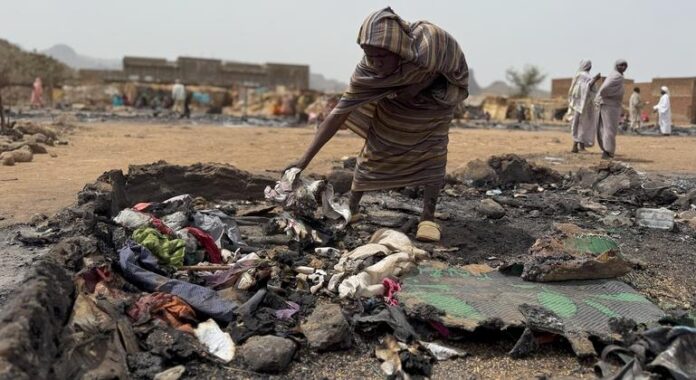
UN agencies warn that nearly three years of sustained violence, restricted humanitarian access and shrinking funding have pushed Sudan into what they describe as the largest humanitarian emergency in the world.
An estimated 33.7 million people – around two thirds of the population – are expected to need humanitarian assistance in 2026. More than 20 million people now require health assistance, while 21 million face acute food insecurity.
Devastating impact
The conflict erupted in April 2023 following a power struggle between the Sudanese Armed Forces (SAF) and the paramilitary Rapid Support Forces (RSF), plunging the country into a civil war that has spread from the capital Khartoum to Darfur, Kordofan and other regions.
The fighting has devastated infrastructure, fractured state institutions and left civilians exposed to widespread violence, displacement and deprivation.
Repeated ceasefire efforts have failed, and large swathes of the country remain inaccessible to humanitarian actors due to insecurity, bureaucratic constraints and ongoing hostilities.
Patients receive treatment in a tent outside a hospital in Khartoum, as Sudan’s health system comes under severe strain from attacks, shortages, disease outbreaks and natural disasters.
A health system on the brink
According to the World Health Organization (WHO), Sudan’s health system has been pushed close to collapse by ongoing fighting, mass displacement and repeated attacks on medical facilities. More than one third of health facilities nationwide are non-functional, cutting millions off from essential and lifesaving care.
Since the conflict began, WHO has verified 201 attacks on healthcare, resulting in 1,858 deaths and 490 injuries. Such attacks violate international humanitarian law and place patients, caregivers and health workers at grave risk.
“One thousand days of conflict in Sudan have driven the health system to the brink of collapse,” said Shible Sahbani, WHO Representative in Sudan. “Under the strain of disease, hunger and lack of access to basic services, people face a devastating situation.”
Despite insecurity and access constraints, WHO continues to support lifesaving services, having delivered more than 3,300 metric tonnes of medicines and medical supplies worth around $40 million. It also supported cholera vaccination campaigns and helped millions access care through hospitals, primary health centres and mobile clinics.
Mass displacement
Sudan is also the world’s largest displacement crisis, with an estimated 13.6 million people uprooted by the fighting – around 9.3 million internally displaced and a further 4.3 million seeking refuge in neighbouring countries.
Overcrowded living conditions, poor sanitation and disrupted services have fuelled outbreaks of cholera, malaria, dengue and measles across much of the country.
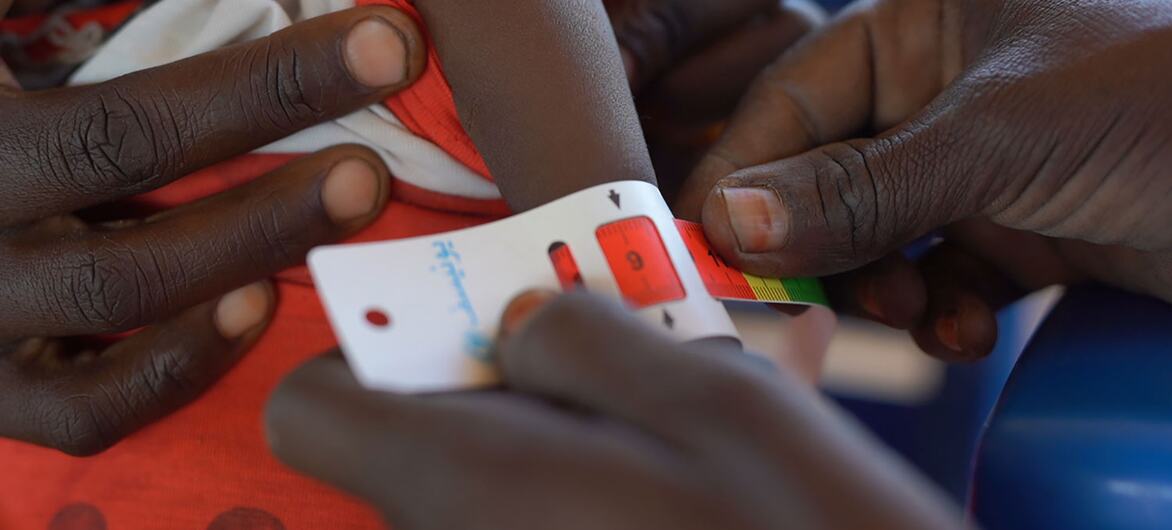
A child is screened for malnutrition at a UNICEF-supported nutrition centre in North Darfur, Sudan in December 2025. The red color signifies Severe Acute Malnutrition (SAM).
Children bearing the heaviest burden
Children make up about half of those expected to need humanitarian assistance in 2026, according to the UN Children’s Fund (UNICEF).
“Children continue to be killed and injured,” said UNICEF Regional Director for the Middle East and North Africa Edouard Beigbeder, noting that eight children were reportedly killed in a single attack in North Kordofan this week alone.
In North Darfur alone, nearly 85,000 children suffering from severe acute malnutrition were treated between January and November 2025 – roughly one child every six minutes – underscoring the scale of the crisis.
Calls for peace and access
Both WHO and UNICEF stress that humanitarian action, while lifesaving, cannot substitute for peace.
“To meet the mounting needs and prevent the crisis from spiralling out of hand, WHO and humanitarian partners require safe and unimpeded access to all areas of Sudan, and increased financial resources,” Dr. Sahbani said.
For children, UNICEF warns, only an end to the fighting can halt the erosion of safety, health and hope.
“All parties must uphold their obligations under international humanitarian law: protect civilians, stop attacks on infrastructure, and allow safe, sustained and unimpeded humanitarian access,” Mr. Beigbeder said.
At the heart of change: Spotlight Initiative highlights breakthroughs in tackling gender-based violence
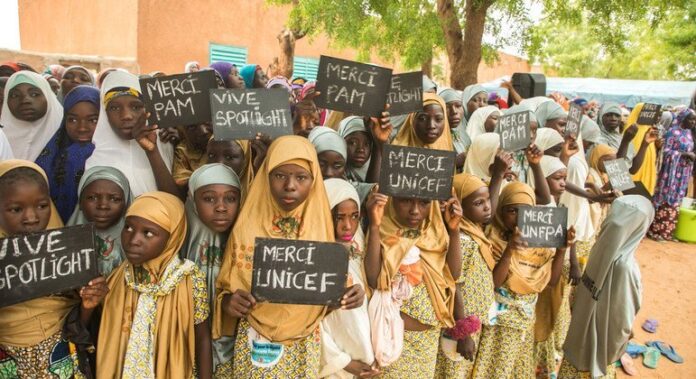
At the heart of change: Spotlight Initiative highlights breakthroughs in tackling gender-based violence
When it comes to protecting women and girls from gender-based violence, change happens when they are “at the heart of every decision,”according to Erin Kenny, Global Coordinator of the Spotlight Initiative a United Nations–European Union partnership aimed at tackling all forms of abuse against women and girls.
Since 2017, Spotlight, has been working to prevent violence, sexual and gender-based violence (GBV), as well as femicide, human trafficking, and labour exploitation.
Worldwide, one in three women has experienced physical or sexual violence, and in many places, this number is even higher.
Here are some of the initiative’s major breakthroughs highlighted in a report focusing on its innovative approaches, and its sustained achievements over the past seven years.
Finding empowerment in Zimbabwe
In Zimbabwe, rural women with disabilities meet to advocate for their rights.
In Zvimba, Ndakaitei Matare, a mother of one and chair of a disability support group, knows firsthand the challenges of living with a disability having faced, since an early age, barriers to education, assistive devices, and economic opportunities.
Through a partnership between Spotlight and the government, Ndakaitei and other women with disabilities have found empowerment, raising awareness through disability support groups about GBV, rights and inclusion.
“We are capable of doing a lot if we unite and work together,” she said, a testament to how knowledge and community can transform lives.
Access to justice for women
Since, access to justice for survivors of sexual violence has significantly improved. Victim-Friendly Courts now offer safe spaces for women and children, and the Judicial Services Commission continues to support survivors with transport and food allowances and has expanded three more courts with separation rooms.
Supporting child survivors in Haiti
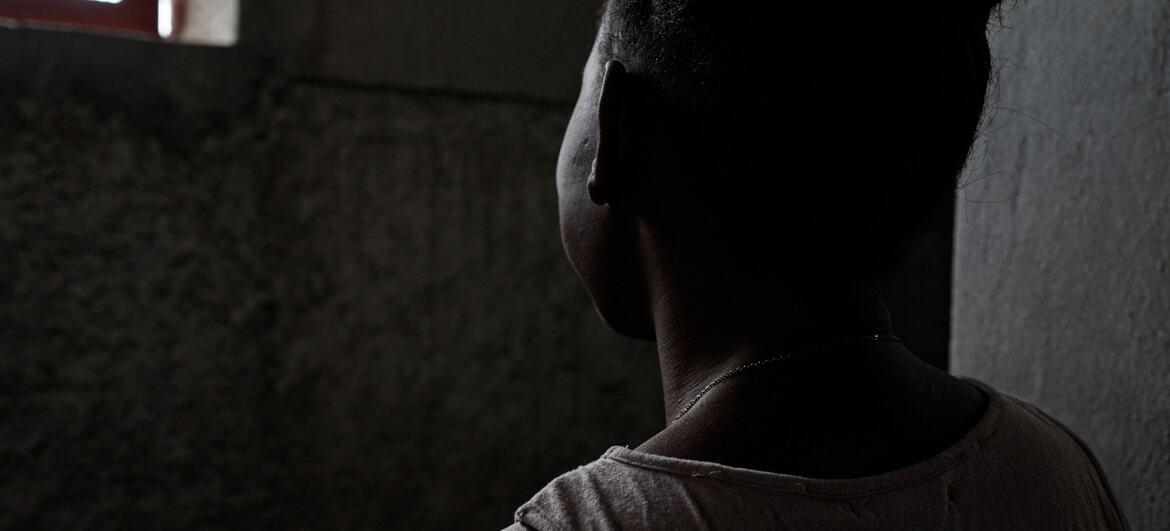
A teenage survivor of gender-based violence is recovering in Haiti.
In summer 2023, Taina* was kidnapped and held captive for a week by a Haitian gang.
She recalled being held in a residence where two men raped her one after the other, describing it as a ‘nightmare week’.
While others were also held captive, she was the only minor.
Thanks to Spotlight, Taina received medical, psychological, and social support, housing, microfinance and income-generation training, school fee assistance, and emergency relocation.
“In this environment, I could finally breathe,” said Taina.
She now looks to the future with determination, dreaming of becoming a police officer and planning to resume her studies while pursuing courses in beauty treatment and cooking.
Tackling sexual violence
More than one in three Haitian women has experienced violence from a partner or husband. Nearly 30 per cent of women of childbearing age have suffered physical violence — almost half from an intimate partner. Twelve per cent have experienced sexual violence, including many girls aged 15 to 17.
Supporting women migrant workers’ rights in Thailand

Migrant workers like Namwaan* need support to ensure safe and decent jobs.
Namwaan* left Myanmar in 2003 to pursue a better life in Thailand.
The first job she found was in a textile factory. She recalled working long hours for little income. “I had to work 12-16 hours per day for only 70 baht ($3).”
Invisible, exploited, abused, silenced. These are just some of the words used by women migrant workers to describe their working conditions.
As Namwaan didn’t read or speak Thai, she was not able to negotiate her working conditions and she feared she’d be punished by her employer if she tried to speak up.
“Some of my colleagues were harassed, locked up, or faced physical abuse when they spoke up about their working conditions,” she said.
Recovering from abuse
Through awareness campaigns, support desks located at airports, and service provider training, the Spotlight Initiative has explained therisks faced by women migrant workers.
For Namwann, the training offered a space to connect with others who had faced similar abuse.
“I felt completely connected to their stories,” she said. “This programme gives millions of women hope for decent work free from violence.”
Banning corporal punishment in Tajikistan
In 2023, Tajikistan became the 66th country in the world to ban corporal punishment, a transformative policy shift which was made possible through the Spotlight Initiative.
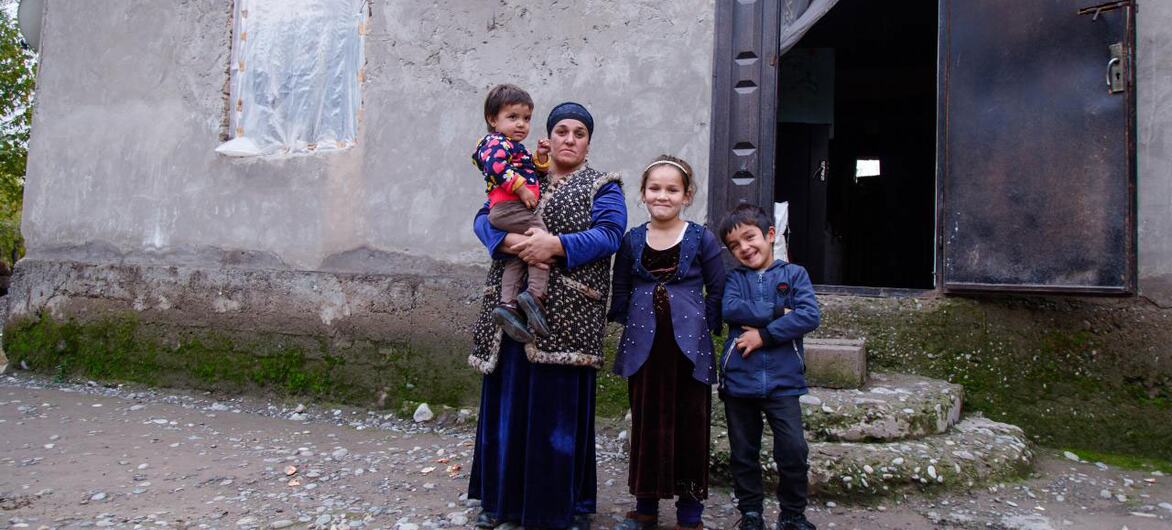
A mother and her three children stand outside their home in Tajikistan.
Partnering with the Ministry of Health, the initiative established 15 victim support rooms — offering integrated medical, psychological, and referral services, including short-term shelter.
More notably, transformation extended into communities — strengthening the role of religious leaders as advocates for gender equality and key actors in violence prevention efforts.
In more than 300 schools, Spotlight supported the creation of a national incident reporting mechanism which the government took full ownership of and publicly committed to expanding nationwide by 2030.
Surprising nanoscopic heat traps found in diamonds
University of Warwick scientists discover “hot spots” around atomic defects in diamonds – challenging assumptions about the world’s
Surprising nanoscopic heat traps found in diamonds
University of Warwick scientists discover “hot spots” around atomic defects in diamonds – challenging assumptions about the world’s Source link
Sudan: After 1,000 days of war, millions of civilians still bearing brunt
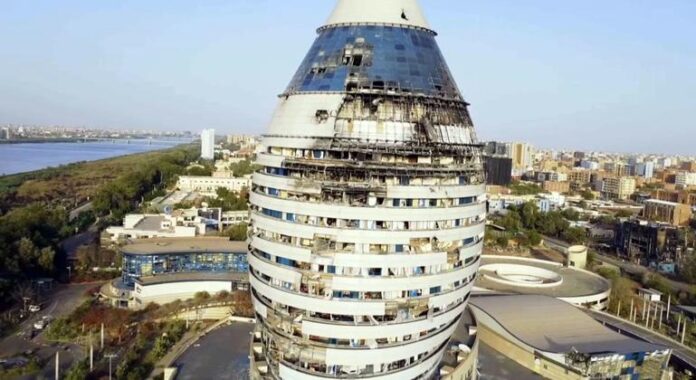
Latest UN data indicates that 9.3 million people have been uprooted by conflict across the country and more than 4.3 million have fled across borders, placing immense strain on neighbouring countries. More than 21 million people are also believed to be acutely food insecure across the country.
Although many of those displaced have returned to the capital, Khartoum, massive challenges and dangers for civilians remain there, including from unexploded weapons. Elsewhere, fighting is continuing “across multiple fronts in Kordofan” further west, OCHA spokesperson Jens Laerke said.
Speaking to journalists in Geneva, he noted that sieges have cut off the towns of Kadugli – capital of South Kordofan state – and Dilling – a town to the north of Kadugli – restricting food, healthcare and access to farms and markets.
Daily drone, missile strikes
In Darfur, meanwhile, “fighting on the ground and drone attacks from the sky continue”, while long-range strikes on civilian infrastructure have also been recorded far beyond the front lines, Mr. Laerke added.
Children continue to be killed and injured amid ongoing clashes between the Sudanese Armed Forces and paramilitary Rapid Support Forces, with eight children reportedly killed in an attack in Al Obeid, North Kordofan, earlier this week.
According to the UN Children’s Fund (UNICEF), a staggering 5,000 youngsters have been displaced every day since the conflict began in April 2023. “Many have been displaced not once but repeatedly, with violence following them wherever they flee,” said UNICEF spokesperson Ricardo Pires.
He warned that millions of children are also at risk of rape with survivors including babies. “Behind every one of these numbers is a child, frightened, hungry, sick and wondering why the world has not come to help,” Mr. Pires added.
Sexual attacks scourge
Women are also victims of “rampant” sexual violence and abuse, with some 12 million people – mostly women and girls – at risk of gender-based violence, according to OCHA. “Female-headed households are now three times more likely to be food insecure and three-quarters of these households report not having enough to eat,” said Mr. Laerke.
The global crisis in humanitarian funding has impacted the UN’s work and that of its partners in Sudan, with only 36 per cent of the $4.2 billion requested last year finally funded by donors.
In light of this reduced financial support, for 2026, OCHA aims to assist 20 million people out of the nearly 34 million people believed to be in need of humanitarian support in Sudan. The plan has been costed at $2.9 billion.
“Today our call is urgent: first, an immediate cessation of hostilities and real steps towards a lasting peace,” Mr. Laerke said. “Second, adherence to international humanitarian law with access facilitated across conflict lines and protection of civilians including aid workers and civilian infrastructure.”
