Monday, May 4, 2026
Home Blog Page 450

Independent Journalism More Crucial Than Ever

0
Independent Journalism More Crucial Than Ever

Media freedom in Europe is under increasing pressure from political, commercial, and digital forces, according to the Media Pluralism Monitor 2024 (MPM2024), published today by the Centre for Media Pluralism and Media Freedom at the European University Institute.

Now in its tenth edition, the MPM2024 finds that no European country is free from risks to media pluralism. Despite legal frameworks that ostensibly protect freedom of expression and journalistic rights, enforcement remains inconsistent, and media environments across the continent are becoming more hostile to independent reporting.

Mounting Threats to Journalism

The report’s findings are stark. Journalists across Europe are increasingly vulnerable to precarious employment, surveillance, digital harassment, and physical threats. The rise in Strategic Lawsuits Against Public Participation (SLAPPs), alongside abusive content moderation practices by online platforms, contributes to a climate of fear and self-censorship.

In several countries—including Spain, the Netherlands, and Turkey—journalists have faced arrest. France, once considered a lower-risk country, saw its risk score for Fundamental Protection rise from 24% to 32% due to violence and arbitrary arrests. Surveillance through spyware and the targeting of female journalists with online hate speech, often from political actors, is also on the rise.

Concentrated Ownership and Economic Pressures

The MPM2024 identifies growing market concentration—particularly in digital media—as a severe threat to media plurality. A handful of technology platforms, notably Google and Meta, dominate both audience engagement and advertising revenue, making it increasingly difficult for independent and local media to compete.

Transparency in media ownership remains insufficient in many countries, and editorial independence is being undermined by media owners with vested political and business interests. The report classifies editorial independence as reaching a “historic high-risk level,” a trend that threatens the credibility and autonomy of European journalism.

Underrepresentation and News Deserts

The report also highlights persistent inequalities in media representation. Gender equality in the sector is rated as high risk, with women frequently portrayed in stereotypical roles and underrepresented in leadership. Minority voices continue to be marginalized, especially in private commercial media. Local and community media are particularly fragile, with many regions facing “news deserts”—areas where reliable, locally focused journalism is nearly nonexistent.

Why Independent Outlets Like The European Times News Matter

In the face of these alarming trends, the role of independent news outlets has never been more critical. The European Times News, founded in 2020, is a standout example. As a digital publication focused on European and international affairs, it champions media plurality, freedom of expression, and the amplification of underrepresented voices.

Operating outside the pressures of commercial advertising and political patronage, The European Times News has reached circa two million readers and published more than 16,000 articles in just a few years. Its commitment to accessible, rights-focused journalism makes it a vital counterbalance to the increasingly concentrated and politicized European media landscape.

As policymakers and civil society digest the findings of the MPM2024, the message is clear: support for independent, transparent, and inclusive journalism is essential to safeguarding democracy. The European Times News exemplifies how digital platforms can still serve the public good—offering space for investigative reporting, critical voices, and the protection of fundamental rights.


The full Media Pluralism Monitor 2024 and individual country reports are available on the Centre for Media Pluralism and Media Freedom website: cmpf.eui.eu.

Source link

Sudan: No respite for civilians amid unrelenting war and aid access barriers

0
Sudan war: UNHCR chief stresses need to help refugee hosts in Chad

Into its third year, the conflict between the Sudanese Armed Forces (SAF) and the Rapid Support Forces (RSF) has created the world’s largest displacement crisis, devastating infrastructure and essential services across the country.

Nearly 12.5 million people have been forced from their homes, including over 3.3 million who have fled across borders in search of safety.

First supply in months

UN Spokesperson Stéphane Dujarric said on Thursday that the World Food Programme (WFP) had managed to re-enter greater Khartoum, with teams now coordinating to scale up life-saving assistance to nearly one million people over the coming weeks.

“Our colleagues also tell us that a convoy with 14 trucks carrying over 280 metric tonnes of food and nutrition supplies has arrived in Jabal Awlia, which is south of Khartoum, and that arrival took place this morning,” he told journalists a regular nes briefing in New York.

Jabal Awlia is among the regions at high risk of famine and had not received any aid since December.

“The convoy is just one of many planned aid deliveries into the greater Khartoum metropolitan area over the coming weeks,” Mr. Dujarric added.

Deliveries in North Darfur

Meanwhile in North Darfur, UN partners delivered 1,700 metric tonnes of emergency food to Tawila, and a local group has begun trucking clean water to 10,000 people recently displaced to El Fasher, the regional capital.

These efforts come as host communities strain under the weight of new arrivals fleeing intensifying fighting. Many have escaped near-daily shelling and siege conditions in Zamzam camp, or violence in other parts of Darfur.

Active fighting in and near El Fasher and Zamzam camp have also disrupted fuel supplies, halting water supply, and leaving only solar-powered boreholes operational.

Access obstacles persist

Despite recent breakthroughs, humanitarian operations across the country remain severely constrained.

“Sudan is one of those countries where we are facing bureaucratic obstacles to be able to deliver aid,” Mr. Dujarric said, noting a sharp drop in visa approvals for humanitarian personnel.

According to a survey of UN agencies and international non-governmental organizations (INGOs), only 23 visas – about 16 per cent of the total 145 visa applications – were issued at the end of March 2025, a sharp decrease from previous months.

Access in the capital, Khartoum – where the Sudanese army regained control last month – remains limited, with roads, bridges, and healthcare facilities severely damaged by the fighting.

Aid offices looted

Insecurity and criminality further hinder relief efforts.

According to the UN Office for the Coordination of Humanitarian Affairs (OCHA), national aid organization offices and warehouses have been looted, their staff kidnapped, and vehicles carjacked by armed groups.

A local doctor was abducted in East Darfur with a ransom demand of $25,000, and an INGO staff member was detained by RSF forces in Zalingei for over two weeks.

The United Nations has reiterated its call on all warring parties to immediately halt hostilities, respect international humanitarian law and ensure the protection of civilians.

All this aid is crucial to help the vulnerable communities,” Mr. Dujarric said, emphasizing the urgent need for safe and unhindered humanitarian access.

Source link

The EBA updates list of indicators used to perform risk assessments

0

The European Banking Authority (EBA) today published an updated list of indicators for risk assessment and risk analysis tools, together with the accompanying methodological guide. Without adding any reporting burden on reporting institutions nor on competent authorities, this guidance describes how risk indicators are computed in EBA publications. It will allow competent authorities and users of EBA data to interpret key bank figures in a consistent fashion when conducting their risk assessments and analyses.

This update is based on the EBA reporting framework version 4.0 and covers indicators on institutions’ profitability, solvency and operational risk, among others. The update also includes a new sets of risk indicators laid down in the Banking Package (Capital Requirements Regulation and Capital Requirements Directive – CRR3/CRD6), indicators related to Environmental, Social and Governance (ESG), and those already used in the context of the Minimum Requirement for Own Funds and Eligible Liabilities (MREL).

Source link

Nature’s Antibiotics – Top Natural Alternatives To Fight Infections

0
Nature’s Antibiotics – Top Natural Alternatives To Fight Infections

Natural remedies have been utilized for centuries to combat various infections, and he or she should be aware that these nature’s antibiotics can be effective alternatives to conventional medications. They may provide powerful antibacterial properties and often come with fewer side effects. This blog post explores the top natural alternatives that he or she can consider to fight infections while supporting their overall health. By understanding these options, they can make informed choices about their wellness journey.

Key Takeaways:

  • Natural antibiotics like garlic, honey, and ginger possess antimicrobial properties that can help combat infections.
  • Probiotics, found in yogurt and fermented foods, support gut health and enhance the immune response against pathogens.
  • Essential oils, such as oregano and tea tree oil, exhibit strong antibacterial effects and can be used topically or aromatically.
  • Certain herbs like turmeric and echinacea have been used for centuries in traditional medicine to prevent and treat infections.
  • Maintaining a healthy lifestyle, including a balanced diet and regular exercise, can boost the body’s natural defenses against infections.

Understanding the Role of Antibiotics

While antibiotics have been a revolutionary tool in modern medicine, they are not without their complexities. These medications work by targeting bacterial infections, effectively inhibiting their growth or killing them outright. Healers and healthcare professionals often rely on antibiotics to treat a range of illnesses, but their potency comes with usage considerations that demand careful awareness and management.

Traditional Antibiotics

Behind the development of traditional antibiotics lies a rich history of scientific discovery, with pioneers like Alexander Fleming bringing forth penicillin. These synthetic or naturally-derived substances have played a vital role in combatting bacterial infections, saving countless lives through targeted treatment. However, their widespread use has raised concerns over long-term effectiveness and potential side effects.

The Rise of Antibiotic Resistance

Along with their benefits, antibiotics have led to a significant rise in antibiotic resistance, a major global health challenge. Bacteria adapt and evolve, rendering some antibiotics ineffective, which in turn complicates medical treatments and increases recovery times.

Plus, antibiotic resistance has been exacerbated by over-prescription, inappropriate usage, and lack of adherence to treatment protocols. This alarming trend means that common infections can become life-threatening as previously treatable diseases acquire resistance. The World Health Organization has warned that the rise of resistant bacteria could lead to a post-antibiotic era, wherein minor surgeries and routine procedures could carry increased risks of infections. As they navigate these challenges, healthcare providers emphasize the need for responsible antibiotic use and greater research into alternatives.

Natural Antibiotics: An Overview

Even in a time dominated by pharmaceutical solutions, natural antibiotics continue to garner interest for their potential benefits. These substances, derived from plants, herbs, and other natural sources, have been utilized for centuries to combat infections. As more people seek holistic alternatives, understanding how these natural options work provides insight into their effectiveness against harmful bacteria.

Definition and Benefits

Definition: Natural antibiotics are compounds found in nature that possess the ability to inhibit bacterial growth and infections. Their benefits include fewer side effects, a lower risk of antibiotic resistance, and additional health-promoting properties, such as anti-inflammatory and immune-boosting effects.

Historical Uses in Medicine

Antibiotics have a rich history in traditional medicine, with various cultures relying on natural remedies long before synthetic drugs were developed. They have been used in herbal teas, poultices, and tinctures across different civilizations to treat wounds and infections. Garlic, for example, was revered in ancient Egypt for its antimicrobial properties, while honey has been utilized for centuries for its ability to promote healing and prevent infection. Plus, indigenous peoples often harnessed local flora as potent remedies, paving the way for modern pharmacology to explore these natural alternatives further.

Top Natural Antibiotics

Once again, nature provides an array of powerful antibiotics that can help combat infections effectively. These natural alternatives are widely utilized for their antimicrobial properties, offering a safer approach to healing without the side effects commonly associated with conventional antibiotics. By incorporating these natural remedies, one can not only support their health but also enhance their body’s ability to fight off infections.

Garlic

Between its rich flavor and numerous health benefits, garlic stands out for its potent antibacterial properties. It contains allicin, a compound that exhibits strong activity against various bacteria, making it a valuable ally in fighting infections.

Honey

Among the most revered natural remedies, honey possesses remarkable healing qualities. Its natural antibacterial and wound-healing properties make it a superb choice for treating ailments like coughs, sore throats, and cuts.

Plus, the high sugar content in honey creates an inhospitable environment for bacteria, limiting their growth. Furthermore, its antioxidant properties aid in reducing inflammation and supporting overall health. Regular consumption of honey can potentially enhance one’s immunity and expedite the healing process, making it a delightful and beneficial addition to any health regimen.

Ginger

Among the various herbs and spices known for their medicinal properties, ginger stands out for its remarkable ability to combat infections. Its natural compounds, such as gingerol and shogaol, have demonstrated strong antimicrobial effects.

But, ginger also has potent anti-inflammatory and antioxidant effects that can alleviate symptoms of infections. It supports the immune system by promoting circulation and increasing white blood cell activity, which helps to ward off pathogens. Including ginger in one’s diet, whether as a tea or in meals, can bolster overall health and fight off infections more effectively.

Turmeric

Any discussion of natural antibiotics would be incomplete without mentioning turmeric. This vibrant spice contains curcumin, known for its powerful antimicrobial and anti-inflammatory properties, making it a strong contender against various pathogens.

Natural research supports its use in promoting health and preventing infection. Turmeric is commonly used in traditional medicine as a remedy for conditions ranging from minor ailments to chronic diseases. Incorporating turmeric into meals or taking it as a supplement can enhance one’s immunity while providing long-term health benefits.

Oregano Oil

Below the surface of many kitchen cabinets lies oregano oil, a powerful natural antibiotic. Rich in carvacrol and thymol, oregano oil offers potent bactericidal properties that can support the body’s defenses against harmful bacteria.

Hence, oregano oil can be particularly effective when used in its pure, concentrated form, making it a popular choice for herbalists and natural health enthusiasts. By incorporating oregano oil into their health routine, individuals may find an effective tool in their fight against infections, enhancing their overall wellness while minimizing dependency on synthetic drugs.

How to Incorporate Natural Antibiotics

Many individuals are seeking ways to incorporate natural antibiotics into their daily routines to enhance their immune system and overall health. They can easily introduce herbs like garlic, ginger, and turmeric into their meals, or opt for herbal teas and tinctures. Additionally, using honey as a natural sweetener can add beneficial properties while promoting healing. Maintaining a balanced diet rich in these natural alternatives allows them to combat infections effectively and support their body’s innate defenses.

Dosage and Preparation

An effective approach to the use of natural antibiotics involves understanding proper dosage and preparation methods. For instance, she may add minced garlic to her dishes or consume ginger tea to harness their antibacterial properties. They should also consider using necessary oils with caution, ensuring they are diluted before application. Preparing these natural remedies consistently and mindfully can help maximize their benefits.

Safety and Considerations

Behind the appeal of natural antibiotics lies the importance of safety and consideration. They should always consult with a healthcare professional before starting any new regimen, especially if they are pregnant, nursing, or taking prescription medications. Individual reactions to natural substances can vary, making awareness of potential allergies and interactions necessary.

Further, he or she should be aware that while natural antibiotics can provide health benefits, they do not replace conventional treatments when serious infections arise. Some natural options might interact negatively with other medications, leading to serious side effects. It’s vital for them to ensure that these remedies are used alongside proper medical guidance, as overuse can lead to reduced effectiveness over time. Overall, a balanced approach will yield the finest results while safeguarding their well-being.

Efficacy of Natural Alternatives

Not all natural alternatives are equally effective against infections. While various plants and substances have shown promise, their potency can vary based on individual circumstances, dosage, and method of use. It is crucial for individuals to consider these factors when exploring natural remedies as an adjunct or alternative to conventional antibiotics.

Research and Studies

Research has indicated that several natural substances exhibit antibacterial properties. Studies have demonstrated that ingredients such as garlic, honey, and turmeric possess compounds that can inhibit bacterial growth. However, more comprehensive clinical trials are required to fully understand their efficacy and potential applications in treating infections.

Anecdotal Evidence

Evidence from personal testimonies and experiences suggests that many individuals have found relief from infections using natural remedies. Individuals often report using garlic for its antimicrobial effects or honey for its wound-healing properties, underscoring the belief in the power of these natural alternatives.

Another important aspect of anecdotal evidence is that it reveals a wide array of personal experiences, with many sharing success stories of using natural remedies to combat infections. However, it is crucial to approach these claims with caution, as individual results can vary significantly. While some might experience remarkable improvements in their condition, others might not see the same effects. Overlooking the potential for allergic reactions or interactions with other medications can also lead to serious consequences, making it imperative for each person to consult a healthcare professional before relying solely on anecdotal evidence for treatment.

Future of Natural Antibiotics

For those intrigued by emerging health trends, the future of natural antibiotics appears promising. As research in phytotherapy progresses, scientists continue to explore the efficacy of various plant-based compounds. These developments may provide potent solutions in combating antibiotic resistance, tailoring treatments for a myriad of infections while minimizing side effects. The shift towards holistic healthcare suggests an increased interest in integrating these natural alternatives into mainstream medical practices.

Potential Developments

Against the backdrop of rising antibiotic resistance, ongoing research is aiming to uncover new natural compounds with antimicrobial properties. Advances in technology are enabling scientists to isolate and better understand these substances found in herbs, spices, and other plants. This approach can lead to the discovery of innovative treatments that may complement existing antibiotics or serve as standalone alternatives, potentially transforming how infections are managed.

Integrating with Conventional Medicine

By combining natural antibiotics with conventional medicine, healthcare providers can enhance patient outcomes through a more comprehensive approach. This integration ensures that patients benefit from the synergistic effects of both treatment modalities. Natural substances may also provide supportive therapies to mitigate the side effects associated with conventional antibiotics. Moreover, they could fulfill critical roles in preventing recurrence, allowing practitioners to address underlying issues while minimizing potential harm.

The integration of natural antibiotics into conventional medicine signifies a shift towards a more holistic healthcare approach. The collaboration between traditional and alternative practices can harness the full potential of both worlds. By recognizing the value of natural substances, healthcare providers can offer supplementary treatments that enhance the patient’s immune response, diminish side effects, and potentially reduce reliance on synthetic antibiotics. This synergistic model may not only lead to improved clinical outcomes but also pave the way for a more sustainable healthcare system.

Summing up

Conclusively, individuals seeking natural alternatives to combat infections can explore various options offered by nature’s antibiotics. They may find benefits in substances like garlic, honey, and ginger, each possessing unique antibacterial properties. By integrating these natural remedies into their health routines, they can support their immune systems and promote overall wellness. However, it remains vital for them to consult healthcare professionals before replacing conventional treatments with these alternatives, ensuring they make informed decisions regarding their health.

FAQ

Q: What are Nature’s Antibiotics?

A: Nature’s antibiotics refer to natural substances that possess antibacterial properties and can help fight infections. These include herbs, spices, and other plant-derived compounds known for their ability to combat pathogens without the side effects often associated with conventional antibiotics. Examples include garlic, honey, ginger, and oregano oil.

Q: How do natural antibiotics compare to synthetic antibiotics?

A: While synthetic antibiotics are designed to target specific bacteria, natural antibiotics often have a broader spectrum of action, affecting multiple types of pathogens. Additionally, natural antibiotics tend to work by enhancing the immune system and promoting overall health, rather than solely targeting bacteria. However, they may not be as potent for severe infections and should not replace conventional antibiotics when prescribed by a healthcare professional.

Q: Are there any side effects from using natural antibiotics?

A: Generally, natural antibiotics are considered safe for most people when used appropriately. However, some individuals may experience allergic reactions or interactions with medications. It’s important to consult a healthcare provider before incorporating them into your regimen, especially if you have underlying health conditions or are taking other medications.

Q: Which natural antibiotics are most effective for common infections?

A: Some of the most effective natural antibiotics for common infections include garlic, which has potent antibacterial properties; honey, known for its wound healing effects; oregano oil, effective against various bacterial strains; and turmeric, which has anti-inflammatory and antibacterial qualities. Each of these has specific applications and efficacy depending on the type of infection.

Q: How can I incorporate natural antibiotics into my daily routine?

A: There are several ways to integrate natural antibiotics into your diet and lifestyle. For instance, you can add raw garlic and honey to salads or teas, use turmeric and ginger in cooking, and incorporate oregano oil into marinades. Additionally, drinking herbal teas made from echinacea or elderberry can be beneficial. However, it’s advisable to start with small amounts to gauge your body’s response and consult with a healthcare professional for personalized recommendations.

Source link

The EBA updates list of indicators used to perform risk assessments

0
The EBA updates list of indicators used to perform risk assessments

The European Banking Authority (EBA) today published an updated list of indicators for risk assessment and risk analysis tools, together with the accompanying methodological guide. Without adding any reporting burden on reporting institutions nor on competent authorities, this guidance describes how risk indicators are computed in EBA publications. It will allow competent authorities and users of EBA data to […]

Source link

Record hunger in Haiti amid rising needs

0
Record hunger in Haiti amid rising needs

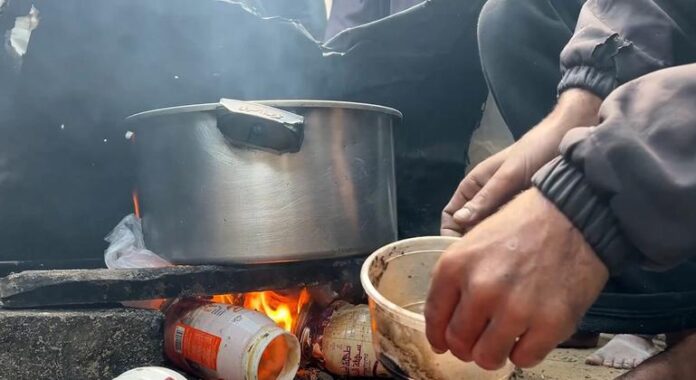
The UN agency is sounding the alarm following the release of the latest Integrated Food Security Phase Classification (IPC) report, which uses a scale from 1 to 5 to assess conditions.

It reveals that more than half the Haitian population, a record 5.7 million people, are projected to experience acute food insecurity through June.

Of this number, just over two million are projected to face emergency level hunger (IPC phase 4).  

About 8,400 are expected to face catastrophe (IPC Phase 5), the most critical level of food insecurity where people experience an extreme lack of food, severe acute malnutrition and risk of starvation. 

Families on the run

Haiti continues to be in the grip of heavily armed gangs, particularly in the capital Port-au-Prince, and the violence has forced over one million people to flee to safety.

Displaced families are sheltering in schools and public buildings in overcrowded and unsanitary conditions with limited access to clean food, water and healthcare.

WFP and partners have scaled up operations, reaching more than 1.3 million people to date this year, including a record one million people in March – the highest number assisted in one month.

Critical funding needs

However, needs are outpacing resources and WFP urgently needs $53.7 million to continue its lifesaving operations over the next six months.

“Right now, we’re fighting to just hold the line on hunger,” said Wanja Kaaria, WFP Country Director in Haiti.

“To keep pace with the growing crisis, we call on the international community to provide urgent support – and above all, the country needs peace.”

WFP is providing emergency assistance as well as long-term support to internally displaced people. It has supplied 740,000 hot meals to more than 112,000 recently displaced people so far this year, as well as cash for food and support to prevent malnutrition among children. 

Moreover, it has secured unprecedented access to areas controlled by armed groups, delivering lifesaving food to several hard-to-reach communities.

WFP also manages the United Nations Humanitarian Air Service (UNHAS) which continues to serve as a vital lifeline, ensuring that aid workers and supplies reach communities in need.

Children going hungry

Meanwhile, the UN Children’s Fund (UNICEF) warned that over one million boys and girls in Haiti are facing critical levels of food insecurity.

Overall, UNICEF estimates that 2.85 million children – or one quarter of all children in the country – are facing consistently high levels of food insecurity.

“We are looking at a scenario where parents can no longer provide care and nutrition to their children as a result of ongoing violence, extreme poverty, and a persistent economic crisis,” said Geeta Narayan, UNICEF Representative in Haiti. 

Health system strained

Furthermore, with food insecurity on the rise, Haiti is also confronting a growing public health emergency.  

Across the country health services are under immense pressure. Less than half of health facilities in the capital city are fully operational, and two out three of the major public hospitals are out of commission.

The impact on children is severe, UNICEF said, with healthcare and lifesaving treatment becoming increasingly inaccessible – putting children at greater risk of various forms of malnutrition and preventable disease. 

UNICEF added that in much of the country, armed violence has restricted children’s access to food. With worsening food insecurity and unrest, the crisis has resulted in a nutrition crisis for families.  

The UN agency and partners have treated over 4,600 children with severe acute malnutrition so far in 2025, but this represents less than four per cent of the 129,000 children projected to need life-saving treatment this year. 

UNICEF noted that funding shortfalls are constraining humanitarian response as needs intensify, with a childhood nutrition programme facing a critical 70 per cent funding gap. 

Source link

Europol supports strike-down on criminal organisation smuggling tens of thousands of hazardous salvage cars from the US

0

The investigation, code-named ‘Nimmersatt’ (‘Insatiable’ in German), extended from the US to Russia, with links to Canada, Hungary, Ireland and the United Kingdom (UK), as well as 11 EU countries. Investigative measures were conducted today and yesterday in Bulgaria, Estonia, Germany, Hungary, Latvia, Lithuania, the Netherlands, Portugal, Romania and Spain.Wrecked cars, fake import papers, cosmetic repairs and tax fraudCriminal organisations…

Source link

External flow of weapons into Sudan must end, insists UN’s Guterres

0
External flow of weapons into Sudan must end, insists UN’s Guterres

And amid spiralling violence and the massacre of civilians linked to advancing opposition forces in the Darfurs at the weekend, the UN chief called for an end to outside interference in Sudan that could lead to it breaking up into Government and opposition-held regions.

“I am deeply concerned that weapons and fighters continue to flow into Sudan, allowing the conflict to persist and spread across the country,” the Secretary-General said.

“The external support and flow of weapons must end. Those with greatest influence on the parties must use it to better the lives of people in Sudan – not to perpetuate this disaster.”

Tens of millions need help

Behind Tuesday’s grim two-year anniversary is the largest displacement crisis in the world – and the worst humanitarian crisis – UN agencies say. 

Basic infrastructure in the capital, Khartoum, has been devastated by fighting and aid teams have warned that help is needed urgently to support the estimated three million people who are expected to return there.

“The situation in Khartoum is extremely dire, especially in the areas where the conflict has been intense,” said Luca Renda, UN Development Programme (UNDP) representative for Sudan, following the city’s recent recapture by Sudanese Armed Forces.

Speaking to journalists in Geneva after an assessment mission to the capital, he reported seeing “massive destruction of infrastructure, no access to water, no electricity and of course a lot of contamination of unexploded ordnance”.

The massacre accredited to opposition Rapid Support Forces (RSF) and their affiliates in Darfur’s Zamzam and Abu Shouk camp reportedly claimed the lives of 400 civilians and nine medical workers from the NGO Relief International. 

It is just the latest tragedy in a conflict marked by horrific levels of sexual violence.

According to the UN migration agency, IOM, an estimated 80,000 people have already fled Zamzam but this number could reach 400,000.

Male residents were the “main target” and they have been fleeing to reach the regional capital, El Fasher, which remains under control of the Sudanese army despite ongoing assaults by RSF. 

Speaking from Port Sudan, IOM Chief of Mission in the country, Mohamed Refaat, said that women survivors of sexual violence told him how they had been attacked “in front of their injured husbands, in front of their screaming children”.

Linked to this is a staggering 288 per cent increase in demand for lifesaving support following rape and sexual violence, said Anna Mutavati, UN Women Regional Director for East and Southern Africa.

“We have also seen what is beginning to look like systematic use of rape and sexual violence as a weapon of war. We have seen women’s lives and women’s bodies being turned into battlegrounds in this conflict.” 

The Sudan conflict was the focus of a meeting in London on Monday, which the UN Secretary-General’s Personal Envoy for Sudan attended.

Ramtane Lamamra told participants that he intends to intensify his interactions with interlocutors in Sudan and the broader region.

He added that urgent political engagement is needed to forestall Sudan’s permanent fragmentation, which would have obviously, grave consequences for the region and beyond.

The envoy reaffirmed UN commitment to continue to back all efforts that seek to launch an inclusive and credible political process. 

Source link

Monetary policy decisions

0
Monetary policy decisions

17 April 2025

The Governing Council today decided to lower the three key ECB interest rates by 25 basis points. In particular, the decision to lower the deposit facility rate – the rate through which the Governing Council steers the monetary policy stance – is based on its updated assessment of the inflation outlook, the dynamics of underlying inflation and the strength of monetary policy transmission.

The disinflation process is well on track. Inflation has continued to develop as staff expected, with both headline and core inflation declining in March. Services inflation has also eased markedly over recent months. Most measures of underlying inflation suggest that inflation will settle at around the Governing Council’s 2% medium-term target on a sustained basis. Wage growth is moderating, and profits are partially buffering the impact of still elevated wage growth on inflation. The euro area economy has been building up some resilience against global shocks, but the outlook for growth has deteriorated owing to rising trade tensions. Increased uncertainty is likely to reduce confidence among households and firms, and the adverse and volatile market response to the trade tensions is likely to have a tightening impact on financing conditions. These factors may further weigh on the economic outlook for the euro area.

The Governing Council is determined to ensure that inflation stabilises sustainably at its 2% medium-term target. Especially in current conditions of exceptional uncertainty, it will follow a data-dependent and meeting-by-meeting approach to determining the appropriate monetary policy stance. In particular, the Governing Council’s interest rate decisions will be based on its assessment of the inflation outlook in light of the incoming economic and financial data, the dynamics of underlying inflation and the strength of monetary policy transmission. The Governing Council is not pre-committing to a particular rate path.

Key ECB interest rates

The Governing Council today decided to lower the three key ECB interest rates by 25 basis points. Accordingly, the interest rates on the deposit facility, the main refinancing operations and the marginal lending facility will be decreased to 2.25%, 2.40% and 2.65% respectively, with effect from 23 April 2025.

Asset purchase programme (APP) and pandemic emergency purchase programme (PEPP)

The APP and PEPP portfolios are declining at a measured and predictable pace, as the Eurosystem no longer reinvests the principal payments from maturing securities.

***

The Governing Council stands ready to adjust all of its instruments within its mandate to ensure that inflation stabilises sustainably at its 2% target over the medium term and to preserve the smooth functioning of monetary policy transmission. Moreover, the Transmission Protection Instrument is available to counter unwarranted, disorderly market dynamics that pose a serious threat to the transmission of monetary policy across all euro area countries, thus allowing the Governing Council to more effectively deliver on its price stability mandate.

The President of the ECB will comment on the considerations underlying these decisions at a press conference starting at 14:45 CET today.

Source link

Monetary policy decisions

0
Monetary policy decisions

17 April 2025

The Governing Council today decided to lower the three key ECB interest rates by 25 basis points. In particular, the decision to lower the deposit facility rate – the rate through which the Governing Council steers the monetary policy stance – is based on its updated assessment of the inflation outlook, the dynamics of underlying inflation and the strength of monetary policy transmission.

The disinflation process is well on track. Inflation has continued to develop as staff expected, with both headline and core inflation declining in March. Services inflation has also eased markedly over recent months. Most measures of underlying inflation suggest that inflation will settle at around the Governing Council’s 2% medium-term target on a sustained basis. Wage growth is moderating, and profits are partially buffering the impact of still elevated wage growth on inflation. The euro area economy has been building up some resilience against global shocks, but the outlook for growth has deteriorated owing to rising trade tensions. Increased uncertainty is likely to reduce confidence among households and firms, and the adverse and volatile market response to the trade tensions is likely to have a tightening impact on financing conditions. These factors may further weigh on the economic outlook for the euro area.

The Governing Council is determined to ensure that inflation stabilises sustainably at its 2% medium-term target. Especially in current conditions of exceptional uncertainty, it will follow a data-dependent and meeting-by-meeting approach to determining the appropriate monetary policy stance. In particular, the Governing Council’s interest rate decisions will be based on its assessment of the inflation outlook in light of the incoming economic and financial data, the dynamics of underlying inflation and the strength of monetary policy transmission. The Governing Council is not pre-committing to a particular rate path.

Key ECB interest rates

The Governing Council today decided to lower the three key ECB interest rates by 25 basis points. Accordingly, the interest rates on the deposit facility, the main refinancing operations and the marginal lending facility will be decreased to 2.25%, 2.40% and 2.65% respectively, with effect from 23 April 2025.

Asset purchase programme (APP) and pandemic emergency purchase programme (PEPP)

The APP and PEPP portfolios are declining at a measured and predictable pace, as the Eurosystem no longer reinvests the principal payments from maturing securities.

***

The Governing Council stands ready to adjust all of its instruments within its mandate to ensure that inflation stabilises sustainably at its 2% target over the medium term and to preserve the smooth functioning of monetary policy transmission. Moreover, the Transmission Protection Instrument is available to counter unwarranted, disorderly market dynamics that pose a serious threat to the transmission of monetary policy across all euro area countries, thus allowing the Governing Council to more effectively deliver on its price stability mandate.

The President of the ECB will comment on the considerations underlying these decisions at a press conference starting at 14:45 CET today.

Source link