Monday, September 28, 2026
Home Blog Page 604

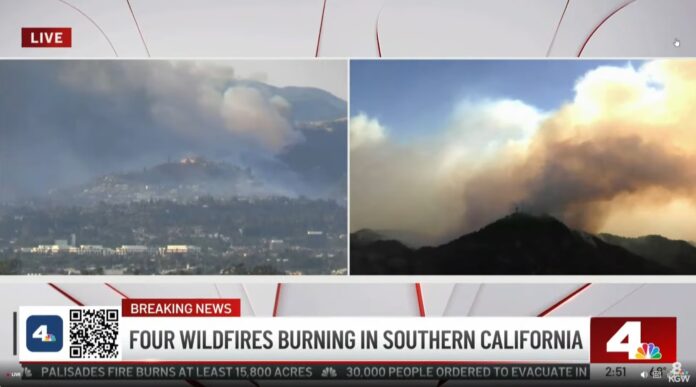
Unprecedented Firestorm Devastates Los Angeles: Five Dead, 2,000 Structures Destroyed

0

The Los Angeles area is reeling from one of the most catastrophic firestorms in recent memory, leaving five people dead, over 2,000 structures damaged or destroyed, and countless lives forever changed. The Eaton, Palisades, and Sunset fires have unleashed devastation across Los Angeles County, prompting mass evacuations, straining emergency resources, and leaving a charred landscape in their wake. With red flag warnings still in effect and the fires 0% contained, officials warn that the crisis is far from over.

Lives Lost Amid the Flames

Five bodies were discovered in three separate structures in Altadena, where the Eaton fire erupted with ferocious intensity on Tuesday night. The victims had little time to escape as the fire consumed their homes, pushed by wind gusts of up to 99 mph. The Los Angeles County Fire Department has called in K-9 units trained in human-remains detection to ensure no other lives were lost in the blaze.

“It’s a tragic loss,” said L.A. County Fire Chief Anthony Marrone. “We are doing everything we can to help those affected, but the scale of this disaster is overwhelming.”

An Unprecedented Inferno

In total, more than 15,800 acres have burned in the Pacific Palisades alone, where multimillion-dollar homes along Pacific Coast Highway were reduced to ash. Another 10,600 acres have burned in the Eaton fire near Altadena and Pasadena. Meanwhile, the Sunset fire in the Hollywood Hills ignited Wednesday evening, forcing evacuations in the Runyon Canyon area.

“What we saw here in the last 24 hours is unprecedented,” said LAPD Chief Jim McDonnell. “I’ve never seen anything like this.”

Strained Resources, Desperate Measures

Firefighting efforts have been hampered by extreme winds, bone-dry brush, and an overburdened emergency response system. L.A. County firefighters, along with reinforcements from across California, Arizona, and Oregon, are battling multiple blazes with limited resources. In some areas, firefighters were forced to make agonizing decisions, bypassing some homes to save others as residents watched in despair.

In Pacific Palisades, firefighters encountered dry hydrants due to the overwhelming demand on the water system. Meanwhile, gusts nearing 100 mph pushed flames into the Santa Monica Mountains, creating a nearly impossible situation for ground crews.

“We don’t have enough fire personnel in L.A. County between all the departments to handle this,” admitted Marrone. “It’s stretching our capacity to the absolute limit.”

A Community Under Siege

Evacuation orders and warnings have displaced 130,000 residents across Los Angeles County. In Altadena, homeowners were left to defend their properties with garden hoses as fire engines sped past to more urgent hotspots. In Pacific Palisades, the flames engulfed entire stretches of Pacific Coast Highway, leaving residents unsure if they would have homes to return to.

Bill Stange, a longtime Palisades resident, fled his home with just a few belongings. By morning, reports suggested his entire hillside neighborhood was gone. His home, rebuilt after a 1993 fire, had been in his family for decades.

“I don’t think the fire department is ready for a thing like this,” Stange said. “It’s too big.”

Federal and State Assistance

President Biden and California Governor Gavin Newsom have pledged every available resource to combat the fires. National Guard units and Navy helicopters equipped with water buckets are en route to assist the overwhelmed crews. During a briefing, Biden described the situation as “astounding” and promised unwavering federal support.

“We’re prepared to do anything and everything for as long as it takes to contain these fires,” Biden said.

The Role of Weather and Climate

The firestorm has been fueled by an unprecedented combination of extreme weather and environmental conditions. With Los Angeles receiving just 0.16 inches of rain since October, vegetation has been transformed into tinder. Paired with the fierce Santa Ana winds, the result is what meteorologists have called a “catastrophic situation.”

“These winds surpass the 2011 windstorm in magnitude, coverage, and destruction,” said Ariel Cohen, meteorologist for the National Weather Service in Oxnard. “This is a once-in-a-generation kind of windstorm, accompanied by a complete apocalyptic scene.”

A Call for Vigilance

With the fires spreading unpredictably, officials warn that no area is truly safe. LAPD Chief McDonnell urged residents to remain alert and ready to evacuate at a moment’s notice.

“These are unprecedented conditions,” McDonnell said. “None of us know where the next fire will ignite.”

The Human Toll

Amid the destruction, countless stories of loss and resilience are emerging. In Pacific Palisades, a veterinarian took in 39 pets displaced by the fire, highlighting the profound impact on both humans and animals. For families like the Stanges, rebuilding will be an uphill battle, complicated by rising construction costs and dwindling resources.

“This community is strong, but we’ve never faced anything like this,” said one Malibu resident. “We’ll need every bit of help we can get.”

The Road Ahead

As firefighters battle the flames, attention is turning to the long-term implications of this disaster. The strain on emergency services, the frequency of red flag warnings, and the impact of climate change on fire behavior are pressing concerns. For now, the focus remains on saving lives and protecting what little remains.

“We are absolutely not out of danger yet,” said Los Angeles Fire Chief Kristin Crowley. “But we will fight this with everything we have.”


This tragic firestorm serves as a sobering reminder of the power of nature and the resilience of those who face it. As Los Angeles begins the arduous journey toward recovery, the scars left by this unprecedented disaster will remain etched in the region’s history.

Air pollution from heating and cooling: stepping up clean energy use urgently needed

0
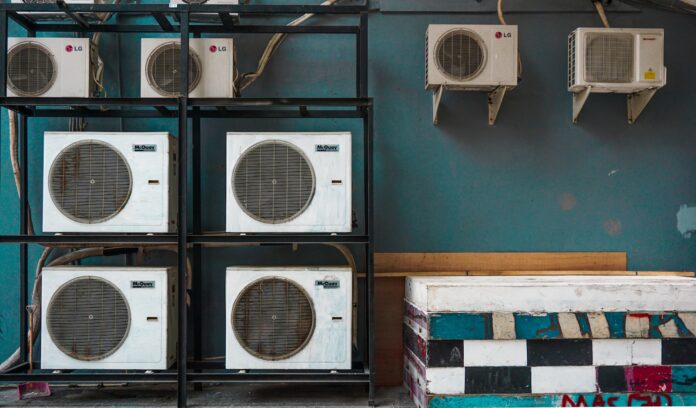
white and black box fan on brown wooden shelf
Photo by Dewi Karuniasih on Unsplash

Heating and cooling systems remain a major source of air pollution across the continent. A JRC study underscores the urgent need to accelerate the adoption of cleaner, more efficient, and renewable technologies in this sector.

Air pollution remains a critical environmental challenge in the EU, with the heating and cooling sector significantly contributing to the release of harmful pollutants. These emissions include 73% of particulate matter (PM2.5), 33% of nitrogen oxides (NOx), 2% ammonia (NH3), 18% of non-methane volatile organic compounds (NMVOCs), 61% of carbon monoxide (CO) and 49% of sulphur dioxide (SO2) – all of which pose serious health risks. Buildings and our homes are a key source of these pollutants.

Following the revision of the Ambient Air Quality Directive, several Member States will need to deploy additional efforts to comply with the more stringent air quality 2030 targets, as the EU has aligned its standards more closely with the World Health Organization’s (WHO) air quality guideline levels. 

In this situation, correctly identifying the drivers behind air pollution is crucial for selecting and recommending cleaner alternatives to current practices.

Despite a gradual shift to less polluting energy sources for heating in the EU, combustion devices emitting pollutants still dominate the energy mix, accounting for 97% of heat production in 2022, according to a JRC study. 

The last two decades have seen progress in the quality and efficiency of European heating. While the EU27 decreased its overall gross final energy consumption (GFEC) in 2022 (latest data available at the time of the study) by 9.5% compared to 2005, consumption for heating and cooling has performed better, reducing by 16% over the same period. This is in part due to lower energy needs for heating buildings and partly to more efficient heating appliances.

The use of heat pumps, with no direct pollutant emissions, has increased six-fold since 2005, currently accounting for 3.7% of gross final energy consumption.  While the heating and cooling sector achieved a 25% renewable energy share in 2022, heat pumps still represent a relatively small portion, contributing only 15%. 

Pollutant emissions from heating are dominated by the residential sector (85% of PM2.5, 82% of NMVOC, 79% of ammonia and 76% of CO) showing the need for more stringent pollution emission limits to be set for appliances sold for use in this sector. The analysis shows that this is particularly relevant for biomass for PM2.5 and gas and biomass for NOx.

Building on earlier research on small-scale combustion and ongoing efforts to improve air pollutant emission estimates in the Emissions Database for Global Atmospheric Research (EDGAR), the study pinpoints key factors influencing emissions: 

  • the type of fuel used (such as natural gas, wood, oil, pellets, or electricity),
  • the technology employed (like stoves, chimneys, boilers or heat pumps), 
  • the overall efficiency of these systems.

National Energy and Climate Plans 

The study also analysed both 2019 National Energy and Climate Plans (NECPs), and the 2023 draft NECPs which outline how EU countries intend to meet their energy and climate targets for 2030. The findings show an increase in renewable targets. 

For instance, Sweden aims to further increase its renewable energy contribution in heating and cooling compared to the contribution outlined in its 2019 NECP, reaching a share of 73% by 2030, while Denmark, aiming for a 77% share, shows the largest increase in percentage points (17 pp) comparing its two NECP submissions.

However, 12 Member States still fall short of new EU requirements and many countries still project 2030 renewable shares below expected levels. The Commission has issued recommendations on the draft updated NECPs, including where relevant, on the need to increase the ambition for renewables. Member States are now finalising their NECPs, taking into account the Commission recommendations.

Heat pump use is set to rise 22% by 2030, based on 2023 NECP drafts, whereas biomass heating projections have only slightly increased, with some countries reducing targets due to air quality concerns.

These findings highlight the complex and multifaced challenge for the EU efforts to balance energy needs with air quality and decarbonisation goals. 

Indeed, while progress has been made in renewable adoption and energy efficiency, the continued reliance on fossil fuels and biomass in heating systems poses ongoing air quality risks.

Background and policy relevance

The EU has adopted a comprehensive strategy to combat air pollution, combining regulatory measures, strategic initiatives and a strong emphasis on renewable energy and energy efficiency. 

The EU’s updated energy framework, reflected in the recent revisions of Renewable Energy Directive, the Energy Efficiency Directive and the Energy Performance in Buildings Directive, along with the Net Zero Industry Act, provides a strong policy signal to support clean heating solutions. It promotes the adoption of efficient district heating and heat pumps while setting the path for the gradual phase-out of fossil fuel-based boilers.

Related links

Why the US does not cancel visas for Bulgarians

0

Bulgaria and the Republic of Cyprus remain the only EU member states whose citizens will need US visas

Since 2006, the percentage of denied B-type visas for Bulgarians to the US has been below 10% twice, and in 2024 it was 6.02%, which is the lowest percentage. This is shown by a BTA report on the US State Department website.

One of the technical conditions for including our country in the US Visa Waiver Program is

the percentage of denied tourist visas for Bulgarian citizens not to exceed 3%.

The percentage of denials in 2024 – 6.02%; 2023 – 11.61%; 2022 –10.00%; 2021 – 18.40%; 2020 –12.52%; 2019 – 9.75%; 2018 – 11.32%; 2017 – 14.97%; 2016 – 16.86%; 2015 – 17.26%; 2014 – 15.2%; 2013 – 19.9%; 2012 – 18.00%; 2011 – 15.7%; 2010 – 17.2%; 2009 – 17.8%; 2008 – 13.3%; 2007 – 14.3%; 2006 – 17.5%.

The percentage of denied B visas for the United States for the fiscal year 2024 is 6.02%, the Ministry of Foreign Affairs (MFA) announced at the end of November last year. The Foreign Ministry launched the “Visa Academy” campaign, part of the efforts to include our country in the US Visa Waiver Program.

The highest refusal rate – 19.9% was in 2013.

In 2019, it was 9.75%, according to data from the US State Department.

On January 10, the official cancellation of US visas for Romanian citizens will be announced. This will take place at a meeting in Washington between Homeland Security Secretary Alejandro Mayorkas and Romanian Ambassador to the US Andrei Muraru, the Romanian Embassy in Washington announced yesterday in a Facebook post.

As a result of the decision of the US Federal Government,

Romania will become the 43rd country included in the “Visa Waiver” program, which allows visa-free travel for up to 90 days for tourist or business purposes.

On November 27, the U.S. Department of State confirmed that Romania had met the visa denial rate criterion – in fiscal year 2024 (October 1, 2023 to September 30, 2024), 2.61% of Romanian applicants were denied U.S. visas.

In addition to the visa denial criterion, inclusion in the Visa Waiver Program requires the fulfillment of criteria related to the security of travel documents and information exchange, as well as the implementation of specific measures in the fight against terrorism and illegal migration.

After Romania’s inclusion in the Visa Waiver Program for the United States,

Bulgaria and the Republic of Cyprus will remain the only EU member states whose citizens will require U.S. visas.

Croatia was admitted to the Visa Waiver Program in October 2021.

On November 18, Bulgarian Acting Minister of Foreign Affairs Ivan Kondov highlighted Bulgaria‘s progress in fulfilling the criteria for the country’s inclusion in the US Visa Waiver Program during his meeting with US Deputy Secretary of State for Management and Resources Richard Verma. The US side welcomed the efforts of the Bulgarian authorities in this direction and expressed confidence that the upward trend will continue.

Illustrative Photo by Sharefaith: https://www.pexels.com/photo/flag-of-america-1202723/

Why Do Dogs Jump When They’re Excited

0

This probably sounds familiar. Does your dog jump every time you come home? Does he jump when you tell him it’s time for a walk and you pick up his leash? Does he even jump when you’re about to throw him a ball. Yes, this behavior in our pets is something we encounter every day and most of us take for granted. But is it really that?

Why do dogs jump when they’re excited?

Dogs jump to greet people because it’s a natural behavior for their species. When four-legged friends meet outside, they sniff each other and may even lick their faces. Well, your furry friend wants to do the same with you… except you’re a lot taller! And to reach you, the animal has to jump to get your attention.

In addition to greeting, dogs also jump out of pure excitement. Our pets experience a variety of emotions, which they sometimes channel into the gesture of jumping: happiness at seeing their favorite toy, a new bone, their leash in your hand (a signal that it’s time for a walk).

Sometimes dogs jump to assert their place in the pack. Being taller (at least as tall as) their human can be a way to demonstrate authority and status in the hierarchy. On the other hand, licking your face while jumping can also be interpreted as a sign of submission. A behavior inherited from your pet’s wolf ancestors. Puppies lick their mother’s muzzle out of affection and respect.

Another reason why dogs jump is because it can give them a sense of control in unsettling situations, such as a stranger walking through the door. Your pet may not be happy to see this new person and may jump out of fear and/or nervousness in response to their appearance. Yes, there are indeed many valid (from the dog’s perspective!) reasons for jumping!

Encouraging the behavior – why shouldn’t we do it?

It is not advisable to encourage your pet’s jumping behavior for many reasons: danger of scratches, muddy paws, injury to small children and more. Sometimes you may be rewarding it without even realizing it! Think about it: if you shower your jumping dog with kisses and attention when you come in the door, he will think that everything is in order and will continue to do the same thing whenever you come home. Instead, try to ignore (as much as you can) your dog – moan motionlessly and cross your arms, saying nothing until he calms down.

It may take some time and practice, but eventually your pet will understand. It is also important to recognize and encourage the moments when your pet is calm. Keep treats on hand and give them to your dog every time he greets you calmly.

Illustrative Photo by Pixabay: https://www.pexels.com/photo/white-dog-terrier-jumping-near-grass-field-during-daytime-159692/

Archbishop George of Cyprus on the management of church property: I think there should be more order

0

Two years after his election as head of the Cyprus Archdiocese, Archbishop George spoke in an interview with the newspaper “Phileleuteros” about the problems he has encountered in the management of church property.

He intends to combat the vicious practices in the management of church property, which are damaging to the church. “Some people enter agricultural plots of the diocese and declare that they are cultivating them, even receiving state subsidies.” This has been discontinued, and whoever wants to use church land will have to pay. No compromises will be made for anyone. An assessment has been made of the condition of the agricultural lands of the archdiocese, which, according to him, have not been managed in the best way for the Church. “A certain order has been introduced on this issue since this year, which continues to concern us.”

The Cyprus Archdiocese lost over 100 million euros during the banking crisis, the Archbishop said, and this has affected the financial stability of the church. The Archbishop spoke about the ongoing investigation, which began during the time of the late Archbishop Chrysostomos II, into the misappropriation of archdiocese property. The property of the largest church in the Cypriot capital, Nicosia, “Holy Mother of God Appearing (Phaneromeni)”, which owns more than a hundred properties, is also a problem. The Archbishop said that in this case, legal cases have been filed against tenants who pay inadequately low rent and refuse a reasonable review of unprofitable rents. “I think there should be more order, although everyone sees things from their own perspective,” he said. The Archbishop specified that this is not about some “lonely elderly woman living in a house”, but about commercial premises. No compromise was made for anyone, including relatives of Archbishop Chrysostomos I of Cyprus (1977-2007).

“Furthermore, I have given instructions that the properties of the archdiocese be evaluated or even improved, where necessary, with a view to renting them out, considering that we do not wish to alienate church property.”

He noted that the Church of Cyprus also contributes a significant amount to the defense of Cyprus. Recently, the Cyprus Archdiocese allocated 1.2 million euros for the renovation of the dormitories of the Naval Cadet School in Greece. The Holy Synod has also decided to allocate a certain amount each year for the defense of Cyprus, but the Archbishop did not name the specific amount.

In addition, only the Archdiocese allocates 1 million euros annually for scholarships and other social needs, the other Cypriot metropolitanates also have their own social programs. The Archbishop specified that all these funds do not come from the church treasury, where the income is not even enough for the maintenance of the temples, but from the Church’s shares in various business sectors. Currently, the Church of Cyprus is investing in photovoltaics. It also became clear that the Church of Cyprus used a state subsidy to build student dormitories. He also believes that the salaries of the Archdiocese’s employees are too disproportionate. There are people who receive up to 300,000 euros per year, 8,000 euros in salary and additional income through their participation in various boards of directors of the organizations or companies of the Archdiocese, and others who receive 12-13,000 euros per year. “I do not deny that everyone should receive remuneration according to their qualities and work, but we are not a private company, but a church,” he noted. “A supplement of 1,000 euros per month is enough to cover participation in each board and to feel useful to the church. The amount saved in allowances is significant and can be used to increase the salaries of other employees.

When asked if he is not worried about opposition, Archbishop Georgi replies: “I am worried, but I am more worried about what I feel inside and when I ask myself the question of what I should do, my inner voice tells me that it will not forgive me if I pretend that nothing is happening.”

Mass “escape” of foreign workers from Romania

0

Over the past four years, the country has allowed access to its labor market for 350,000 people from non-EU countries. At the end of 2024, records show that 150,000 of them remained

100,000 people from non-EU countries are granted the right to work in Romania every year, but a large part of them do not stay in the country permanently, Digi 24 TV reported, quoted by BTA.

In 2025, Romania will again issue work permits to 100,000 foreign workers in search of a solution to the labor market crisis. The same number were hired last year, but about 65,000 of them have left, the TV noted.

Over the past four years, Romania has allowed access to its labor market for 350,000 workers from non-EU countries. At the end of 2024, records show that 150,000 of them remain.

Ana Calugaru, a representative of a recruitment platform, told Digi24 that many Asian job seekers see Romania only as a transit point to other countries in Western Europe. According to Calugaru, another explanation for this situation is the failed integration of the labor market.

The main areas of activity of foreign workers in Romania are hospitality and deliveries, Digi24 points out.

Illustrative Photo by Longxiang Qian: https://www.pexels.com/photo/low-angle-photography-of-building-1718337/

The Bahá’í World: A Revival of Vision and Unity in a New Era

0

The Bahá’í World Resumes Historic Series with New Volume Highlighting Global Spiritual and Social Progress

A treasured chronicle of spiritual and social evolution has been revitalized with the release of the 35th volume of The Bahá’í World. This historic publication weaves a narrative of millions of people worldwide working together to advance the spiritual and social well-being of their communities.

The Universal House of Justice, the global governing body of the Bahá’í Faith, highlighted the significance of the volume in a message to all Bahá’í National Spiritual Assemblies. They wrote, “…this new volume presents the growing experience of the Bahá’í community as an example of the potentialities within the human race to overcome conflict and division, to create new patterns of thought and human interaction, and to lay the foundations of a world that embodies the principle of the oneness of humankind.”

Spanning 455 pages, the volume delves into pivotal themes, including the evolving patterns of thought and action inspired by Bahá’í principles, innovative approaches to spiritual and material education, and the development of an administrative system aimed at fostering global unity. Lavishly illustrated with photographs and artwork from around the world, it reflects the Bahá’í conviction that humanity is one family.

A Legacy Resumed

First launched in 1926 by Shoghi Effendi, the Guardian of the Bahá’í Faith, The Bahá’í World was envisioned as a comprehensive record of the Bahá’í community’s progress and contributions to society. This latest volume, covering the period from 2006 to 2021, resumes that legacy after a pause in print publications. It offers insights into a transformative era for the global Bahá’í community, characterized by initiatives inspired by the teachings of Bahá’u’lláh to promote unity and uplift society.

Capturing a Period of Growth and Innovation

The 35th volume sheds light on a remarkable time in the development of the Bahá’í Faith, during which countless individuals were motivated to serve their fellow human beings. The stories and reflections in this edition underscore humanity’s capacity to overcome divisions and embrace new paradigms of cooperation and harmony.

The publication chronicles not only the progress of the Bahá’í community but also its influence on broader societal trends, showcasing contributions to education, environmental stewardship, and the pursuit of justice. It serves as both a source of inspiration and a record of how Bahá’í principles are being translated into tangible action worldwide.

Modern Relevance and Timeless Purpose

Although many of the functions once served by The Bahá’í World have been integrated into digital platforms and other publications—such as Bahai.org, the Bahá’í World News Service, and For the Betterment of the World—this latest print volume carries forward the tradition of preserving a historical record. The revival of this format ensures that significant developments and ideas continue to be accessible for reflection and study.

The cloth-bound volume will soon be available through the United States Bahá’í Distribution Service, offering readers a chance to explore its rich content firsthand.

This latest publication stands as a testament to the enduring vision of the Bahá’í community to foster global unity and progress, inviting readers to join in contemplating the spiritual and social potential of humanity.

Air pollution from heating and cooling: stepping up clean energy use urgently needed

0
Air pollution from heating and cooling: stepping up clean energy use urgently needed

Air pollution remains a critical environmental challenge in the EU, with the heating and cooling sector significantly contributing to the release of harmful pollutants. These emissions include 73% of particulate matter (PM2.5), 33% of nitrogen oxides (NOx), 2% ammonia (NH3), 18% of non-methane volatile organic compounds (NMVOCs), 61% of carbon monoxide (CO) and 49% of sulphur dioxide (SO2) – all of which pose serious health risks. Buildings and our homes are a key source of these pollutants.

Following the revision of the Ambient Air Quality Directive, several Member States will need to deploy additional efforts to comply with the more stringent air quality 2030 targets, as the EU has aligned its standards more closely with the World Health Organization’s (WHO) air quality guideline levels. 

In this situation, correctly identifying the drivers behind air pollution is crucial for selecting and recommending cleaner alternatives to current practices.

Despite a gradual shift to less polluting energy sources for heating in the EU, combustion devices emitting pollutants still dominate the energy mix, accounting for 97% of heat production in 2022, according to a JRC study. 

The last two decades have seen progress in the quality and efficiency of European heating. While the EU27 decreased its overall gross final energy consumption (GFEC) in 2022 (latest data available at the time of the study) by 9.5% compared to 2005, consumption for heating and cooling has performed better, reducing by 16% over the same period. This is in part due to lower energy needs for heating buildings and partly to more efficient heating appliances.

The use of heat pumps, with no direct pollutant emissions, has increased six-fold since 2005, currently accounting for 3.7% of gross final energy consumption.  While the heating and cooling sector achieved a 25% renewable energy share in 2022, heat pumps still represent a relatively small portion, contributing only 15%. 

Pollutant emissions from heating are dominated by the residential sector (85% of PM2.5, 82% of NMVOC, 79% of ammonia and 76% of CO) showing the need for more stringent pollution emission limits to be set for appliances sold for use in this sector. The analysis shows that this is particularly relevant for biomass for PM2.5 and gas and biomass for NOx.

Building on earlier research on small-scale combustion and ongoing efforts to improve air pollutant emission estimates in the Emissions Database for Global Atmospheric Research (EDGAR), the study pinpoints key factors influencing emissions: 

  • the type of fuel used (such as natural gas, wood, oil, pellets, or electricity),
  • the technology employed (like stoves, chimneys, boilers or heat pumps), 
  • the overall efficiency of these systems.

National Energy and Climate Plans 

The study also analysed both 2019 National Energy and Climate Plans (NECPs), and the 2023 draft NECPs which outline how EU countries intend to meet their energy and climate targets for 2030. The findings show an increase in renewable targets. 

For instance, Sweden aims to further increase its renewable energy contribution in heating and cooling compared to the contribution outlined in its 2019 NECP, reaching a share of 73% by 2030, while Denmark, aiming for a 77% share, shows the largest increase in percentage points (17 pp) comparing its two NECP submissions.

However, 12 Member States still fall short of new EU requirements and many countries still project 2030 renewable shares below expected levels. The Commission has issued recommendations on the draft updated NECPs, including where relevant, on the need to increase the ambition for renewables. Member States are now finalising their NECPs, taking into account the Commission recommendations.

Heat pump use is set to rise 22% by 2030, based on 2023 NECP drafts, whereas biomass heating projections have only slightly increased, with some countries reducing targets due to air quality concerns.

These findings highlight the complex and multifaced challenge for the EU efforts to balance energy needs with air quality and decarbonisation goals. 

Indeed, while progress has been made in renewable adoption and energy efficiency, the continued reliance on fossil fuels and biomass in heating systems poses ongoing air quality risks.

Background and policy relevance

The EU has adopted a comprehensive strategy to combat air pollution, combining regulatory measures, strategic initiatives and a strong emphasis on renewable energy and energy efficiency. 

The EU’s updated energy framework, reflected in the recent revisions of Renewable Energy Directive, the Energy Efficiency Directive and the Energy Performance in Buildings Directive, along with the Net Zero Industry Act, provides a strong policy signal to support clean heating solutions. It promotes the adoption of efficient district heating and heat pumps while setting the path for the gradual phase-out of fossil fuel-based boilers.

Related links

Air pollution trends in the heating and cooling sector in the EU-27: A forward look to 2030

Air quality directive (revised)

WHO global air quality guidelines

Zero pollution action plan 

Emissions Database for Global Atmospheric Research 

Buildings and our homes are a key source of harmful pollutants.


Source link

Haiti’s destiny ‘bright’ despite terrifying escalation of violence

0
Haiti’s destiny ‘bright’ despite terrifying escalation of violence

Haiti is faced with a multifaceted crisis including rising gang violence, political instability, the displacement of over 700,000 people as well as widespread hunger.

UNICEF has reported a sharp increase in the recruitment of minors by armed gangs, with the number of child recruits rising by 70 per cent in the past year.  

Ulrika Richardson, the UN Resident and Humanitarian Coordinator for Haiti, spoke with UN News about what the United Nations is doing to support the Haitian people.

This interview has been edited for clarity and brevity

UN News: How would you describe the current situation in the country?

Ulrika Richardson: There has been a terrifying escalation of violence in certain parts of Haiti, which is tearing at the very fabric of society. There have been horrific massacres in the last three months of the year both in the capital Port-au-Prince, but also in near-by l’Artibonite.

These brutal acts of dehumanization will only deepen the collective trauma of the Haitian people.

Ulrika Richardson (right) meets a cacao farmer in western Haiti.

We cannot ignore this reality. We must centre these horrific events in our response, urgently expanding mental health and psychosocial support programmes, and integrating them into our long-term plan for stability.

As the UN we are committed to staying in Haiti to help the most vulnerable people through the current crisis.

We need to protect people currently in extremely vulnerable situations, particularly in Port-au-Prince, where security forces simply do not have the capacity to protect citizens.

This means supporting the hundreds of thousands of internally displaced people.

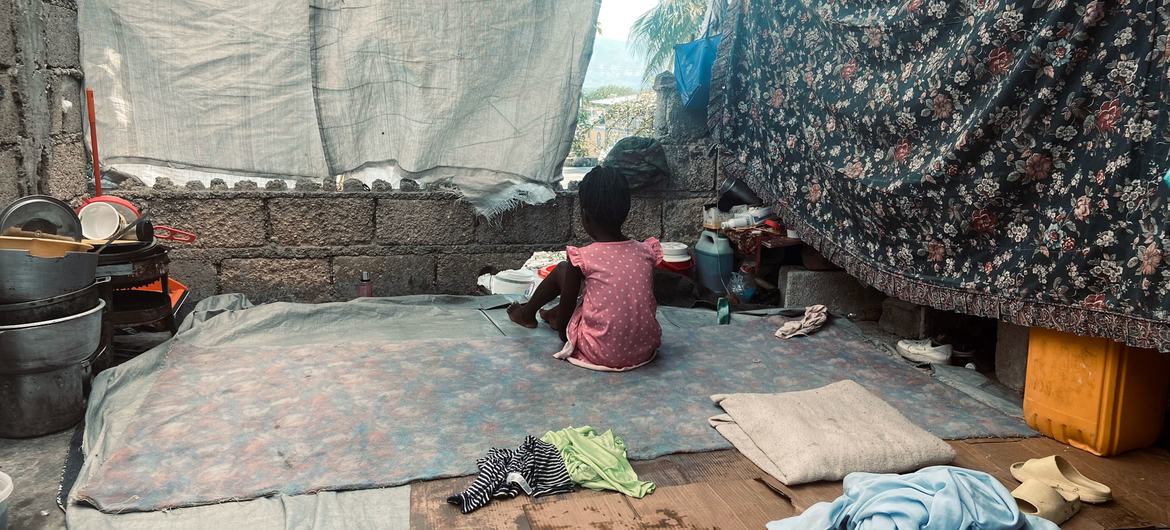
A young child whose family fled violence sits in a makeshift shelter in Port-au-Prince.

A young child whose family fled violence sits in a makeshift shelter in Port-au-Prince.

Families have fled their homes, often multiple times so we can start to imagine the magnitude of the wound they carry, and we must ensure they live in decent conditions.

So, at the moment, security is a prerequisite before addressing humanitarian challenges and then looking at a durable recovery.

UN News: It seems that every step you’ve taken, there have been two steps back. The deployment of the Multinational Security Support Mission appears to have stalled.

Ulrika Richardson: Of course, we are hoping that the situation improves. We will never give up hope and are working closely with the government, transitional authorities, civil society, and the private sector to make 2025 a better year than 2024.

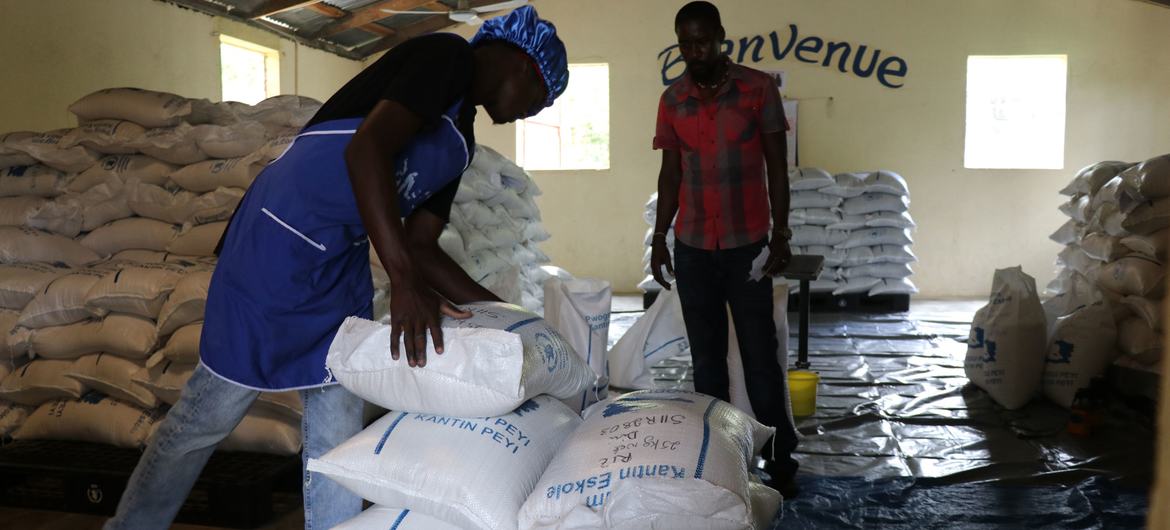
Workers in Haiti prepare humanitarian aid for distribution.

Workers in Haiti prepare humanitarian aid for distribution.

Despite strong leadership from Kenya with the non-UN multinational security support mission (MSS), which we really applaud, the mission is still in a pre-deployment phase because of a lack of sufficient funding from the international community. We have received important contributions, but they are very limited, so much more is needed.

Additional support is on the way. We have just heard that the MSS [mission] will receive more uniformed personnel and equipment. This move underscores the continued commitment to enhancing security in the country, a critical step toward advancing both humanitarian and development efforts in Haiti.

How important is security to political stability?

Haiti’s government is committed to its ambitious electoral agenda, including constitutional reform, which requires investment in economic recovery and social peace.

Security is essential to creating an environment where citizens can and want to vote. But there needs to be a doubling of efforts from UN Member States on all fronts today, not tomorrow, when it’s too late.

Haiti’s destiny is as bright as any other country. It needs to reclaim its position in the world as a symbol of hope, independence and freedom. There have been a lot of mistakes, but we need to learn from yesterday and see how we can improve things.

UN News: Could you expand on these mistakes?

Ulrika Richardson: If you look at economic incentives, why hasn’t there been investment into productive capacities of the country? Right now, insecurity has discouraged foreign investors because they need to have some type of guarantee of stability.

However, after the 2010 earthquake, there were a lot of investments, hardly seen anywhere before for a country of that size. But how much of that was invested back into strengthening Haitian institutions?

A police vehicle passes by the General Hospital in Port-au-Prince.

A police vehicle passes by the General Hospital in Port-au-Prince.

Equally important is ensuring that Haitians lead this process. I speak as someone who is not Haitian but as the UN in Haiti and recognising Haiti’s historic role as a founding UN Member State. So, our engagement is guided by deep respect for Haitian leadership and the vision of its people.

UN News: Talking about the future, the first thing that comes to mind is youth.

And youth in Haiti is at the centre of discussions around development and security. What step do you see as critical in the next year to empowering them and preventing their recruitment into armed gangs?

Opportunities. They need to have alternatives. We have, and need to continue to work on what these alternatives are. We want young people and children to be able to transition into being members of the community.

Some young people are coerced into joining gangs and there is an explanation for this.

If you can’t leave the capital because finding a job somewhere else means that you risk your life on gang-controlled roads and there is no job opportunity where you live, your parents may have been killed, and education is not an option, what do we expect them to do?

Many children from the age of eight are currently recruited by gangs to run errands, to be their informers.

Unfortunately, arms trafficking continues to happen despite the sanctions regime. We need to have a process in place and a much better response rate from neighbouring actors.

This is not impossible, there are human resources out there and a lot of creativity and desire to create something better for the country than in the past.

Source link

Wounded Ukrainian soldiers made a pilgrimage to Mount Athos

0

A total of twenty-two Ukrainian soldiers made a pilgrimage to Mount Athos. In search of physical and mental peace, the soldiers set off by bus from the Ukrainian city of Lviv and traveled more than 1,000 km to Mount Athos in the hope of escaping their intrusive memories of the battlefield. According to a Reuters report, during their five-day stay, the soldiers – some with amputated legs and arms, others with scars on their heads – made a pilgrimage to twelve monasteries. All the monasteries visited were Greek (although the Russian one has been inhabited and run mainly by Ukrainian monks for years, and in the Serbian and Bulgarian ones they would not have had a language barrier). Their visit to Mount Athos is part of a psychological support program organized by the Ukrainian authorities.

“Many soldiers are suffering from the events of the past three years. Many of them have various illnesses – they are wounded and need rehabilitation,” says Father Mykhailo Pasyrsky, a Ukrainian Orthodox priest who is accompanying the men on their journey.

Twenty-two-year-old Ivan Kovalik is one of the soldiers who lost both of his legs while on the front lines until September 2023. “Of course, coming here helped me a lot because I got rid of stress,” he says of his visit to Mount Athos, which he plans to repeat. “When I visited Mount Athos, I felt God’s grace, God’s blessing, God’s greatness,” says Orest Kavetsky, an employee of the Lviv administration who is helping organize the trip. According to him, these five days on Mount Athos in terms of their impact on the soldiers’ psyche correspond to a year of rehabilitation in medical centers.

Participation in military operations, especially on the scale and in the bloodshed in Ukraine, creates severe trauma for soldiers, who then have problems in their resocialization. The unnatural violence and killings deeply wound the psyche. Specialized care is required to overcome post-war stress, so that these young people can return to peaceful life, albeit with varying degrees of physical disability.

Illustrative Photo by Serafeim Barakos: https://www.pexels.com/photo/external-view-of-agiou-pavlou-monastery-mount-athos-chalkidiki-greece-20190447/