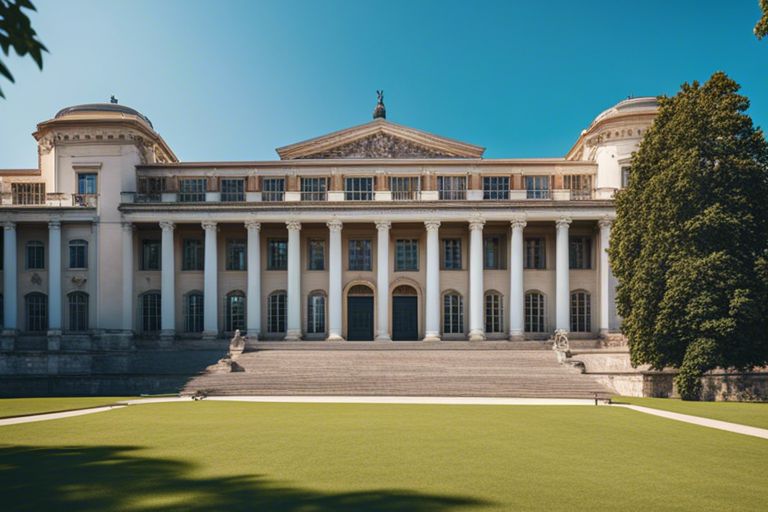
With countless options available, selecting the right university in Europe can be a daunting task. To ease the decision-making process, one must consider various factors such as program offerings, faculty expertise, campus facilities, location, and overall reputation. Deciding on a university is a pivotal step towards shaping one’s academic journey and future career. For more insights on choosing the best university in Europe, he can refer to this How do I decide on a university in Europe, or in general? …
Why Study in Europe?
Benefits of Studying in Europe
To many students, the idea of studying in Europe is appealing for various reasons. Europe is home to some of the world’s oldest and most prestigious universities, known for their high-quality education and cutting-edge research. Students who choose to study in Europe have the opportunity to immerse themselves in a multicultural environment, surrounded by people from different countries and backgrounds. Additionally, many European universities offer programs in English, making it accessible to international students.
Cultural Immersion and Language Skills
With its rich history and diverse cultures, Europe provides the perfect backdrop for students looking to experience a different way of life. By studying in Europe, students can develop a deeper understanding of different cultures, traditions, and languages. This exposure can broaden their perspectives, increase their cross-cultural awareness, and enhance their communication skills, all of which are valuable assets in today’s globalized world.
It is not uncommon for students who study in Europe to become proficient in another language or even become fluent. This not only enriches their academic experience but also opens up more opportunities for them in terms of future career prospects. Being bilingual or multilingual is highly prized by employers and can give graduates a competitive edge in the job market.
Choosing the Right Country
Popular Destinations for International Students
Any aspiring student looking to pursue a degree in Europe faces the exciting task of choosing the perfect country for their studies. Some popular destinations for international students include the United Kingdom, Germany, France, and Spain. These countries are known for their prestigious universities, diverse cultures, and vibrant student life.
Considerations for Choosing a Country
An important factor to consider when choosing a country for studying in Europe is the language of instruction. While many universities offer programs in English, some may require proficiency in the local language. Another consideration is the cost of living and tuition fees, as these can vary significantly from country to country. Additionally, the cultural and social environment of the country should align with the student’s preferences and interests.
Any student should also research the quality of education in their desired field of study in a particular country. Some countries may have a stronger reputation in certain disciplines, so it’s crucial to ensure that the chosen country provides the best education and resources for the student’s academic and career goals.
Destinations
Researching Universities
Now that you’ve decided to pursue your degree in Europe, it’s time to start researching universities to find the best fit for your academic and personal needs. There are several key factors to consider when evaluating potential institutions.
Accreditation and Rankings
Rankings play a crucial role in determining the quality and reputation of universities. Look for institutions that are accredited by recognized bodies and have high rankings in international university league tables. Accreditation ensures that the university meets certain standards of academic excellence, while rankings provide insight into its global reputation and performance in specific areas of study.
Program Offerings and Specializations
For those seeking a specific field of study, it is necessary to evaluate the program offerings and specializations available at each university. Some institutions may excel in certain disciplines or have unique research opportunities that align with your academic interests. Consider whether the university offers the specialization you are interested in and whether the faculty members are experts in that area.
Accreditation from reputable organizations is also a crucial factor to consider when assessing the quality of a university’s programs. Ensure that the institution has the necessary accreditations for your desired field of study to guarantee that you will receive a high-quality education.
Campus Life and Facilities
Facilities are an necessary aspect of university life and can greatly impact the overall student experience. When researching universities, consider the campus facilities available, such as libraries, laboratories, sports amenities, and student accommodation. A well-equipped campus with modern facilities can enhance your learning experience and provide opportunities for personal development and extracurricular activities.
Degree Options and Programs
Bachelor’s, Master’s, and PhD Programs
For an individual looking to pursue higher education in Europe, there are various degree options to consider. Bachelor’s programs typically take three to four years to complete and are ideal for those entering university for the first time or seeking a foundational education in their field of interest. Master’s programs, which usually last one to two years, provide more specialized knowledge and skills. For those aiming for advanced research and academia, PhD programs are available, typically lasting three to five years.
Joint and Double Degree Programs
Options for joint and double degree programs are also popular in European universities. These programs offer students the opportunity to study at more than one university and earn multiple degrees simultaneously, enhancing their academic experience and global perspective. Joint programs involve collaboration between two or more universities, while double degree programs allow students to obtain degrees from each participating institution.
Joint and double degree programs provide students with a unique advantage by allowing them to benefit from the resources and expertise of multiple universities. This can lead to a broader range of academic opportunities, a diverse network of contacts, and a more comprehensive educational experience.
Online and Distance Learning Options
Distance learning and online programs are becoming increasingly popular among students who require flexibility in their academic pursuits. These programs allow individuals to earn their degrees remotely, without the need to be physically present on campus. Students can access lectures, assignments, and resources online, providing a convenient way to balance education with other commitments.
With advancements in technology, online and distance learning options offer a quality education comparable to traditional on-campus programs. Students can interact with professors and peers through virtual platforms, participate in discussions, and submit assignments, all while managing their own study schedules.
Admission Requirements and Process
Despite the many prestigious universities in Europe, the admission requirements and process can vary significantly. For comprehensive information on the admission process, one can refer to Study in Europe. When considering studying in Europe, it is necessary to understand the language proficiency and standardized test requirements.
Language Proficiency and Standardized Tests
Admission to universities in Europe often requires proof of proficiency in the language of instruction, which is usually English for international programs. Applicants may need to provide scores from standardized tests such as the TOEFL or IELTS. These tests assess the individual’s ability to read, write, speak, and comprehend the language.
Application Deadlines and Procedures
To ensure a smooth application process, prospective students must be aware of the application deadlines and procedures. It is vital to start the application process early, as deadlines can vary between universities and programs. Applicants typically need to submit academic transcripts, recommendation letters, a personal statement, and any required standardized test scores.
This information assists in highlighting the significance of understanding application deadlines and procedures to secure a spot in the university and program of choice. It is crucial for applicants to carefully review and follow the specific instructions provided by each university to avoid any complications during the application process.
Visa Requirements and Regulations
Requirements for obtaining a student visa in Europe can vary depending on the country and the student’s nationality. Generally, students will need to have proof of acceptance from a university, sufficient funds to cover living expenses, and health insurance. It is necessary to research and understand the visa requirements and regulations well in advance of planning to study abroad.
Process
The process of applying for a student visa can be complex and time-consuming. It is advisable for students to start the visa application process early to allow for any unforeseen delays. Seeking guidance from the university’s international office or a visa consultant can provide valuable assistance in navigating the visa application process smoothly.
Financing Your Education
Your journey to studying in Europe will be a rewarding experience, but it’s important to plan how to finance your education. There are several options available to help you fund your studies, ranging from scholarships and grants to student loans, financial aid, part-time jobs, and internships.
Scholarships and Grants
Scholarships and grants are excellent options for students looking to offset the cost of their education. Many universities in Europe offer merit-based scholarships, need-based grants, and specific scholarships for international students. Students can also explore government scholarships, private organization grants, and research grants to support their studies. It’s important for students to research and apply for relevant scholarships and grants to help finance their education.
Student Loans and Financial Aid
To help cover tuition fees and living expenses, students can explore options like student loans and financial aid. Many European countries offer low-interest student loans to domestic and international students. Financial aid programs may also be available to assist students with their academic expenses. It’s important for students to understand the terms and conditions of student loans and financial aid to make informed decisions about financing their education.
Another popular option for financing education is through part-time jobs and internships. Many European countries allow international students to work part-time during their studies, providing an opportunity to gain work experience and earn extra income. Universities and companies may also offer internships to students, allowing them to apply their classroom knowledge in real-world settings. By balancing part-time work and internships with their studies, students can enhance their skills and finance their education simultaneously.
Part-time Jobs and Internships
Scholarships and grants are not the only ways to fund your education. Students can also consider taking up part-time jobs or internships to support themselves financially while studying in Europe. Working part-time not only helps cover living expenses but also provides valuable work experience that can boost a student’s resume. Additionally, internships offer the chance to gain practical skills in a professional setting, making students more competitive in the job market upon graduation.
Financing your education in Europe may seem daunting, but with careful planning and consideration of the various funding options available, students can pursue their academic goals without being overwhelmed by financial burdens. By exploring scholarships, grants, student loans, part-time jobs, and internships, students can create a comprehensive financial plan to support their education and future career aspirations.
Summing up
Upon reflecting on The Ultimate Guide To Choosing The Best University In Europe For Your Degree, one can conclude that the article provides valuable insights and practical tips for students looking to pursue higher education in Europe. By outlining key factors to consider, such as academic reputation, program offerings, location, and cost, the guide empowers readers to make well-informed decisions when selecting a university for their studies. Just like Malcolm Gladwell’s approach to storytelling, the article engages readers with useful information presented in a clear and concise manner.
Denmark to charge farmers €100 per cow with first agricultural carbon tax
A front-page article in the Financial Times said Denmark is introducing the world’s first agricultural carbon tax, “which will see farmers charged almost €100 a year for the greenhouse gas emissions of each of their cows”.
The material continues: “After months of tense negotiations with trade organizations and environmental groups, Denmark’s governing coalition on Monday evening agreed on an effective tax rate of 120 Danish kroner (16 euros) per tonne of carbon dioxide equivalent emissions from livestock, including cows and pigs…
Countries around the world are struggling to reduce emissions from food production, which accounts for almost a quarter of global emissions, including land-use change – while maintaining food security.”
Already in 2020, the magazine “New Scientist” wrote that scientists from New Zealand made cows of the Holstein breed lighter in order to make the livestock more resistant to global warming.
For this purpose, the specialists used gene editing technology. As a result of the experiment, calves with a gray-white color were born.
Today, agriculture suffers more than other sectors of the economy from climate change. This is due to the fact that many breeds of animals are not adapted to prolonged drought or hot weather and are therefore susceptible to a number of diseases and pests.
Holstein cows, for example, suffer from heat stress during hot weather – the animals produce less milk, their reproduction also suffers. The reason for this is their characteristic variegated color with dark spots on the fur that absorb the sun’s rays.
In search of a solution to the problem, scientists propose that cows be “lightened” by gene editing, as a result of which they will become less vulnerable to heat.
To make the animals’ spots gray instead of black, so they absorb less heat, New Zealand’s AgResearch specialists used the CRISPR gene-editing technology, which a few days ago was awarded the Nobel Prize in Chemistry.
The purpose of the experiment was to reduce heat stress in animals caused by global warming.
“Genome editing is a promising approach to rapidly improve and adapt livestock to changing environmental conditions,” says AgResearch’s Götz Laibel.
Illustrative Photo by Pixabay: https://www.pexels.com/photo/3-cows-in-field-under-clear-blue-sky-33550/
There’s no better way to explore Europe than through its intricate web of public transportation systems. Get ready to commence on a journey filled with adventure and efficiency as you navigate the buses, trams, trains, and subways of European cities. With these top tips, you’ll be able to smoothly glide through the bustling streets and picturesque landscapes, immersing yourself in the vibrant tapestry of European culture. Embrace new experiences and make unforgettable memories, all while mastering the art of public transportation like a seasoned traveler.
Research and Planning
While traveling in Europe, it’s necessary to do your research and plan ahead when it comes to using public transportation. With so many options available, from trains to buses to trams, knowing the ins and outs of each system will save you time and stress during your journey.
Knowing Your Options
Any seasoned traveler will tell you that Europe offers a wide range of public transportation options to suit your needs. Whether you prefer the speed of a high-speed train, the convenience of a metro system, or the charm of a trolleybus, each mode of transport has its own unique benefits. Research the cities you’ll be visiting to understand the available options and choose the one that best fits your itinerary and budget.
When navigating Europe’s public transportation systems, remember that each city may have its own set of rules and schedules. Some cities operate 24-hour services, while others have limited hours on weekends. Make sure to check the timetables in advance and plan your journeys accordingly to avoid any unexpected hiccups along the way.
Scheduling and Booking
One vital tip for smooth travels in Europe is to schedule your trips and book tickets in advance whenever possible. By securing your tickets early, you can often take advantage of discounts and avoid long lines at the station. Additionally, booking ahead allows you to reserve seats on popular routes during peak travel times, ensuring a more comfortable and stress-free journey.
Plus, when booking your tickets, be aware of any specific rules or regulations regarding reservations and seat assignments. Some trains and buses require reserved seating, while others operate on a first-come, first-served basis. Understanding these details will help you navigate Europe’s public transportation systems with ease and confidence.
Mastering Metro Maps
Some of the first things you’ll encounter when navigating Europe’s public transportation systems are the intricate metro maps. These maps can seem overwhelming at first glance, but fear not! With a few simple tips, you’ll be able to navigate them like a pro in no time.
Deciphering Symbols and Colors
Any seasoned traveler knows that metro maps are filled with symbols and colors that represent different lines, stations, and transfers. Take the time to familiarize yourself with the key for the map you’re using, as this will make deciphering the symbols much easier. Additionally, pay attention to the colors of the lines – each color corresponds to a different metro line, making it easy to follow your route.
When looking at a metro map, keep in mind that certain symbols indicate important information, such as transfer points, wheelchair accessibility, and tourist attractions. By understanding these symbols, you can plan your journey more efficiently and avoid any unnecessary confusion or delays.
With a bit of practice and patience, you’ll soon find that reading metro maps becomes second nature. Don’t be intimidated by the complexities of the maps – embrace them, and you’ll be zipping around Europe’s cities with ease.
Navigating Peak Hour and Off-Peak Travel
To truly master Europe’s public transportation systems, you need to understand the differences between peak hour and off-peak travel. Peak hours are typically during the morning and evening rush when commuters are heading to and from work. During these times, metro trains can be overcrowded, making it harder to find a seat or even space to stand comfortably.
During off-peak hours, however, you’ll enjoy a more relaxed and less crowded journey. If your schedule allows, try to plan your travels during these times to avoid the hustle and bustle of peak hours. Not only will you have a more pleasant experience, but you’ll also have more space to move around and take in the sights during your journey.
With some careful planning and flexibility in your schedule, you can make the most of your time exploring Europe’s cities. Whether you choose to travel during peak hours for a glimpse into local life or opt for a more relaxed journey during off-peak times, mastering the metro system will enhance your travel experience.
Buying Tickets and Fares
Clearly, navigating Europe’s public transportation systems can be a bit daunting, but with the right knowledge, you can easily master it. With respect to buying tickets and fares, it’s vital to familiarize yourself with the local systems and options available. For valuable insights and tips on transportation, check out Travel Tips: Transportation to enhance your journey.
Single Ride vs. Multi-Ride Tickets
To start, understand the difference between single ride and multi-ride tickets. **Single ride tickets** are valid for one journey from point A to point B, typically with no transfers allowed. **Multi-ride tickets**, on the other hand, offer the flexibility of multiple journeys within a specified timeframe. **If you plan to explore a city extensively**, a multi-ride ticket is often more economical and convenient. It saves you time and the hassle of purchasing tickets for each ride separately. **In major cities like Paris or London**, consider investing in a multi-day pass for unlimited travel during your stay.
Discounts and Special Offers
For **frequent travelers** or those staying longer in a city, look out for discounts and special offers on transportation passes. **Student discounts, senior citizen fares, or group discounts** are common in many European cities, offering substantial savings. **If you’re under 26, you may qualify for youth fares or special passes**. Additionally, some cities offer tourist passes that include discounted or free entry to attractions along with transportation, making it a cost-effective choice for sightseeing. **Research available offers and choose the one that suits your travel plans best**.
For more information on discounts and special offers, you can also check with local tourist offices or transportation authorities. They can provide details on current promotions and packages to maximize your savings during your trip.
Tackling Train Travel
Your European adventure wouldn’t be complete without experiencing train travel, and navigating the continent’s extensive rail network can be both exciting and overwhelming. With a few insider tips, you can make the most of your train journeys and ensure a smooth ride.
Booking Seats and Reservations
Tackling train travel begins with booking your seats and reservations. **Reservations** are mandatory on some high-speed and international trains in Europe, so make sure to check if you need to secure a seat in advance. This is especially important during peak travel seasons when trains can fill up quickly. **Booking your seats early** not only guarantees you a spot on the train but can sometimes save you money with early bird discounts. Additionally, having a reserved seat gives you peace of mind and ensures you won’t be left standing on a crowded train!
**Seat selection** can also make a big difference in your journey experience. If you prefer a quiet ride, opt for a seat in the quiet carriages. If you enjoy scenic views, choose a seat by the window. **Choosing the right seat** can enhance your train journey and make it more comfortable and enjoyable.
Remember to **validate your ticket** before boarding certain trains to avoid fines. Ticket validation machines are usually located on the platforms. By following these tips, you can navigate the ins and outs of booking seats and reservations for a stress-free train journey in Europe.
Luggage and Bike Storage
Luggage and bike storage are important considerations when traveling by train in Europe. **Luggage restrictions** vary from one train operator to another, so it’s crucial to check the guidelines before your trip. Most trains have **overhead racks** for small bags and suitcases, while larger luggage can be stored in the dedicated luggage areas at the ends of the carriages.
If you plan to bring a bike on board, look for trains that offer **bike storage options**. Some trains have **designated areas** for bikes, while others may require you to reserve a space for your bicycle. **Securing your bike** properly is important to ensure it doesn’t impede other passengers or block walkways. Be prepared to potentially pay an additional fee for bringing your bike on board.
Understanding the **luggage and bike storage** arrangements on European trains will help you travel seamlessly with all your belongings. By following the guidelines and being considerate of other passengers, you can enjoy a hassle-free journey with your luggage and bike in tow.
Bus Travel Basics
Not sure how to navigate Europe’s public transportation systems? Don’t worry; bus travel can be a convenient and cost-effective way to explore the continent. Here are some tips to help you make the most of your bus journeys.
Route Planning and Schedules
For efficient bus travel in Europe, it’s vital to familiarize yourself with route planning and schedules. Research the bus routes in advance and check the timetables to avoid long waits at the bus stops. Remember that buses in Europe typically run on time, so make sure you arrive a few minutes early to catch your bus. You can use various apps and websites to plan your route and navigate the bus systems effortlessly.
On-Board Etiquette
On the bus, it’s vital to follow **etiquette** to ensure a smooth journey for yourself and your fellow passengers. Always give up your seat to elderly or pregnant passengers and make room for others when the bus is crowded. Avoid talking loudly on your phone or playing music without headphones, as this can disturb those around you. Additionally, make sure to keep your belongings close to you to prevent any inconvenience to other passengers.
Etiquette is a crucial aspect of bus travel in Europe, and being mindful of your actions can make the journey more pleasant for everyone on board. **Respecting** the rules and **considering** others’ comfort will not only ensure a smooth bus ride but also leave you with a positive travel experience. So, remember to be courteous and mindful of your surroundings while traveling on European buses.
Ferry Travel Fundamentals
Once again, as you begin on your European adventures, you may find yourself considering ferry travel as a mode of transportation. Ferry systems can be a convenient and scenic way to navigate between different countries and islands across Europe. If you’re unsure about how to navigate the process of using ferry transportation, you can check out this Quora post for more information.
Booking and Boarding Procedures
Fundamentals of ferry travel include understanding the booking and boarding procedures. To ensure a smooth journey, it’s advisable to book your ferry tickets in advance, especially during peak travel seasons. Most ferry companies offer online booking options, allowing you to secure your spot and avoid long queues at the ticket counters.
When boarding the ferry, make sure to arrive at the port with sufficient time before departure. Have your ticket ready for inspection, as well as any necessary identification documents. Follow the instructions of the ferry staff for boarding procedures and locate your designated seating area or cabin for the voyage.
Remember to familiarize yourself with the safety protocols and emergency exits on the ferry. Pay attention to any announcements or guidelines provided by the crew during the journey to ensure a safe and pleasant sailing experience.
Sea Sickness Remedies
Sickness is a common concern for travelers on sea journeys. If you’re prone to motion sickness, there are several remedies you can consider to alleviate discomfort during the ferry ride. Sea bands or acupressure wristbands are popular for reducing nausea by applying pressure to specific points on your wrists. Additionally, over-the-counter motion sickness medications can be effective in preventing symptoms.
To further mitigate sea sickness, try to stay hydrated and avoid heavy or greasy foods before and during the voyage. Focusing on the horizon or spending time on deck where you can feel the fresh air can also help reduce feelings of queasiness. If you’re still feeling unwell, seek advice from the ferry crew who may have additional remedies or assistance available.
Plus, it’s always a good idea to pack a small travel kit with vitals like anti-nausea medication, ginger candies, and a bottle of water to ensure you’re prepared for any bouts of sea sickness that may arise during the journey.
Airport Connections
To make your journey through Europe’s public transportation systems smoother, it’s crucial to have a good understanding of how to navigate airport connections. Whether you’re arriving or departing, airports can be hectic, and figuring out the best way to reach your destination is key. Here are some top tips for making airport connections hassle-free.
Shuttle Services and Taxis
Connections from the airport to the city center can often be made through shuttle services or taxis. Shuttle services are convenient and frequently offer direct routes to popular destinations. They are usually well-signed and easy to find outside airport terminals. Alternatively, taking a taxi can be a more flexible option if you prefer a door-to-door service. Be aware that taxis can be more costly, especially during peak travel times, so it’s worth considering this when planning your budget.
If you opt for a shuttle service, make sure to check the schedule beforehand to avoid long waiting times. Taxis are readily available outside most airports, but it’s advisable to choose official taxi ranks to ensure safety and fair pricing. Whichever option you select, both shuttle services and taxis can provide you with a convenient and reliable way to reach your destination.
Budget-Friendly Alternatives
To save money on airport connections, consider using public transportation options such as buses or trains. Many European airports are well-connected to city centers through these modes of transport, offering a cost-effective alternative to taxis and shuttles. Public transportation can be particularly beneficial if you’re traveling on a tight budget or looking to experience the local commute.
For instance, some cities offer day passes or visitor cards that include unlimited access to public transportation for a set price, making it a convenient and economical choice for exploring the city. By opting for public transportation, you not only save money but also immerse yourself in the authentic travel experience of locals. So, next time you’re at the airport, consider taking the public transport route for a more budget-friendly and enriching journey.
City-Specific Transportation Tips
Many European cities have efficient public transportation systems that can easily take you to popular tourist attractions, local hotspots, and hidden gems. Here are some city-specific tips to help you navigate the transportation networks like a pro:
Paris: The Art of Using Velib
Any visitor to Paris should consider using the city’s Velib bike-sharing system. With thousands of bicycles available at stations throughout the city, it’s a convenient and eco-friendly way to get around. Simply purchase a short-term pass at any station using your credit card, unlock a bike, and pedal your way through Paris’s charming streets. Just remember to always obey traffic laws and watch out for pedestrians. Thou, be cautious of Parisian drivers who are known for their assertive style on the road.
Rome: Navigating the Metro and Bus System
Any traveler in Rome must familiarize themselves with the city’s metro and bus system. The metro is a fast and efficient way to travel between popular sites like the Colosseum, Vatican City, and Spanish Steps. The bus network complements the metro, reaching areas that the metro doesn’t cover. Be prepared for crowded conditions during peak hours and always be aware of your belongings in crowded spaces. Thou, keep in mind that Rome’s public transportation can get exceptionally busy during rush hours and holidays so plan your journeys accordingly.
It is worth noting that while Rome’s metro system is relatively easy to navigate, the bus system can be a bit more challenging due to its numerous routes and stops. However, with a little patience and a good map, you can quickly get the hang of it. One helpful tip is to purchase a daily or weekly ticket that allows for unlimited travel on both the metro and buses, saving you time and money during your stay in the Eternal City.
Dealing with Delays and Cancellations
All public transportation systems in Europe are efficient, but delays and cancellations can still happen. It’s important to have a plan in place for when things don’t go as smoothly as expected.
Staying Informed and Patient
Cancellations can be frustrating, but staying informed and patient is key. Keep an eye on electronic notice boards for updates, and don’t be afraid to ask station staff for information. Keep in mind, these situations are out of your control, so take a deep breath and remain patient. Delayed or canceled trains are common occurrences, but most systems are well-equipped to handle such issues.
Keep in mind, maintaining a sense of humor can go a long way in these situations. Take the opportunity to explore the nearby area, grab a coffee, or strike up a conversation with a fellow traveler. Consider it an unplanned adventure within your journey. By staying informed, patient, and adaptable, you can navigate through delays and cancellations with ease.
Finding Alternative Routes
For situations where delays or cancellations affect your travel plans, it’s important to have a backup plan. Look for alternative routes to reach your destination.
It can be helpful to familiarize yourself with other transportation options in the area, such as buses or trams, which can serve as viable alternatives. Keep your smartphone or a map handy to quickly identify these alternative routes.
Keep in mind, there is always more than one way to reach your destination. Keeping an open mind and being flexible with your travel plans can make dealing with delays and cancellations much less stressful. Embrace the unexpected and view it as an opportunity to discover new places or experiences along the way.
Safety and Security
Unlike Navigating European public transport as an international traveler, safety and security should be your top priorities when using public transportation in Europe. While Europe is generally safe, it’s important to remain vigilant and take precautions to ensure a smooth and secure journey.
Pickpocketing Prevention
Prevention is key when it comes to pickpocketing in European public transportation systems. Keep your valuables secure and out of sight, preferably in a money belt or a secure inner pocket. Avoid displaying expensive items such as jewelry or flashy electronics, as these can attract unwanted attention from thieves. Be especially cautious in crowded areas such as buses, trains, and metro stations, where pickpockets often operate.
Stay alert and be mindful of your surroundings, especially in tourist hotspots and busy transportation hubs. If you feel someone trying to pickpocket you, don’t hesitate to speak up or seek help from nearby passengers or authorities. Do not forget, it’s always better to be safe than sorry when it comes to protecting your belongings while traveling in Europe.
Emergency Services and Contacts
Prevention is crucial, but it’s also important to know how to access emergency services and contacts in case of any unforeseen situations. Save important numbers such as the local police, ambulance, and your country’s embassy or consulate in your phone or write them down on a card to keep with you at all times. In case of an emergency, you’ll be prepared and able to quickly reach out for help.
Emergency situations can arise unexpectedly, so staying informed and having access to important contacts can make a significant difference in how effectively and swiftly help can reach you when needed. Your safety is paramount, and being proactive in knowing who to contact during emergencies can provide you with peace of mind during your travels in Europe.
Cultural Differences and Etiquette
Despite the convenience and efficiency of Europe’s public transportation systems, navigating them can be a cultural experience in itself. Understanding the cultural differences and etiquette when using public transportation in European countries can enhance your travel experience and help you blend in seamlessly with the locals.
Queueing and Boarding Customs
Etiquette: In Europe, queueing is taken very seriously, especially when boarding buses, trams, or trains. Always wait your turn in an orderly line, and avoid pushing or cutting in front of others. When the vehicle arrives, allow passengers to alight before boarding. This demonstrates respect for others’ space and time, and it’s a common courtesy that locals appreciate.
Travelers: Showing patience and following queueing customs not only ensures a smoother boarding process but also helps you avoid any unpleasant encounters with locals who might frown upon disruptive behavior. Keep in mind, when in doubt, observe how the locals queue and follow their lead.
Respect for Locals and Fellow Travelers
Etiquette: Respect for locals and fellow travelers is paramount when using public transportation in Europe. Keep your voice down, especially during phone conversations, and avoid playing loud music. Be mindful of your surroundings and make space for others, particularly elderly or disabled passengers. Small gestures like offering your seat to someone in need can go a long way in showing respect.
Differences: Europeans value personal space and quietude, so be mindful of your volume and actions while traveling. Engaging in loud or disruptive behavior can be seen as disrespectful and inconsiderate. By respecting the social norms of the country you’re visiting, you not only show courtesy to the locals but also contribute to a harmonious travel experience for everyone on board.
Technology and Apps
Keep up with the times by utilizing technology and apps to make your European travel experience smooth and efficient. From downloadable transit maps and guides to real-time information and updates, these tools can be your best companions as you navigate Europe’s public transportation systems.
Downloadable Transit Maps and Guides
Transit maps and guides are necessary tools for planning your journeys in European cities. With a plethora of apps offering downloadable maps, you can easily access information on train, bus, and tram routes, as well as schedules and fares. These offline maps are handy when you’re underground or in areas with poor connectivity, ensuring that you never get lost while exploring the urban jungle.
Additionally, many apps provide valuable tips on the best routes to take, estimated travel times, and station locations. Whether you’re hopping on the London Tube or navigating the Paris Metro, having a digital map at your fingertips will give you the confidence to travel like a local.
Before you commence on your European adventure, make sure to download a few transit maps and guides for the cities you’ll be visiting. Familiarize yourself with the apps’ features, bookmark your favorite routes, and get ready to commence on a hassle-free journey across Europe.
Real-Time Information and Updates
Maps are valuable tools, but in a dynamic environment like public transportation, real-time information is key. Fortunately, many apps offer live updates on delays, cancellations, and platform changes, allowing you to adjust your travel plans on the go. With real-time information at your disposal, you can avoid unnecessary wait times and ensure that you reach your destination on time.
Some apps even provide notifications for service disruptions and alternative routes, helping you navigate unexpected challenges with ease. By staying informed about the latest developments in the transit network, you can make informed decisions and minimize disruptions to your travel itinerary.
Embrace the power of technology and apps to enhance your European travel experience. By leveraging downloadable transit maps, real-time information, and updates, you can confidently explore the continent’s bustling cities and charming towns, knowing that you have the tools to navigate Europe’s public transportation systems with ease.
Budgeting and Cost-Saving
After you’ve planned your itinerary and are ready to board that first train or bus in Europe, it’s important to think about how you can save money on transportation during your trip. Budgeting wisely will allow you to stretch your travel funds further and make the most of your European adventure.
Affordable Transportation Options
When looking for affordable transportation options in Europe, consider using regional trains or buses instead of high-speed trains. Regional transportation is often more budget-friendly and can take you to charming off-the-beaten-path destinations that are not easily accessible by high-speed trains. Additionally, purchasing multi-day or multi-ride passes can help you save money if you plan to use public transportation frequently during your stay. These passes usually offer a discounted rate per trip, saving you valuable euros in the long run.
Another cost-saving tip is to opt for public transportation over taxis or car rentals whenever possible. Public transportation networks in European cities are efficient, well-connected, and relatively inexpensive. By using buses, trams, metros, and trains, you not only save money but also get a chance to immerse yourself in the local culture and observe daily life up close. Walking or cycling is another excellent way to explore European cities without breaking the bank. Many cities offer bike rental services or have bike-sharing programs, allowing you to pedal around town at your own pace.
Free or Low-Cost Alternatives
LowCost: If you’re on a tight budget, don’t worry – there are plenty of free or low-cost transportation options available in Europe. Many cities offer free walking tours that not only provide you with an insightful glimpse into the city’s history and culture but also help you navigate the public transportation system like a local. Some cities even provide free shuttle services or sightseeing buses that loop around major attractions, offering a convenient and affordable way to explore the city.
Options: To further cut down on transportation costs, consider taking advantage of special tourist cards or passes that include free or discounted access to public transportation, museums, and attractions. These cards are usually valid for a certain number of days and can be a cost-effective way to explore a city while enjoying various perks and discounts. Remember to research and compare different options to find the best deals that suit your itinerary and budget.
1. Research routes and schedules in advance for smoother travel.
2. Use contactless payment methods for convenience and ease.
3. Validate tickets before boarding to avoid fines.
4. Be aware of cultural norms and etiquette while traveling.
5. Keep belongings secure and be mindful of pickpockets.
6. Utilize transportation apps for real-time updates and information.
To Wrap Up
So, as you journey through Europe and explore its various cities, remember that public transportation can be one of your greatest allies in navigating the bustling streets and vibrant neighborhoods. By following the top tips outlined in this guide, you can save time, money, and stress while making the most of your travel experience.
Remember to research transportation options before you arrive, familiarize yourself with local ticketing systems, and always keep a map or transportation app handy. Embrace the adventure of using different modes of transport, whether it’s trams in Amsterdam, metro in Paris, or buses in Barcelona. By immersing yourself in the local public transportation systems, you can truly soak up the authentic culture of each destination.
So, as you initiate on your European adventures, let the efficient and vast public transportation networks be your companion in discovering the hidden gems and iconic landmarks of each city. With a little bit of preparation and a sense of curiosity, you can confidently hop on and off trains, buses, and trams, creating unforgettable memories along the way. Enjoy the journey, be open to new experiences, and embrace the excitement of exploring Europe’s public transportation systems!
Fitness enthusiasts, are you ready to take your workouts to the next level? Incorporating superfoods into your diet can make a significant difference in your fitness results. These superfoods are packed with vital nutrients and antioxidants that will enhance your performance and recovery. Let’s explore seven powerful superfoods that will fuel your body, accelerate your progress, and help you achieve your fitness goals faster than ever before. Keep in mind, what you eat plays a crucial role in your fitness journey, so why not give your body the best fuel possible?
1. Include superfoods like berries, spinach, and quinoa in diet.
2. Superfoods can improve energy levels during workouts.
3. Oats and sweet potatoes aid in muscle recovery and growth.
4. Avocado and chia seeds provide healthy fats for endurance.
5. Incorporate salmon and lean proteins for post-workout recovery.
6. Boost metabolism with superfoods like green tea and almonds.
Setting Your Fitness Goals
Your 5 Best Superfoods to Skyrocket Your Workout Results journey begins with setting clear fitness goals. Identifying what you aim to achieve will help you stay focused and motivated throughout your fitness journey. Whether you want to lose weight, build muscle, or improve endurance, having well-defined goals will guide your actions and keep you on track.
Identifying Your Objectives
On your fitness journey, it’s crucial to identify your objectives. Do you want to increase your strength, improve your cardiovascular health, or enhance your flexibility? Understanding what you want to accomplish will help you tailor your workout plan to meet your specific needs. Take the time to reflect on your fitness goals and be realistic about what you can achieve.
Creating a Realistic Workout Plan
Objectives like losing 20 pounds in a week or running a marathon without any prior training may not be realistic. It’s necessary to create a workout plan that aligns with your fitness goals and abilities. Start by setting achievable milestones and gradually increasing the intensity and duration of your workouts. Consulting with a fitness professional can also help you design a plan that is both challenging and sustainable in the long run.
The Power of Superfoods
What Makes a Food a Superfood?
For many people, the term “superfood” might sound like a marketing gimmick, but there is actually a scientific basis behind it. Superfoods are nutrient-rich foods that are particularly beneficial for your health and well-being. They are packed with vitamins, minerals, antioxidants, and other crucial nutrients that can help boost your immune system, improve digestion, and even aid in weight loss.
What sets superfoods apart from regular foods is their extraordinary nutritional value and health benefits. These powerhouse foods are known to provide a wide range of health advantages, often going above and beyond what is typically found in a standard diet.
How Superfoods Can Enhance Your Fitness Journey
Fitness is not just about working out; it’s also about fueling your body with the right nutrients to support your active lifestyle. Including superfoods in your diet can have a profound impact on your fitness journey. These nutrient-dense foods can help increase your energy levels, improve your endurance, and speed up recovery after exercise.
Superfoods can also help you achieve your fitness goals faster by optimizing your overall health. When your body is properly nourished with the right nutrients, you are more likely to perform better during workouts, build lean muscle mass, and recover quicker from intense training sessions.
Superfood #1: Leafy Greens
Despite being often overlooked, leafy greens are an crucial part of your diet when aiming to boost your fitness results. These nutrient-rich powerhouses may not be the most exciting food on your plate, but they play a crucial role in supporting your overall health and fitness goals.
The Nutritional Benefits of Leafy Greens
For a start, leafy greens are packed with crucial vitamins and minerals that are vital for your body’s optimal functioning. **Iron**, **calcium**, **potassium**, and **vitamins A, C, and K** are just a few of the many nutrients found in abundance in leafy greens. These micronutrients are crucial for energy production, muscle function, and overall well-being.
Incorporating Leafy Greens into Your Diet
Leafy greens are incredibly versatile and can be easily incorporated into your daily meals. **Spinach**, **kale**, **swiss chard**, and **arugula** are just a few examples of nutrient-dense leafy greens that you can enjoy in salads, smoothies, stir-fries, or as a side dish. Including a variety of leafy greens in your diet not only adds flavor and texture to your meals but also provides a wide range of health benefits.
Nutritional tip: To ensure you’re getting the most out of your leafy greens, try to **mix up your choices** regularly. Each type of leafy green offers a unique set of nutrients, so by varying your selection, you can ensure you’re getting a broad spectrum of vitamins and minerals into your diet.
Superfood #2: Berries
Your fitness journey can receive a delicious boost with the inclusion of berries in your diet. These small fruits are packed with necessary nutrients that can help enhance your overall well-being and fitness results. Whether you prefer strawberries, blueberries, raspberries, or blackberries, incorporating berries into your daily meals can provide a range of benefits.
The Antioxidant Properties of Berries
Properties in berries such as antioxidants play a crucial role in reducing inflammation and oxidative stress in your body. The colorful pigments in berries, such as anthocyanins, are powerful antioxidants that can help combat free radicals, supporting your immune system and promoting faster recovery post-workout. Including a variety of berries in your diet can help protect your cells and aid in muscle repair, necessary for maximizing your fitness gains.
Delicious Ways to Enjoy Berries
Superfood berries are not only nutritious but also versatile, making them easy to incorporate into your meals and snacks. You can add a handful of berries to your morning oatmeal or yogurt for a refreshing twist, blend them into smoothies for a quick and tasty pre-workout boost, or simply enjoy them on their own as a sweet and satisfying treat. Experiment with different combinations and recipes to find creative ways to include berries in your diet and keep your taste buds excited.
Superfood #3: Fatty Fish
The Omega-3 Richness of Fatty Fish
Unlike other protein sources, fatty fish such as salmon, mackerel, and sardines are packed with omega-3 fatty acids that are important for your overall health and well-being. These healthy fats can help reduce inflammation, improve heart health, and enhance cognitive function. Incorporating fatty fish into your diet can also aid in muscle recovery and contribute to better workout performance.
Preparing Fatty Fish for Optimal Nutrition
Optimal preparation of fatty fish is crucial to retain its nutritional benefits. To maximize the omega-3 content, opt for grilling or baking instead of frying. Season your fish with herbs and spices instead of heavy sauces to keep the dish healthy and flavorful. Including a variety of fatty fish in your diet can help you reap the maximum health benefits and support your fitness goals.
Fish is not only a delicious protein source but also a powerhouse of nutrients that can boost your fitness results. Its high protein content aids in muscle repair and growth, while the omega-3 fatty acids support heart health and overall well-being. By making fatty fish a regular part of your diet, you can supercharge your fitness journey and achieve your goals faster.
Superfood #4: Sweet Potatoes
Keep your fitness journey on track with the powerhouse superfood – sweet potatoes. Packed with vital nutrients, sweet potatoes are a fantastic addition to your diet to help you achieve your fitness goals.
The Complex Carbohydrates of Sweet Potatoes
An excellent source of complex carbohydrates, sweet potatoes provide sustained energy for your workouts and daily activities. Unlike simple carbohydrates that cause energy spikes and crashes, the complex carbohydrates in sweet potatoes are digested slowly, keeping you full and energized for longer periods.
Creative Recipes for Sweet Potatoes
To spice up your meals and add variety to your diet, try incorporating sweet potatoes into creative recipes. You can roast them with a mix of herbs and spices, mash them with a touch of cinnamon and maple syrup, or even spiralize them into noodles for a fun twist on traditional pasta dishes.
Amp up the nutritional value of your meals by experimenting with different ways to enjoy sweet potatoes. Whether you bake, steam, grill, or fry them, sweet potatoes are a versatile ingredient that can be easily integrated into your diet to support your fitness journey.
Superfood #5: Avocados
Once again, you are presented with a top-tier superfood to enhance your fitness journey – avocados. This versatile fruit is not only delicious but also packed with nutrients that can benefit your body in numerous ways.
The Healthy Fats of Avocados
With avocados, you get a potent dose of healthy fats that can support your fitness goals. These monounsaturated fats help in maintaining proper hormone function, aiding in muscle growth and repair. Additionally, they provide a sustainable source of energy for your workouts, keeping you fueled and focused.
Avocado-Based Snacks for Fitness
For a quick and nutritious snack that aligns with your fitness objectives, incorporating avocados can be an excellent choice. Whether you enjoy them sliced on whole-grain toast or mashed into guacamole with some veggies for dipping, avocados offer a satisfying and nutrient-dense option to keep you on track.
It’s important to choose whole-food options like avocado-based snacks to fuel your body effectively and avoid processed alternatives that may hinder your progress. By opting for avocado-based snacks, you are making a smart choice that supports both your fitness goals and overall well-being.
Superfood #6: Beans and Legumes
Despite their small size, beans and legumes pack a powerful punch when it comes to boosting your fitness results. These nutritious superfoods are loaded with necessary nutrients that can support your fitness goals and overall well-being.
The Protein Power of Beans and Legumes
Legumes, such as lentils, chickpeas, and black beans, are excellent sources of plant-based protein. Protein is necessary for muscle repair and growth, making it a crucial component of your fitness journey. By incorporating beans and legumes into your meals, you can ensure that you are getting an adequate amount of protein to support your active lifestyle.
Easy Meal Prep with Beans and Legumes
On top of their protein content, beans and legumes are also convenient for meal prep. You can easily cook a batch of beans and legumes ahead of time and incorporate them into a variety of dishes throughout the week. Whether you add them to salads, soups, or wraps, beans and legumes can help you save time in the kitchen while still nourishing your body with necessary nutrients.
Another benefit of including beans and legumes in your meal prep is their fiber content. Fiber is important for digestion and can help you feel full and satisfied after meals, preventing overeating and supporting your fitness goals. So go ahead and stock up on a variety of beans and legumes to supercharge your meals and enhance your fitness results.
Superfood #7: Nuts and Seeds
The Crunchy Benefits of Nuts and Seeds
For a powerful boost to your fitness journey, consider incorporating Best Foods for Fitness like nuts and seeds into your diet. These tiny powerhouses are packed with necessary nutrients that can help improve your overall health and fitness performance. Nuts and seeds are rich in protein, healthy fats, fiber, vitamins, and minerals, making them a perfect snack option to fuel your body and keep you energized throughout your workouts.
Adding Nuts and Seeds to Your Workout Snacks
Any fitness enthusiast knows the importance of post-workout snacks. By adding nuts and seeds to your snack repertoire, you can take your fitness results to the next level. It provides a convenient way to refuel your body after a strenuous workout, helping you recover faster and build muscle more effectively. Additionally, the protein and healthy fats in nuts and seeds can help keep you feeling full and satisfied, reducing the temptation to indulge in unhealthy post-workout treats.
Combining Superfoods for Maximum Results
Many fitness enthusiasts are aware of the benefits of incorporating superfoods into their diets. These nutrient-dense foods are packed with crucial vitamins, minerals, and antioxidants that can help improve your overall health and fitness. According to 7 Best Foods To Boost Your Workout Results, combining different superfoods can enhance their individual benefits and provide you with a well-rounded source of nutrition to support your fitness goals.
Creating a Balanced Diet with Superfoods
Superfoods like spinach, quinoa, blueberries, and chia seeds offer a range of health benefits, but when combined strategically, they can have a synergistic effect on your fitness results. Incorporating a variety of superfoods into your meals can help provide your body with a diverse array of nutrients, **boost** your **energy levels**, and **improve** your **endurance** during workouts. Aim to include a mix of vegetables, fruits, lean proteins, and healthy fats to create **balanced** meals that support your fitness journey.
Sample Meal Plans for Fitness Enthusiasts
Fitness is not just about working out; it’s also about fueling your body with the right foods to **maximize** your **performance**. To **optimize** your **results**, consider **preparing** meal plans that incorporate a combination of superfoods. For example, you could start your day with a nutrient-packed **smoothie** made with **kale**, **berries**, and **protein** powder, followed by a **quinoa** and **salmon** salad for lunch, and a **turmeric**-spiced **chicken** with **roasted vegetables** for dinner. **Planning** your meals ahead of time can **ensure** that you’re **getting** the **nutrients** you need to **support** your **fitness** goals.
Overcoming Common Obstacles
Not every journey towards fitness and health will be smooth sailing. You may encounter obstacles along the way that can challenge your commitment and determination. However, it’s vital to remember that overcoming these obstacles is a crucial part of your growth and progress. Here are some common obstacles you may face and how to tackle them:
Dealing with Food Cravings and Temptations
Obstacles are inevitable when it comes to sticking to a healthy diet. Food cravings and temptations can often derail your progress and lead you off course. When faced with cravings, try to incorporate healthier alternatives that satisfy your taste buds while keeping you on track with your fitness goals. Stock up on nutrient-dense superfoods like blueberries, kale, and quinoa to help curb cravings and stay on the right path.
Staying Motivated on Your Fitness Journey
Common obstacles that many individuals encounter on their fitness journey include lack of motivation and plateaus in progress. It’s vital to find your reason why and set realistic goals to keep you motivated. Surround yourself with positive influences such as workout buddies or a supportive community to help you stay on track and overcome any setbacks you may face.
It’s important to celebrate your successes no matter how small they may seem. Monitoring your progress and acknowledging your achievements can help boost your confidence and keep you moving forward towards your fitness aspirations.
Maximizing Your Workout Routine
All fitness enthusiasts know that achieving your desired results requires more than just eating the right foods. To truly maximize your workout routine, you need to be strategic and intentional about how you approach your fitness regimen. This means creating a workout schedule that is tailored to your goals and lifestyle, as well as incorporating tips for increasing intensity and endurance into your routine.
How to Create a Workout Schedule
An effective workout schedule is crucial for making progress and staying motivated. To create a workout schedule that works for you, consider factors such as your fitness goals, availability, and preferences. Whether you prefer early morning workouts or evening sessions, make sure to set aside dedicated time for exercise and stick to your plan consistently. Additionally, incorporating a mix of strength training, cardiovascular exercise, and flexibility training into your weekly routine can help you achieve a well-rounded fitness level.
Tips for Increasing Intensity and Endurance
Workout routines can sometimes become stagnant if you don’t challenge your body enough. An effective way to boost your fitness results is by increasing the intensity and endurance of your workouts. Incorporating interval training, progressive overload, and proper rest and recovery into your routine can help you push past plateaus and see improvements in your strength and endurance levels. Knowing when to push yourself and when to listen to your body is key to making progress in your fitness journey.
Monitoring Your Progress
After incorporating these 7 superfoods into your diet and ramping up your fitness routine, it’s crucial to monitor your progress to ensure you’re on the right track towards reaching your goals. Tracking your fitness goals and progress is necessary for staying motivated and making adjustments as needed.
Goals: Tracking Your Fitness Goals and Progress
By setting specific, measurable, achievable, relevant, and time-bound (SMART) goals, you can effectively track your progress. Keep a fitness journal or use a tracking app to note down your workouts, food intake, and how you’re feeling physically and mentally. This will help you identify patterns, celebrate your successes, and modify your plan if necessary to keep moving forward towards your ultimate fitness goals.
Celebrating Small Victories Along the Way
Celebrating small victories along your fitness journey is key to staying motivated and committed to your goals. These victories may include hitting a new personal best in your workout, resisting temptation to indulge in unhealthy foods, or simply feeling more energized and confident in your body. Note, progress is progress, no matter how small it may seem!
The sense of achievement you get from acknowledging and celebrating these small wins will boost your confidence and keep you focused on making healthier choices every day. Embrace the journey and celebrate each step you take towards a fitter, stronger, and healthier version of yourself.
Conclusion
With this in mind, incorporating superfoods into your diet can have a significant impact on your fitness results. From helping to build muscle to aiding in recovery, these nutrient-packed foods can give you the edge you need to achieve your fitness goals. Be mindful of, consistency is key when it comes to seeing results, so make sure to include these superfoods in your meals regularly.
By fueling your body with the right nutrients, you can optimize your workouts and recover faster, leading to better overall performance. So next time you’re planning your meals, consider adding some of these superfoods to your plate and watch as your fitness results soar to new heights!
In February 2024, the Bishop of Bukoba and Western Tanzania Chrysostom (Maydonis) of the Patriarchate of Alexandria took over the interim leadership of the newly established Diocese of Rwanda. For the first months of his ministry, the famous missionary spoke with pain about the destruction of the Orthodox mission in this African country:
“Many local churches of the Patriarchate of Alexandria suffered from the incursion of the Russian Church into our jurisdiction, which led to serious consequences. But in Rwanda, where the Orthodox Church was very young, the result is painful, while in the larger African countries the consequences are not so visible. In Rwanda, the Orthodox mission was started in 2012 by the respected former Bishop of Burundi and Rwanda Innocent. The aged bishop, having two countries under his jurisdiction, made great efforts to root Orthodoxy in this troubled country. In recent years, it has attracted many supporters of the church mission from Greece, but also clergy and laity from Romania and neighboring Congo.
The organization “Christ in Africa” from Romania helped the Orthodox mission in the country with volunteers and financially. Clergymen arrived from Romania who settled there and helped effectively by building temples and carrying out missionary work. Gradually local priests were also ordained and Orthodoxy became known in Rwanda. And so, this young church tried to hold on until the wild stream of the “Russian world” swept it away and turned it into ruins. Of the local ten priests and three deacons, six priests and one deacon were forcibly torn from their church by buying their conscience with a higher salary. Four priests and two deacons remained. The Christians scattered. Orthodoxy weakened, lost the trust of the Rwandan state and society, and the old ailing bishop mourned over the ruins of his cause. That is why Patriarch Theodore of Alexandria elevated Rwanda to a diocese and sent a patriarchal representative from the neighboring diocese of Bukoba to try to restore this church. These are the results of discords and civil wars, which unfortunately are not unknown to our mother – the holy Orthodox Church, whose body is covered with wounds by her senseless children! The remaining “little flock” will be the “dough” for the unification of this nation and this land with the One, holy, conciliar and apostolic Church of Christ. We believe that the Crucified and Resurrected Lord will resurrect His Orthodox Church from the grave of discord, will also resurrect the Church in Rwanda and drive the horror out of Africa.”
Note: Bishop Chrysostom (Maydonis) is a very active missionary priest, known in many Orthodox churches. As an archimandrite, he works in the dioceses of the Patriarchate of Alexandria, especially where bishops who are monks from the Holy Mountain serve. He was helping the Orthodox mission in the Congo at the invitation of the local Metropolitan Nicephorus, brother of the Small “St. Anna” hermitage of Mount Athos. He also led the anti-sectarian activity of the Metropolitanate of Thessaloniki.
An Egyptian-Italian archaeological expedition has discovered 33 Greco-Roman family tombs on the west bank of the Nile in the southern city of Aswan, Egypt’s Ministry of Tourism and Cultural Monuments announced.
The find sheds light on the diseases that the region’s inhabitants suffered from during this era.
The newly discovered tombs are part of a funerary complex, spread over ten terraced levels, dating from the 6th century BC. to the 3rd century AD Some of them have arched entrances preceded by brick-walled courtyards, while others are carved straight into the rocks.
Among the finds are the remains of mummies, fragments of colorful terracotta figures, sarcophagi of stone and wood, tables for offering gifts.
The scientists performed anthropological and radiological analyzes to determine the sex, age and possible illnesses and injuries of the tomb owners.
It turns out that between 30 and 40 percent of those buried in the complex were very young – from newborns to young adults.
Some of them suffered from infectious diseases or metabolic disorders. Signs of anemia, nutritional deficiencies, tuberculosis, osteoarthritis were found.
Photo: Ministry of Tourism and Cultural Monuments of Egypt.
The international press reacted to the historic results of the Rassemblement National in the 1st round of the early parliamentary elections (Illustration) - Montage European Times
In the wake of the far-right’s success in the first round of France’s parliamentary elections, the European and international press on Monday pointed to the scathing “failure” of French President Emmanuel Macron, who was deemed responsible.
On Sunday 30 June 2024, the Rassemblement National (RN, far-right) and its allies came out on top and achieved their best ever first-round election result, with 33.14% of the vote and 10.6 million votes. Followed by the Nouveau Front Populaire (NFP), with 28%, and Emmanuel Macron’s camp, with 20.8% of the vote. Thirty-nine RN candidates – including Marine Le Pen – and thirty-two NFP candidates were elected in the first round.
The German media are not sparing any criticism after the political confusion caused by Emmanuel Macron‘s decision to dissolve the National Assembly on the evening of the European elections. Bild refers to an “electoral earthquake” and a “Le Pen shock for President Macron”.
“The far right beats Macron and shocks Europe” headlines the Spanish daily El Mundo and sums up the feeling of many media on the Old Continent. On Monday 1 July, Spain‘s Socialist Prime Minister said that he remained “hopeful that the French left will mobilise” after the first round of legislative elections, saying that the far right had to be beaten “by governing (…) as Spain has done for six years”.
In Belgium, the media pointed to a day that “will undoubtedly go down in history”.
In the UK, the French parliamentary elections were front-page news in most of the dailies, which were not sparing in their criticism of the executive. “The French right humiliates Macron” wrote The Times. A view shared by the Daily Mail tabloid, which writes that the French head of state has “opened the door to economic and political instability”.
In Italy – home of far-right leader Giorgia Meloni- the country’s leading newspaper Il Corriere della Sera is scathing: “The French right has gone from the heirs of de Gaulle to those of Vichy and French Algeria, a provincial and resentful France that thought itself beaten by history”. “History will tell whether Macron was the man who delayed this worrying metamorphosis or the one who handed France over to the new right”, the paper sums up.
Polish Prime Minister Donald Tusk said on Monday: “This is really starting to look like a great danger. Not only the results of the first round of the French elections (but also) information about Russian influence, and Russian services, in many radical right-wing parties in Europe“.
In Switzerland, the leading German-language daily TagesAnzeiger headlined: “Le Pen wave wipes out Macron’s aura of power”. It deplores the fact that “the country of the Enlightenment, human rights and cosmopolitanism is drifting further to the right than ever – and perhaps towards darkness, isolation and xenophobia”. “French democracy is speaking, and it’s frightening”, says an editorial in the leading French-language Swiss daily Le Temps.
Officially, the European institutions and authorities have remained silent, and there has been no reaction from Brussels.
The arrival of the Rassemblement National, an anti-European party, at the head of the government of one of the founding members of the EU is feared by Brussels. All the more so as France is both the second largest contributor to the EU budget and its second most populous country. What’s more, power-sharing at the top of the French executive could weaken the position of President Emmanuel Macron, who will continue to sit on the European Council. Ukraine is a matter of concern for Brussels, as French President Emmanuel Macron is seen as one of Europe’s strongest supporters of Ukraine in its war against Russia, yet the Rassemblement Nationale has never supported Ukraine and has shown its closeness to Russia, whether through loans from Russian banks or when Marine Le Pen was received by President Vladimir Putin.
Seen from the United States – A constitutional and financial crisis in France? According to CNN, “A far-right government could lead to a financial crisis as well as a constitutional crisis. The RN has made some big-spending promises […] at a time when the French budget could come under heavy fire from Brussels.”
For the American channel CBS: “The Rassemblement National, led by Marine Le Pen and founded by her negationist father, has renounced its anti-Semitic past to play the Islamophobic card for several years, where migrants are presented as a threat, especially to women”. He points out that in Italy Giorgia Meloni has been in power for two years, and that in Germany the far-right AFD party – one of whose leaders was convicted of using a Nazi slogan – achieved a record in the European elections. Soon, Viktor Orban’s Hungary will take over the helm of the Council of the European Union for several months with the slogan “Make Europe great again”, in homage to “his friend” Donald Trump. The question CBS is asking: “What can happen when democracies bring to power leaders who flirt with undemocratic ideas? “
With a rich history of academic excellence and groundbreaking research, Europe is home to some of the world’s top universities. In this blog post, readers will discover prestigious institutions like Oxford and Cambridge in the UK, ETH Zurich in Switzerland, and Sorbonne University in France. These universities not only offer top-notch education but also provide a vibrant and diverse learning environment for students from around the globe.
History of European Universities
The Oldest Universities in Europe
On a continent rich with history and tradition, European universities have played a pivotal role in shaping higher education around the world. Some of the oldest universities in Europe date back to the Middle Ages, with a legacy that continues to influence academia today. Universities such as the University of Bologna in Italy, founded in 1088, and the University of Oxford in the United Kingdom, founded in 1096, are among the oldest and most prestigious universities in the world.
Evolution of Higher Education in Europe
Any discussion of the history of European universities must acknowledge the evolution of higher education in the region. From the medieval universities focused on theology, law, medicine, and philosophy to the modern universities offering a wide range of disciplines and research opportunities, the landscape of higher education in Europe has undergone significant changes over the centuries. The establishment of universities across Europe has been instrumental in fostering intellectual growth and producing generations of scholars who have made profound contributions to various fields.
With increasing globalization and the exchange of ideas across borders, European universities continue to attract students and scholars from around the world. The diverse academic programs, world-class faculty, and vibrant campus life offered by European universities make them a top choice for those seeking a quality education in a rich cultural environment.
Top-Ranked Universities in Europe
Even in the competitive landscape of European higher education, a few universities stand out for their exceptional academic quality and research output. These institutions are not only prestigious but also attract top talent from around the world. Let’s probe into some of the top-ranked universities in Europe that have a long-standing reputation for excellence.
University of Oxford, UK
To many, the University of Oxford in the United Kingdom needs no introduction. Established in the 12th century, it is the oldest university in the English-speaking world. Oxford consistently ranks among the top universities globally, known for its rigorous academic programs and distinguished faculty members. With a strong emphasis on research across various disciplines, graduates from Oxford often go on to become leaders in their respective fields.
University of Cambridge, UK
Europe is home to another powerhouse in academia, the University of Cambridge, located in the United Kingdom. Founded in 1209, Cambridge is renowned for its contributions to science, literature, and innovation. The university fosters a culture of critical thinking and intellectual curiosity, attracting some of the brightest minds. With a rich history and a tradition of excellence, Cambridge continues to push boundaries and shape the future of education and research.
A renowned university in Sweden, ETH Zurich consistently ranks as one of the top universities in Europe and the world. Known for its cutting-edge research in science, engineering, and technology, ETH Zurich has produced multiple Nobel laureates and Turing Award winners. The university offers a vibrant academic community and state-of-the-art facilities, providing students with an unparalleled learning experience.
University of Geneva, Switzerland
On the serene shores of Lake Geneva, the University of Geneva in Switzerland stands as a beacon of academic excellence. With a strong focus on international collaboration and interdisciplinary research, the university attracts scholars and students from around the globe. Founded in 1559, the University of Geneva has a long history of intellectual pursuit and has made significant contributions to various fields, including diplomacy, physics, and social sciences.
In the heart of Bavaria, Germany, the University of Munich (Ludwig-Maximilians-Universität München) is a prestigious institution known for its academic prowess and research achievements. Established in 1472, the university has a strong emphasis on innovation and critical thinking, shaping the minds of future leaders across diverse disciplines. With a diverse student body and a network of renowned scholars, the University of Munich continues to uphold its reputation as a top-tier educational institution.
Academic Excellence
After exploring the latest QS World University Rankings: Europe 2024, it is clear that Europe is home to some of the most prestigious universities in the world. These institutions are renowned for their academic excellence, cutting-edge research, and interdisciplinary programs that prepare students for success in a rapidly changing global landscape.
Research Opportunities
With top-ranked universities in Europe, students have access to unparalleled research opportunities that span a wide range of disciplines. From medicine to engineering, social sciences to humanities, these institutions provide state-of-the-art facilities and resources to support groundbreaking research that addresses some of the world’s most pressing challenges. Students have the chance to work alongside world-renowned researchers and contribute to projects that have the potential to shape the future.
Interdisciplinary Programs
Excellence in academia often involves pushing boundaries and thinking outside traditional disciplinary constraints. European universities are leading the way in offering interdisciplinary programs that allow students to explore connections between different fields of study. These programs foster creativity, innovation, and collaboration, preparing students to tackle complex problems from multiple perspectives.
Another key aspect of interdisciplinary programs is the emphasis on real-world applications. By combining knowledge from various disciplines, students are equipped with the tools to address multifaceted issues and develop holistic solutions. This approach not only enriches the academic experience but also enhances students’ problem-solving skills and critical thinking abilities.
International Collaborations
Collaborations with international institutions and organizations play a crucial role in advancing academic excellence and fostering global cooperation. Top-ranked universities in Europe actively engage in partnerships with counterparts around the world, enabling students and faculty to exchange ideas, research findings, and best practices. These collaborations enrich the academic environment, expose students to diverse perspectives, and open up opportunities for cross-cultural learning and collaboration.
To further enhance their academic offerings and research capabilities, European universities prioritize building strong relationships with institutions in other countries. This not only benefits the institutions involved but also creates a network of academic excellence that transcends borders and drives innovation on a global scale.
Student Life in Europe
Many students who choose to study in Europe are drawn to the rich cultural immersion that the continent offers.
Cultural Immersion
One of the most appealing aspects of studying in Europe is the opportunity for cultural immersion. With its diverse history, languages, and traditions, students have the chance to explore different cultures and broaden their global perspective. Whether it’s attending local festivals, trying traditional cuisine, or visiting historical landmarks, students can truly immerse themselves in the vibrant tapestry of European culture.
Language Diversity
Europe is known for its linguistic diversity, with each country having its own unique language. However, English is widely spoken in many European countries, making it easier for international students to communicate and navigate daily life. Students who study in Europe have the chance to learn a new language or improve their language skills, which can be beneficial for their future careers in an increasingly globalized world.
Europe’s language diversity offers a unique opportunity for students to engage with different cultures and languages, fostering a deeper understanding and appreciation for the world around them.
Campus Life and Extracurricular Activities
To enhance their academic experience, students in Europe can engage in various extracurricular activities and enjoy vibrant campus life. From clubs and sports teams to cultural events and volunteer opportunities, there are numerous ways for students to connect with their peers and make lasting memories.
Diversity is at the heart of campus life, with students from various backgrounds coming together to share their experiences and learn from one another. This inclusive environment promotes cross-cultural understanding and collaboration, enriching the overall student experience.
Immersion in campus life and participation in extracurricular activities can help students develop valuable skills such as teamwork, leadership, and communication, preparing them for success in their future endeavors.
Career Opportunities
Job Market in Europe
Once again, Europe offers a diverse and dynamic job market for graduates of its top-ranked universities. With a strong emphasis on education and innovation, graduates are well-equipped to enter various industries and make a significant impact. From leading multinational companies to cutting-edge startups, the job market in Europe is ripe with opportunities for those who have honed their skills at prestigious institutions.
Networking Opportunities
One key benefit of attending a top-ranked university in Europe is the vast networking opportunities available. Whether through alumni networks, industry events, or career fairs, students have the chance to connect with professionals from a wide range of fields. These connections can open doors to internships, job opportunities, and valuable mentorships that can help propel their careers forward.
Europe’s vibrant and interconnected business community provides a fertile ground for students to expand their professional network and explore different career paths. By engaging with peers, professors, and industry leaders, students can gain valuable insights and build relationships that can last a lifetime.
Entrepreneurial Spirit
The entrepreneurial spirit thrives in Europe, with many top-ranked universities fostering a culture of innovation and creativity. Students are encouraged to think outside the box, take risks, and pursue their entrepreneurial dreams. Whether launching a tech startup, social enterprise, or creative venture, graduates are well-supported in turning their ideas into reality.
The emphasis on entrepreneurship at these universities not only equips students with the skills and knowledge to start their own businesses but also instills a sense of confidence and ambition that is indispensable in today’s competitive job market.
Admissions and Scholarships
Application Process
Now, one key aspect to consider when applying to these top-ranked universities in Europe is the application process. Each university may have different requirements, so it is vital for prospective students to carefully review the admission guidelines on the university’s official website. Generally, candidates will need to submit their academic transcripts, letters of recommendation, a personal statement, and in some cases, standardized test scores like the SAT or ACT.
Scholarship Opportunities
To access scholarship opportunities, prospective students should explore the various funding options available at these top-ranked universities in Europe. Scholarships can be based on merit, financial need, specific areas of study, or even extracurricular achievements. It’s crucial to research and apply for scholarships early, as some may have deadlines that coincide with the university application deadline. Additionally, reaching out to the university’s financial aid office for guidance on available scholarships can be beneficial.
Scholarships can significantly reduce the financial burden of studying at a top-ranked university in Europe and make the academic journey more accessible to a broader range of students. By securing scholarships, students can focus more on their studies and extracurricular activities, enhancing their overall university experience.
Financial Aid and Grants
Scholarship opportunities are just one aspect of the financial aid landscape at these top-ranked universities in Europe. Financial aid offices at these institutions also offer grants and other forms of financial assistance to help students finance their education. These grants may be based on financial need, academic achievement, research interests, or a combination of factors. It is vital for students to explore all avenues of financial aid to make their educational dreams a reality.
It is recommended that prospective students schedule a meeting with a financial aid advisor at the university to discuss their individual financial situation and explore all possible options for funding their education. By taking advantage of the financial aid resources available, students can focus on their academic pursuits and maximize their university experience.
Summing up
On the whole, Europe is home to a diverse range of top-ranked universities that offer world-class education across various disciplines. Whether one is interested in science, technology, humanities, or business, there are prestigious institutions like ETH Zurich, University of Oxford, and Sorbonne University that consistently rank among the best in the world. With their rich history, cutting-edge research facilities, and innovative teaching methods, these universities continue to attract students from around the globe seeking to further their academic pursuits.
The Philippines is a republic in which the president is the head of state, prime minister and commander-in-chief of the armed forces.
The current president of the Philippines, Marcos, won the 2022 election thanks to a promise to legalize divorce.
This Catholic archipelago is the only country in the world – along with the Vatican – to ban the practice. But two years after his election, that campaign promise has yet to be fulfilled.
A bill has been introduced in parliament that must be passed by 2025. Its passage would be tantamount to revolution in this ultra-conservative country, where the Catholic Church still holds great influence.
The country’s bicameral Congress includes a senate (the so-called upper house, whose members are elected at the national level) and the house of representatives (the so-called lower house, whose members are elected by districts). 24 senators are elected for a term of 6 years, with half being replaced every 3 years. 250 representatives from the House of Representatives are elected for a three-year term.
For tens of thousands of couples looking to separate, the promise of legalization is a source of great hope. Until now, the only solution for them is to get a “marriage annulment,” a procedure that can take several years and sometimes cost more than $10,000.
Women who have been physically and mentally abused will finally be able to officially separate from their abusive husbands. “For some of them, this is a real liberation,” says a report by “France24”.
Illustrative Photo by cottonbro studio: https://www.pexels.com/photo/person-in-white-long-sleeve-shirt-and-black-pants-4098230/
In the realm of European politics, the recent French legislative elections have captured the attention of political analysts and observers alike. The rise of the Rassemblement National (RN), led by Marine Le Pen, has marked a significant milestone in the country’s political landscape, prompting in-depth analysis and reflection on the implications of this historic development.
As an expert in European politics, it is imperative to delve into the nuances of the RN’s performance in these elections and the broader implications for France and the European Union. The call by Le Pen and Jordan Bardella for voters to grant an absolute majority to the RN underscores the party’s ambition to solidify its position as a formidable force in French politics.
The article “4 graphiques pour comprendre le score historique du RN” in L’Express provides a comprehensive overview of the RN’s performance through the lens of four insightful graphs. These visual representations offer a glimpse into the electoral dynamics at play and shed light on the RN’s historic score in the legislative elections.
One cannot underestimate the significance of the RN’s success in these elections and its potential ramifications for France and Europe as a whole. The rise of populist and nationalist movements across the continent has been a prevailing trend in recent years, challenging traditional political establishments and reshaping the political landscape.
As we analyze the implications of the RN’s performance, it is crucial to consider the broader context of European politics and the shifting dynamics within the European Union. The influence of populist parties on policy-making and decision-making processes at the EU level warrants careful examination, as it may have far-reaching consequences for the future of European integration and cooperation.
In conclusion, the historic score of the Rassemblement National in the French legislative elections serves as a stark reminder of the evolving political climate in Europe and the rising influence of populist movements. As we navigate the complex dynamics of European politics, it is essential to approach these developments with a critical and informed perspective to ensure a thorough understanding of their implications for the continent.
Stay tuned for further analysis and insights on European politics as the political landscape continues to evolve and reshape the future of the region.