Saturday, September 26, 2026
Home Blog Page 743

COP28 – The Amazon faces one of its most relentless droughts

0
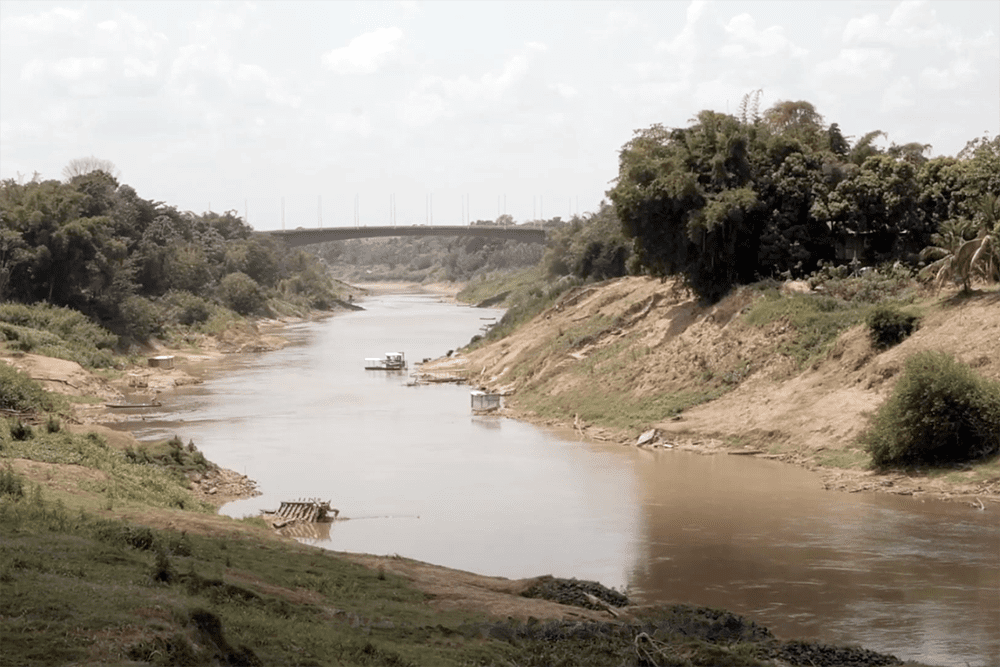
Brazil's Acre River reaches it's lower level

Since late September, the Amazon faces one of its most relentless droughts in recorded history. Disturbing images from Brazil’s Amazonas state show hundreds of river dolphins and countless fish dead on the riverbanks after water temperatures last month shot from 82 degrees Fahrenheit to 104 degrees Fahrenheit.

As temperatures climb, Indigenous peoples and local communities across the Central and Western Amazon—namely regions in Brazil, Colombia, Venezuela, Ecuador, and Peru—are watching their rivers disappear at unprecedented rates.

Given the region’s dependence on waterways for transportation, the severely low river levels are disrupting the transportation of essential goods, with numerous communities struggling to access food and water. Regional health departments have warned that it is also becoming increasingly difficult to bring emergency medical assistance to many Amazonian communities.

In Brazil, the state government of Amazonas has declared an emergency as authorities brace for what is already the worst drought in the state’s history, and is expected to affect the distribution of water and food to 500,000 people by the end of October. Some 20,000 children may lose access to schools.

The hot and dry conditions have also spurred wildfire across the region. Since the start of 2023, more than 11.8 million acres (18,000 sq mi) of Brazil’s Amazon have been consumed by fire, an area twice the size of Maryland. In Manaus, the capital of Amazonas in Brazil and a city of two million people, doctors have reported an increase in respiratory issues due to persistent smoke from fires, especially among children and the elderly.

Distant cities have also been impacted. In Ecuador, where normally 90% of power is generated by hydroelectric power plants, the Amazon drought has obliged the government to import energy from Colombia in order to prevent widespread power outages. “The river that flows from the Amazon, where our power plants are located, has decreased so much that hydroelectric generation was reduced to 60% on some days,” explained Fernando Santos Alvite, Ecuador’s Minister of Energy.

Though wet seasons vary throughout the Amazon, rain isn’t anticipated in most affected regions until late November or early December.

EL NIÑO, DEFORESTATION, AND FIRE: A DANGEROUS COMBINATION

Scientists emphasize that while the extreme drought is influenced by El Niño, deforestation over the years has worsened the situation. Additionally, wildfires linked to slash-and-burn practices favored by cattle ranchers and soybean producers are pushing the region beyond its limit.

Ane Alencar, Director of Science at the Institute for Amazonian Environmental Research (IPAM), explains, “The smoke from the fires affects the rain in several ways. When you cut down native forest, you’re removing trees that release water vapor into the atmosphere, directly reducing rainfall.”

Research has shown that this degenerative process could be pushing us closer to a “tipping point” in the Amazon, with hotter and longer dry seasons potentially triggering a mass die-off of trees. A study published last year in Nature Climate Change posits that we are just decades away from vast portions of the Amazon rainforest collapsing and becoming savannah–which, in turn, would produce a devastating effect on ecosystems around the globe.

This drought is not an isolated natural disaster. It’s a symptom of global climate changes and the local impacts of deforestation. Tackling these challenges necessitates coordinated action on local, national, and global levels.

The Brazilian government has created a task force and Peru has declared a regional emergency, but very few communities in the region have seen any coordinated effort to mitigate the impacts of the drought. Meanwhile, analysts worry that remote and isolated Indigenous communities will suffer more than most.

Indigenous peoples stand at the frontlines of climate change, despite contributing the least to greenhouse gas emissions. Now, more than ever, international solidarity and support for the affected communities are essential.
Spaces of Respect, Bridge-Builder Promotes Religious Minorities Dialogue at European Parliament

0

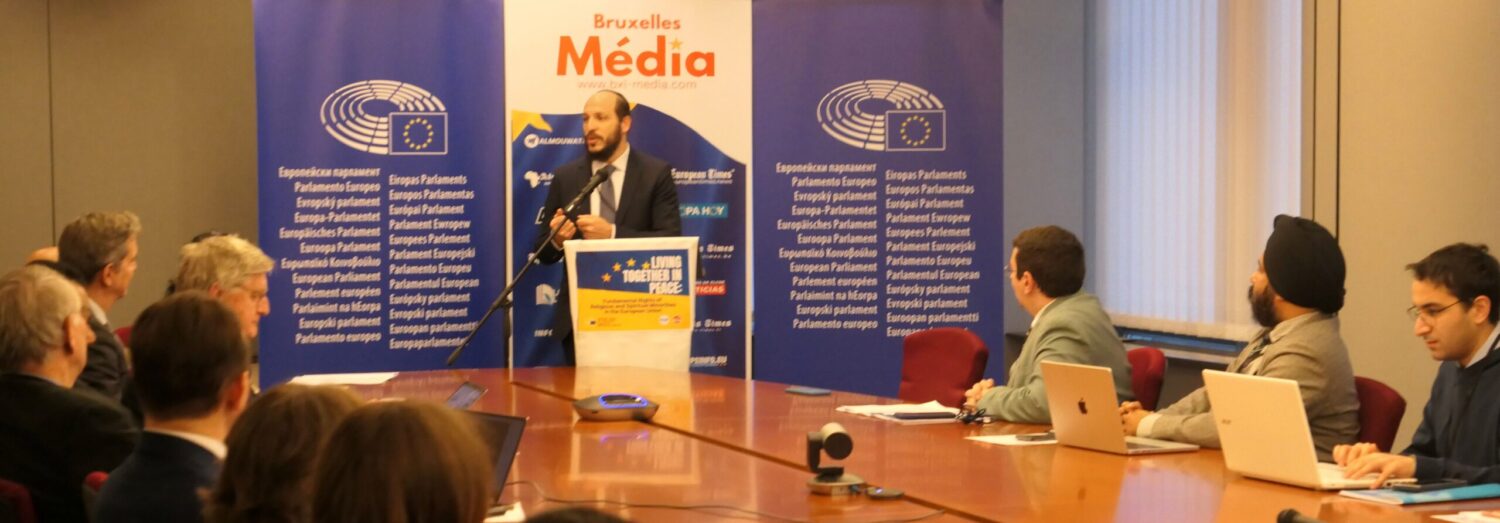
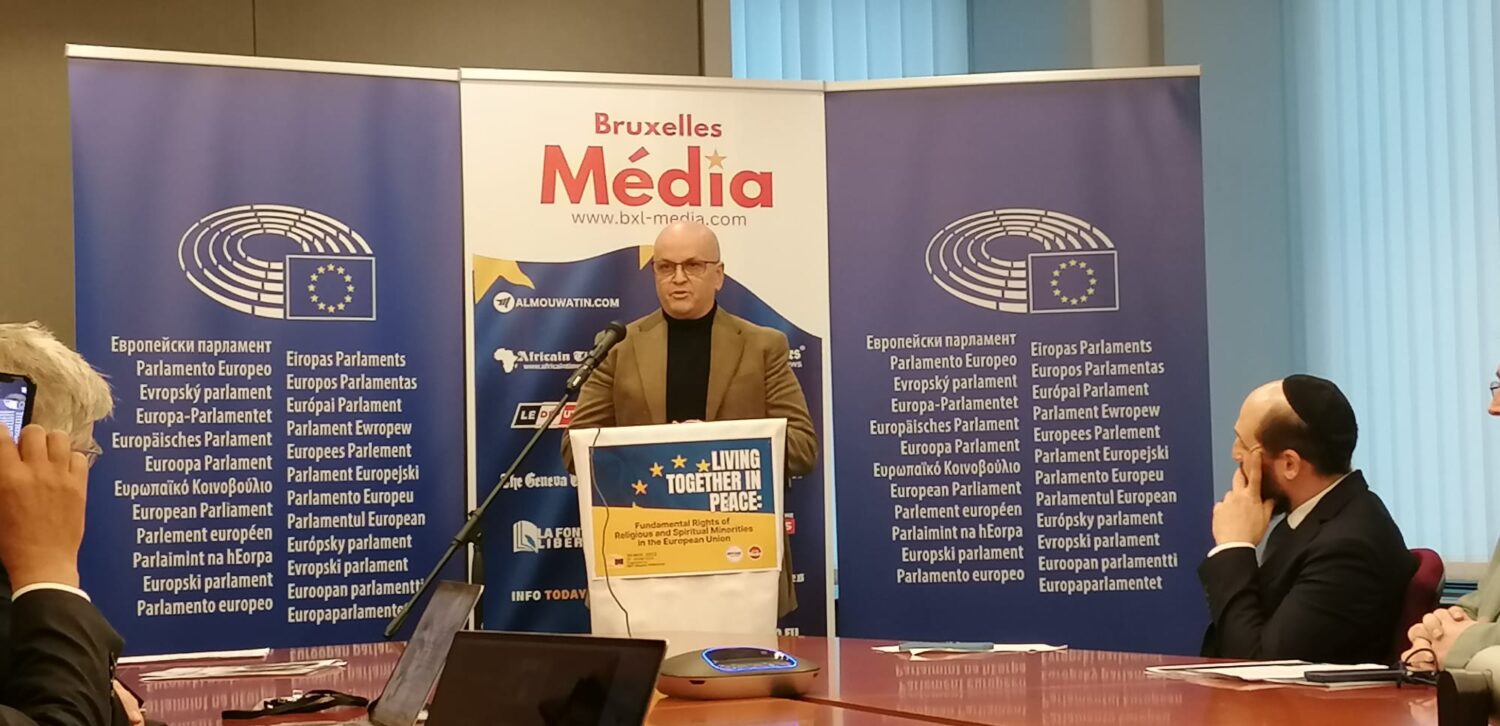
Brussels, Belgium – “Hence the need today for this kind of debate, which enables a religious minority to find a clean, respectful space in which to express their religion responsibly and transparently, within a democratic framework,” affirmed Lahcen Hammouch in an address last week to the European Parliament. The journalist and living together in peace activist gave remarks on November 30th as part of a conference on safeguarding the rights of spiritual minorities.

Organized by French MEP Maxette Pirbakas, the working meeting convened diverse religious groups to discuss experiences in Europe. In his speech, Hammouch, CEO of the Brussels-based outlet Bruxelles Media, drew on an upbringing that nurtured interfaith bonds. Growing up in Morocco, “we’ve lived together with the Jewish community since we were children,” he recalled. Yet upon immigrating to Belgium at 18, Hammouch encountered unfamiliar racism and divisions.

In the wake of “terrorist attacks in Europe by radical Islamist extremists”, dialogue has become more urgent, Hammouch argued. “Hence the need today for everyone – Black, White, Blue, Yellow, Green – to talk to each other,” he emphasized, even where full agreement proves impossible. His work centres on facilitating such conversations through media platforms, seminars and “apéros of diversity” involving diverse philosophies and religious organizations.

While acknowledging that the Muslim community faces prejudice, Hammouch distinguished the religion’s spiritual core from the political ideology of Islamism. His forthcoming book explores this complex landscape. “There is of course an Islam of peace, a traditional Islam, an Islam of values,” he wrote. “And then there is an Islamism which carries a political project.”

By providing a forum for pluralistic exchange, Hammouch suggested, events like the conference organized by French MEP Pirbakas, enable transparent understanding between people of different backgrounds. Thanking the MEP for her efforts, he reiterated the need for a “respectful space” where religious minorities can voice their beliefs freely as integral members of European democracies.

The Fateful Day: Significant Events That Happened on December 3rd Through History

0
high-angle view of body of water
Photo by Magdalena Smolnicka on Unsplash

December 3rd has been an eventful day marked by major milestones, controversies, births and deaths that changed the course of human history.

Important European Events

On December 3, 1925, a treaty was signed between Germany and the Soviet Union at Rapallo, Italy, re-establishing diplomatic relations. This came only seven years after Germany’s defeat in WWI.

December 3, 1967 was the date of the first ever heart transplant operation, performed by Dr. Christiaan Barnard in Cape Town, South Africa. This medical breakthrough revolutionized treatment options for advanced heart disease.

In Malta on December 3, 1974, the pro-British prime minister Dom Mintoff resigned, signaling the end of Malta’s ties with the United Kingdom. This strengthened bonds between Malta and continental Europe instead.

The Communist government of Czechoslovakia ended on December 3rd, 1989, over a month after protests erupted challenging one-party rule. This marked the collapse of Communism across Eastern Europe towards liberal democracy.

A tragic mining accident took place on December 3, 2007 in Ukraine, causing a series of underground explosions that ultimately killed 101 miners. It highlighted continuing safety issues in Ukraine’s mining industry.

Famous Births on December 3rd

Some renowned personalities were born on this calendar day. Joseph Conrad, revered author of acclaimed novels like Heart of Darkness, was born on December 3, 1857. Iconic singer Ozzy Osbourne of the metal band Black Sabbath arrived on December 3, 1948. Acclaimed director Terrence Malick behind realistic dramas like The Thin Red Line entered the world on December 3, 1943.

Space Exploration History

December 3, 1973 commemorates the day NASA’s Pioneer 10 spacecraft made the first-ever close flyby of massive Jupiter after traversing the asteroid belt. Its detailed images constituted a milestone for interplanetary exploration.

Tragedy in Bhopal

In one of history’s worst industrial disasters, poisonous gas leaked from a Union Carbide pesticide plant in Bhopal, India on December 3, 1984. Over half a million people were exposed to the toxic fumes, ultimately causing over 15,000 casualties. The infamous Bhopal disaster highlighted corporate negligence and raised ethical concerns about rapid industrialization in developing countries.

A Victory for Disabled Rights

December 3, 1990 marks when the Americans with Disabilities Act (ADA) was signed into law, a landmark civil rights legislation prohibiting discrimination against disabled individuals. This groundbreaking law led to improved accessibility and opportunities for Americans with disabilities.

Illinois Joins the Union

On December 3, 1818, Illinois became the 21st state admitted to the United States. Its capital city Chicago would emerge as a major commercial and transportation hub over the 19th century.

Jewish Leader Condemns Religious Hate Crimes, Calls for Respect of Minority Faiths in Europe

0
Rabbi Avi Tawil, speaking at the European Parliament, working meeting "Fundamental Rights of Religious and Spiritual Minorities in European Union". 2023
Rabbi Avi Tawil, speaking at the European Parliament, working meeting "Fundamental Rights of Religious and Spiritual Minorities in European Union". Photo credit: 2023 www.bxl-media.com

Speaking passionately at the European Parliament last Thursday, Rabbi Avi Tawil drew urgent attention to the long history of anti-Semitic hate crimes targeting visibly Jewish children across the continent. He traced Judaism’s deep roots in Europe spanning millennia and appealed for unity and understanding between different religions to realize the promise of an inclusive European society.

“Today, especially after 7th October, but already for many, many, many years. Children in the streets of Europe if they choose, or their parents allow them, or just that they walk with the kippa in the streets or they come out of a Jewish school. And there is a great deal. These kids grow up with a trauma of insults and abuse. This is something common,” explained Tawil, director of the European Jewish Community Centre, a non-profit promoting Jewish culture.

MEP Maxette Pirbakas, who organized the meeting, addressed leaders of religious minorities in Europe, at the European Parliament. 2023
MEP Maxette Pirbakas, who organized the meeting, addressed leaders of religious minorities in Europe, at the European Parliament. Photo credit: 2023 www.bxl-media.com

While stressing that fundamental rights belong to all communities, Tawil warned that Jewish Europeans are often still viewed as not fully European. “Jews across Europe paid full price and a very expensive price to have 2000 years or more of history in these lands,” he remarked, tracing Jewish contributions to shaping European civilization since ancient times.

Yet Tawil found reason for optimism in the very gathering where he spoke. The event at the European Parliament titled “Fundamental Rights of Religious and Spiritual Minorities in the EU” was organized by French MEP Maxette Pirbakas and brought together Catholic, Protestant, Muslim Baha’is, Scientologists, Hindus and other faith leaders.

“We were discussing and learning together and it made me very hopeful. These moments of sharing, these moments, these special moments that we can actually understand that we are all part of this European project,” Tawil commented.

In his view, defending rights for all spiritual minorities is essential for realizing the unifying promise of Europe. “If we have the same determination, we know what our values are, we know how we have to stand strong for each other, for each other’s freedoms, we can for sure make an impact,” he appealed in closing.

Tawil called for faith communities to come together in solidarity and bless Europe with “the determination to defend these important fundamental rights for every single person, every single citizen in this beautiful Europe.”

EU Rule of Law Health Check-In by MEPs

0
red and black abstract art
Photo by Martin Sanchez on Unsplash

Brussels – On Monday, members of the European Parliament will convene counterparts from EU member states to review rule of law safeguards across the bloc.

The gathering occurs as concerns mount over democratic backsliding in certain European countries. It will “discuss the state of the rule of law in the EU,” according to the parliament’s civil liberties committee, which is organizing the meeting.

Included on the agenda are presentations from Belgian, Danish, German, Greek, Irish, and Spanish lawmakers. European Commissioner for Justice Didier Reynders will also provide remarks via video message.

“The first session will focus on the Commission’s annual Rule of Law report assessing the situation across the EU, and the European Parliament’s analysis,” organizers outlined.

Sophie In ‘t Veld, the parliament’s rule of law monitoring group chair, will discuss recent developments. She serves as rapporteur on the Commission’s latest annual report on adherence to EU values.

Academic experts, Council of Europe officials, and transparency advocates will join the second panel discussion on anti-corruption efforts.

The gathering comes the same year rule of law conditionality took effect, allowing the suspension of EU funds over breaches of democratic principles and judicial independence. However, the mechanism’s deployment remains a politically sensitive matter.

Monday’s parliamentary summit will zero in on five countries for “specific evaluation,” according to documents. But organizers did not specify the member states under review.

With Budapest resisting EU calls for reform, and Poland accused of backsliding on judicial independence, the state of the rule of law promises to remain a complex, high-stakes balancing act for EU officials. This week’s “health check-in” meeting reflects intensifying efforts to safeguard democratic norms.

EU Sanctions Enforcement Talks Stall, Draw Parliament Ire

0
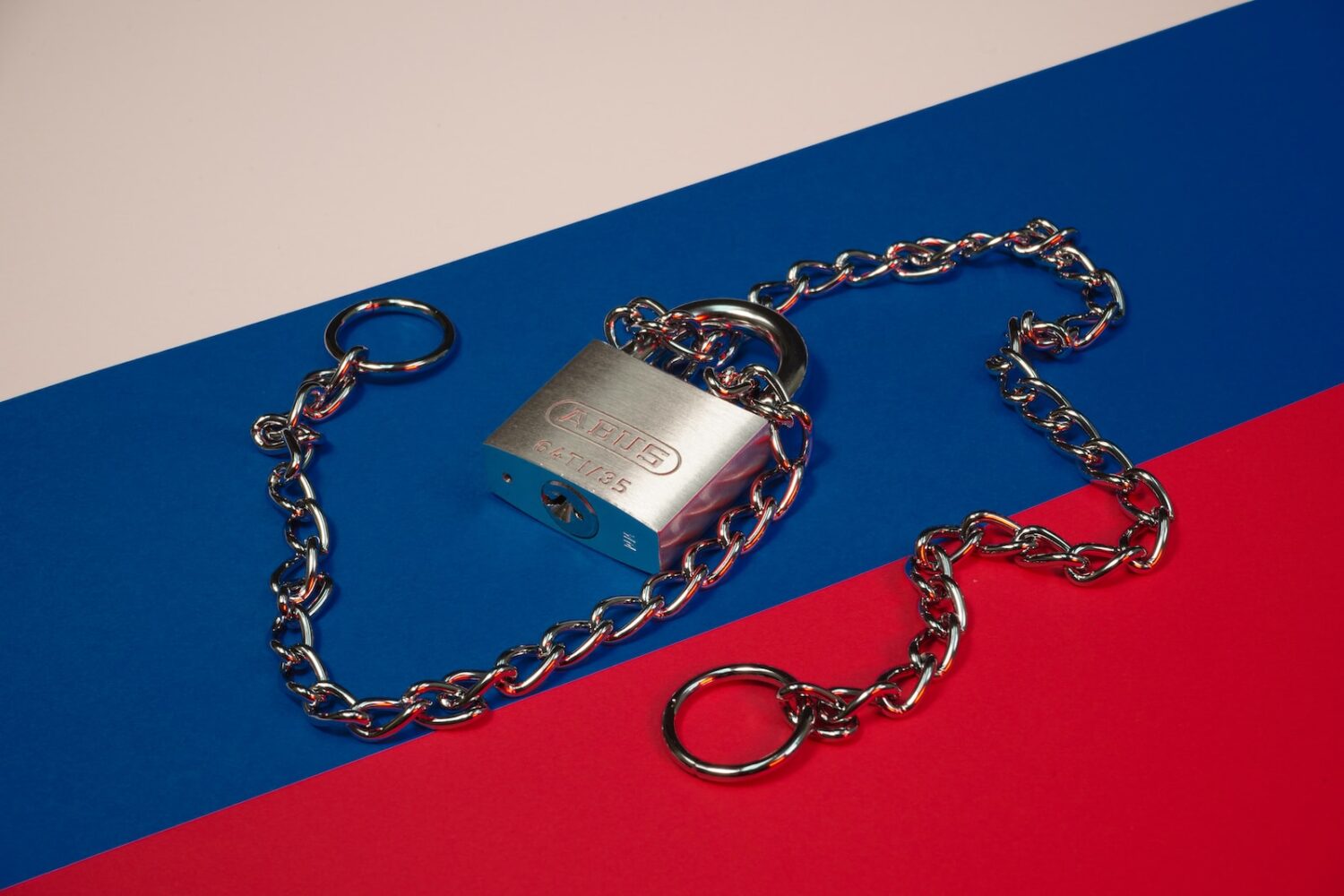
a lock and chain on a red, blue, and red background
Photo by FLY:D on Unsplash

Brussels – Negotiations between the European Parliament and EU member states on enhancing sanctions enforcement broke down Thursday evening without agreement. Parliament lawmakers expressed frustration, arguing quicker progress is needed to close loopholes aiding Russia.

“The effectiveness of the EU sanctions regime is severely undermined by the patchwork of national legal systems, and by uneven and weak enforcement,” said the parliament negotiating team in a statement.

They contend that sanctioned Russian individuals and entities are still able to travel and do business in parts of the EU. Funds also continue flowing to Russia due to uneven enforcement.

The disputed legislation would standardize penalties across the EU for violating Russia sanctions. But the talks hit an impasse over certain provisions.

“Each day that passes helps Putin’s war efforts,” the parliament team argued. “We therefore call on the Council to reconsider its position, and to resume talks as soon as possible.”

Lead negotiator Sophie In ‘t Veld said “[t]he European Parliament believes the violation of sanctions must be criminalised, enforcement of sanctions must be improved, and forum shopping for the weakest national system must end.”

The parliament statements indicate a view that EU sanctions against Russian elites need sharper teeth. But bridging the divide with member states on enforcement mechanisms remains an ongoing challenge.

With the Ukraine invasion soon to enter its second year, the parliament team stated they “stand ready to continue the talks and find agreement on the outstanding issues” around restricting Russian finances. But the stalled talks so far point to lingering obstacles.

EU Reaches Deal to Boost Cybersecurity of Digital Products

0
person using laptop computers
Photo by Jefferson Santos on Unsplash

Brussels – European Union lawmakers made progress this week towards mandating stronger cybersecurity measures for internet-connected devices used by millions of Europeans daily.

On Thursday evening, the European Parliament and European Council struck an informal agreement on the Cyber Resilience Act, proposed legislation that aims to secure digital products against cyberattacks. The bill would require makers of products with digital features to ensure they are resilient against hackers, provide transparency around their security, and issue regular software updates.

“The Cyber Resilience Act will strengthen the cybersecurity of connected products, tackling vulnerabilities in hardware and software alike, making the EU a safer and more resilient continent,” said Nicola Danti, the lead MEP negotiating the bill.

The law would designate certain product categories based on their criticality and cyber risk. Items like biometric readers, smart home assistants, and private security cameras would join the list under parliament’s amendments.

For covered devices, security patches would have to be installed automatically without user action “when technically feasible,” according to negotiators. The European Union Agency for Cybersecurity (ENISA) would also take on an expanded role in informing member states of widespread vulnerabilities.

Danti said the bill balances security and innovation by supporting small businesses and open source developers. “Only together will we be able to tackle successfully the cybersecurity emergency that awaits us in the coming years,” he warned.

The provisional Cyber Resilience Act deal still requires formal approval. But its architects hope sturdier digital product mandates can help Europeans avoid cyber headaches, as connected devices continue proliferating through daily life.

A large-scale study shows the state of the churches in North Macedonia

0

Last week, a study by the international organization “ICOMOS Macedonia” was presented in North Macedonia, dedicated to the state of churches and monasteries in the country. The study of 707 churches by experts is within the framework of the project “Monitoring the Orthodox Cultural Heritage”. It has shown the current state of all the temples, the risks they face, specific advice for overcoming the problems has been identified.

“Monitoring of the Orthodox Cultural Heritage” is a project implemented by the National Committee of the International Council for Monuments and Sites ICOMOS Macedonia. It is an extensive project aimed at monitoring and assessing the state of preservation, conservation and protection of immovable Orthodox cultural heritage in St. Macedonia and is fully supported by the US State Department’s Cultural Heritage Center as part of its Community Heritage Documentation Initiative. The project is implemented in partnership with the Macedonian Orthodox Church – Ohrid Archdiocese.

In the past year, expert teams of this organization visited and assessed the condition of church buildings in all eight dioceses in the country, and for each building a detailed report was published on where it is located, when and by whom it was built, as well as in what condition it is in.

For example, for the temple “St. Andrei” near Matka (14th century) is said to be threatened by the flow of water inside: “On its western side, the church borders the mountain slope, which is in close proximity to the building. When it rains, water flows inside the building, creating problems related to capillary damp in the interior itself… Due to the presence of moisture and inadequate furnishings, there is a risk of damage to the interior.”

For the country’s most famous church, Hagia Sophia in Ohrid, the report says that the building is being damaged by vegetation that is not being removed: “The wooden brackets of the exonarthex are visibly damaged, there are parts of the joints that have been damaged on all sides of the church, there is vegetation on the walls and roof.”

About the monastery “St. Naum” experts warn the chairs placed in the nave for believers not to touch the frescoes because they destroy them. “It is necessary to separate the chairs from the murals and, if possible, remove certain chairs. The metal (sheet metal) canopy should also be removed and a more suitable solution found for the candle-lighting area,” the recommendation reads.

The famous church “St. John the Theologian Kaneo” on the shore of Lake Ohrid is warned of a damaged installation: “The interior has outdated electrical installation and lighting, as well as inappropriate brackets above the west entrance of the church.”

Experts recommend lighting candles inside the monastery “St. Joakim Osogovski” in Kriva palanka to be banned, by setting aside places for this purpose outside the church with the wall paintings.

A special warning was issued for the Skopje church “St. Dimitar”, north of the Vardar River, near the Stone Bridge. “On the north wall, in the central upper area, in the opening where the fan is placed, water is seen pouring in, which is having a damaging effect on the frescoes. There is slight damage to the capitals of the columns in the gallery. There is an intertwining of internal exposed installations, electrical, heating, cooling, and a possible fire hazard,” the report for this church building warns.

About the famous monastery “St. Gavriil Lesnovski” writes that the painting in the higher parts of the temple, i.e. in the nave directly under the dome space of the vaults, is almost completely irretrievably lost. “If the roof leaks, which are the main problem, are not stopped, there is a threat of the loss of other parts of the mural and the possible total loss of the murals or at least serious damage,” the post said.

In the monastery “St. Panteleimon” in Gorno Nerezi near Skopje, the four facade walls of the church show black vertical traces of lichen caused by the pouring of rainwater from the lead gutters, experts warn.

ICOMOS Macedonia is a multi-expert organization and is part of the Paris-based ICOMOS International Committee, which is the world’s largest expert non-governmental organization in the field of cultural heritage conservation.

The National Committee of the International Council for Monuments and Sites ICOMOS in Macedonia (abbreviated as ICOMOS Macedonia) is a member of the International Council for Monuments and Sites ICOMOS based in Paris. ICOMOS is the world’s largest professional non-governmental organization in the field of protection and conservation of cultural heritage. The focus of interest of ICOMOS is the promotion of the application of theory, methodology and scientific techniques for the conservation of architectural and archaeological heritage. Worldwide, ICOMOS counts close to 11,000 individual members in 151 countries; 300 institutional members; 110 national committees (including ICOMOS Macedonia) and there are 28 international scientific committees. More about ICOMOS Macedonia on the official website.

Photography: Monastery of St. Petka’ – Velgoshti/Ohrid, North Macedonia

Christian Presence in Peril, Displacement and Harassment in the Holy Land

0
Christian Presence in Peril: Displacement and Harassment in the Holy Land
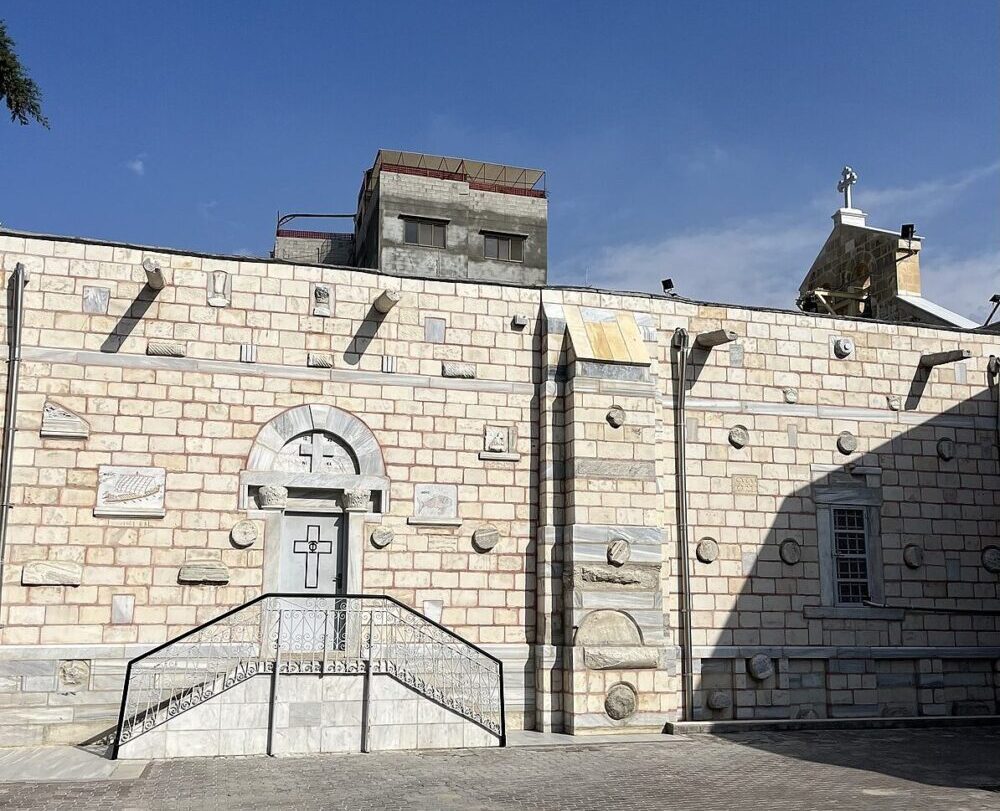
Church of Saint Porphyrius in 2022, before the Israeli airstrike - By Dan Palraz - CC BY-SA 4.0,

Christian presence in peril, the majority of people of northern Gaza have been displaced as well as Christians, whose installations have also been targeted.

As the Israeli military advances further into Gaza City to eliminate Hamas, concerns are rising about the potential disappearance of Christians in the area amid a growing exodus of Gazans fleeing the northern territory, where innocent civilians have endured continuous Israeli bombardment for over a month.

Nashat Filmon, director of the Palestinian Bible Society, which serves Palestinians in Jerusalem, Gaza and the West Bank, recently informed Premier Christian News that the majority of people in northern Gaza have experienced displacement and that Christians, whose facilities have also been targeted, have found no safe refuge.

The Britain-based website, which reports internationally on news about issues affecting Christians, quoted Filmon in a November 10 article as saying that the Palestinian Bible Society “lost office space” and that two staff members are recovering from injuries sustained in an October 19 Israeli air strike on the Greek Orthodox Saint Porphyrius Church in Gaza City.

Hundreds of Palestinians of various faiths had taken refuge in the church, and 16 Palestinian Christians were among 18 people killed in the military strike.

“Their deaths made headlines across the globe,” the National Catholic Register stated in a November 15 article. However, the challenges faced by Gaza’s small Christian community have received limited attention, the article added, citing Israel’s intensified ground offensive in Gaza aimed at targeting Hamas fighters embedded in urban neighborhoods.

Gaza is currently home to some 1,100 Palestinian Christians, according to the Register article, which contained an interview with Samuel Tadros, a Middle East scholar who formerly was a senior fellow at the Center for Religious Freedom at the Hudson Institute in Washington, D.C. 

Asked how Palestinian Christians have been treated under the rule of Hamas in Gaza since the Islamist group came to power in 2007, Tadros replied that the community encounters institutional bias and  harassment, besides enduring attacks on its institutions and businesses.

“Throughout the Middle East, we’ve seen how these Islamist movements treat Christians,” Tadros pointed out, adding: “They may not want to exterminate Christians completely, as the Islamic State sought to do, but even the most ‘moderate’ Islamist governments view non-Muslims living in Muslim-majority lands as second-class subjects and not as equal citizens.”  

As Christians continue to leave Gaza, taking advantage of a U.S.-brokered deal that permits daily four-hour pauses in the war to enable civilians to escape, there are concerns “whether, in the long term, there will be any Christian community left,” said Tadros, a Coptic Christian who is the author of the 2013 book, Motherland Lost: The Egyptian and Coptic Quest for Modernity.

Filmon shares the same worry. “I pray that this place would never turn into a museum where you come and say, Oh, Christ lived here,” the Palestinian Bible Society’s director remarked, adding: “But he doesn’t have any followers. What a shame!”

Pollution: deal with Council to reduce industrial emissions

0
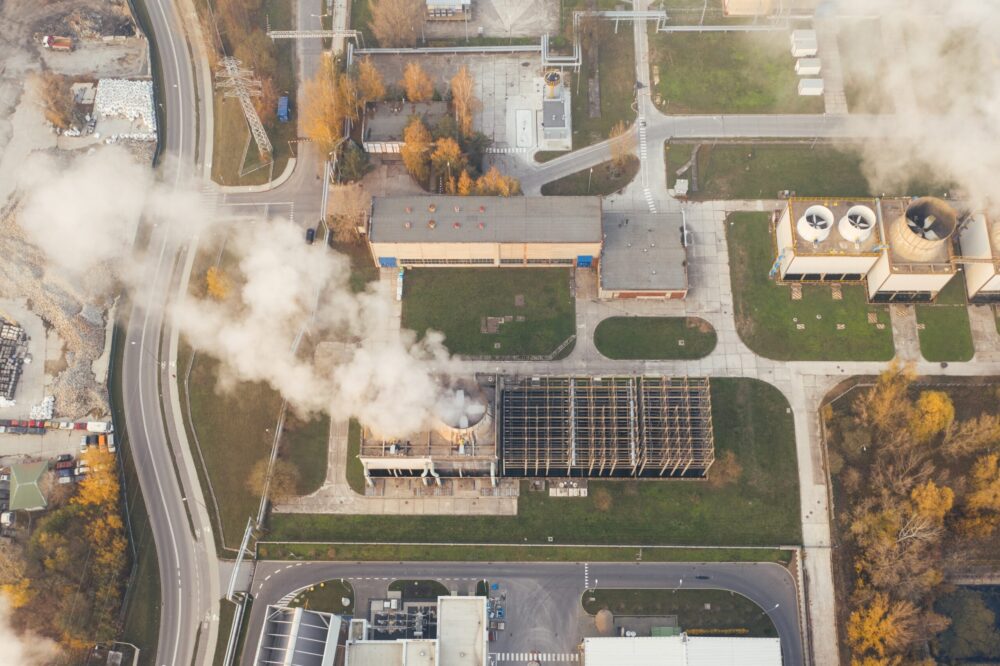
Pollution: deal with Council to reduce industrial emissions
Photo de Marcin Jozwiak sur Unsplash

The new rules will reduce air, water and soil pollution, and steer large agro-industrial installations in the green transition.

Late on Tuesday night, negotiators from the Parliament and Council reached a provisional political agreement on the revision of the industrial emission directive (IED) and the directive on the landfill of waste and the new regulation on the Industrial Emissions Portal. The aim is to further combat air, water and soil pollution from large agro-industrial installations, which can also lead to health problems such as asthma, bronchitis and cancer.

Industrial installations

The new rules will make it mandatory to set the strictest achievable emissions levels and push industrial plants to focus more on energy, water and material efficiency and reuse, in addition to fostering the use of safer, less toxic or non-toxic chemicals in industrial processes, through emission or environmental performance targets. To combat water scarcity, environmental performance targets will become obligatory for water consumption. For waste, resource efficiency, energy efficiency and raw material use such targets will be within a range and for new techniques, targets will be indicative.

Co-legislators agreed to extend the IED also to cover extractive industry installations (mines) and large installations manufacturing batteries.

Livestock farms

Co-legislators agree to extend IED measures to pig farms with more than 350 livestock units (LSU). Farms raising pigs in an extensive or organic manner, and outside for a significant amount of time in a year, are excluded. For poultry, it would apply to farms with laying hens with more than 300 LSU and for farms with broilers with more than 280 LSU. For farms rearing both pigs and poultry, the limit will be 380 LSU.

The Commission originally proposed a threshold of 150 LSU for all livestock, including for cattle. Co-legislators agreed to task the Commission to review, by 31 December 2026, the need for EU action to address the emissions from the rearing of livestock, including from cattle, as well as a reciprocity clause to ensure producers outside the EU meet requirements similar to EU rules when exporting to the EU.

Public participation, penalties and sanctions

Negotiators also agreed to increase transparency and public participation in relation to the licensing, operation and control of regulated installations. The European Pollutant Release and Transfer Register will be transformed into an EU Industrial Emissions Portal where citizens can access data on all EU permits and local polluting activities. In addition, systems for e-permitting should be in place at the latest by 2035.

Non-complying companies can face penalties of at least 3% of the operator’s annual EU turnover for the most serious infringements and member states shall give citizens affected by non-compliance the right to claim compensation for damages to their health.

Quote

After the vote, rapporteur Radan Kanev (EPP, Bulgaria), said: “I am happy about the overall outcome as Parliament defended the most important points in its mandate including significantly reducing emissions without creating further red tape for industries and farmers and as well as the level of penalties for non-complying companies.”

Next steps

The deal still has to be adopted by Parliament and Council, after which the new law will be published in the EU Official Journal and enter into force 20 days later. Member states will then have 22 months to comply with this directive.

Background

The industrial emission directive lays down rules on preventing and controlling pollution from large agro-industrial installations’ emissions into air, water and soil as well as generation of waste, use of raw materials, energy efficiency, noise and prevention of accidents. Installations covered by the rules are required to operate in accordance with a permit addressing the entire environmental performance of the plant.

This legislation is responding to citizens’ expectations concerning the polluter pays principle and speeding up the green transition and promoting greener production processes as expressed in proposals 2(2), 3(1), 11(1) and 12(5) of the conclusions of the Conference on the Future of Europe.

Read more:

Reducing pollution in EU groundwater and surface waters