
Disclosure of trading in own shares from February 23, 2026

Conversations on the Transmigration of Souls and Communication with the Afterlife (Buddhism and Spiritualism) – 3

By Boris Ilyich Gladkov Conversation Three 1. Last time, I concluded my talk on communication with the afterlife with these words: “Spiritualism is not a pastime; it is a religion that dares to rise above the Christian religion. And therein lies the danger for people who view it as an innocent pastime. Unable to approach […]
Originally published at Almouwatin.com
Block Listing Interim Review – news

BLOCK LISTING INTERIM REVIEW
Date: 2 March 2026
Name of applicant:
Admiral Group Plc
Name of scheme:
Admiral Group Plc Approved Share Incentive Plan (“SIP”)
Period of return:
1 September 2025 to 1 March 2026
Balance under scheme from previous return:
2,499,751
The amount by which the block scheme has
been increased, if the scheme has been
increased since the date of the last return:
Nil
Number of securities issued/allotted
under scheme during period:
Nil
Balance under scheme not yet issued/allotted
at end of period:
2,499,751
Number and class of securities originally
listed and the date of admission:
| 09/09/05 | 3,000,000 |
| 04/09/09 | 2,000,000 |
| 14/03/12 | 3,000,000 |
| 01/09/15 | 3,000,000 |
| 18/09/18 | 3,000,000 |
| 02/03/23 | 3,000,000 |
| Total | 17,000,000 |
Total number of securities in issue at the end of the period
306,304,676
Name of scheme:
Admiral Group Plc Employee Benefit Trust (“EBT”).
Period of return:
1 September 2025 to 1 March 2026
Balance under scheme from previous return:
1,790,973
The amount by which the block scheme has
been increased, if the scheme has been
increased since the date of the last return:
Nil
Number of securities issued/allotted:
Nil
Balance under scheme not yet issued/allotted
at end of period:
1,790,973
Number and class of securities originally
listed and the date of admission:
| 09/09/05 | 1,000,000 |
| 12/04/06 | 1,500,000 |
| 07/05/08 | 3,000,000 |
| 13/05/10 | 4,000,000 |
| 15/10/13 | 6,000,000 |
| 16/09/16 | 6,000,000 |
| 17/09/19 | 6,000,000 |
| 20/09/21 | 7,500.000 |
| Total | 35,000,000 |
Total number of securities in issue at the end of the period:
306,304,676 (Rights to dividends have currently been waived for 1,831,861 shares held by Apex Financial Services (Trust Company) Limited as trustee of EBT).
Name of contact:
Dan Caunt,
Company Secretary
Admiral Group Plc
LEI Number: 213800FGVM7Z9EJB2685
Telephone number of contact:
0330 333 5512
عندما تُشلّ حركة الطيران، تفتح الإمارات أبوابها

وجرى تنسيق الجهود بين إدارات المطارات وشركات الطيران والمؤسسات الفندقية، حيث تم توفير حلول إقامة مؤقتة، إضافة إلى تقديم Remove the water from the water. كما تم تكليف فرق ميدانية داخل صالات السفر بإرشاد المسافرين المتضررين وتنظيم نقلهم إلى أماكن الإقامة المخصصة عند الحاجة
أدت التطورات الإقليمية الأخيرة وما رافقها من اضطرابات في المجال الجوي إلى موجة من إلغاء الرحلات وتحويل مساراتها، ما أثّر على أبرز مراكز الطيران في منطقة الخليج. وفي مطارات دولة الإمارات العربية المتحدة، وجد عدد كبير من السافرين العابرين أو أصحاب الرحلات المتصلة أنفسهم عالقين مؤقتًا بعد تعليق أو تأجيل رحلاتهم
وفي مواجهة هذه المستجدات، فعّلت السلطات الإماراتية خططًا تشغيلية طارئة للحد من تأثير الاضطرابات على المسافرين. وأعلنت الهيئة العامة للطيران المدني عن تحمّل تكاليف الإقامة والوجبات للمسافرين المتأثرين بإلغاء الرحلات المرتبط بالظروف الإقليمية. ويشمل هذا الإجراء المسافرين الذين تم تعليق رحلاتهم ولم يتمكنوا من مواصلة سفرهم بشكل فوري
وتُعدّ دولة الإمارات العربية المتحدة من أبرز مراكز العبور الجوي عالميًا، إذ تستقبل سنويًا ملايين المسافرين عبر مطاري دبي وأبوظبي. وهذا الدور المحوري يجعلها عرضة لتأثر أعداد كبيرة من المسافرين Remove the water from the water. ويأتي التفعيل السريع لإجراءات الدعم ضمن بروتوكولات إدارة الأزمات المعتمدة للتعامل مع الانقطاعات الكبرى في قطاع النقل الجوي
وتختلف آليات الاستفادة من الدعم بحسب كل حالة، تبعًا لوضع التذكرة وشركة الطيران العبور. غير أن المبدأ الذي أعلنته الجهات المختصة يقوم على ضمان الإقامة وتقديم الدعم الأساسي للمسافرين العالقين نتيجة للظروف الاستثنائية
ومع استمرار تكيّف حركة الطيران تدريجيًا وفقًا للتطورات الأمنية، تبقى آليات الدعم قائمة لمرافقة المسافرين المتأثرين إلى حين استعادة الرحلات لنسقها الطبيعي بشكل كامل
Originally published at Almouwatin.com
Justice on the move: Mobile courts offer hope for communities in South Sudan
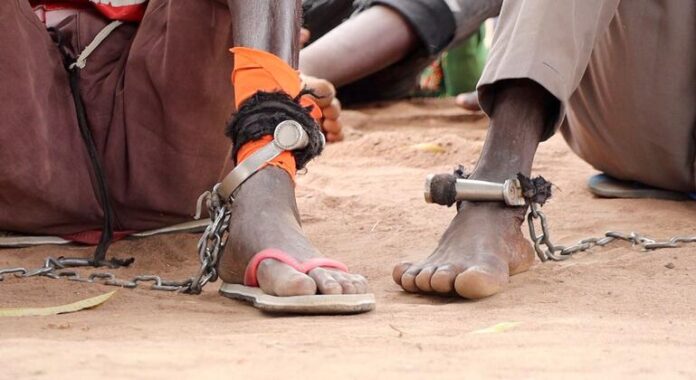
Its mission: to prepare for the deployment of a mobile court expected to begin next month. This initiative can’t come soon enough for victims of crime who have long believed that accountability is out of reach.
Since 2018, South Sudan, the world’s youngest nation, continues to face deep instability and violence despite a peace agreement meant to end years of civil war.
Armed clashes between government forces, opposition groups, and local militias continue to displace thousands, worsening an already dire humanitarian situation.
Sexual violence is rife
“My 8-year-old child was raped, and I don’t know what to do as her future is already damaged,” explained Grace Hadia, mother of a sexual violence survivor. “I have not been able to sleep since this incident. I hope the justice will prevail with the deployment of the mobile court.”
UN peacekeepers accompany justice experts to Mundri in a remote part of Western Equatoria in South Sudan.
Many similar, deeply painful stories emerged during the assessment, with authorities documenting 35 pending cases, including nine murder cases, 15 involving sexual and gender-based violence (GBV) and others relating to theft and other more serious crimes.
Local leaders say GBV is a problem that just keeps growing.
“Recently, during a funeral, a woman was raped by seven men. We are still searching for the suspects so they can face justice,” said Zilpha Dawa, Mundri West County Commissioner. “What we lack is a (GBV) desk at the police station.
These cases are often treated like ordinary crimes. We urgently need trained personnel to handle GBV reports properly and keep accurate records.”
No courthouses, no trials
The absence of functioning courthouses has also left many suspects waiting years in detention without trial, contributing to severe prison overcrowding.
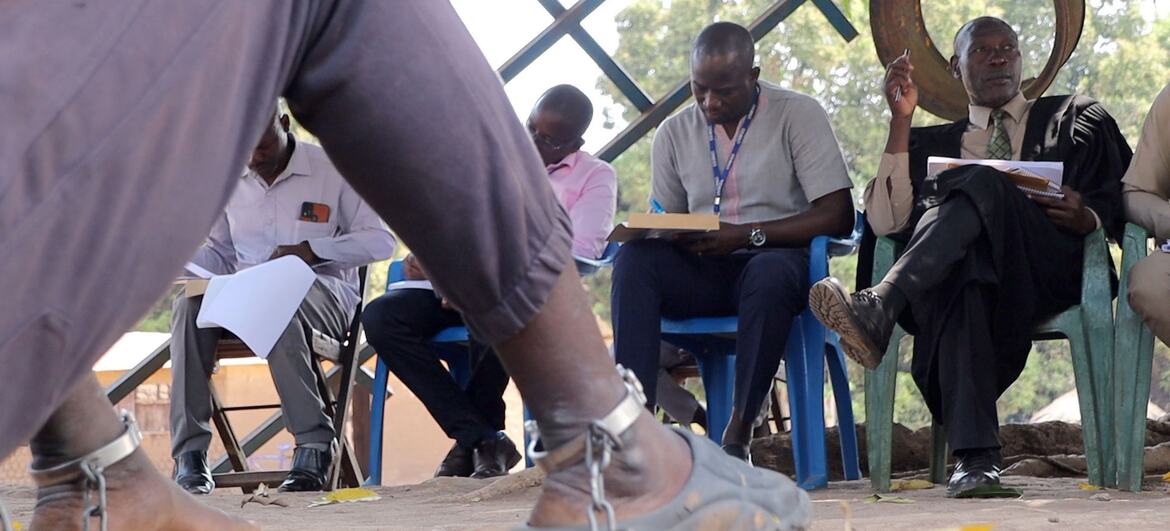
Mobile courts are helping to support justice in South Sudan.
“I have spent two and a half years in prison without trial. I am hopeful now that the mobile court will come, and justice will finally prevail,” stated one alleged perpetrator.
The United Nations Mission in South Sudan is supporting the assessment mission and mobile court to strengthen the justice chain and build trust among communities in the rule of law.
Mobile courts represent more than legal proceedings; they will bring accountability and healing. And for many, it is the first real hope that long-delayed justice may finally be delivered.
Berset Warns Europe Needs Legal Unity as Middle East War Spreads
Strasbourg, 1 March 2026 — As hostilities intensify across Iran, Israel and the wider Gulf, Council of Europe Secretary General Alain Berset is urging Europe to move beyond improvised crisis diplomacy and build a common, binding legal framework across the Council’s 46 member states. In a statement issued in Strasbourg, Berset argues that Europe’s fragmented responses to international emergencies are no longer sustainable—warning that “inaction is not prudence. It’s abdication.”
A crisis “at the immediate eastern borders” of the Council of Europe
Berset opens with a stark assessment: the Middle East, he says, is “sliding into full-scale conflict” close to the Council of Europe’s eastern neighbourhood, with civilians “in Iran and across the region” bearing the brunt. His language is notably institutional—less about military tactics than about what he sees as the accelerating erosion of the rules intended to restrain force.
“As missiles strike, international law is weaponised,” he writes, framing the escalation as part of a broader pattern in which legal norms are invoked selectively, contested aggressively, or sidelined altogether.
From “discussion” to “strategic imperative”
The central argument of the statement is that Europe needs more than expressions of concern and emergency meetings. Berset calls for a common European legal framework at the level of the Council of Europe’s 46 member states—capable of judging violations, assessing the use of force and sanctions, and ensuring “continuous, coherent decisions without paralysis.”
In practical terms, he is challenging the model of ad hoc coordination that often emerges during crises. Too often, he says, pan-European security relies on temporary formats “with no common legal basis, no permanent decision-making authority, and no structures to ensure continuity.” The result, in his view, is strategic inconsistency: Europe reacts late, reacts unevenly, and remains vulnerable to events shaped elsewhere.
Rejecting binary framing—while insisting on the UN Charter
Berset also warns against reducing the Iran-related escalation to a simple choice between condemnation and support. Pointing to a “succession of recent crises,” he argues that the current moment reflects a deeper “deconstruction phase of the international legal order,” where the “power of the strongest” increasingly governs relations between states.
At the same time, he calls for Europe to insist on respect for international law, explicitly citing the Charter of the United Nations, and he echoes demands for an “immediate cessation of hostilities by all parties.” His emphasis is not on aligning with one bloc, but on rebuilding a credible legal basis for collective European action when violence escalates.
Diplomatic pressure grows as the UN Security Council convenes
Berset’s intervention comes as international diplomacy scrambles to contain the escalation. The UN Security Council has been expected to meet in emergency session on the Iran-related conflict, according to Reuters reporting. Across Europe, leaders have urged restraint and a return to negotiation, with France, Germany and the UK calling for a negotiated solution and warning of wider destabilisation, as reported by The Guardian.
Against that backdrop, the Council of Europe—best known for its work on human rights, democracy and the rule of law—positions itself as an institutional voice arguing that Europe’s credibility depends on how it decides, not only what it says.
Next step: putting the crisis before the Council’s Committee of Ministers
Berset says he will place the escalation in the Middle East on the agenda of the next meeting of the Committee of Ministers, the Council of Europe’s main decision-making forum representing member states. The aim, he writes, is to begin a “collective reflection” on Europe’s capacity to respond coherently “within a common legal framework.”
His warning is blunt: if Europe does not organise “collective wider European security within a permanent and binding legal structure,” it will remain reactive—and its security environment will continue to be shaped by others.
A familiar theme for Berset: defending Europe’s principles under strain
The Secretary General’s message fits a broader line he has taken since assuming office: that Europe’s stability rests on rights and rules that must be defended consistently, especially during moments of fear and polarisation. In recent weeks, Berset has also moved to strengthen European coordination on protecting religious minorities—an issue The European Times reported on in coverage of the Council of Europe’s appointment of an envoy focused on religious intolerance.
In the Middle East statement, he extends the same logic to security crises: without a durable legal backbone and decision-making continuity, Europe risks living in a cycle of shock, improvisation and drift.
“A test” of Europe’s role in the emerging order
Berset concludes with a challenge rather than a prediction. The conflict unfolding across Iran, Israel and the Gulf, he writes, is “a test of whether Europe intends to shape the emerging order or merely observe its fragmentation.”
For the Council of Europe, the statement is also a bid to keep law at the centre of European crisis response at a moment when military escalation, sanctions debates and diplomatic ruptures are compressing decision time. The question now is whether member states treat Berset’s call as a rhetorical warning—or as an agenda for institutional change.
Is your phone your comfort blanket?
Constantly checking your phone during conversations with a partner – a behaviour known as phubbing – may be
Forgotten conflict in South Sudan at ‘a dangerous point’, Türk warns
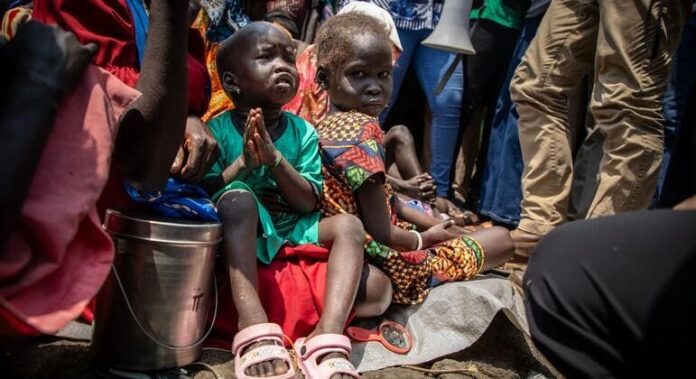
In remarks to the Geneva-based international body, High Commissioner for Human Rights Volker Türk called for urgent action to preserve the 2018 peace agreement between the Government and opposition to prevent fragmentation and retaliatory cycles that could spark a return to all-out civil war. He described the human rights situation as among the world’s forgotten crises. “We are at a dangerous point, when rising violence is […]
Originally published at Almouwatin.com
MIDDLE EAST LIVE: UN Security Council meets in emergency session on Iran
 The UN Security Council convened in an emergency session following major airstrikes across Iran on Saturday by the United States and Israel. In retaliation, Tehran launched its own attacks across the Middle East. UN chief António Guterres tells ambassadors this action risks “triggering a chain […]
Originally published at Almouwatin.com
منح وحدات الأسهم المقيدة للإدارة والموظفين

 إعلان الشركة كوبنهاغن، الدنمارك؛ October 27, 2026 – September 27, 2026 – December 27, 2026 587,495 pcs. 455,004 pcs. التابعة لها. يتم منح كل وحدة مقيدة بدون تكلفة وتوفر للمالك حق مشروط في الحصول على سهم واحد […]
Originally published at Almouwatin.com
