Wednesday, April 1, 2026
Home Blog Page 170

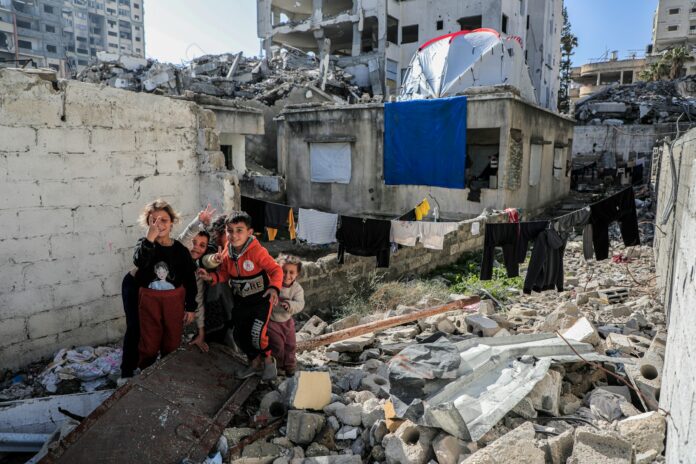
5.7 million people face food insecurity in Haiti

0

In his recent analysisThe IPC, a UN-backed index measuring hunger and malnutrition in the world’s hotspots, found that 5.7 million Haitians face a deteriorating food security situation.

The study provides analysis for the period September 2025 to February 2026 and a projection for March to June next year.

Emergency levels

A staggering 1.9 million – or 17 percent of the population – suffer from emergency levels of acute food insecurity, leaving them with food deficits, high acute malnutrition and excessive mortality rates.

An additional 3.8 million people – or 34 percent of the population – face crisis levels of acute food insecurity, meaning they could be forced to deplete their essential livelihoods simply to meet their basic nutritional needs.

Conditions expected to worsen

The IPC expects food security to deteriorate further from March to June 2026 due to the lean season, a period between harvests when food supplies tend to be low and prices high.

More than half the population – 54 percent – ​​is expected to face high levels of acute food insecurity.

The situation is made worse by the creeping control of territory by armed groups and the decline of the country’s economy, which has led to mass displacement and the destruction of livelihoods.

In regions controlled by armed groups, farmers who have managed to maintain their agricultural activity are forced not only to negotiate access to plots of land but also to share their production, explains the IPC.

Additionally, households in gang-occupied areas that relied on small businesses were forced to abandon their sources of income and many people lost their jobs as businesses closed.

Emergency response required

Despite support from humanitarian actors, Haitians face overcrowding, characterized by precarious living conditions and a lack of sanitation facilities, according to the IPC.

This increases the risk of sexual violence, the spread of diseases such as cholera and psychological distress for displaced people, who already lack adequate access to clean water, food and proper healthcare.

To mitigate the crisis, the IPC recommends emergency intervention to prevent poorer households from resorting to harmful coping strategies and an expansion of already existing social protection programs, among other actions.

Originally published at Almouwatin.com

Bold, diverse and unstoppable: girls speaking out in a world in crisis

0

Alongside senior officials from the UN community, they commemorated International Day of the Girl through statements, dialogue and a show of solidarity with their peers in Afghanistan and elsewhere, whose voices have been silenced.

Nafisa from Ghana, 16, championed girls “whose dreams are shattered by the crisis”, like a friend from a neighboring village who had to leave school after the conflict broke out, but joined a study group to continue learning.

“Her story reminds us that girls are strong, girls are determined, girls never give up,” she said in a video message.

A world where girls can lead

International Day takes place every year on October 11 and the event brought this year’s theme to life. We are here: Bold, Diverse and Unstoppable – Demanding Action for Girls’ Rights.

Parents, carers and mentors were encouraged to sit in red chairs at the back of the room while “virtual moderator” Andrea in Bolivia welcomed participants, who were asked to use only their first names as a safeguard.

“Across the world, girls are dreaming big, supporting each other and raising their voices for justice,” she said in Spanish.

“We may live in different places and speak different languages, but we share a dream: a world where every girl can learn, lead and live without fear. »

UN President of the General Assembly Annalena Baerbock advised participants to follow their interests “passionately” and do what they love wholeheartedly.

“My dream for you is that every day you do just that…and no one and nothing will stop you,” she said.

“No man, no religion, no legislation, no system that tries to silence you, no criticism or bullying from others at school, or those moments online. Not even what can often seem like the loudest voice of all: your own self-doubt.”

Caught in crises

The commemoration took place as countries celebrated 30 years since the adoption of the Beijing Declaration on women’s rights and Global Program of Action for Youth.

Yet despite these global promises, “girls around the world are experiencing the impacts of catastrophic climate change, armed conflict, food insecurity and systemic gender-based violence and discrimination,” said Michael Gort, Canada’s deputy permanent representative to the UN.

He urged governments, civil society and the international community as a whole “to go beyond promises and deliver concrete results,” saying that “our role is to listen, support and act, guided by your experience and expertise.”

Solidarity and commitment

Another moderator, Eleni, called for a minute of silence for all girls “whose voices need to be heard,” including those in war zones, situations of violence, or in rural areas or indigenous communities. They were represented by an empty “solidarity chair” on the podium.

Ms. Baerbock then gathered the room to take a “solidarity selfie” with the girls of Afghanistan, whose rights continue to be subject to restrictions.

For its part, the United Nations Children’s Fund (UNICEF) “engages in girl-focused programming” in more than 80 countries, focusing on areas such as protection, health, nutrition and economic empowerment, said Lauren Rumble, associate director for gender equality.

Additionally, 10 percent of UNICEF’s approximately $7 billion in annual spending will go to networks for girls and women.

“We know that you are all capable of designing the change you want to see and delivering it, so we need to make sure we put resources and investments directly into your hands so you can do it better and at scale,” she said.

Markella, who represented the Greek Orthodox Archdiocese of America, emphasized the power of solidarity.

“Every girl has the ability to advocate for another girl,” she said.

“Even though she does not have a UN microphone, I urge her to work to create a safe environment for her fellow girls in any space and to make the voices of her peers heard.”

Originally published at Almouwatin.com

Security Council LIVE: Ambassadors meet on US strikes on suspected drug traffickers off Venezuela

0

THE UN Security Council entered an emergency session on Friday, following a request from Venezuela. The US military has carried out four deadly airstrikes in Caribbean waters in recent weeks against drug traffickers backed by Caracas, according to Washington. The Venezuelan government denies the accusation, accusing the administration of posing a threat to the peace and security of the entire region. Follow live coverage below and UN News app users can go here.

Originally published at Almouwatin.com

Sudan: Türk “dismayed” by continued massacres of civilians in El Fasher

0

This follows reports that at least 53 civilians were killed and more than 60 injured by members of the Rapid Support Forces militia, the RSF, between October 5 and 8 alone.

Preliminary information from the region – the last government-controlled town in North Darfur – suggests the figure could be even higher, according to the UN human rights office (OHCHR) added.

“Endless and gratuitous contempt”

“I am appalled by the RSF’s constant and wanton disregard for civilian life,” Mr. Türk said.

THE militia fights former military government allies for control of Sudan since April 2023.

The UN rights chief said: “Despite repeated calls, including my own, for special precautions to be taken to protect civilians, they continue to kill, injure and displace civilians and attack civilian objects.including shelters for displaced people, hospitals and mosques, in total disregard of international law. This must stop.

At least 46 civilians were killed in artillery and drone strikes in the Abu Shouk and Daraja Oula neighborhoods, as well as the Abu Shouk internally displaced persons camp, OHCHR reported.

This includes at least 14 civilians who were killed during the attacks of October 5 and 7 against the Saudi hospital – the last large functioning health care facility in North Darfur.

The hospital, which has been attacked several times, was already operating at reduced capacity, before suffering further significant damage in these latest attacks.

Summary executions

At least seven other civilians were reportedly summarily executed during house-to-house searches during RSF ground attacks, the OHCHR reported.

“Initial information indicates that these killings may have been ethnically motivated and targeted members of the Zaghawa community,” the UN office said.

“I urge RSF – and all parties to the conflict – to learn lessons from this week’s conviction of Ali Kushayb by the authorities. International Criminal Court (ICC) for the war crimes and crimes against humanity he committed in Darfur,” said Mr. Türk.

THE former commander Janjaweed convicted of war crimes on 27 counts earlier this week in The Hague. The RSF would have emerged from the Janjaweed militias and their leaders from 2013.

The High Commissioner also reiterated his call on UN Member States with direct influence to take urgent measures to protect civilians and prevent further atrocities in El Fasher and across Darfur.

Originally published at Almouwatin.com

UN calls for restraint as US strikes in southern Caribbean escalate tensions with Venezuela

0

Briefing of ambassadors in the Security CouncilUN Under-Secretary-General Miroslav Jenča said American operations, carried out between September 2 and October 3, exacerbated tensions in the region and sparked strong criticism from Caracas.

“Venezuelan authorities have announced that they remain on alert since U.S. military deployments were first reported in August,” he said, noting that President Nicolas Maduro has mobilized 4.5 million members of the Bolivarian militia to support the armed forces.

Mr. Jenča said that, according to American authorities, the strikes targeted ships in international waters carrying illegal drugs bound for the United States. Eleven people were reported killed in the first attack on September 2, with subsequent operations bringing the total number of casualties to 21.

The exact locations of the incidents have not been made public and the UN is unable to independently verify this information.

Exchange of allegations

Mr. Jenča said Washington defended its actions as consistent with laws governing armed conflict and necessary to protect American citizens from the flow of illicit drugs from South and Central America.

“A White House spokesperson said ‘the President acted in accordance with the laws of armed conflict,’ seeking to protect the United States ‘from those who attempt to bring deadly poison’ to its shores,” he told the Security Council.

Venezuelan officials, however, consider these strikes a provocation and a violation of sovereignty.

Venezuela’s Permanent Representative to the UN wrote to the Security Council on October 9, stating that the “further goal” of US actions continues to be to “advance its regime change policies.”

Caracas also reported U.S. warplane overflights near its coast and the grounding of a fishing boat in Venezuelan waters, while Washington said two Venezuelan military planes flew over a U.S. Navy ship in international waters.

Assistant Secretary-General Jenča briefs the Security Council meeting on threats to international peace and security.

Repeated calls for restraint

The UN has repeatedly called on both sides to exercise restraint and resolve their differences through peaceful means.

Jenča stressed that efforts to combat drug trafficking “must be carried out in accordance with international law, including United Nations Charter» and that any use of force to combat illicit trafficking must respect human rights standards.

“The United Nations recognizes the devastating impact of violence caused by transnational organized crime, which affects countries of production, transit and destination,” said Mr. Jenča.

We continue to emphasize the need for all efforts to combat transnational organized crime to be carried out in accordance with international law.»

He said the UN would continue to support diplomatic dialogue and measures to prevent further escalation, calling on Washington and Caracas to prioritize de-escalation and constructive engagement.

Originally published at Almouwatin.com

Can AI create a fairer future for people with disabilities?

0

When designed with lived experience at their heart, AI tools like conversational screen readers, adaptive dashboards, and real-time captioning don’t just break down barriers; they expand the possibilities. They transform access into agency and the freedom to learn, lead and contribute fully.

Avoiding a “shinier version of the same old prejudice”

Surashree Rahane was born with several physical disabilities, including clubfoot and polymelia, a condition in which affected individuals are born with extra limbs. Growing up in a family where disability was a part of everyday life, she never saw it as a limitation, but simply another way of navigating the world.

“My mentors always told me: don’t just look for jobs, create them,” she shares. “That’s how I learned that leadership itself is about inclusion. »

Ms. Rahane is now the founder and CEO of Yearbook Canvas, a technology platform specializing in digital yearbooks for academic institutions. As she started her business, she saw the persistence of structural barriers, such as inaccessible infrastructure, biased financing networks, and inflexible education systems.

To address these challenges, she currently works at the Newton School of Technology near New Delhi, focusing on inclusive academic design and AI-based learning tools that adapt to the pace of each student. “AI can democratize access to education,” she says, “but only if we teach it to understand the diversity of learners. Otherwise, we risk building a shinier version of the same old bias.”

© UN Info/Shachi Chaturvedi

Assistive technologies empower people with disabilities.

“The Great Equalizer”

From text-to-speech tools for people with speech disabilities to gesture-based wheelchair controls, technology is now breaking down barriers once considered permanent.

Prateek Madhav, CEO of AssisTech Foundation (ATF), describes AI as “the great equalizer”. “While the world is worried about AI taking jobs,” he says, “for people with disabilities, AI is creating them. »

Ketan Kothari, consultant at Xavier Resource Center for the Visually Impaired in Mumbai, demonstrates how AI tools have made him completely independent at work. “Today, I can format a document, access meetings with live captions, and even generate visual descriptions through apps,” he explains. “AI has turned imagination into function.”

The Purple Fest primarily features Indian entrepreneurs and business leaders, but, as Tshering Dema of the United Nations Development Coordination Office points out, “this is not the story of a single country, it is a global transition. Inclusion is not just about laws or infrastructure; it is about mindset and shared design. The future of work must be built not just for people, but with them.”

Originally published at Almouwatin.com

Weekly schedule of President António Costa

0
Weekly schedule of President António Costa

Weekly schedule of President António Costa, 13 – 19 October 2025.

Source link

Korruption – When Self-Interest Comes Before the Common Good (Review)

0
Korruption – When Self-Interest Comes Before the Common Good (Review)

Korruption – Wenn Eigennutz vor Gemeinwohl steht by Thomas and David Schirrmacher is a concise yet profoundly informative examination of corruption as a global, systemic problem. In clear and accessible language, the book unpacks how corruption harms societies at every level – from local communities to international development – and why it should concern us all. The authors blend insights from theology, sociology, law, and politics to illuminate corruption’s roots and repercussions, offering readers both a sweeping overview and practical strategies to combat this scourge. This well-structured analysis is especially pertinent to current European debates on the rule of law and democratic accountability, grounded in Thomas Schirrmacher’s extensive experience in international human rights advocacy.

Right from the outset, Korruption emphasizes that corruption is neither a private matter nor a mere peccadillo, but a life-and-death issue with global reach. The book vividly illustrates how bribery and fraud can turn deadly – for instance, when substandard parts are installed in airplanes or funds meant for the hungry are siphoned off, resulting in real harm to ordinary people. Such examples drive home the point that everyone is affected by corruption’s ripple effects, even if indirectly, and the poorest of the poor suffer the most when public resources for essentials like drinking water, food, or medicine are stolen or misallocated. Backed by sobering data, the authors highlight systemic dimensions: over a trillion dollars flow into corrupt channels every year, according to World Bank estimates, while a fraction of that sum could lift the world’s poorest out of extreme poverty. They note that in major projects even in well-governed countries, corruption can inflate costs by 10–25% on average. Despite handling such weighty statistics and cases, the writing remains remarkably approachable, aiming to inform the lay reader without overwhelming. The result is a book that delivers depth with clarity – painting a global panorama of corruption’s forms and effects in under 112 pages, yet doing so in a way that an interested citizen or student of public affairs can easily grasp in a few hours’ reading.

One of the book’s greatest strengths is its integration of diverse perspectives – theological, sociological, legal, and political – into a unified analysis. This breadth reflects the authors’ own backgrounds. Thomas Schirrmacher is a theologian and renowned human rights advocate, while David Schirrmacher is a business economist, and together they explain “why corruption harms us all, what Christian ethics has to say about it, and what can be done about it”. Such a collaboration yields a holistic approach: for example, the text discusses moral and theological principles (like integrity and the Biblical view on corruption) alongside political science concepts such as power abuse and separation of powers as safeguards. It examines the sociological and cultural facets of corruption, exploring how it manifests in different historical and cultural contexts, and also delves into the legal dimension, surveying anti-corruption laws and conventions. By weaving these threads together, the Schirrmachers manage to address corruption not just as an abstract evil, but as a multi-faceted societal challenge. Readers gain an understanding of how personal ethics and religious values, sound laws, accountable governance, and social norms all intersect in either enabling or restraining corrupt behavior. This interdisciplinary blend is presented in an accessible manner – complex theological or legal concepts are explained in plain terms, keeping the content grounded and relevant for a broad readership interested in public ethics.

The book’s organized methodology greatly enhances its usefulness. Part of the “Kurz und Bündig” (Short and Concise) series, it is intentionally structured so that a reader can obtain a comprehensive overview within a short time. The Schirrmachers begin by defining corruption and identifying who is affected, ensuring that readers share a common understanding of terms. They then provide a succinct historical and cultural contextualization, showing how corruption has been viewed and practiced from feudal times to the modern era, across different societies. From there, the authors survey corruption’s presence in various sectors – politics, business, and civil society – with over a hundred brief examples illustrating cases ranging from local nepotism to grand international scandals. Each example, whether the Lockheed bribery affair or a municipal “machine” in Europe, is used to distill broader lessons about systemic flaws and human nature.

Crucially, the book doesn’t stop at analysis; it examines the tangible consequences (such as economic damage, erosion of trust, and human suffering) and reviews the legal frameworks and governance measures in place to tackle corruption. International agreements like the UN Convention Against Corruption and domestic anti-bribery laws are touched upon, giving readers a sense of the tools available to societies. The authors discuss strategies of good governance – for example, how transparency, checks and balances, and a free press act as antidotes to corruption’s poison. A notable inclusion is a chapter from a Biblical perspective, where they explore corruption through the lens of Christian ethics. This section isn’t preachy but serves to reinforce universal ethical imperatives (honesty, justice, stewardship) that undergird anti-corruption norms across cultures. Finally, the book concludes with practical recommendations and further reading. The advice is concrete, ranging from how individuals can resist everyday small-scale corruption dilemmas, to how policymakers and citizens’ movements can press for greater accountability. By combining factual information, ethical discussion, and actionable steps, the Schirrmachers provide not just a diagnosis of the corruption problem, but a toolkit of ideas and solutions – an approach that readers interested in reform will find highly valuable.

Cover of the book Korruption – Wenn Eigennutz vor Gemeinwohl steht (2014 German edition; also published in English as Corruption: When Self-Interest Comes before the Common Good, 2019). The authors structure the book to cover definitions, real-world examples, historical context, legal frameworks, and ethical reflections, all within a short volume.

The publication of this book feels especially timely and pertinent to ongoing debates within the European Union on governance and the rule of law. Corruption is not a distant “developing world” issue; it is very much a European concern as well, a point the authors make by including numerous German and European examples alongside global ones. Recent events have only underscored this reality – for instance, the European Parliament’s “Qatargate” scandal in 2022 revealed how even EU institutions can be susceptible to corrupt influence. Korruption equips readers with a framework to understand such incidents beyond the headlines: it contextualizes why robust anti-corruption measures are essential for defending democracy and the rule of law. Indeed, the European Union itself has explicitly recognized this connection. The EU’s very first Rule of Law Report in 2020 underscored that anti-corruption measures are one of the four pillars of upholding the rule of law (alongside an independent judiciary, media pluralism, and institutional checks and balances). The authors’ emphasis on transparency, accountability, and separation of powers aligns closely with these pillars, effectively reinforcing EU priorities with detailed argumentation and evidence.

Furthermore, Korruption speaks to European development and foreign policy concerns. As the book highlights, corruption’s toll on economies and societies is colossal – it costs the EU economy an estimated €120 billion annually, and it gravely undermines development efforts worldwide by diverting resources and deepening inequality. These insights resonate with the EU’s stance that promoting the rule of law and good governance is not just a moral imperative but a practical necessity for sustainable development and security. European readers attuned to debates on conditionality of EU funds, anti-fraud mechanisms, or aid effectiveness will find in this book a compelling ethical and empirical case for those policies. The Schirrmachers effectively frame corruption as an enemy of public trust and social justice – echoing the sentiment that “corruption erodes democracy, undermines trust in public institutions, and deprives citizens of the services they deserve”. By doing so, the book bolsters the arguments of reformers within Europe who call for stricter enforcement of integrity standards both at home and in the EU’s partnerships abroad. In short, this critique makes it clear that Korruption – Wenn Eigennutz vor Gemeinwohl steht is not just about far-flung bribery cases; it is deeply relevant to Europe’s own house, urging vigilance and collective action in the face of corruption.

Adding to the book’s impact is the credibility and passion that the authors bring to the subject. Thomas Schirrmacher, in particular, is not only a scholar but also a veteran practitioner on the front lines of human rights and good governance advocacy. He serves as the President of the International Council of the International Society for Human Rights and the Director of the International Institute for Religious Freedom, among other roles. Over decades, Schirrmacher has been deeply involved in efforts to defend persecuted minorities, promote religious freedom, and advise organizations like the World Evangelical Alliance on ethics and justice. This extensive international human rights work permeates the book’s perspective. One senses that the authors write with a moral urgency and informed conviction – likely influenced by seeing firsthand how corruption and human rights abuses often go hand in hand. Thomas Schirrmacher’s background lends the book a distinctive authority: when he discusses corruption’s corrosive effect on the rule of law or its impact on the poorest communities, he does so with the gravitas of someone who has campaigned globally for accountability and witnessed the stakes in person. European Times readers, many of whom care about public ethics and international affairs, will appreciate that the critique offered in Korruption is not just academic. It is rooted in real-world experience and a genuine commitment to the common good.

It’s also worth noting that David Schirrmacher’s contribution – as a younger entrepreneur with a business background – complements Thomas’s humanitarian outlook. This blend of perspectives means the analysis is both principled and pragmatic. For example, the book might reference ethical teachings, yet it also understands the corporate and economic mechanisms by which corruption operates, and it suggests actionable solutions that involve both values and incentives. Such a balanced approach enhances the book’s credibility: readers get the sense that the authors are keenly aware of practical realities (from boardrooms to government agencies) while holding firm to an ethical vision. This balance keeps the tone of the book (and this review) inquisitive and dignified – the authors probe complex questions (e.g. what truly drives people toward corrupt behavior despite moral teachings and laws?) without descending into cynicism or moralizing. Instead, they maintain a thoughtful, solution-oriented stance throughout.

In summary, Korruption – Wenn Eigennutz vor Gemeinwohl steht is a remarkably rich yet accessible book that succeeds in illuminating the dark phenomenon of corruption from all sides. Thomas and David Schirrmacher have crafted a work that is as informative as it is thought-provoking, adeptly bridging the gap between scholarly analysis and public discourse. Readers of The European Times – especially those passionate about governance, human rights, and ethics in the public sphere – will find this book review relevant and the book itself an enlightening read. Korruption not only deepens our understanding of how and why corruption thrives, but also energizes the conversation on what can be done to curb it, calling each of us to consider our role in upholding the common good over narrow self-interest. In an era when Europe is striving to reinforce democratic values and the rule of law, the lessons from this book resonate powerfully: corruption is everyone’s problem, and combating it is integral to securing justice, trust, and prosperity for our societies. This message – delivered with clarity, structured insight, and moral authority – makes Korruption a valuable contribution to the literature on ethics and public policy. It is a call to vigilance and integrity that transcends its concise format, leaving a lasting impression long after the final page.

Source link

Nostra Aetate at 60: Vatican Conference Looks to the Future of Interfaith Dialogue

0
Nostra Aetate at 60: Vatican Conference Looks to the Future of Interfaith Dialogue

As the world prepares to mark the sixtieth anniversary of Nostra Aetate—the groundbreaking Vatican II declaration that transformed the Catholic Church’s relationship with other religions—the Pontifical Gregorian University in Rome will host a major international conference, Towards the Future: Re-Thinking Nostra Aetate Today, from October 27 to 29 2025. Co-organized with the Dicastery for Interreligious Dialogue and the Dicastery for Promoting Christian Unity, the gathering will bring together leading theologians, diplomats, and representatives from a wide range of faith traditions to reflect on how this brief yet revolutionary document continues to shape dialogue, peace, and cooperation among religions and nations six decades later. And will be attended not just by Catholics but by representatives from Judaism, Islam, Hinduism, Buddhism, the Bahá’í Faith, Scientology, the Church of Jesus Christ of Latter-day Saints and many others.

On October 28, 1965, the Catholic Church promulgated Nostra Aetate (“In Our Time”) during the Second Vatican Council – a short document that revolutionized the Church’s approach to non-Christian religions. In its five concise sections, Nostra Aetate urged respect for other faith traditions and explicitly “rejects nothing that is true and holy” in them[2]. It marked the Church’s first formal repudiation of anti-Semitism and acknowledged the shared spiritual heritage between Christians and Jews and even Muslims, who “worship God, who is one” and share in the faith of Abraham[3]. By declaring “no” to every form of anti-Semitism and encouraging Catholics and Jews to rediscover their deep historical kinship, the document paved the way for former “enemies and strangers” to become “friends and brothers,” as Pope Francis observed on its 50th anniversary[4]. Nostra Aetate also addressed Muslims with esteem, calling on Christians and Muslims to “forget the past” conflicts and “make common cause” in defending moral values, peace, and freedom[5]. This groundbreaking openness – described by one theologian as a “courageously open stance toward other religions”[6] – inaugurated a new era of interfaith dialogue and cooperation that has borne fruit over the past six decades.

Fast-forward to today: to celebrate and critically revisit this legacy, an international conference titled “Towards the Future: Re-thinking Nostra Aetate Today” will convene in Rome from October 27 to 29, 2025[1]. Hosted by the Pontifical Gregorian University and organized jointly by its Cardinal Bea Centre for Judaic Studies and the Gregorian Centre for Interreligious Studies, the gathering has high-level backing from the Vatican. It is held under the auspices of the Dicastery for Interreligious Dialogue and the Commission for Religious Relations with the Jews (part of the Dicastery for Promoting Christian Unity) – the very offices charged with advancing the work that Nostra Aetate began[1]. The conference’s timing coincides exactly with the 60th anniversary of Nostra Aetate (1965–2025), making it both a commemoration and an opportunity to “rethink” the declaration’s message for a new era[7].

Organizers note that while Nostra Aetate remains a “pivotal tool” for interreligious dialogue and even peaceful civil coexistence[8], the world of 2025 is very different from that of the 1960s. New challenges and new religious landscapes have emerged: traditions once seen as peripheral now have a global impact, and entirely new issues – from religious extremism to secularization – confront faith communities[9]. “Today the need arises not only to celebrate [Nostra Aetate’s] importance and relevance but also to reconsider it in light of theological developments, new interreligious encounters, and a changing political, social, religious environment since 1965,” the conference announcement explains[7]. In other words, this event aims to ask: How would Nostra Aetate look if it were written in our time, for our time?

Over three days, the conference will bring together a who’s who of interfaith dialogue: Catholic cardinals and theologians will engage with Jewish rabbis, Muslim scholars, Buddhist and Hindu teachers, and experts on smaller religious traditions. The program is structured around the key sections of Nostra Aetate and the questions they raise today:

  • Inaugural Session (Oct. 27): The event opens with words of welcome from academic and religious leaders, including the Rector of the Gregorian University, Fr. Mark Lewis, SJ, and the Vatican’s top ecumenical and interfaith officials – Cardinal George Jacob Koovakad (Prefect of the Dicastery for Interreligious Dialogue) and Cardinal Kurt Koch (Prefect of the Dicastery for Christian Unity)[12]. Their presence signals the Church’s official support at the highest level. An introductory panel featuring Ambrogio Bongiovanni and Massimo Gargiulo – directors of the host centers – will set the stage[13]. To ground participants in history, two inaugural lectures will revisit Nostra Aetate’s origins: Professor Paolo Trianni will provide a historical overview of how this revolutionary declaration came to be, and theologian Fr. Mario Imperatori, SJ will explore its theological meaning and enduring impact[14]. These talks will highlight how extraordinary it was in 1965 for the Catholic Church to officially embrace dialogue with other faiths, an attitude we now take for granted.
  • Voices of Many Faiths (Oct. 27 afternoon & Oct. 28 morning): Nostra Aetate’s second section spoke about Hinduism, Buddhism, and other faiths in only a few paragraphs – but today the panorama of global religions is far wider. In sessions entitled “Reflecting on Nostra Aetate 2: The contribution of other religious traditions,” leaders and scholars from various religions will share their perspectives. For example, Swami Sarvapriyananda of the Vedanta Society of New York (representing the Hindu tradition) and Rev. Giuseppe Jisō Forzani, a Zen Buddhist leader from Italy, will discuss how Eastern spiritual traditions have engaged in dialogue with Catholics[15]. In the same spirit, Yon Seng Yeath, Rector of Cambodia’s Preah Sihanouk Raja Buddhist University, will offer a Buddhist viewpoint on the legacy of Nostra Aetate, alongside experts like Prof. Antonio Rigopoulos who studies Asian religions[16].
  • A special emphasis will be given to traditions that were not explicitly named in the 1965 text. A panel on Oct. 28 asks pointedly, “What does it mean not to be in Nostra Aetate?” Here, representatives of Sikhism and Jainism – religions absent from the original document – will have a voice. Dr. Jasjit Singh (of the University of Leeds and the Sikh Seva Society) will address the Sikh experience of Catholic outreach, while Samani Amal Pragya of the Jain Vishva Bharati Institute will share Jain perspectives on interreligious understanding[17]. Their inclusion underlines the conference’s awareness that religious pluralism today extends beyond the “major” faiths, and, as the organizers note, traditions “previously considered of minor impact have now gained greater significance”[9]. Also joining this discussion are scholars of indigenous and new religious movements, ensuring even more voices are heard[18]. These sessions exemplify how the conference aims to “highlight what Nostra Aetate can offer to the faithful of other religious traditions” in the present day[19] – including those communities the original drafters 60 years ago might never have anticipated engaging so closely.

These gathering goes even further, welcoming representatives from new religious movements and emerging global communities such as the Bahá’í Faith, the Church of Scientology, and the Church of Jesus Christ of Latter-day Saints (LDS), alongside representatives of long-established Hindu and Buddhist traditions. Their participation reflects how the religious landscape has evolved since 1965: what were once small or local movements have become transnational networks engaged in education, humanitarian aid, moral renewal, and human-rights advocacy. From Bahá’í initiatives promoting gender equality and inter-community harmony, to the LDS Church’s vast charitable outreach and family-strengthening programs, to the Scientology community’s campaigns on human rights education, drug prevention, and disaster response, these efforts demonstrate that Nostra Aetate’s call to cooperation continues to inspire concrete action across a widening circle of faiths.

  • Deepening Catholic-Muslim Understanding (Oct. 28 afternoon): One of Nostra Aetate’s longest sections (Article 3) focuses on Islam, affirming the respect the Church holds for Muslims. Sixty years on, Catholic-Muslim relations have seen significant progress – and also faced new global challenges. The conference’s third block, “Reflecting on Nostra Aetate 3,” gathers prominent figures in Christian-Muslim dialogue to take stock and look ahead. Jesuit Islamologist Fr. Daniel Madigan, SJ (Australian Catholic University) and Prof. Lejla Demiri (a Muslim theologian teaching in Tübingen, Germany) will be among the speakers assessing how the teachings of Nostra Aetate on Islam have unfolded through decades of dialogue[20]. They will be joined by scholars like Ismail Taspinar of Marmara University (Turkey), bringing insights from Muslim academia[20]. A second part of this session features comparative theology voices: German Catholic theologian Klaus von Stosch and Iranian-born scholar Dr. Shahrzad Houshmand Zadeh (of Rome’s Sapienza University) will discuss new theological approaches to understanding between Christians and Muslims[21]. Indian Jesuit Fr. Victor Edwin, SJ, known for his work in Islamic studies, will add perspectives from the South Asian context[21]. Together, these contributors will grapple with issues like how to foster mutual “knowledge, respect and esteem” between Christians and Muslims in an age when geopolitical conflicts and extremist fringes can strain relations. Expect candid dialogue on topics ranging from combating religious extremism and Islamophobia to cooperative efforts for the common good. All panelists will then join in a moderated joint Q&A, reflecting the open, face-to-face dialogue that Nostra Aetate encourages as the path forward[5].
  • Celebration with Papal Blessing (Oct. 28 evening – Oct. 29 morning): Underscoring the significance of this anniversary, the Vatican has arranged for conference participants to join a special celebratory gathering with the Pope. On the evening of Oct. 28, attendees will go to the Vatican’s Paul VI Hall for an event in the presence of Pope Leo XIV[22]. This high-profile celebration is organized by the Dicastery for Interreligious Dialogue along with the Dicastery for Promoting Christian Unity, symbolizing how Nostra Aetate’s spirit of dialogue unites both the interreligious and ecumenical efforts of the Church. The following morning, Oct. 29, the Holy Father will include the interfaith delegation in his weekly General Audience in St. Peter’s Square[23]. There, the Pope is expected to address themes of religious fraternity and peace before the tens of thousands of pilgrims and visitors. The presence of the Pope at these events sends a powerful message: the Catholic Church at its highest level remains committed to the path of dialogue charted by Nostra Aetate. It also offers a vivid public witness of friendship among religions – an image sure to be noted by media and observers worldwide. For political leaders and policymakers attentive to issues of social cohesion, this meeting highlights how faith communities can come together in unity rather than division.
  • Catholic–Jewish Relations and Ongoing Challenges (Oct. 29 afternoon): The conference’s final day turns to Nostra Aetate’s Section 4, which transformed Catholic-Jewish relations. A dedicated session on “Reflecting on Nostra Aetate 4” will feature dialogue between leading Jewish figures and Catholic experts. Rabbi Noam Marans, Director of Interreligious and Intergroup Relations at the American Jewish Committee, will join Bishop Etienne Vetö (Auxiliary Bishop of Reims, France) in discussing the remarkable journey from mistrust to mutual esteem between Jews and Catholics[24]. Over the past 60 years, there has been a “veritable transformation”: from a history of conflict and estrangement, we now see regular cooperation, shared studies, and even friendships between the two faiths – a change Nostra Aetate made possible[4]. Also speaking will be Dr. Karma Ben Johanan of the Hebrew University of Jerusalem, a scholar of religious relations, and Fr. David Meyer of the Gregorian University, who brings a perspective rooted in the Church’s efforts to understand Judaism anew[24]. They, along with German theologian Dr. Axel Töllner (an expert on Christian-Jewish studies), will candidly assess how far Catholic-Jewish dialogue has come and what challenges still lie ahead[24]. Topics likely include the fight against lingering anti-Semitism – something Nostra Aetate unequivocally condemned[5] – as well as theological questions (e.g. understanding of covenant and mission) that continue to be discussed in a spirit of respect. Given recent surges in anti-Semitic incidents globally, this conversation remains acutely relevant.
  • Conclusion and Next Steps: As the conference draws to a close late Wednesday, Oct. 29, a final session aptly titled “Highlights of the Conference” will synthesize insights and outline future paths. This wrap-up will be chaired by Prof. Massimo Gargiulo and will hear concluding thoughts from Ambrogio Bongiovanni (the conference director) and Fr. Christian Rutishauser, SJ of the University of Lucerne[24][25]. They will likely distill the key lessons learned and propose ways to carry the momentum forward. Expect them to challenge participants – and the broader Catholic community – to continue “rethinking” Nostra Aetate beyond this event, applying its principles in new contexts and ensuring the dialogue continues to grow in inclusivity and depth.

Six decades after Nostra Aetate, its vision of interfaith friendship is no longer just aspirational theology – it has become a daily reality in many places. The Rome conference is not only an academic or ecclesial gathering; it carries significance for all who care about peaceful coexistence in a pluralistic world. In an era when religion is at times manipulated to sow division or justify violence, Nostra Aetate offers a different narrative: one of understanding, solidarity, and hope across religious boundaries. The conference’s very makeup – bringing diverse faith leaders under one roof – sends a message that dialogue is both possible and fruitful. It echoes Pope Francis’s call for “open and respectful” dialogue where mutual respect is both the starting point and the goal[26]. Such respect entails defending each other’s rights and dignity: “respecting others’ right to life, to physical integrity, to fundamental freedoms, namely freedom of conscience, of thought, of expression and of religion,” as the Pope has emphasized[26].

Crucially, interreligious dialogue is shown not as an end in itself, but as a catalyst for joint action on humanity’s great challenges. Nostra Aetate envisioned that Christians, Jews, Muslims, Hindus, Buddhists and others, enlightened by their deepest religious values, could work together for the common good. Today, the world “is looking to us believers” to cooperate in addressing issues like peace and conflict resolution, poverty and inequality, climate change, and moral decline, Pope Francis notes[27]. None of these problems can be solved by one group alone, but people of faith, together with those of goodwill with no religious affiliation, possess a powerful resource: the capacity for prayer, moral conviction, and communal action[27][28]. Interfaith understanding strengthens this capacity. When dialogue is done with “confident respect,” it can “bring seeds of good” that blossom into concrete cooperation – from defending human rights and assisting the poor to welcoming migrants and protecting the environment[28]. In short, the spirit of Nostra Aetate is directly tied to building a more just and harmonious world. This is why political leaders and policy makers may take a keen interest in the outcomes of such a conference: it highlights religion’s potential as a force for peace and unity rather than conflict.

For the Catholic Church, commemorating Nostra Aetate at 60 is not about looking back with nostalgia – it is about renewing a mission. As the conference title “Towards the Future” suggests, the aim is to chart a path forward for interreligious engagement in the 21st century. New generations are growing up in an increasingly interconnected global community, where encounters with people of different faiths are part of daily life. The questions Church leaders and theologians face now include how to educate young Catholics for dialogue, how to collaborate with other faith communities to heal a fractured world, and how to remain faithful to one’s own religious identity while being genuinely open to others. The discussions in Rome will grapple with these questions, informed by the wisdom of multiple traditions.

In convening such a broad range of voices – from cardinals to swamis, from imams to rabbis, from academic experts to grassroots activists – this conference exemplifies the very ethos of Nostra Aetate. Dialogue, mutual respect, and friendship across religions will be on full display. The hope is that this event will not only celebrate past achievements but also inspire new initiatives: perhaps updated guidelines for interfaith education, fresh theological reflections, or joint peacebuilding projects. The presence of the Pope and top Vatican officials indicates any valuable insights might well inform future Church policies or statements on interreligious relations.

As the delegates disperse after October 29th, the true measure of the conference’s success will be seen in the actions that follow. Will it spark renewed energy in local Christian-Jewish or Christian-Muslim dialogues around the world? Will it encourage political and religious leaders to jointly address issues like intolerance and injustice? Those organizing the event seem confident that revisiting Nostra Aetate in our time will indeed bear fruit. “Rethinking Nostra Aetate involves reimagining how it might be ‘rewritten today’… in the face of new complexities and religious pluralities,” the organizers say[29]. In Rome this October, that reimagining process will unfold live, inviting the global community to join in.

For anyone invested in interfaith harmony – be it religious leaders, academics, lay faithful, or even secular policymakers – this conference is poised to be a milestone. It is a chance to affirm how far we’ve come since 1965, and to acknowledge how far we still have to go “towards the future”. In the spirit of Nostra Aetate, the gathering in Rome will proclaim once more that we are all fellow travelers, searching for answers to life’s great questions and striving to build a world where diversity is a source of enrichment, not division[30][26].

As Nostra Aetate itself concluded 60 years ago, “we cannot truly pray to God the Father of all, if we treat any people as other than brothers and sisters.” This upcoming conference seeks to put that principle into practice – reminding the world that in our time, unity and friendship across faiths are not only possible, but indispensable for our shared future.

Sources:

  • Pontifical Gregorian University – Press release for “Towards the Future: Re-thinking Nostra Aetate Today”[1][7][9][19]
  • Second Vatican Council – Declaration Nostra Aetate (1965) – Vatican.va (cited via Pope Francis’ 2015 address)[2][4][3]
  • Pope Francis – General Audience on 50th Anniversary of Nostra Aetate, Oct. 28 2015[26][27][28]
  • America Magazine – “‘Nostra Aetate’ at 50” (2015)[5][6]
  • Conference Program – “Towards the Future: Re-thinking Nostra Aetate Today” (Gregorian University, 2025)[12][14][15][17][20][21][24][22]

Source link

EU Ecolabel Hits Record Numbers as Green Choices Flourish

0
EU Ecolabel Hits Record Numbers as Green Choices Flourish

Brussels, October 11, 2025 – The EU’s official ecolabel has reached a historic milestone, with more than 109,000 products now certified under the scheme across Europe[1]. Over 3,384 licences have been issued to companies meeting strict environmental standards, marking the widest range of eco-friendly goods and services ever available under the EU Ecolabel program[1]. The European Commission announced the new figures this week, highlighting a surge in sustainable consumer choices and fresh opportunities for businesses investing in green innovation. Since March 2025 alone, the number of EU Ecolabel-certified products has grown by 7% (an increase of 6,723 items), while the number of licences granted to companies climbed by 4% (+136 licences)[2]. This uptick underscores the momentum behind the EU Ecolabel as a catalyst for both environmental benefits and business growth.

The familiar EU Ecolabel logo – a green flower surrounded by EU stars – is becoming an increasingly common sight on store shelves and service offerings. Above: A shopper inspects cleaning products bearing the EU Ecolabel logo in a supermarket. The expansion of ecolabelled products means consumers today enjoy more eco-friendly choices than ever, from detergents and paints to paper products and even tourist accommodations. Officials say this growth reflects Europe’s green transition reaching the mainstream, as companies respond to rising demand for products with proven environmental credentials[2][3]. The EU Ecolabel’s presence on everyday items signals that sustainable production is not just a niche trend, but a growing norm in the European market.

Small and medium-sized enterprises (SMEs) are emerging as key drivers of the EU Ecolabel’s success. According to the latest data, 57% of all EU Ecolabel licence holders are SMEs[4]. This indicates that Europe’s sustainability push is ground-up, led not only by big industry but also by smaller businesses innovating on the local level. With 97% of EU Ecolabel licences based in the European Economic Area (EEA), the program is largely powered by home-grown companies turning green ideas into tangible products and services[5]. These businesses, from family-run firms to mid-sized manufacturers, are leveraging the ecolabel to showcase environmental excellence, often gaining a competitive edge in their markets as a result.

European leadership in ecolabel certification is especially evident in a handful of countries. Italy now tops the rankings, accounting for about 17% of all EU Ecolabel-certified products, closely followed by Spain (15%), France (12%), and Germany (9%)[6]. Together, these four countries represent over half of all products bearing the EU’s flower logo across Europe[7], underscoring their strong commitment to sustainable production and consumption.

EU Ecolabel Products by Country: A recent European Commission chart illustrates the number of EU Ecolabel-certified products per country, with Italy leading the pack. Italy alone has roughly 18,700 certified products (≈17% of the European total), followed by Spain with around 16,300, France 11,000+, and Germany nearly 9,900. These four nations collectively comprise the majority of EU Ecolabel products in Europe[8]. At the same time, other countries are quickly expanding their eco-labelled offerings. Denmark, Czechia, Portugal, and Sweden have all shown steady growth in certified products, suggesting that the demand for sustainable options is spreading well beyond the top four markets[9]. This widening geographic uptake indicates that green consumerism is a Europe-wide phenomenon, not confined to the traditionally larger economies.

From paint pots to hotel rooms, the EU Ecolabel has established a firm foothold in many areas of daily life. In fact, some of the most common household and personal items are now among the top eco-certified categories. Paints and varnishes make up the largest group, with 38,096 products carrying the EU Ecolabel – reflecting the paint industry’s strong shift toward low-toxin, environmentally friendly formulas[10]. The paper products sector follows close behind; tissue paper and tissue products (such as paper towels and toilet paper) account for 20,253 certified items[10], offering consumers greener options in hygiene and household essentials. Next are textiles, with 11,067 products – from clothing to home fabrics – meeting the label’s strict sustainability criteria[10]. Hard-surface cleaning products (e.g. all-purpose cleaners, detergents) form another major category, numbering 8,284 certified products that help Europeans tidy their homes with a lower environmental footprint[10]. These figures demonstrate how the EU Ecolabel has expanded into ordinary consumer goods, making it easier for shoppers to identify and choose greener alternatives in many product aisles.

Importantly, the EU Ecolabel isn’t limited to goods – it also covers certain services, most notably in the tourism sector. Tourist accommodations (such as hotels, guesthouses and campsites) now represent the single largest group by number of licences, accounting for 26% of all EU Ecolabel licences[11]. As of this update, 901 tourism establishments across Europe have earned the flower logo, signaling they meet rigorous environmental standards in areas like energy use, water saving, and waste management[11]. In the past six months alone, an additional 64 hotels and other lodgings obtained EU Ecolabel certification[11]. This growth reinforces Europe’s leadership in sustainable tourism – a sector that is increasingly embracing eco-certification as travelers show greater interest in green accommodations. From eco-friendly city hotels in France to solar-powered campsites in Scandinavia, the EU Ecolabel is becoming a sought-after badge for hospitality businesses aiming to attract environmentally conscious guests.

Even as the EU Ecolabel breaks records, there remain product areas with untapped potential for eco-certification. The latest data point out that some categories are still underrepresented in the scheme, leaving room for forward-thinking companies to step in and innovate[12]. For example, reusable menstrual cups, electronic displays (such as computer monitors and TVs), and animal care products are among the categories with relatively few or no products yet certified under the EU Ecolabel[13]. This gap presents an opportunity: businesses that develop greener offerings in these niches could gain a first-mover advantage, meeting emerging consumer needs while enjoying the visibility and credibility that the EU Ecolabel confers[12]. As sustainability continues to trend, product makers in these under-served categories may find that getting certified gives them a competitive edge, distinguishing their brand in a market that’s hungry for verified green options.

Real-world examples from across Europe show how companies can leverage the EU Ecolabel to spur business growth and innovation. Several firms that embraced certification early have reaped tangible benefits – from winning new contracts to boosting consumer trust in their brands. Notable cases include:

  • Kroll (Italy) – a cosmetics manufacturer that certified nearly all of its beauty products with the EU Ecolabel, significantly enhancing their market value and appeal. This move not only bolstered Kroll’s green reputation but also opened doors to public procurement opportunities, as government buyers often prefer or require ecolabelled products[14].
  • Chemi-Pharm (Estonia) – a producer of disinfectants and cleaning agents that used the EU Ecolabel to access hospital tenders across Europe. With its products meeting the strict environmental and health criteria, Chemi-Pharm could bid successfully for contracts in the medical sector. Today, EU Ecolabel-certified items make up over 10% of the company’s revenue, demonstrating the label’s value in expanding market share[15].
  • Drylock (Belgium) – an absorbent hygiene products company (known for items like diapers) that turned the EU Ecolabel into a strategic asset. By certifying its products, Drylock forged partnerships with major retailers keen on stocking sustainable options, and it reinforced the firm’s leadership in circular innovation within its industry[16]. The EU Ecolabel helped signal Drylock’s commitment to eco-friendly design (such as recyclable materials and reduced waste), differentiating its products in a competitive market.

These success stories underscore a simple but powerful message: the EU Ecolabel can translate into real competitive advantages for businesses. Companies that invest in greener product development not only help the environment but often gain a market edge – from winning contracts and entering new markets to building lasting trust with consumers who are increasingly eco-conscious[17]. In short, going green is proving to be good for business as well as the planet[18].

The record-breaking growth of the EU Ecolabel comes at a time when consumers are navigating a flood of environmental claims on products – some reliable, others not. Shoppers across Europe have become more alert to sustainability, but they often find it difficult to discern which “green” claims are legitimate. In fact, more than half of Europeans say that unclear or misleading information is a major barrier to choosing sustainable products[19]. This is where the EU Ecolabel’s trusted reputation plays a crucial role. Established in 1992, the EU Ecolabel is a voluntary certification scheme backed by the European Commission that awards its emblem only to products and services meeting high environmental standards across their lifecycle[20]. From the sourcing of raw materials and production processes to usage and disposal, every aspect must adhere to strict criteria – such as reduced pollution, energy efficiency, durability, and recyclability[21]. Because of this rigorous, science-based vetting, the EU Ecolabel is widely regarded as a mark of environmental excellence and enjoys a high level of trust among consumers.

Policymakers are also moving to clean up green marketing and empower consumers to choose genuine eco-friendly options. New EU-wide rules are in the pipeline (under the “Empowering Consumers for the Green Transition” initiative and the proposed Green Claims Directive) that will ban generic or self-declared eco-labels unless they are certified by third parties or public authorities[22]. These measures aim to crack down on greenwashing – the use of vague or unverified claims – and ensure that only credible labels like the EU Ecolabel remain in the marketplace. By eliminating dubious claims, the EU seeks to make it easier for consumers to identify truly sustainable products and to reward companies that meet transparent standards. Industry experts predict that such policies will further boost the prominence of the EU Ecolabel, as businesses gravitate towards labels that can withstand scrutiny and bolster consumer confidence. Notably, surveys indicate that nearly three-quarters of European consumers prefer to buy products with eco-labels they recognize and trust, a trend that bodes well for certified schemes[23]. In this context, the EU Ecolabel’s growth to over 109,000 products is not just a statistical achievement – it’s a sign of strengthening public trust in verified green products.

With its ever-expanding catalogue of certified goods and services, the EU Ecolabel is poised to continue playing a pivotal role in Europe’s green economy. The past year – culminating in this record number of certifications – has shown that aligning with sustainability can be a winning strategy for European businesses of all sizes. Companies adopting the label often cite not only environmental commitment but also tangible business returns, as seen in increased sales or access to new clients (including government contracts that prioritize eco-certified products). Meanwhile, consumers benefit from the assurance that the EU Ecolabel’s green flower logo provides, knowing that an independent verification stands behind the environmental claims of a product. This trust is essential for driving the shift towards a circular, low-carbon economy.

As Europe advances toward its ambitious climate and circular economy targets under the European Green Deal, initiatives like the EU Ecolabel illustrate how policy and market forces can work hand in hand. The scheme offers a practical tool to translate broad sustainability goals into everyday action – empowering consumers to make greener choices and encouraging producers to innovate responsibly. “Going green delivers business growth as well as environmental benefits,” the European Commission’s environment department noted, reflecting on the success of the EU Ecolabel[18]. In other words, what’s good for the planet can also be good for profit. The EU Ecolabel’s milestone of 109,000+ certified products stands as a testament to this new reality. And with momentum still building, the little green flower logo is set to blossom even further, guiding Europe towards a more sustainable future one product at a time.

Source link