Monday, May 4, 2026
Home Blog Page 447

Hunger stalks Ethiopia as UN aid agency halts support amid funding cuts

0
Hunger stalks Ethiopia as UN aid agency halts support amid funding cuts

In total, 3.6 million of the “most vulnerable” people in Ethiopia stand to lose WFP food and nutrition assistance unless funding arrives urgently, warned Zlatan Milisic, the UN agency’s Country Director.

“Over 10 million people in Ethiopia are acutely food insecure. This includes three million people displaced by conflict and extreme weather. Malnutrition rates are alarmingly high,” he told journalists in Geneva via video-link.

Child wasting scare

More than four million pregnant women, breastfeeding women and young children need treatment for malnutrition in Ethiopia. In Somali, Oromia, Afar and Tigray regions, child wasting has passed the 15 per cent emergency threshold.

WFP had planned to reach two million mothers and children with lifesaving nutrition assistance in 2025 but it has been forced to cut costs after receiving only half of last year’s funding.

“What is particularly important now is that our nutritious foods are running out,” Mr. Milisic explained. “So, we are stopping that programme unless something comes really fast and we are looking and we are hopeful, but nothing has come yet.”

Ration cuts the norm

In the first three months of the year, WFP provided food and nutrition support to more than three million people. This included 740,000 children and pregnant and breastfeeding women suffering from malnutrition.

In common with other humanitarian crises impacted by funding cuts, the UN agency has reduced food rations to reach the most vulnerable communities. For the past 18 months this has meant giving 60 per cent rations to most of the 800,000 refugees WFP serves and 80 per cent rations to “displaced and food-insecure – some severely food-insecure – Ethiopians for the past nine months”, Mr. Milisic continued.

Citing access challenges for humanitarians in Amhara region where there ongoing conflict is reported, the WFP official noted that aid operations had been disrupted, threatening relief supplies for more than 500,000 people. “Car hijacking, threats and theft are on the rise and pose serious risks to staff safety and impact the delivery of lifesaving assistance,” he continued.

Hostile environment

Media reports indicate that fighting is also continuing in Oromia region and tensions are rising in Tigray, where civil war killed an estimated 500,000 people from 2020 to 2022 as the Tigray People’s Liberation Front (TPFL) fought the federal army.

Despite the challenging funding and security situation, WFP continues to provide daily school meals to 470,000 children every month. This includes 70,000 children from refugee communities – with conflict-affected and food-insecure areas the focus of relief efforts in northern Ethiopia.

WFP also helps communities to prepare and protect their livelihoods in drought-prone Oromia, Somali and Southern regions, targeting over 200,000 people with early warning messages and cash transfers.

The agency requires $222 million between now and September to maintain its operations and to reach its target of 7.2 million people this year.

“We have the teams, the logistics, the capacities in place, partners, our staff; what we lack are the resources to act and the scale that this situation demands,” Mr. Milisic said.

Source link

#ForOurPlanet is bigger and bolder than ever before!

0
#ForOurPlanet is bigger and bolder than ever before!

It’s the global campaign everyone is talking about. Fresh from its successes in 2022 and 2024, #ForOurPlanet is back for a third season starting on April 22 with a brand new focus on circular economy: beyond recycling.  

Running through to European Green Week 3-4 June, the campaign calls on ‘all interested organisations’ — including UN agencies, embassies, ministries, non-profits and companies — to take action for our planet. 

The organisers of the 2025 #ForOurPlanet campaign promise taking action has never been easier. From cooking with leftovers to composting coffee grounds, from pop-up libraries to local repair cafes, there are dozens of ways that families, communities and businesses can get involved.  

For inspiration, look no further than LIFE Turn to e-circular, a 5-year €2.2 million project which closed last year. With its slogan ‘I’m still useful’ LIFE Turn to e-circular set itself a big challenge: to persuade consumers — especially families and young people — to cut down on the mountains of WEEE (waste electric and electronic equipment) dumped in the EU each year.  

Among other initiatives, the project set up 60 ‘reuse corners’ across Slovenia where people could take small electrical items for repair by experts. The team also toured the country in a mobile repair van giving new life to worn-out appliances, and set up a Facebook group to exchange opinions and share tips and guidelines for servicing. 

‘Computers, mobile phones, consumer electronics and small white goods were the most popular items for repair, but most of the items brought in were less than 5 years old.’ says Emil Šehić, Director of ZEOS, the Slovenian non-profit which ran the project. ‘A circular economy must go beyond simple reuse. We have to ask ourselves about why we buy things, about servicing and sharing. Products must be made to be useful for as long as possible.’ 

Also featuring in this year’s #ForOurPlanet campaign is C-MARTLife, a 7-year LIFE project to reduce, recycle and reuse plastic waste in the Flanders region of Belgium. Already the team have cut marine plastic litter by 75% and expect to see completely litter-free beaches by 2027. ‘Today’s waste products are tomorrow’s raw materials,’ says project coordinator Els Herremans. ‘We’re training circular ambassadors to spread the word — education and awareness among leaders and communities drives change!’  

#ForOurPlanet launches today, on Earth Day, April 22. For updates on activities in your area or ideas about how to get involved, visit the campaign website or email EU-FOR-OUR-PLANETec [dot] europa [dot] eu (EU-FOR-OUR-PLANET[at]ec[dot]europa[dot]eu)

Source link

#ForOurPlanet is bigger and bolder than ever before!

0
#ForOurPlanet is bigger and bolder than ever before!

It’s the global campaign everyone is talking about. Fresh from its successes in 2022 and 2024, #ForOurPlanet is back for a third season starting on April 22 with a brand new focus on circular economy: beyond recycling.  

Running through to European Green Week 3-4 June, the campaign calls on ‘all interested organisations’ — including UN agencies, embassies, ministries, non-profits and companies — to take action for our planet. 

The organisers of the 2025 #ForOurPlanet campaign promise taking action has never been easier. From cooking with leftovers to composting coffee grounds, from pop-up libraries to local repair cafes, there are dozens of ways that families, communities and businesses can get involved.  

For inspiration, look no further than LIFE Turn to e-circular, a 5-year €2.2 million project which closed last year. With its slogan ‘I’m still useful’ LIFE Turn to e-circular set itself a big challenge: to persuade consumers — especially families and young people — to cut down on the mountains of WEEE (waste electric and electronic equipment) dumped in the EU each year.  

Among other initiatives, the project set up 60 ‘reuse corners’ across Slovenia where people could take small electrical items for repair by experts. The team also toured the country in a mobile repair van giving new life to worn-out appliances, and set up a Facebook group to exchange opinions and share tips and guidelines for servicing. 

‘Computers, mobile phones, consumer electronics and small white goods were the most popular items for repair, but most of the items brought in were less than 5 years old.’ says Emil Šehić, Director of ZEOS, the Slovenian non-profit which ran the project. ‘A circular economy must go beyond simple reuse. We have to ask ourselves about why we buy things, about servicing and sharing. Products must be made to be useful for as long as possible.’ 

Also featuring in this year’s #ForOurPlanet campaign is C-MARTLife, a 7-year LIFE project to reduce, recycle and reuse plastic waste in the Flanders region of Belgium. Already the team have cut marine plastic litter by 75% and expect to see completely litter-free beaches by 2027. ‘Today’s waste products are tomorrow’s raw materials,’ says project coordinator Els Herremans. ‘We’re training circular ambassadors to spread the word — education and awareness among leaders and communities drives change!’  

#ForOurPlanet launches today, on Earth Day, April 22. For updates on activities in your area or ideas about how to get involved, visit the campaign website or email EU-FOR-OUR-PLANETec [dot] europa [dot] eu (EU-FOR-OUR-PLANET[at]ec[dot]europa[dot]eu)

Source link

IMF Spring meetings

0
IMF Spring meetings

SRB Chair Dominique Laboureix to attend the IMF Spring meetings.More information

Source link

How will ITER measure the temperature of components facing the plasma?

0
How will ITER measure the temperature of components facing the plasma?

In ITER, the plasma is expected to reach temperatures up to 150 million °C—ten times hotter than the core of the Sun. Experts operating the device will need to keep a close eye on the components facing this harsh environment. They will do so thanks to an advanced optical technology, the Wide-Angle Viewing System (WAVS). 

The WAVS, part of the range of European-made ITER diagnostics, is designed to capture visible and infrared light from the divertor and the main chamber wall. This will provide real-time measurements of the surfaces’ temperature, helping operators detect overheating and prevent damages.

The system consists of 15 lines of sight, located in four different vacuum vessel ports to cover about 80% of the inner surfaces. Each line will collect the light via an entrance pupil, and channel it through a series of mirrors and lenses up to the cameras located at the back end of the port-cell. In total, the WAVS comprises more than 600 opto-mechanical components, 60 cameras, plus other ancillary equipment.

Fusion for Energy (F4E), responsible for the design of the 15 WAVS lines and the procurement of 11, has set the production phase in motion. To speed up the process, pre-shaped raw materials were purchased from Rolf Kind in 2023. Now, F4E has signed a new contract with Empresarios Agrupados, Bertin, and AVS (EBA consortium) to manufacture the first port plug components.

These include three first mirror units, a gateway designed to collect and transfer the light into the system. It’s a standard optical technology; however, their exposure to the harsh conditions inside ITER added complexity to their design. The mirrors will be cooled through thermohydraulic circuits and coated with rhodium to ensure both resistance and reflectivity.

The thermal cycling tests performed on a mirror prototype at INTA showed no changes in reflectivity and no coating degradation. December 2022. ©INTA

The design is the result of 10 years of collaborative work with European scientific institutes like, CEA, CIEMAT, INTA, SCK CEN and KIT, as well as the company Bertin. “We performed comprehensive tests to select the most suitable materials and carried out extensive R&D and prototyping. Thanks to our collective expertise, we found robust solutions for critical mechanisms and techniques,” explains Frédéric Le Guern, Project Manager for F4E.  

One of these challenges was the exposure of the first mirrors to particle depositions that could blind them. In a partnership with the University of Basel, the team developed a technique to clean them in-situ. The process, known as “radio frequency cleaning”, ignites a plasma in front of the surfaces to remove the contamination.

Looking ahead, F4E, ITER Organization and the partners have worked together to anticipate issues in manufacturing. Once again, teamwork proved fruitful. “Our close collaboration has ensured a solid plan, giving all sides the confidence to start producing the components. We are looking forward to the next stage” claims Le Guern.

A plasma during radio frequency cleaning tests on a first mirror mock-up. ©University of Basel

Source link

Challenges faced by Indigenous Peoples, ‘an affront to dignity and justice’

0
Challenges faced by Indigenous Peoples, ‘an affront to dignity and justice’

Indigenous Peoples are still excluded from decisions regarding “the very foundation of our identity, survival, and self-determination,” said Aluki Kotierk, Chair of the 24th United Nations Permanent Forum on Indigenous Issues (UNPFII).

This year’s theme is focused on implementing the UN Declaration on the Rights of Indigenous Peoples and addressing associated challenges – emphasising the need for Indigenous Peoples to be included in governance processes.

For the next two weeks at UN Headquarters in New York, Indigenous leaders, Member States, UN officials and civil society groups are meeting to try and make the declaration a reality.

Indigenous leadership

The forum sheds light on how Member States’ actions on native lands impact Indigenous Peoples, while decisions which bypass Indigenous leaders too often impact both their ways of life and food security.

In his speech at Monday’s opening, UN Secretary-General António Guterres urged governments and institutions to recognise and act upon the leadership, rights and needs of Indigenous Peoples.

“The difficulties facing Indigenous Peoples around the world are an affront to dignity and justice,” said the UN chief, “and a source of deep sorrow for me personally.”

“Indigenous women face particular challenges – including barriers to political participation, economic opportunities, and essential services,” he added.

During the two-week long forum, discussions will focus on the principles of sustainability, equity and social justice, while simultaneously empowering Indigenous Peoples’s governance systems.

“Member States must ensure that Indigenous Peoples are fully respected in decision-making processes, with their governance systems and rights upheld in every aspect of policy and government,” said Ms. Kotierk.

Speaking up for women

From the persecution of Indigenous women to the non-regulated extraction of mineral resources on their own land, their human rights overall are constantly being infringed upon.

These persistent disparities demand urgent, sustained attention,” said Philemon Yang, President of the General Assembly during the opening session.

Indigenous women stand as cultural leaders and agents of change. Yet, across the globe, Indigenous women stand at the crossroads of gender-based discrimination, colonial violence, and systemic marginalisation.

“Indigenous women face particular challenges – including barriers to political participation, economic opportunities, and essential services,” Mr. Guterres underscored. 

Members of indigenous communities attend the opening of the 24th Session of the Permanent Forum on Indigenous Issues.

Source link

Syria is ‘brimming with hope and opportunity’: Senior UN aid official

0
Syria is ‘brimming with hope and opportunity’: Senior UN aid official

“Today, we have a new Syria, one that’s brimming with hope and opportunity,” David Carden told journalists at UN Headquarters in New York.

He warned, however, that “while the levels of conflict have subsided in many parts of the country, the humanitarian crisis in Syria is far from over,” as 16 million people require assistance.

Cross-border mechanism

The country is on a path to political transition following the overthrow of the Assad regime last December and the end of nearly 14 years of civil war.   The country and neighbouring Türkiye were also hit by deadly earthquakes in February 2023.

The UN is working with the transitional authorities in Damascus to develop more efficient procedures for aid delivery, address issues such as the lack of public funding, and further streamline procedures.

Mr. Carden was speaking from across the Turkish border in Gazantiep, where a UN mechanism has delivered aid into northwest Syria and beyond for over a decade.

He announced that his position will be officially abolished as of Tuesday – part of the UN’s transition efforts aimed at streamlining coordinated response in Syria under the Resident and Humanitarian Coordinator in Damascus, by the end of June.

The current structure – which he later noted was “rather unique in the global context” – involved having different coordinators outside Syria supporting the delivery of assistance into the country.

More than aid delivery

The top official briefed on the accomplishments of the cross-border mechanism, which was authorized by the UN Security Council in July 2014 to allow aid into areas in northwest Syria that were not under government control and home to more than four million people.

The operation has facilitated the delivery of more than 62,000 trucks of food, medical supplies, emergency shelter and other aid, reaching millions of Syrians each month. 

So far this year, the UN has dispatched 936 trucks with aid for all of Syria through this cross-border modality, which is more than the whole of last year,” he said.

Humanitarian support extended far beyond the delivery of relief items, he added.

Over the years, the UN and partners have helped Syrians to rebuild their livelihoods while also advocating for the protection of civilians in the face of constant shelling and air strikes.  They also carried out other activities, including rehabilitating homes, schools and hospitals, and providing critical health education and protection services. 

Additionally, the Syria Cross-border Humanitarian Fund has allocated nearly $1.1 billion for life-saving and early recovery projects. 

A girl walks amid widespread destruction in Aleppo, Syria, left behind after 14 years of war.

‘Times have changed’

Mr. Carden said this was possible through the continuous support of donors and the international community, particularly the Government of Türkiye which has been very supportive of the cross-border mechanism.

“Now, times have changed,” he said, pointing to the 16 million in need in Syria, or some 70 per cent of the population. Most are women and children, and over 40 per cent are in the northwestern cities of Idlib and Aleppo.

Furthermore, despite a gradual increase in Syrian returnees this year, some seven million people are displaced making it among the world’s largest displacement crises.

Displacement and devastation

“Since last December, more than one million internally displaced people have returned, but most of whom were displaced in the last two months of 2024,” he said.

“Around 225,000 people have departed from camps, but this still represents only a small fraction of the two million people living in camps across northwest and northeast Syria.” 

Last month, Mr. Carden visited a former frontline area in Idlib and spoke to returnees as well as aid partners working to clear minefields and destroy explosive remnants of war.  The devastation there “was absolutely overwhelming and more severe than anything I witnessed following the 2023 earthquakes,” he said.

Meanwhile, the UN and partners “are doing what they can with the resources available,” but lack of funding is deeply alarming.

Invest in Syria

Humanitarians are seeking $2 billion to support Syrians through the end of June and have so far secured just $179 million – less than nine per cent of the funding needed.

This is the time to invest in Syria, as the country is in a pivotal stage of transition to help shape a more self-reliant future for its people and to support safe and dignified returns,” said Mr. Carden.

He expressed hope that “the humanitarian phase will be as short as possible so we can move towards recovery and reconstruction and, in that context, see the further easing of sanctions.” 

Source link

Pope Francis Passes Away on Easter Monday at 88, Leaving Behind a Legacy of Faith and Service

0
Pope Francis Passes Away on Easter Monday at 88, Leaving Behind a Legacy of Faith and Service

The Catholic Church and the world at large are mourning the loss of Pope Francis, who, as reported by Vatican News, passed away on Easter Monday, April 21, 2025, at the age of 88. The news of his passing was announced by Cardinal Kevin Farrell, Camerlengo of the Apostolic Chamber, at 9:45 AM from the Casa Santa Marta, the Pope’s residence in the Vatican.

Table of Contents

A Life of Faith and Service

Pope Francis, born Jorge Mario Bergoglio, had been in poor health for some time, having been admitted to the Agostino Gemelli Polyclinic Hospital on February 14, 2025, with a bout of bronchitis. 

Despite initial hopes for a speedy recovery, his condition gradually worsened, and he was diagnosed with bilateral pneumonia on February 18. After spending 38 days in the hospital, the Pope returned to his Vatican residence to continue his recovery, but unfortunately, his health continued to decline.

Pope Francis’ Legacy Extends Far Beyond the Vatican

Throughout his life, Pope Francis had struggled with respiratory issues, dating back to his early 20s when he underwent surgery to remove a portion of his lung affected by a severe respiratory infection. As he aged, these issues persisted, leading to frequent bouts of illness, including influenza and lung inflammation, which forced him to cancel a planned visit to the United Arab Emirates in November 2023.

Despite his frailty, Pope Francis remained committed to his duties as the leader of the Catholic Church, continuing to inspire millions with his message of “love, compassion, and service”. His dedication to the poor and marginalized was unwavering, and his advocacy for social justice and environmental protection earned him widespread respect and admiration.

In the months leading up to his passing, Pope Francis had taken steps to prepare for the inevitable, approving an updated edition of the liturgical book for papal funeral rites. The revised guidelines, known as the Ordo Exsequiarum Romani Pontificis, introduce several new elements, including the handling of the Pope’s mortal remains after death.

According to Archbishop Diego Ravelli, Master of Apostolic Ceremonies, “Pope Francis had requested that the funeral rites be simplified and focused on expressing the faith of the Church in the Risen Body of Christ”.

The renewed rite, said Archbishop Ravelli, “seeks to emphasize even more that the funeral of the Roman Pontiff is that of a pastor and disciple of Christ and not of a powerful person of this world”. This approach reflects Pope Francis’ humble and unassuming nature, which characterized his papacy and inspired countless people around the world.

Pope Francis at Urbi et Orbi (31 March 2024)  (VATICAN MEDIA Divisione Foto)

The Future of the Catholic Church: Hope and Uncertainty

As the Catholic Church prepares to bid farewell to its beloved leader, tributes are pouring in from across the globe. World leaders, religious figures, and ordinary citizens are remembering Pope Francis for his tireless commitment to peace, justice, and human dignity. His legacy will undoubtedly continue to inspire generations to come, and his memory will be cherished by those who knew him and were touched by his ministry.

The funeral Mass for Pope Francis has yet to be announced, but it is expected to be a grand ceremony, attended by dignitaries and faithful from around the world. As the Church mourns the loss of its shepherd, it also celebrates his life and legacy, grateful for the gift of his presence among us. In the words of Cardinal Farrell, “His entire life was dedicated to the service of the Lord and of His Church. He taught us to live the values of the Gospel with fidelity, courage, and universal love, especially in favor of the poorest and most marginalized”.

Pope Francis’ legacy extends far beyond the Vatican, with his influence felt in communities and countries around the world. His commitment to interfaith dialogue and ecumenism helped to build bridges between different faith traditions, while his advocacy for climate action and sustainable development raised awareness about the urgent need for environmental protection.

As the Catholic Church looks to the future, it does so with a sense of hope and uncertainty. The College of Cardinals will convene to elect a new Pope, who will inherit the mantle of leadership and carry forward the legacy of Pope Francis. While the road ahead may be uncertain, one thing is clear: the impact of Pope Francis on the Catholic Church and the world will be felt for generations to come.

In the coming days and weeks, the Vatican will release more details about the funeral arrangements and the plans for the conclave to elect a new Pope. As the world watches and waits, it is clear that Pope Francis will be deeply missed, but his legacy will continue to inspire and guide us.

The Conclave

With the passing of Pope Francis, the Catholic Church will soon embark on the process of selecting a new leader through a conclave. But what exactly is a conclave? A conclave is a secret gathering of the College of Cardinals, the senior bishops of the Catholic Church, who come together to elect a new Pope. The word “conclave” comes from the Latin phrase “cum clave,” meaning “with a key,” referring to the fact that the cardinals are locked in the Sistine Chapel until a new Pope is elected.

During the conclave, the cardinals will participate in a series of ballots, praying and discerning the will of God as they seek to choose a worthy successor to Pope Francis. The conclave is a sacred and solemn process, steeped in tradition and ritual, and is expected to begin shortly after the Pope’s funeral.

Source link

Natural Remedies For Common Ailments

0
Natural Remedies For Common Ailments

Kitchen ingredients often hold the power to address common ailments effectively. He or she may find that simple items like ginger, honey, and garlic can provide safe solutions for conditions such as colds, sore throats, and digestive issues. They can explore the benefits of these natural remedies without the risks associated with pharmaceuticals. By utilizing what is readily available at home, individuals can enhance their well-being while fostering a holistic approach to health that embraces the wisdom of nature.

Key Takeaways:

  • Natural remedies often utilize common kitchen ingredients such as honey, garlic, ginger, and turmeric for various health issues.
  • Many kitchen items have anti-inflammatory and antibacterial properties, making them effective for addressing ailments like colds and digestive problems.
  • Always consider potential allergies or interactions with medications when using natural remedies.
  • Consistency in natural remedies is key; regular use can enhance their effectiveness over time.
  • Consulting with a healthcare professional is advisable, especially for persistent health issues or before starting new treatments.

Understanding Common Ailments

To effectively manage health, one must first understand common ailments that many individuals face. These ailments can range from minor discomforts like headaches and colds to more severe conditions such as allergies and digestive issues. By recognizing symptoms and triggers, she can better prepare herself to address these issues with appropriate remedies.

Overview of Common Health Issues

Beside common colds and headaches, many people encounter ailments such as seasonal allergies, digestive disturbances, and skin irritations. These health issues often result from lifestyle choices, environmental factors, and stress, impacting daily life. Understanding the causes can empower individuals to seek effective solutions.

Importance of Natural Remedies

After recognizing personal health challenges, individuals may benefit from integrating natural remedies into their daily routines. These remedies often provide safe, effective alternatives to pharmaceuticals, addressing the root cause of ailments while minimizing side effects. They can also promote overall wellness and preventive care.

This approach offers a variety of benefits for those seeking to improve their health naturally. Many natural remedies found in the kitchen, such as ginger or garlic, possess anti-inflammatory and antioxidant properties that can help alleviate symptoms without harsh chemicals. Moreover, utilizing these remedies fosters a connection to nature and personal wellbeing, allowing individuals to rely on sustainable solutions while enhancing their health.

Kitchen Ingredients with Healing Properties

It is fascinating to explore how the ingredients found in one’s kitchen can serve as effective natural remedies. Many common items, including herbs, spices, fruits, and vegetables, possess unique healing properties that can address various ailments. By utilizing these ingredients, individuals may find safe and accessible solutions right at their fingertips.

Herbs and Spices

With a rich history of culinary and medicinal use, herbs and spices can offer numerous health benefits. Ingredients such as ginger can alleviate nausea, while turmeric boasts anti-inflammatory properties. Incorporating these potent elements into meals not only enhances flavor but also promotes overall well-being.

Fruits and Vegetables

At the heart of healthy cooking, fruits and vegetables are packed with imperative vitamins and minerals that support the immune system. They provide antioxidants that help combat oxidative stress, thus promoting better health. Common options like garlic have antibacterial properties, while spinach is rich in iron and nutrients.

Consequently, including a variety of fruits and vegetables in one’s diet can lead to significant health improvements. Citrus fruits, such as oranges and lemons, are high in vitamin C, supporting immune function. Other options like blueberries are rich in antioxidants, contributing to brain health and reducing the risk of chronic diseases. When prepared thoughtfully, these ingredients can transform meals into powerful health boosters.

Other Common Ingredients

Above all, household staples can also provide remarkable health benefits. Ingredients like honey are known for their soothing effects on the throat, while apple cider vinegar can aid digestion and support weight loss. These common items can easily be integrated into daily routines for improved health outcomes.

Spices play an integral role in enhancing both the flavor and nutritional profile of food. They can offer a plethora of health benefits, such as cinnamon‘s ability to help manage blood sugar levels. From soothing digestive issues with cumin to boosting immunity with oregano, it is clear that these kitchen imperatives can be powerful allies in promoting holistic wellness.

Home Remedies for Digestive Issues

After experiencing digestive issues, many people turn to their kitchens for natural remedies. Simple ingredients like ginger, peppermint, and yogurt can provide relief for various ailments. These remedies not only alleviate discomfort but also support overall digestive health, allowing individuals to find safe and effective solutions right at home.

Remedies for Indigestion

On particularly uncomfortable days, individuals often find relief from indigestion by consuming warm ginger tea or sipping on peppermint-infused water. Both ginger and peppermint are known for their ability to soothe the stomach lining and aid digestion. Additionally, incorporating small, frequent meals can help alleviate the pressure that contributes to indigestion.

Solutions for Constipation

For individuals struggling with constipation, a diet rich in fiber can make a significant difference. Foods such as oats, chia seeds, and leafy greens promote regular bowel movements and improve overall gut health. Staying hydrated is equally important, as water helps to soften stools and facilitate their passage.

But they should be cautious when self-treating constipation. Although fiber-rich foods are beneficial, an abrupt increase can lead to bloating and discomfort. She should ensure adequate hydration alongside fiber intake to maximize effectiveness. Including gentle laxatives like prunes or chia seeds can also be beneficial. Balancing these remedies ensures a smooth digestive process while avoiding potential complications.

Addressing Cold and Flu Symptoms

Once again, she finds that natural solutions can effectively combat the discomfort of cold and flu symptoms. Among her kitchen staples, items like honey, ginger, and garlic can provide relief from congestion and promote overall wellness. By harnessing these ingredients, she can ease most common ailments and support her immune system during the cold and flu season.

Natural Treatments for Cough

Behind every persistent cough, there may be an opportunity to soothe with nature’s ingredients. She can create simple cough syrups using honey and lemon, both known for their soothing properties. These remedies provide natural comfort without the harsh side effects of over-the-counter medications.

Remedies for Sore Throat

After experiencing a sore throat, she can turn to easy-to-find kitchen remedies for relief. Options such as warm salt water gargles, honey with warm tea, or even soothing lozenges made from ginger can help reduce inflammation and provide comfort.

Plus, she should consider using warm salt water gargles, as this remedy can effectively alleviate soreness and is made from simple ingredients. He can mix one teaspoon of salt into a glass of warm water to create a solution that reduces swelling and keeps the throat moist. Alternatively, a mix of honey and lemon mixed into warm water can provide both hydration and nourishment. They find that these natural treatments not only comfort but also promote quick recovery from a sore throat, allowing her to return to daily activities sooner.

Natural Pain Relief Options

Not all pain relief solutions need to come in a bottle. Many individuals turn to natural remedies found directly in their kitchens, offering effective and safe treatments for common aches and pains. Options such as important oils and herbal teas provide alternative ways to alleviate discomfort without the side effects often associated with over-the-counter medications.

Using Essential Oils

Across various cultures, important oils have been utilized for their therapeutic properties. These oils, extracted from plants, can be applied topically or inhaled to help ease pain. For instance, he or she might consider using lavender for headaches or eucalyptus for muscle soreness—each offering a unique approach to natural pain management.

Herbal Teas for Pain Management

Below are some herbal teas that may assist in alleviating pain. Chamomile can soothe headaches, while ginger tea is known for its anti-inflammatory properties, often helping with joint pain. Similarly, peppermint tea can help calm digestive discomfort. Each option provides a gentle approach to pain relief.

Options for herbal teas extend beyond basic infusions, as they can be tailored to individual needs. For example, turmeric tea is renowned for its anti-inflammatory benefits, making it suitable for those suffering from chronic pain conditions. Additionally, devil’s claw tea may assist in reducing arthritis symptoms. It’s important for him or her to consult a healthcare professional to ensure these natural remedies complement their overall health strategy safely.

Skin Care Solutions

All natural remedies can provide effective solutions for various skin concerns using ingredients readily available in one’s kitchen. These remedies not only promote healing but also enhance overall skin health without the potential side effects of commercial products. From soothing irritations to treating breakouts, natural solutions are often gentler and kinder to the skin, making them a preferred choice for many.

Homemade Treatments for Acne

Among the most common skin ailments, acne can be treated with natural ingredients found in the kitchen. For instance, a paste made from honey and cinnamon can help reduce inflammation and kill acne-causing bacteria, while applying diluted tea tree oil can serve as a potent antimicrobial treatment. These natural remedies not only target the root causes but may also minimize scarring, offering a holistic approach to skin care.

Remedies for Minor Burns and Cuts

Any minor burn or cut can be soothed effectively with natural home remedies. Ingredients like aloe vera, honey, and coconut oil possess natural healing properties that can aid in recovery while reducing the risk of infection.

To care for minor burns and cuts, using aloe vera can greatly benefit the skin due to its anti-inflammatory properties, which help reduce redness and irritation. Honey serves as a natural antibacterial agent, promoting healing without the need for chemical ointments. Applying a thin layer of coconut oil can also moisturize the skin, creating a barrier against further irritation. For optimal results, they should ensure the area is clean before applying these remedies. In severe cases, it is advised to seek professional medical attention.

To wrap up

Conclusively, individuals seeking natural remedies for common ailments can find effective solutions right in their kitchens. They can utilize ingredients like ginger, honey, and garlic to alleviate various health issues without the adverse effects often associated with pharmaceuticals. By embracing these safe alternatives, they enhance their well-being while reconnecting with traditional practices. With proper knowledge and application, one can harness the healing power of everyday foods and promote a healthier lifestyle.

FAQ

Q: What are some common kitchen ingredients that can be used as natural remedies?

A: Many kitchen ingredients can serve as effective natural remedies for various ailments. For instance, honey is known for its antibacterial properties and can soothe sore throats. Ginger has anti-inflammatory effects and may help with nausea. Garlic is often used for its immune-boosting capabilities, while turmeric contains curcumin, which is beneficial for reducing inflammation. Other ingredients like chamomile, cayenne pepper, and apple cider vinegar also have healing properties that can be harnessed at home.

Q: How can I use honey to relieve a sore throat?

A: Honey can be very effective in soothing a sore throat due to its natural antibacterial properties. To use honey for a sore throat, mix 1-2 tablespoons of honey in a warm glass of water or herbal tea. Adding lemon can enhance the effect, as it provides vitamin C and helps to thin mucus. This mixture can be consumed several times a day for relief.

Q: What home remedies can I try for indigestion?

A: For indigestion, several remedies from your kitchen may provide relief. Peppermint tea can help relax the digestive tract, while ginger, either as a tea or raw slices, may reduce nausea and improve digestion. Eating a banana can help neutralize stomach acid. Additionally, a tablespoon of apple cider vinegar mixed in a glass of water before meals may aid in digestion. It’s important to listen to your body and determine which remedy works best for you.

Q: Are there natural solutions for headaches using kitchen items?

A: Yes, several kitchen items can help alleviate headaches. Peppermint oil, when diluted with a carrier oil, can be applied to the temples for a cooling effect that alleviates headache pain. Ginger tea can also help reduce the severity of migraines. Staying hydrated with water or herbal teas is equally important, and some individuals find relief by consuming foods high in magnesium, such as nuts or spinach, as these can help reduce tension headaches.

Q: How can I utilize turmeric for inflammation relief?

A: Turmeric is renowned for its anti-inflammatory properties, mainly due to the active compound curcumin. To utilize turmeric for inflammation relief, it can be incorporated into meals as a spice or made into a tea. To prepare turmeric tea, simmer a teaspoon of turmeric powder in water or milk, add black pepper to enhance absorption, and sweeten with honey if desired. Consuming this daily can help manage inflammation over time, but it’s beneficial to consult with a healthcare provider for proper guidance and dosage.

Source link

Sudan war: Hundreds of thousands flee renewed violence in North Darfur

0
World News in Brief: ‘Ruthless assault on human life’ in Sudan, Gaza ceasefire must hold says relief chief, World Cancer Day

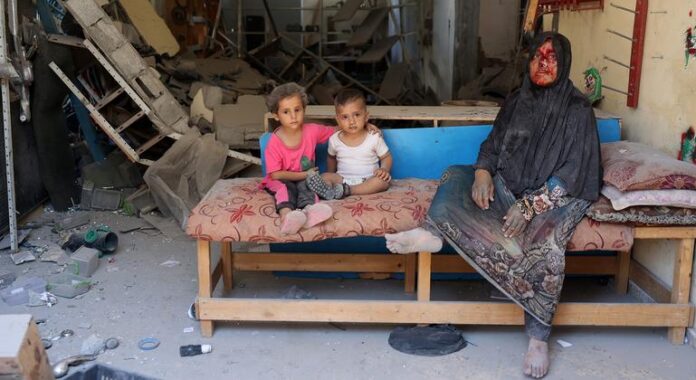
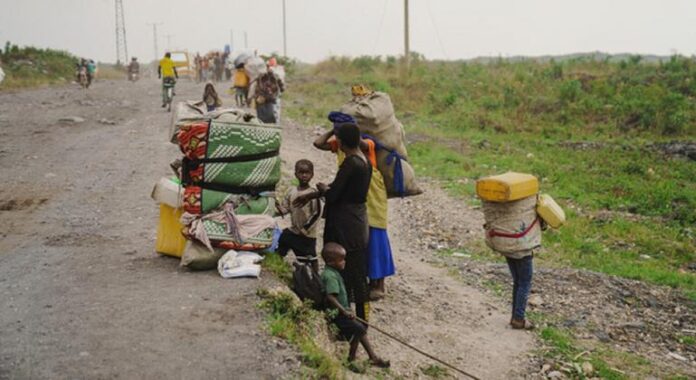
Renewed attacks on camps – including Zamzam and Abu Shouk – that were sheltering those displaced by earlier violence have now forced an estimated 400,000 to 450,000 people to flee again.

According to the Office of the UN Humanitarian Coordinator in Sudan, many are moving towards the town of Tawila, the rugged terrain of Jebel Marra or other remote areas – far from health services, clean water and food supplies.

These population movements are increasingly fluid, unpredictable, and fuelled by ongoing hostilities and fears of a broader offensive on El Fasher,” Humanitarian Coordinator Clementine Nkweta-Salami said in a statement on Sunday.

“The scale and gravity of reported violations, including direct attacks on IDPs and humanitarian personnel, are unacceptable. Civilians must never be a target.”

Worsening crisis

The displacement follows a wave of violence earlier this month, in which Rapid Support Forces (RSF)-affiliated troops reportedly launched coordinated attacks on Zamzam, Abu Shouk and El Fasher, killing hundreds, including children and humanitarian staff.

The situation in Sudan remains one of the world’s worst humanitarian crises.

Since conflict erupted between the Sudanese Armed Forces (SAF) and the RSF in April 2023, more than 12.4 million people have been displaced, including over 3.3 million who have fled to neighbouring countries. Thousands more have been killed in the violence, with the Darfur region among the hardest hit.

Supply lines severed

Ms. Nkweta-Salami warned that the situation is further compounded by rising levels of food insecurity, with displaced populations increasingly cut off from supply chains and assistance.

Risk of epidemic outbreaks, malnutrition and famine are also rising.

Access to El Fasher and surrounding areas remains “dangerously restricted,” she said, reiterating calls for sustained access to the region through established humanitarian infrastructure.

In addition to access, limited funding is further imperilling lifesaving programmes across the region.

The humanitarian system is currently overstretched,” Ms. Nkweta-Salami said, calling on donors to urgently ramp up flexible and front-loaded support through mechanisms such as the Sudan Humanitarian Fund.

“This funding is critical to support first responders, mobilize life-saving supplies, and sustain emergency response operations,” she added.

Intercommunal clashes in West Darfur

Meanwhile, intercommunal clashes in West Darfur have added to the crisis.

A separate report from the UN International Organization for Migration (IOM) indicated that at least 146 households were displaced from Jebel Moon locality following an attack last week by Arab tribesmen.

The situation remains tense and unpredictable,” the agency said.

Many of the displaced fled across the border into Chad. Due to security constraints, IOM said verification of numbers remains limited.

Source link