Wednesday, September 30, 2026
Home Blog Page 558

Human Rights Council focuses on Iran, Syria, Venezuela

0
Human Rights Council focuses on Iran, Syria, Venezuela

Council-appointed experts pointed to grave violations of fundamental rights in Iran, linked to popular protests following the death of Mahsa Amini in 2022.

Sara Hossein, chair of the Fact-Finding Mission on Iran, said that during peaceful protests, “children were killed and severely injured after being fired at with ammunition containing metal pellets”.

The youngsters then faced extremely violent treatment in detention – including torture and rape, according to the investigators’ latest report.

No acknowledgement

“For two years, Iran has refused to adequately acknowledge the demands for equality and justice that fuelled the protests in 2022. The criminalisation, surveillance and continued repression of protesters, families of victims and survivors – in particular women and girls – is deeply worrying,” she said.

Today in Iran, State-led repression of basic freedoms continues, Ms. Hossain maintained, with victims, survivors and their families “harassed, intimidated and threatened”.

Shaheen Ali, who also serves on the Fact-Finding Mission, said that although it was the Iranian Government’s “primary duty to provide redress to victims, we have heard from countless victims and survivors that they have neither confidence nor trust in Iran’s judicial and legal system, to provide meaningful truth, justice and reparations.”

“It is therefore imperative that comprehensive accountability measures also continue to be pursued outside the country.”

The Iranian delegation strongly opposed the probe’s findings.

Truth must emerge: Syria

The Syria crisis also featured at the Human Rights Council, where head of the Commission of Inquiry on Syria, Paulo Pinheiro urged greater efforts to uncover the truth about the fate of tens of thousands of disappeared people, victims of the Assad regime.

Mr. Pinheiro welcomed the new caretaker authorities’ willingness to work with his investigators on several human rights issues, while warning that Syria’s economic and humanitarian situation “remains catastrophic”.

At the same time, humanitarian funding is dwindling, the veteran rights investigator said, warning that economic despair is known to fuel violence, calling for an end to all sanctions “and the removal of other barriers to recovery and reconstruction”.

Meeting families

He said his team of investigators had met many families whose missing loved ones were not among the prisoners released in December following the immediate overthrow of the old regime.

“They now want the truth about their fate, and they want justice,” he said.

“The clarification of the fates of the tens of thousands who remain disappeared will require a large-scale effort led by the caretaker authorities along with technical support from human rights and humanitarian entities, including Syrian civil society,” he added.

“We stand ready to assist those efforts, including by sharing the relevant data we have gathered since 2011, and reiterate the importance of preserving all related evidence and information that can aid in this regard.”

Political Repression in Venezuela

In her presentation to the Council, Marta Valiñas, chair of the Independent International Fact-finding Mission on Venezuela, highlighted ongoing severe human rights violations, including political repression, arbitrary detentions, and persecution.

The 2024 presidential election results were contested but ultimately dismissed by the Supreme Court of Justice without thorough examination.

The National Electoral Council failed to release the total vote count or polling station tally sheets, raising concerns about electoral transparency. Ms. Valiñas stated.

“Credible testimonies indicated that council members received political instructions to announce a predetermined result – deviating from the result obtained at the polling booths.”

Before the presidential inauguration on 10 January 2025, there was a surge in arbitrary detentions of opposition figures and perceived dissidents. Security forces and civilian groups, known as “colectivos”, suppressed anti-government protests, leading to numerous rights violations, she said.

The mission also investigated fatalities during post-election protests. One significant incident involved the death of seven people during a protest near the San Jacinto Obelisk in Maracay, Aragua state, last July.

After analysing over 80 videos and 100 photographs, the mission confirmed that members of the Army and the Bolivarian National Guard had used firearms against protesters.

Deaths due to ‘health complications’

Ms. Valiñas expressed concern over the deaths of multiple detainees in state custody, attributed to “health complications”.

Investigations revealed that many detainees were subjected to torture and inhumane treatment. She cited one case where an individual was believed to have suffered beatings with wooden and metal rods under interrogation.

In response, the Venezuelan Government rejected the findings, calling them politically motivated and biased.

The Venezuelan representative stated, “this mission produces its propaganda based on invented or politically motivated sources, without scientific rigour and with malicious premeditation.”
Source link

UN migration agency forced to restructure amid significant budget cuts

0
UN migration agency forced to restructure amid significant budget cuts

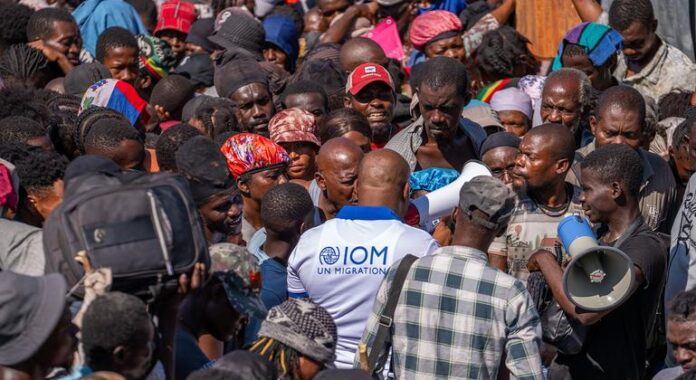
The funding cuts have severe repercussions for vulnerable migrant communities, exacerbating humanitarian crises and undermining essential support systems for displaced populations, the UN agency said in a statement on Tuesday.

The adjustments involve “scaling back or ending projects affecting over 6,000 staff members worldwide” and implementing a structural realignment at headquarters, reducing staffing by approximately 20 per cent – or more than 250 staff.

Necessary measures

“These measures are necessary to ensure that IOM can continue delivering lifesaving humanitarian assistance to migrants and vulnerable communities worldwide,” the statement continued.

“We aim to drive solutions for displaced populations and support governments in managing migration for the benefit of societies and migrants.”

IOM operates under a project-based funding model, established by its Member States, which allows for flexibility and responsiveness to global humanitarian needs.

However, when funding for specific projects ends the impacts can be far-reaching, particularly for vulnerable communities with limited support options.

The Organisation’s priority remains serving vulnerable populations despite the constrained funding environment, the statement stressed.

Affordability first

To achieve this, IOM is moving positions to lower-cost regional offices and country missions, streamlining staffing, and identifying opportunities to better coordinate with other humanitarians.

These decisions have been communicated to Member States and are built on the historic budget reform efforts passed by the IOM Council in 2022, IOM spelled out.

“These changes will save costs and enable us to extend greater support globally, providing essential humanitarian assistance in crises worldwide,” the statement said.

The necessary adaptations will also enable IOM to develop new funding, maintain essential oversight and accountability, and streamline operations.

Throughout this process, IOM has prioritised mitigating risks to both staff and operations by ensuring that reductions are applied strategically and in consultation with affected teams, while frontline assistance remains protected.

Staff dedication deeply valued

“We recognise the impact these decisions will have on colleagues who have dedicated years to IOM’s mission,” the statement underlined.

“We deeply value the dedication and service of our staff, past and present, who have worked tirelessly to support migrants and displaced communities worldwide.”

At a time when conflict, climate-induced disasters, and economic instability are driving record levels of displacement, migration is central to global security, stability, and sustainable development.

IOM called on the international community not to sideline migration governance. The agency said it remains committed to its core mission and ensuring that migration and displacement remain central to the global policy debate. 

Source link

Media advisory – Tripartite Social Summit, 19 March 2025

0
Media advisory – Tripartite Social Summit, 19 March 2025

Main agenda items, approximate timing, public sessions and press opportunities.

Source link

From Pills to Punishment: MEPs Demand Justice for Hospitalized Minors

0
From Pills to Punishment: MEPs Demand Justice for Hospitalized Minors

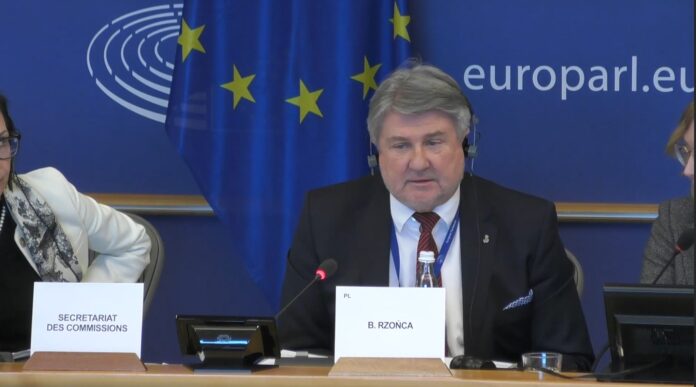
In a recent session of the European Parliament’s Committee on Petitions (PETI), a compelling case was made by the French association Citizens Commission for Human Rights (CCDH-France). The petition highlighted systemic violations of children’s fundamental rights in psychiatric wards across France, urging EU institutions to intervene. While the European Commission responded with assurances of commitment to human rights principles, an analysis of their language reveals significant gaps between rhetoric and action.

The Petition: A Stark Picture of Abuse

Philippe Descarpentiers, on behalf of CCDH France, presented a harrowing account of widespread abuses against minors hospitalized in psychiatric facilities. Two major issues emerged from his testimony:

  1. Over-Medicalization : Between 2014 and 2021, there has been an alarming surge in psychotropic drug prescriptions for minors. According to a report by the High Council of the Family in March 2023, the use of antidepressants increased by 62%, hypnotics and sedatives by 155%, and psychostimulants like Ritalin saw a fivefold increase between 2008 and 2021. These medications are frequently prescribed without proper authorization, diagnostic clarity, or adherence to regulatory safeguards. Younger children and those from disadvantaged backgrounds are disproportionately affected, violating multiple articles of the Charter of Fundamental Rights of the European Union, including Article 3 (right to physical and mental integrity) and Article 21 (non-discrimination).
  2. Lack of Legal Recourse : Unlike adults, minors hospitalized in psychiatry lack access to judicial oversight, legal representation, or mechanisms to contest their confinement or treatment. Many endure prolonged isolation or restraint, sometimes lasting months, with no recourse to appeal. This violates Articles 6 (right to liberty and security) and 47 (right to effective remedy) of the Charter.

Descarpentiers concluded with a fervent call for reform, urging the Commission to investigate practices across member states and ensure compliance with international human rights frameworks such as the UN Convention on the Rights of the Child (CRC) and the Convention on the Rights of Persons with Disabilities (CRPD).

The Commission’s Response: A Closer Look

Representing DG SANTE, the Commission delivered a response that emphasized its role in complementing national efforts while respecting subsidiarity—the principle that health systems remain primarily under national jurisdiction. Here’s a breakdown of their statement:

  • Deinstitutionalization Efforts : The Commission touted initiatives like the Joint Action Implemental and partnerships with the WHO’s QualityRights program to transition away from institutional care toward community-based models.
  • Child Protection Systems : Reference was made to the EU Strategy on the Rights of the Child, which prioritizes integrated child protection systems and early intervention programs.
  • Alignment with International Frameworks : The Commission reiterated its support for implementing the CRC and CRPD, emphasizing the need for independent oversight and accountability in psychiatric care.

However, upon closer examination, the Commission’s response revealed subtle evasions:

  • Subsidiarity Shield : By invoking Article 168 of the Treaty on the Functioning of the European Union (TFEU), the Commission subtly deflected responsibility onto member states, allowing it to avoid direct confrontation with national policies, even when those policies violate EU charters and conventions.
  • Vague Timelines : Despite citing numerous funding programs and projects, the Commission provided no concrete timeline for addressing the specific grievances raised in the petition.
  • Focus on Adults Over Children : Much of the Commission’s narrative centered on broader mental health reforms rather than targeted protections for minors—a group explicitly recognized as requiring special safeguards under both the CRC and CRPD.

MEPs Rally Behind the Petitioner

Several Members of the European Parliament (MEPs) echoed concerns raised by the petitioner and pushed back against the Commission’s cautious approach:

  • MEP Falca (EPP – Poland) called for judicial review in cases of disagreement between a minor and their parents regarding psychiatric hospitalization. He supported prohibiting unjustified internment and ensuring access to education during hospitalization.
  • MEP Lauren (S&D – France) presented damning statistics showing a 79% increase in isolation measures between 2013 and 2020. She criticized the absence of systematic judicial oversight for minors hospitalized in psychiatry and urged reforms ensuring minors receive the same legal protections as adults.
  • MEP Szekeres (Hungary) , as a parent, stressed the unique vulnerabilities of children undergoing psychiatric treatment and advocated for continued investigation into abusive practices.
  • MEP Zacharia (Greece) proposed creating a binding guide for member states to standardize protections for minors in psychiatric care, aiming to bridge the gap between lofty aspirations and tangible outcomes.

Are Children Truly Protected?

The Commission’s response raises critical questions about whether its actions align with its stated values:

  1. Failure to Address Coercive Practices : While the Commission acknowledged the importance of preventing coercive practices, it did not commit to banning forced hospitalizations, isolation, or chemical restraints for minors—a glaring omission given the evidence presented in the petition.
  2. Insufficient Judicial Oversight : MEP Lauren highlighted the absence of systematic judicial controls for minors hospitalized in psychiatry. Yet, the Commission failed to outline concrete measures to rectify this imbalance, leaving children vulnerable to arbitrary decisions by parents or institutional directors.
  3. Overlooked Data Gaps : The Commission praised various initiatives but ignored the petitioner’s point about inadequate data collection on minors subjected to coercive measures. Without robust monitoring, it is impossible to assess progress or hold member states accountable. 4 Examples of better practices in countries like Poland, Norway, and Romania highlight that progress is possible—and necessary—underlining the inadequacy of France’s current system.

Words Must Become Action

The Commission’s response reflects a delicate balancing act: affirming its commitment to human rights while avoiding overreach into national sovereignty. However, when it comes to protecting some of society’s most vulnerable members—children trapped in abusive psychiatric systems—this cautious approach falls short.

For real change to occur, the Commission must move beyond vague commitments and take decisive action:

  • Launch a Europe-wide investigation into coercive practices targeting minors.
  • Mandate judicial oversight for all psychiatric hospitalizations of children.
  • Ban prolonged isolation and restraint for minors, aligning with CRPD and CRC obligations.
  • Invest significantly in deinstitutionalization and community-based alternatives.

As Philippe Descarpentiers from CCDH France poignantly stated, “It is our common responsibility not to accept the unacceptable.” The time has come for the European Commission to translate its promises into meaningful protections—for every child deserves to grow up free from harm, respected in their dignity, and empowered to shape their own future.

Will the Commission rise to the occasion? Only time—and sustained pressure from civil society and MEPs—will tell.

Global Recycling Day – Discover HaDEA-managed projects contributing to a circular economy in the EU

0
Global Recycling Day – Discover HaDEA-managed projects contributing to a circular economy in the EU

As the world celebrates Global Recycling Day on 18 March, EU-funded projects managed by HaDEA are taking concrete steps towards a more circular economy and reducing waste. In line with the EU’s commitment to a sustainable future, eight innovative projects have been launched to tackle the challenges of recycling and waste management in various industries. 

From pioneering new technologies for recycling plastics and fibreboards to developing sustainable coatings and materials, these projects are expanding the frontiers of what is possible in recycling and waste management. Meet the 8 projects that are revolutionising the way we think about waste and recycling. Discover how they are helping to create a more sustainable future.

  • BATRAW aims to drive innovation in battery recycling by developing new technologies and methodologies to improve the recycling of battery parts. By researching and developing safer and more efficient recycling processes, the project aims to achieve up to 98% recycled battery parts and better management of recycled materials, contributing to a sustainable battery market and reducing the environmental impact of battery production and disposal.
  • EcoReFibre aims to develop and demonstrate innovative, environmentally sound, and commercially viable recycling technologies for medium-density fibreboard waste. The project will validate and demonstrate these technologies in a real-world setting, providing a solution to the growing problem of fibreboard waste and promoting the creation of secondary materials from wood waste, with potential applications extending to other biobased industries.
  • REDONDO aims to revolutionise the recyclability of cross-linked polyethylene (PEX), a widely used plastic material, by developing a new, reversibly cross-linked polyethylene (rPEX) that can be recycled. Using green additives such as nanolignins and nanocellulose, the project will create a recyclable version of PEX with improved properties, initially targeting pipes and photovoltaic cables, and paving the way for a more sustainable and environmentally friendly future for this popular material. 
  • REPurpose aims to create a new class of high-value, functional thermoplastic elastomers, known as REP polymers, by upcycling local post-consumer waste through a groundbreaking process. By incorporating new building blocks derived from biomass, waste, or recycled materials, these innovative REP polymers will offer unique features, including tuneable elastomeric properties, controllable degradation, and unprecedented indefinite recycling capabilities, outcompeting traditional fossil-based plastics and creating a more sustainable and circular plastics industry.
  • PROPLANET aims to develop innovative, high-performance coating materials that meet the growing demand for environmentally friendly and safe products. By combining advanced modelling and computational tools with safety-and-sustainability-by-design principles, the project will create coatings for the textiles, food packaging, and glass sectors that ensure circular value chains, enhance safety, and reduce environmental impact.
  • ABSolEU aims to break the recycling barrier for Acrylonitrile Butadiene Styrene (ABS), a widely used impact resistant thermoplastic material, by developing innovative technology for the physical recycling of waste ABS. The project will provide a clean and safe recyclate, free of additives and contaminants, and introduce new analytical methods for safety assessment and quality assurance, paving the way for a more circular ABS value chain. 
  • PRecycling aims to develop a user friendly methodology for accurately measuring and reporting recycled content in products, addressing a key challenge outlined in the EU’s Plastics Strategy. The project will create a comprehensive system for sorting, sampling, tracing, and recycling plastic waste streams, including detection and separation of legacy additives, and introduce smart tracing through digital systems to ensure safety and quality of reused materials.
  • INCREACE aims to boost the EU’s plastic recycling efforts by implementing innovative, interdisciplinary solutions across the entire plastic recycling value chain. The project seeks to increase the amount of recycled plastics used in EU products focusing on electrical and electronic equipment (EEE), building trust with stakeholders, manufacturers, and the public, and helping to achieve the EU’s ambitious targets on plastics and the circular economy. 


Background

The above featured projects are funded under Horizon Europe, a research and innovation programme lasting until 2027. The programme facilitates collaboration and strengthens the impact of research and innovation in developing EU policies while tackling global challenges. 

Source link

HREU Statement on Alignment with EU Sanctions Against Russia: A Unified Stand Amidst Escalating Tensions

0
HREU Statement on Alignment with EU Sanctions Against Russia: A Unified Stand Amidst Escalating Tensions

Brussels, 18 March 2025 – In a decisive move to counteract Russia’s destabilizing actions in Ukraine, the High Representative of the European Union (HREU) issued a statement today affirming the alignment of several non-EU countries with Council Decision (CFSP) 2025/394. This landmark decision expands restrictive measures targeting Russia’s military-industrial complex, circumvention tactics, and broader economic capabilities.

The Council adopted the comprehensive sanctions package on 24 February 2025, marking yet another step in the EU’s unwavering commitment to holding Moscow accountable for its ongoing war of aggression against Ukraine. The measures introduced under this framework are designed not only to curb Russia’s ability to wage war but also to prevent third parties from aiding its efforts through evasion strategies.

Key Provisions of Council Decision (CFSP) 2025/394

This latest iteration of sanctions builds upon previous restrictions by introducing more targeted measures aimed at crippling Russia’s logistical networks, technological advancements, and financial systems. Key provisions include:

  • Targeting Russia’s Shadow Fleet: Seventy-four vessels linked to illicit maritime activities have been sanctioned as part of an effort to disrupt Russia’s shadow fleet—a network accused of facilitating sanctions circumvention.
  • Expanded Entity Listings: Fifty-three entities directly supporting Russia’s military-industrial base were added to the sanctions list, further isolating industries critical to sustaining its war machine.
  • Export Restrictions: Enhanced export controls now cover items that could bolster Russia’s defense and security sectors or enhance its industrial capacity, including dual-use technologies.
  • Primary Aluminium Import Ban: The import of primary aluminium from Russia has been prohibited, dealing a blow to one of the country’s key export commodities.
  • Financial Messaging Services Crackdown: Three credit or financial institutions operating outside Russia that rely on the Central Bank of Russia’s ‘System for Transfer of Financial Messages’ (SPFS) face transaction bans. Additionally, specialized financial messaging services remain off-limits to thirteen regional Russian banks.
  • Media Suspensions: Eight Russian media outlets flagged for disseminating disinformation lost their EU broadcasting licenses, underscoring the bloc’s resolve to combat propaganda.
  • Transaction Bans on Strategic Infrastructure: Certain Russian ports, locks, and airports identified as hubs for military operations or sanctions circumvention are now subject to transaction prohibitions.
  • Aviation Measures: The EU flight ban was extended to include domestic carriers operating within Russia, while new restrictions prohibit temporary storage of Russian crude oil and petroleum products within the bloc.
  • Oil and Gas Exploration Software Restrictions: Advanced software related to oil and gas exploration is now barred from being supplied to Russia, alongside an expanded prohibition on goods, technology, and services tied to crude oil projects.

International Alignment Strengthens Global Response

In a significant show of solidarity, Albania, Bosnia and Herzegovina, Iceland, Liechtenstein, Montenegro, North Macedonia, Norway, and Ukraine officially aligned themselves with the Council Decision. These nations pledged to align their national policies with the EU’s stringent measures, reinforcing the global coalition against Russia’s aggressive posture.

“The European Union takes note of this commitment and welcomes it,” the HREU stated, emphasizing the importance of coordinated international action in addressing the multifaceted threat posed by Russia’s actions. By harmonizing their approaches, these countries amplify the impact of the sanctions regime, ensuring that there are no safe havens for entities seeking to undermine Western unity.

A Test of Resolve

As the conflict in Ukraine enters its fourth year, the stakes for both Europe and the wider international community continue to rise. Council Decision (CFSP) 2025/394 represents a calculated escalation in the EU’s response, reflecting growing frustration over Russia’s refusal to engage diplomatically and its reliance on covert methods to sustain its war effort.

However, the effectiveness of these measures hinges on rigorous enforcement and sustained cooperation among member states and aligned nations. With Russia increasingly turning to alternative trade routes, cryptocurrency transactions, and partnerships with non-Western actors, vigilance remains paramount.

Looking Ahead

While the sanctions signal a robust diplomatic stance, they also underscore the challenges inherent in confronting a determined adversary. For Ukraine, whose resilience has become emblematic of resistance against authoritarian aggression, continued support from allies like those who have aligned with the Council Decision offers hope amidst adversity.

As geopolitical tensions mount, the world watches closely to see whether these measures will compel Russia to reconsider its course—or further entrench itself in defiance. What is clear, however, is that the EU and its partners remain steadfast in their pursuit of accountability and peace.

For now, the alignment of additional countries with the EU’s sanctions framework sends a powerful message: when faced with aggression, unity prevails.


For official documentation, please refer to OJ L, 2025/394, 48.02.2025, available via ELI: http://data.europa.eu/eli/dec/2025/394/oj

Funding shortages risk undermining a ‘watershed moment’ for Syria

0
Funding shortages risk undermining a ‘watershed moment’ for Syria

In a video message to the conference Standing with Syria: Meeting the Needs for a Successful Transition, organized by the European Union in Brussels, he underlined the gravity of the situation.

“This is a watershed moment,” said the UN chief, stressing that the future of Syria depends on ensuring access to food, shelter, healthcare and sustainable livelihoods.

Over two-thirds of the population requires humanitarian assistance. However, critical aid efforts are in jeopardy due to severe underfunding.

The $1.25 billion UN-coordinated humanitarian response for the country is only 12.5 percent funded, with vital sectors such as shelter, non-food relief, water and sanitation, and agriculture and nutrition suffering from lack of resources.

Reconsider funding cuts

Mr. Guterres underscored the need for support from the international community.

Donors must urgently expand humanitarian support and reconsider funding cuts, he said. They must also invest in Syria’s recovery – including addressing sanctions and other restrictions – alongside helping an orderly and inclusive political transition.

“Let us work together to help the people of Syria as they take these momentous next steps in their journey towards a free, prosperous and peaceful future,” he added.

People cross back into Syria from Lebanon through the Masnaa border point.

Commentary aside

UN Emergency Relief Coordinator Tom Fletcher reinforced the Secretary-General’s call for action, warning that humanitarian operations face a severe funding gap.

“The people of Syria do not need us to be commentators and problem observers – they need us to move with urgency,” he said.

Despite these challenges, the UN has expanded its reach, delivering aid to millions, including areas previously inaccessible due to conflict.

More humanitarian convoys have entered Syria from Türkiye this year than in all of 2024, and assistance is now reaching former frontline areas in rural Idlib, Latakia and Aleppo. However, ongoing funding cuts threaten these gains, with essential services at risk of collapse.

“After so long waiting for hope, the people of Syria…expect us to meet this moment with decisive action, with generosity and with solidarity. The price of failure will be much greater for all of us than the cost of success,” he warned.

Refugees returning, but to what?

Filippo Grandi, UN High Commissioner for Refugees, highlighted a significant shift – the return of Syrian refugees.

Since the fall of the Assad regime in December 2024, more than one million displaced Syrians have returned home, including 350,000 from neighbouring countries. Surveys suggest that up to 3.5 million more could return in the coming months.

However, Mr. Grandi cautioned that without adequate support, these returns may not be sustainable.

“If we fail to help them stay in Syria, make no mistake: the impact will be disastrous,” he said, warning that refugees unable to rebuild their lives may be forced to leave again.

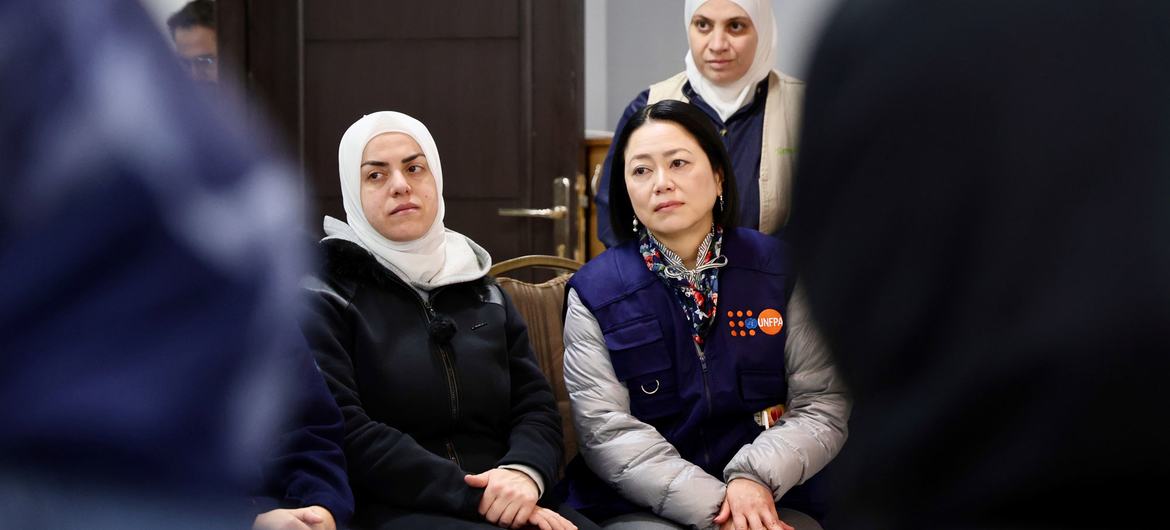
In Damascus, UNFPA Director Arakaki listens to women affected by conflict in Syria talk about their situations and the support they need.

In Damascus, UNFPA Director Arakaki listens to women affected by conflict in Syria talk about their situations and the support they need.

Healthcare, protection for women at risk

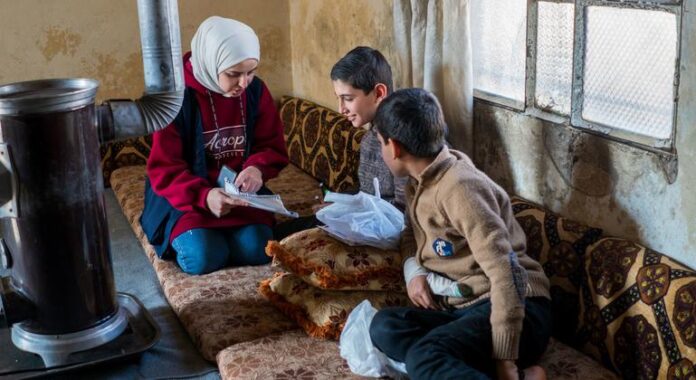
Meanwhile within Syria, the humanitarian crisis remains acute, especially for women and girls.

Having concluded a mission to the country, Shoko Arakaki, Humanitarian Director at the UN Population Fund (UNFPA) highlighted the devastating impact of war on Syria’s healthcare system, with four in ten hospitals damaged or destroyed.

Lack of resources have further complicated the situation and recent funding cuts have forced the closure of over 100 UN-supported health facilities in northwest Syria.

She warned that gender-based violence has become “normalised” after years of conflict, but financial constraints may force UNFPA to withdraw support for protection efforts such as safe spaces for women.

“Women and youth in Syria still need our support,” she stressed, urging donors to invest in healthcare, protection, livelihoods and education.

Hope amid the apprehension

“These are deeply uncertain times for Syria,” she said, adding that in the midst of apprehension, she sensed a feeling of hope.

She noted her meetings with “extraordinary women” providing lifesaving reproductive health services, protecting survivors of violence, offering vocational training – even while they themselves are vulnerable.

“[I felt] hope in the Syrian people who are defying the odds to help each other, despite immense hardship,” she added.

Source link

Flash information on call results: Accelerating the best use of technologies

0
Flash information on call results: Accelerating the best use of technologies

The European Health and Digital Executive Agency has now completed the evaluation of the proposals submitted to the call.

More information about the  Digital Europe Programme.

Downloads

Flash Report DIGITAL-2024-BESTUSE-TECH-07


Download 

Source link

World News in Brief: US strikes on Yemen, Gaza aid update, debt burden weighs on developing world

0
World News in Brief: US strikes on Yemen, Gaza aid update, debt burden weighs on developing world

In a statement released to correspondents in New York, the UN denounced the Houthis’ targeting of merchant and commercial vessels in the key waterway which includes the Suez Canal and reported attacks against military vessels.

The UN is concerned about the continued threats by the Houthis to resume their attacks targeting merchant and commercial vessels in the Red Sea, as well as about their reported attacks against military vessels in the area, calling for “full freedom of navigation.”

US strikes

“We reiterate our concern at the launching of multiple strikes on Houthi-controlled areas in Yemen by the United States in recent days,” the statement continued.

“According to the Houthis, the airstrikes over the weekend resulted in 53 deaths and 101 injuries, reported from Sana’a City, Sa’ada and Al Baydah governorates, including reports of civilian casualties, and led to disruptions in the power supply in nearby localities.”

The Houthis who control large swathes of Yemen including the capital, began targeting Israeli-linked shipping in the waterway out of solidarity with Hamas and the Palestinian people, following the start of the war in Gaza in October 2023. Last week they said attacks would resume due to the continuing aid blockade of the enclave.

The UN called for restraint on all sides and an end to “all military activities”

“Any additional escalation could exacerbate regional tensions, fuel cycles of retaliation that may further destabilize Yemen and the region and pose grave risks to the already dire humanitarian situation in the country,” the statement continued.

It emphasised that international law must be respected by all parties, including Security Council resolution 2768 (2025) related to Houthi attacks against merchant and commercial vessels.

Top envoy urges restraint

UN Special Envoy, Hans Grundberg, has been in close contact with Yemeni, regional and international stakeholders in recent days.

“He has called for utmost restraint and adherence to international humanitarian law, and he has pushed for a refocus on diplomacy to avoid uncontrollable destabilization in Yemen and in the region. Further contacts are held by his office on numerous levels,” said UN deputy spokesperson Farhan Haq.

Mr. Grundberg called for support from the international community so that UN-led mediation efforts can “deliver results”.

Gaza: Israeli blockade continues to hamper relief efforts

The UN Children’s Fund (UNICEF) warned on Monday that nearly all the 2.4 million children in the occupied Palestinian territory have been affected by the ongoing conflict and violence.

UNICEF Middle East and North Africa Regional Director Edouard Beigbeder expressed deep concern at the situation in Gaza at the end of a four-day assessment mission.

He said that roughly one million children now live without the very basics they need to survive because of the Israeli aid blockade.

This includes more than 180,000 doses of essential childhood routine vaccines, enough to fully vaccinate and protect 60,000 children under two, as well as 20 lifesaving ventilators for neonatal intensive care units.

It has now been more than two weeks since Israeli authorities closed all crossings into Gaza.

Olga Cherevko from UN aid coordination office, OCHA, reminded that when the ceasefire began “we were able to deliver life-saving support to hundreds of thousands of families.”

They also “delivered hope” – but that is now turning into fear and concern: “Time is not on our side. It is imperative that the flow of supply is restored. Aid must be allowed to enter.”

Prices surging

The World Food Programme (WFP) reported that aid crossing closures have led to a surge in prices. This month, the cost of cooking gas soared by up to 200 per cent compared to February and is now only available on the black market.

Aid partners are also reporting a lack of cash. “Shop owners are unable to restock or pay their suppliers. The situation is particularly acute in North Gaza and Khan Younis,” said deputy UN spokesperson Farhan Haq.

“Despite the suspension of cargo entering Gaza, the UN and its partners continue to provide life-saving services for as many vulnerable people as possible.

More than 3,000 children have been screened by aid partners for malnutrition across Gaza in the past two weeks and only a small number of cases of acute malnutrition have been identified, Mr. Haq added.

But they warn that the situation could worsen if the halt on aid into Gaza continues.

UNICEF says large quantities of critical supplies are stalled just a few dozen kilometres outside the Strip, including 20 ventilators for neonatal intensive care units and more than 180,000 doses of essential childhood routine vaccines.

Interest payments outweigh climate investments in almost all developing countries

Finally, a warning from UN economists at UNCTAD that almost all developing countries pay more in interest on their debts than essential climate resilience investments.

Rebeca Grynspan, Secretary-General of the UN Trade and Development body, UNCTAD.

UNCTAD chief Rebeca Grynspan said that today’s global financial architecture comes at a high cost to developing countries who suffer from chronic under-investment.

There is still no universal safety net to shield countries from external shocks, or any multilateral financial system to provide affordable long-term resources at scale, Ms. Grynspan continued.

UNCTAD data shows that 3.3 billion people live in countries that spend more on servicing their debt than on health or education.

In 2023, the average developing country spent 16 per cent of their export earnings to service their debt, which is more than three times the limit set for Germany’s post-war reconstruction, Ms. Grynspan explained at the start of the UN agency’s International Debt Management Conference seeking solutions for the management of public debt, transparency and good governance.

Source link

Flash information on call results: Specialised Education Programmes in Key Capacity Areas

0
Flash information on call results: Specialised Education Programmes in Key Capacity Areas

The European Health and Digital Executive Agency has now completed the evaluation of the proposals submitted to the call.

More information about the  Digital Europe Programme.

Downloads

Flash Report DIGITAL-2024-ADVANCED-DIGITAL-07


Download 

Source link