Although the southern African country has made recent progress in reducing chronic malnutrition, the agency said these gains have been threatened by acute food insecurity, compounded by other challenges such as recurrent climate shocks, preventable disease outbreaks and economic instability.
Malawi was also slammed by Tropical Cyclone Freddy in March and is still grappling with the aftermath, with some 659,000 people displaced, including many children.
Meanwhile, an ongoing cholera outbreak has already resulted in 1,750 deaths.
An ‘unacceptable’ situation
“Children in Malawi are at the sharp end of the global polycrisis. Food insecurity, exasperated by a growing climate crisis, disease outbreaks, and the global economic downturn, is threatening to wreak havoc and disrupt the lives of millions of children,” said UNICEF Country Representative Gianfranco Rotigliano.
“The prospect of having over half a million children suffering from malnutrition is unacceptable. Without an immediate response, the impact on these vulnerable children will be deadly.”
Stepping up support
UNICEF has launched a new appeal for Malawi, which reveals that malnutrition cases among children have increased over the past five years and accelerated significantly in recent months.
It is estimated that this year, over 62,000 children under five are at risk of severe acute malnutrition, also known as wasting.
The UN agency had initially appealed for $52.4 million, which has been increased to $87.7 million to support 6.5 million people in Malawi, nearly half of them children.
The funding will be used to meet priority needs, such as ready-to-use therapeutic food for treating severe acute malnutrition, access to safe drinking water, sanitation, hygiene items, health, nutrition, education, child protection services, and cash transfer schemes.
Long-term solutions needed
During the first quarter of 2023, UNICEF assisted the Malawian authorities in screening more than 140,300 under-fives for acute malnutrition. Of this number, 522 children were identified as severe acute, and were referred to health facilities for further care.
“Without increased support, poor and vulnerable households with children will be left without access to basic services, essential supplies, and social assistance,” Mr. Rotigliano warned.
He also underscored the need to look beyond the immediate response, saying “it is crucial that we invest in long-term solutions by strengthening systems and building resilience within communities to handle recurring outbreaks and humanitarian emergencies better.”
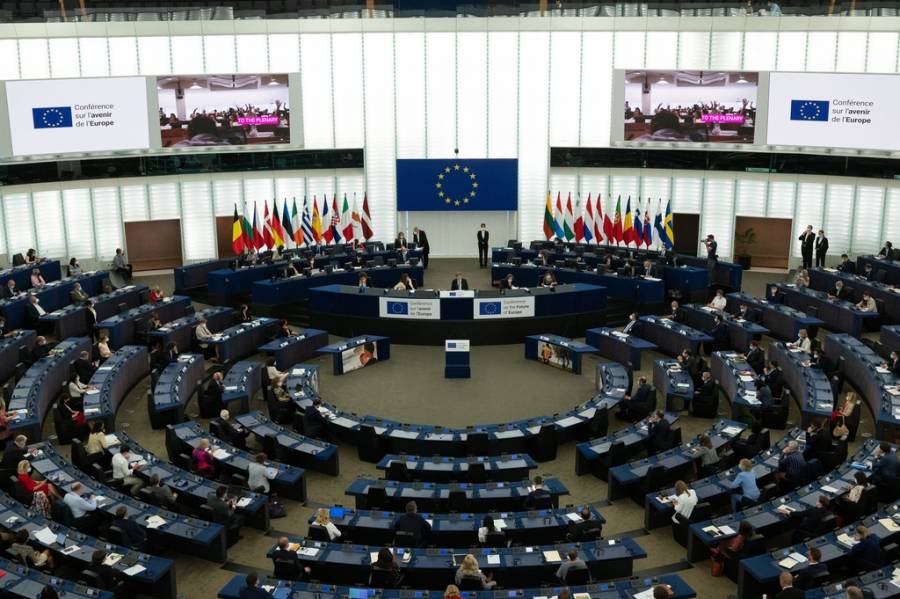
The Key Issues in the European Parliament Elections 2024
Elections 2024 – The European Parliament Elections 2024 are just around the corner, and it’s important to be informed about the issues that will be at the forefront of the election. From climate change to immigration policies, this article provides an overview of the key topics that will shape the election and impact the future of Europe, plus, an important entry on why looking at the managing of fundamental rights could probably be one of the most important issues to look at when looking at the programs of the different parties, even if inclusion in the program does not guarantee that once in power they will not change their views…
But anyway, before we start, here is what current President of the European Parliament, Roberta Metsola, said:
“The European Union is evolving continuously. The world is changing and we must change with it. We need reform. We cannot be afraid of change. The EU is not perfect. We must embrace it as we keep listening, keep explaining and keep delivering.
I encourage everyone to recapture the sense of hope and possibility that the European Union offers. To vote. Do not let someone else choose for you. Be part of the largest democratic exercise in Europe.”
The Future of the European Union.
One of the key issues at stake in the European Parliament Elections 2024 is the future of the European Union itself. With the ongoing challenges and the rise of movements across Europe who want less EU interference in national affairs, the election will be a crucial moment for determining the direction of the EU. Issues such as EU integration, the role of the European Commission, and the balance of power between member states will all be hotly debated. The outcome of the election will have significant implications for the future of Europe and its place in the world.
Immigration and Border Control.
Immigration and border control will be another key issue in the European Parliament Elections 2024. The ongoing refugee crisis and the influx of migrants into Europe have led to a heated debate about how to manage borders and control immigration. Some parties advocate for stricter border controls and limits on immigration, while others argue for more open borders and greater support for refugees and migrants. The outcome of the election will have a significant impact on the future of immigration policy in Europe.
Climate Change and Environmental Policies.
Climate change and environmental policies will be a major topic in the European Parliament Elections 2024. The European Union has set ambitious goals to reduce greenhouse gas emissions and transition to a more sustainable economy. However, there are still debates about the best way to achieve these goals and how to balance environmental concerns with economic growth. The election will determine the direction of EU environmental policies and its role in global efforts to combat climate change.
Economic Growth and Job Creation.
Another key issue in the European Parliament Elections 2024 is economic growth and job creation. The COVID-19 pandemic has had a significant impact on the European economy, with many businesses struggling to stay afloat and unemployment rates rising. The election will determine the policies and strategies that will be put in place to support economic recovery and job creation in the EU. This includes debates about taxation, trade agreements, and investment in key industries such as technology and renewable energy.
Digital Transformation and Data Privacy.
Digital transformation and data privacy are also key issues in the European Parliament Elections 2024. With the increasing use of technology in all aspects of life, including government and business, there is a growing concern about data privacy and security. The election will determine the policies and regulations that will be put in place to protect citizens’ personal data and ensure that companies are held accountable for any breaches. Additionally, the election will address the need for digital transformation in various sectors, including healthcare, education, and public services, to improve efficiency and accessibility while also addressing concerns about data privacy and security.
Why Fundamental Rights Should Be a Priority in the European Parliament Elections
Fundamental rights are the basic human rights that every person is entitled to, regardless of their race, gender, religion, or any other characteristic. As citizens of the European Union, we have the opportunity to vote in the European Parliament elections and ensure that our leaders prioritize and protect these rights for all. Let’s make our voices heard and advocate for a just and equitable society.
What are fundamental rights?
Fundamental rights are the basic human rights that every person is entitled to, regardless of their race, gender, religion, or any other characteristic. These rights include the right to life, liberty, and security of person, freedom of expression and religion, the right to a fair trial, and the right to education and healthcare. They are the foundation of a just and equitable society and must be protected for all.
The importance of fundamental rights in a democratic society.
In a democratic society, fundamental rights are essential for ensuring that every individual is treated fairly and with dignity. These rights provide a framework for protecting individuals from discrimination, oppression, and abuse of power. Without fundamental rights, there can be no true democracy, as the basic freedoms and protections that allow citizens to participate in the democratic process would be absent. It is therefore crucial that fundamental rights are prioritized and protected in the European Parliament elections, to ensure that all citizens can live in a just and equitable society.
The impact of the European Parliament on fundamental rights.
The European Parliament plays a crucial role in protecting and promoting fundamental rights across the European Union. Through legislation, oversight, and advocacy, the Parliament has the power to ensure that these rights are respected and upheld by member states and institutions. In the upcoming elections, it is important to elect leaders who prioritize fundamental rights and are committed to defending them for all citizens, regardless of their background or status. By doing so, we can build a stronger, more inclusive Europe that values the dignity and worth of every individual.
Examples of fundamental rights that need protection.
Fundamental rights are the basic rights and freedoms that every person is entitled to, simply by virtue of being human. These include the right to life, liberty, and security of person, freedom of expression, freedom of religion or belief, the right to a fair trial, and the right to education and healthcare. In recent years, there have been growing concerns about the erosion of these rights in Europe, particularly in areas such as freedom of the press, privacy, and non-discrimination. It is essential that we elect leaders who are committed to protecting these fundamental rights and ensuring that they are upheld for all citizens.
How to vote for candidates who prioritize fundamental rights.
When voting in the European Parliament elections, it’s important to research the candidates and their stances on fundamental rights. Look for candidates who have a track record of advocating for these rights and who have concrete plans for protecting them. You can also check the party platforms to see if they prioritize fundamental rights. Don’t be afraid to reach out to candidates directly and ask them about their positions on these issues. By prioritizing fundamental rights in our voting decisions, we can help ensure that our leaders are committed to creating a just and equitable society for all.
New York is sinking, or rather, the city is being drowned by its skyscrapers. That’s the conclusion of a new study that modeled the geology beneath the city by comparing it with satellite data.
Manhattan Bridge, New York. Image credit: Patrick Tomasso via Unsplash, free license
There are many reasons for the gradual sinking of the Earth’s surface, but the weight of the cities themselves is rarely studied.
The study found that New York is sinking 1-2 millimeters per year due to the weight of tall buildings. A few millimeters may not seem like much, but some parts of the city are sinking much faster.
The deformation could spell trouble for the low-lying city of more than 8 million people. These results should encourage further efforts to develop climate change mitigation strategies to combat increased flood risk and sea level rise.
New York. Image credit: Thomas Habr via Unsplash, free license
In this new study, researchers calculated the combined mass of about 1 million buildings in New York City to be 764,000,000,000,000,000 kilograms. They then divided the city into a 100 x 100 meter square grid and, taking into account the force of gravity, converted the mass of the buildings into downward pressure.
Their calculations only include the mass of buildings and the things inside them, not New York’s roads, sidewalks, bridges, railroads, and other paved areas. Even with these limitations, these new calculations refine previous observations of the city’s collapse by taking into account the complex surface geology beneath New York City, which includes deposits of sand, silt, and clay, as well as rock outcrops.
By comparing these models with satellite data that describes the land surface elevation, the team determined the city’s subsidence. The researchers warned that increasing urbanization, including the draining of groundwater, could only add to New York’s problem of “sinking” into the ocean.
New York at night. Image credit: Andre Benz via Unsplash, free license
New York is certainly not the only such city in the world. A quarter of Indonesia’s capital, Jakarta, by 2050 could end up underwater as parts of the city sink almost 11 cm a year due to groundwater extraction. More than 30 million Jakarta residents are now considering relocating.
By comparison, New York City ranks third in terms of future flood risk. Much of lower Manhattan is only 1 to 2 meters above the current sea level. The hurricanes in 2012 and 2021 also showed how quickly the city can be flooded.
In 2022, a study of 99 coastal cities around the world found that subsidence may actually be bigger than estimated. In most of the cities surveyed, the land is sinking faster than the sea level is rising, meaning residents will face flooding sooner than climate models predict.
The legendary train was designed in 1959 by order not for anyone, but for Josip Broz Tito.
Portraits of the marshal in his no less legendary white uniform hang even now in some trendy bars in Belgrade. But the train, although a tourist attraction, sinks into oblivion and nostalgia at the same time…
Tito often used it for both diplomatic and personal travel, specifically transporting his family and entourage to his summer retreat, the Brijuni Islands in Croatia. The train is said to have traveled over 600,000 kilometers.
The Art Deco interior features the President’s suite lounge, ceremonial conference lounge, restaurant car, Zodiac-themed bar, central kitchen, guest suite lounge, sleeping cars and all manner of nostalgic mid-century technology. Even a 4 car garage. In the wagon-garage there was enough space and facilities for the maintenance of the cars. The overall effect of the train is one of understated power, which is no surprise given some of the passengers.
Famous people who have traveled on the legendary train include Queen Elizabeth II, Yasser Arafat, French presidents Francois Mitterrand and Charles de Gaulle, and even film stars Sophia Loren and Elizabeth Taylor, who vacationed with Tito in Croatia. The train also carried the marshal during his last journey, when in 1980 it transported his coffin to Belgrade. Tito’s funeral was the largest state funeral in history at the time, attended by 128 delegations from all Cold War countries, several kings, 31 presidents, six princes, 22 prime ministers. Also present are “fellow dictators” Saddam Hussein and Kim Il Sung, as well as the late Prince Philip and Margaret Thatcher.
In history textbooks, Tito is portrayed as both a hero and a dictator. Among his merits, all point to the termination of relations with Stalin in 1948, his commitment to the Non-Aligned Movement and the Third World, and the relative liberality of his regime. On the other side of the scale are the mass murders after the end of the Second World War and the concentration camp on the island of Goli Otok, where at first Tito’s loyal opponents of the USSR were sent, and then all kinds of political dissidents, writes DW in its commentary.
Tito is known for his, let’s call it peculiar, approach to diplomacy within the Soviet Union. When he got tired of Stalin sending him assassins, Tito openly wrote: “Stop sending people to kill me. We have already captured five of them, one of them with a bomb and one with a rifle. If you don’t stop sending assassins, I will send one to Moscow, and I won’t have to send a second.”
During the Cold War, Yugoslavia was the only communist country in Eastern Europe independent of the Soviet Union and enjoyed a standard of living close to what some analysts described as Western. A normal, average Yugoslav family has a good job, a decent salary, can afford a car, and a summer vacation on the Adriatic Sea. Tito maintained very good relations with Western countries and managed to keep Yugoslavia neutral throughout the Cold War period. Ruling a country that some historians have called a “communist Switzerland”, the dictator ensured peace reigned in the Balkans during his rule and ruled perhaps the only communist country where citizens could freely leave. But on the other hand, he was also a dictator who imprisoned dissidents in brutal prisons and labor camps.
But back to the dictator’s train… The well-preserved carriages are actually open to the public as a kind of unofficial private museum, except that they can be hired for special trips on the Belgrade-Bar railway – although due to the high costs this rarely happens.
But if the price is right, you can rent the whole train or one carriage (for travel or for filming) and as a bonus, even organize a dinner in the restaurant car using original recipes from Tito’s cookbook.
During the twelve-hour journey, a tour guide tells anecdotes from the president’s life, shows pictures of Tito, and the stories of the charismatic dictator are illustrated on the walls. The blue train takes tourists several times a year. The route passes through the picturesque Lake Skadar, the Morača and Tara canyons, the Mala Rijeka railway viaduct and the Zlatibor plateau.
Nearly 15 months after Russia began its full-scale invasion of Ukraine, civilians are forced to live through an “unbearable routine”, amidst alarming levels of destruction and damage to their communities, said the deputy UN disarmament chief on Thursday.
Adedeji Ebo was briefing the Security Council on the issue of Western weapons supplies to Ukraine, called by permanent member Russia – the fourth time it has been presented for discussion in light of the ongoing conflict.
The Deputy to the High Representative for Disarmament Affairs said the transfers of weapons systems and ammunition from Western governments backing Kyiv, was no secret, including battle tanks, combat aircraft, missile systems and helicopters.
— UN Media Liaison (MALU) (@UNMediaLiaison) May 18, 2023
Arms for Russia too
“There have also been reports of States transferring, or planning to transfer weapons, such as uncrewed combat aerial vehicles and ammunition, to the Russian armed forces for use in Ukraine”, he added.
He said any “large-scale influx of weapons and ammunition” onto any battlefield, “raises concerns for peace, security and stability, including as a result of diversion.”
He said that measures to address the issue of weapons ending up in the hands of third parties, or any “unauthorized users”, was essential to prevent further instability in Ukraine.
The UN Register of Conventional Arms (UNROCA) is “an essential tool in this regard”, he added, for those countries with nothing to hide. In 30 years of operation, some 178 Member States have submitted a report to UNROCA at least once, he said, calling on all countries to take part, for the sake of trust and transparency.
He called on States to consider joining all other related treaties and live up to their legal obligations and political commitments.
Civilian protection outweighs arms issues
“Beyond addressing arms transfers, all parties to the conflict have a duty to protect civilians in armed conflict, and to ensure compliance with applicable international law”, especially humanitarian law”, he told ambassadors.
In this respect, the UN human rights office’s latest figures show nearly 24,000 recorded casualties since Russia’s invasion began, with the actual figure likely to be much higher.
Suffering, loss displacement, destruction
“After almost 15 months of the Russian Federation’s military offensive into Ukraine, suffering, loss, displacement and destruction continue to form part of an unbearable routine”, said Mr. Ebo.
“In addition to the thousands of civilians killed and injured, the destruction of essential critical infrastructure and services is particularly alarming. Homes, schools, roads, and bridges have been destroyed and damaged”, he continued.
“Attacks on energy infrastructure have interrupted power, heating, drinking water supply and sewage facilities, as well as mobile and internet communications. Hospitals and health facilities have been attacked, killing and injuring healthcare workers and disrupting essential services. Explosive remnants of war have resulted in widespread land contamination rendering land unusable for agriculture, while impeding the movement of people.”
Standing up for civilians in war
He said plainly that attacks against civilians and civilian infrastructure, “must stop”, taking the opportunity to call on all countries to support and “effectively implement” the Political Declaration on Strengthening the Protection of Civilians from the Humanitarian Consequences Arising from the Use of Explosive Weapons in Populated Areas, adopted in November 2022.
The deputy disarmament chief concluded by reiterating that Russia’s invasion was a violation of international law, including the UN Charter, “causing massive suffering and devastation to Ukraine and its people.
“The world cannot afford for this war to continue. I appeal to all Member States to make every effort for peace. The United Nations stands ready to support all genuine efforts to that end.”
“Because, in what is a deeply troubled country – grappling with humanitarian catastrophe, climate related disasters, and egregious human rights abuses – too many people have forgotten that Afghanistan is a children’s rights crisis,” he said, warning that the situation is getting worse.
Young lives at risk
This year, some 2.3 million Afghan boys and girls are expected to face acute malnutrition. Of this number, 875,000 will need treatment for severe acute malnutrition, a life-threatening condition.
Furthermore, around 840,000 pregnant women and breastfeeding mothers are likely to experience acute malnutrition, jeopardising their ability to give their babies the best start in life.
Mr. Equiza added that although fighting has mostly stopped, decades of conflict mean that every day, children’s rights are violated “in the most appalling ways”.
Escalating danger
He said Afghanistan is among the most “weapons-contaminated countries” in the world, and most of the casualties are children.
He cited preliminary data which suggests that 134 children were killed or maimed by explosive devices between January and March of this year.
“This is the reality of the escalating danger faced by Afghan children as they explore areas that were previously inaccessible due to fighting,” he said.
“Many of those killed and maimed are children collecting scrap metal to sell. Because that’s what poverty does. It compels you to send your children to work – not because you want to, but because you have to.”
Trapped in child labour
Meanwhile, roughly 1.6 million Afghan children – some as young as six – are trapped in child labour, working in dangerous conditions just to help their parents put food on the table.
“And where education used to be a symbol of hope, children’s right to learn is under attack,” Mr. Equiza added.
“Girls across Afghanistan have been denied their right to learn for over three years now – first, due to COVID-19 and then, since September 2021, because of the ban on attending secondary school. I don’t need to tell you of the impact of these absences on their mental health.”
Staying and adapting
He underlined UNICEF’s commitment to stay and deliver for the women and children in Afghanistan, where it has had a presence for nearly 75 years.
“We’re adapting to the fast-changing realities on the ground, finding solutions to reach the children that need us the most, while ensuring that Afghan women employed by UNICEF can continue their invaluable contribution to our work for children,” he said.
With needs growing every day, he called for greater support from the international community, noting that UNICEF’s Humanitarian Action for Children Appeal is only 22 percent funded.
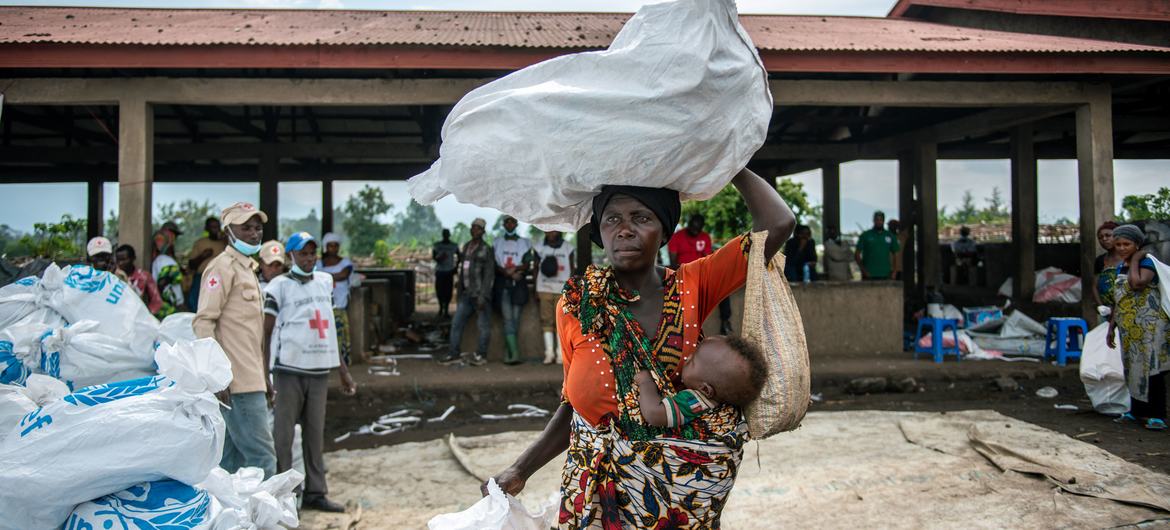
Reports of gender-based violence (GBV) against girls and women there have increased by 37 per cent during the first three months of the year, compared to the same period a year ago, according to the GBV coordination group for North Kivu.
More than 38,000 cases of GBV were reported for all of 2022 in North Kivu alone. In most cases, survivors reported being attacked by armed men and displaced men in and around the camps.
Attacked where they should be safe
“Deeply vulnerable children and women, seeking refuge at camps are instead finding themselves facing more abuse and pain,” said UNICEF’s Representative in DRC, Grant Leaity.
“The surge in sexual violence against children is horrifying, with reports of some as young as three years old having been sexually exploited. This wake-up call should shock, sicken, and jolt us all into action.”
Since the beginning of March 2022, over 1.16 million people have been displaced by clashes between parties to the conflict in North Kivu.
Almost 60 per cent of those displaced are living in overcrowded sites and collective shelters just outside of Goma, the provincial capital, where risks of sexual violence are extremely high.
Exploitation at hundreds of sites
UNICEF is also aware of the very high levels of sexual exploitation of children at more than 1,000 sites in and around displacement camps.
The impact on the physical and mental health of girls and women is immeasurable and long-lasting, said the agency. Approximately one in four survivors of sexual violence need specialized medical and psychological support, according to the GBV coordination group.
Injured UN peacekeepers in DRC from Morocco being transported for treatment after they were attacked in Kiwanja, Rutshuru North Kivu by the armed group M23.
UNICEF and partners boost support
UNICEF has stepped up its activities to prevent and respond, the agency said, providing essential medical and psychosocial services to affected girls and women at the four largest displacement camps near Goma.
In collaboration with the Provincial Division of Social Affairs and in partnership with Heal Africa, the agency has also established safe spaces for girls and women within displacement camps, where psychologists, professional social workers and trained community-based para-social workers identify and care for children and women in need, referring them for additional services as required.
To protect girls and women, UNICEF is urgently calling for a significant scale-up of services to prevent and respond to sexual violence in and around displacement camps; a halt to the large-scale sexual exploitation of girls and women; and the dismantling of the identified sites in and around camps where sexual exploitation occurs.
UNICEF is also appealing to donors so that more direct aid can be given to those stranded in displacement camps.
“We call on the government, local authorities, partners and donors to take all necessary actions to end this situation immediately, to shut down known sites of sexual exploitation, and to protect women and girls who have already been victims of displacement,” added Mr. Leaity.
Every birth brings new amazing life into the world and as we age our body grows and develops. There are many unusual facts about the body that you probably do not know. The human body is like a miracle, it is unique, writes the Chinese publication Sohu.
A few months ago, scientists discovered a “new organ” in our immune system located in front of the lymph nodes. It is able to “remember” all the diseases a person has ever suffered from and record all our vital signs, like an intelligent machine. However, this is not the only amazing property of our body. There are many more that you haven’t heard of yet
Our body is taller in the morning
When we wake up every morning, our spine is usually 1-2 centimeters longer than when we went to bed because it is made of cartilage. Under the influence of gravity during the day, we become “lower”. At night, when we lie down, the spine stretches and lengthens. Expert Dr. Jerry Wells says this phenomenon is called reverse compression.
In a state of weightlessness, the heart is rounded
We all think that the heart can only beat and only the frequency of its contractions changes. But in fact, under certain circumstances, the size of the heart can also change. In weightlessness, its muscle mass decreases, the volume decreases and the shape is adjusted accordingly. According to studies by American astronauts, under such conditions, our heart can “round” by 9.4%.
Photo by julien Tromeur
Stomach acid is able to digest the stomach itself
The concentration of stomach acid is so high that it actually digests the stomach itself. This substance can actually dissolve even a razor blade. When the destructive function of stomach acid becomes more aggressive than the protective lining of the stomach, we can develop an ulcer.
The heartbeat mimics the songs we hear
The speed at which our heart beats is about 60-200 beats per minute, which is exactly the same as the rhythm of most songs we usually listen to. Therefore, our hearts can “imitate” the rhythm of the music we listen to.
Our bodies can glow in the dark
You will be surprised, but our body can really glow in the dark, it’s just that the light emitted by a person is 1000 times weaker than what our eyes can capture. Therefore, we practically do not see it.
Our body can produce alcohol by itself
Our bodies are unique and capable of strange things. Some can even make their own alcohol. Some people get “drunk” after eating certain carb foods. This is because their stomachs cannot metabolize sugar into carbohydrates. Instead, intense fermentation begins inside, as a result of which ethanol is formed and the person gets drunk.
Ears and tongues are as unique as fingerprints
Fingerprint recognition technology was invented a long time ago and is based on their uniqueness. But British scientists found that the level of accuracy of identifying a person by ears can also reach 99.6%. Therefore, maybe in the future we will be able to unlock mobile phones by scanning the earlobe.
Every minute 300 million cells die in our body
The structure of our body is very complex and the number of cells cannot be measured. Did you know that 300 million cells are metabolized in our body every minute? But that number is actually only 0.0001% of all cells
The temperature of the food can affect the taste
Scientists have proven that our perception of taste is determined by the temperature of food: for example, sour taste is more pronounced at high temperatures, while bitter taste is more noticeable at low temperatures. However, coffee can also appear more bitter if it is too hot.
In addition to five flavors, there is also a sixth
Sour, sweet, bitter, spicy and salty are the taste divisions with which we are familiar. But actually, there is a sixth – umami. This is the taste of foods high in protein: meat and seafood. Our receptors are able to perceive it as a separate taste.
We actually have a second brain
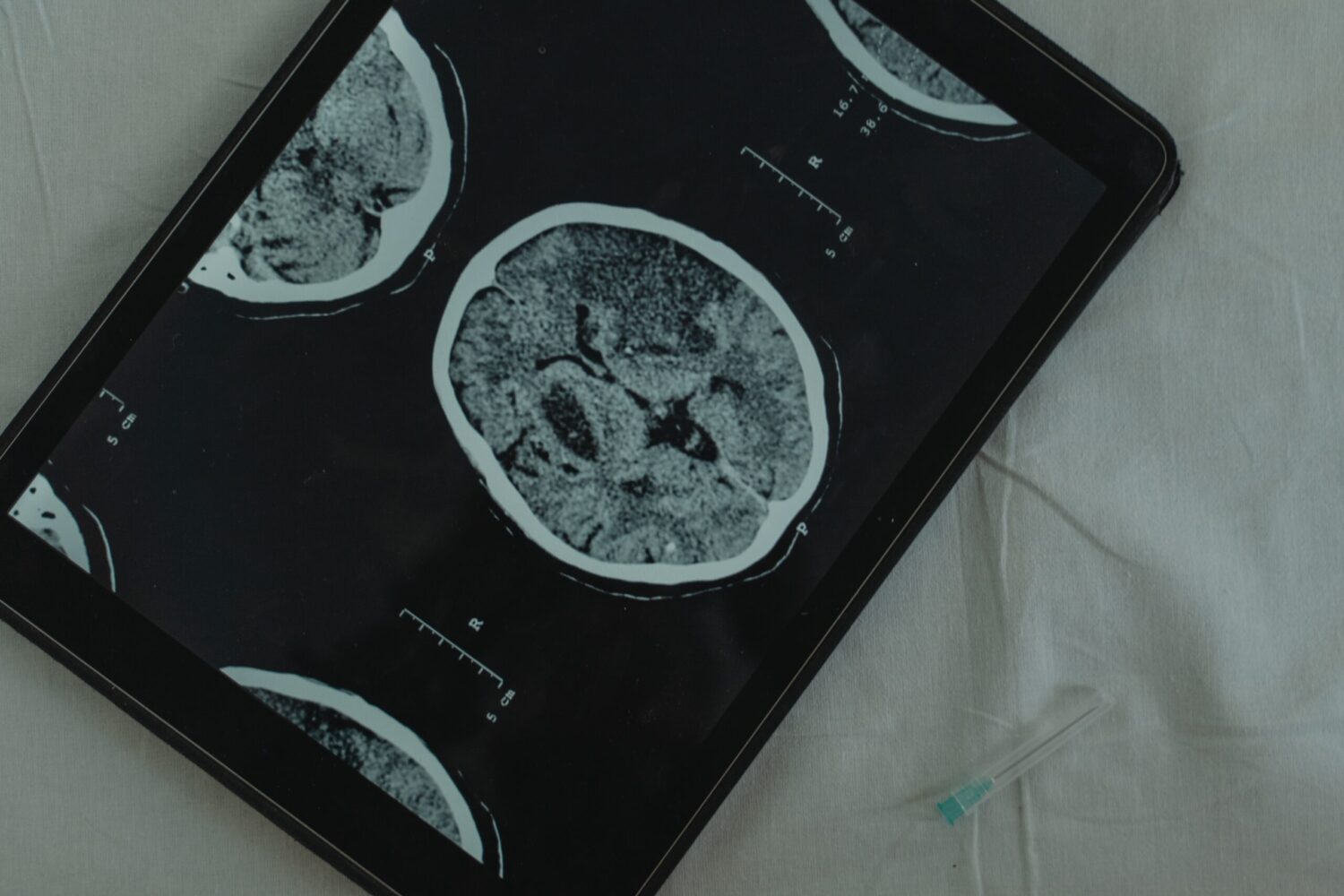
Do humans only have one brain? Not really. Scientists at a university in Australia once concluded through research that there is a second brain in our gut – or rather it should be called the first, because it actually developed earlier than the brain. In fact, the gastrointestinal tract is the only body system with its own nervous system that can function without brain control – so the digestive process is completely automated.
So, now you know 11 interesting facts about the body revealed by scientists. In fact, there are more miracles hidden in our complex organism. There are many more that we haven’t explored yet. Take care of your health because there are still so many unknown things in our bodies!
Photo by Tima Miroshnichenko: https://www.pexels.com/photo/brain-image-on-digital-tablet-6010927/
The report states that some “UN Member States are enabling this trade” through a combination of outright complicity, lax enforcement of existing bans, and easily circumvented sanctions, according to a news release from the UN rights office OHCHR.
Access to advanced weaponry
“Despite overwhelming evidence of the Myanmar military’s atrocity crimes against the people of Myanmar, the generals continue to have access to advanced weapons systems, spare parts for fighter jets, raw materials and manufacturing equipment for domestic weapons production,” said UN Special Rapporteur, Tom Andrews.
“Those providing these weapons are able to avoid sanctions by using front companies and creating new ones while counting on lax enforcement.
“The good news is that we now know who is supplying these arms and the jurisdictions in which they operate. Member States now need to step up and stop the flow of these arms,” the expert said.
Plea to governments
While calling for a complete ban on the sale or transfer of weapons to the Myanmar military, Mr. Andrews pleaded for governments to enforce existing bans while coordinating sanctions on arms dealers and foreign currency sources.
The UN Human Rights Council-appointed expert’s paper, The Billion Dollar Death Trade: International Arms Networks that Enable Human Rights Violations in Myanmaris the most detailed study on post-coup arms transfers to the military to date, said OHCHR.
Accompanied by a detailed infographic, it identifies the major networks and companies involved in these transactions, known values of the transfers, and jurisdictions in which the networks operate, namely Russia, China, Singapore, Thailand, and India.
The Billion Dollar Death Trade: The International Arms Networks That Enable Human Rights Violations in Myanmar.
“Russia and China continue to be the main suppliers of advanced weapons systems to the Myanmar military, accounting for over $400 million and $260 million respectively since the coup, with much of the trade originating from state-owned entities”, Mr. Andrews said.
“However, arms dealers operating out of Singapore are critical to the continued operation of the Myanmar military’s deadly weapons factories (commonly referred to as KaPaSa).”
The report reveals that $254 million of supplies have been shipped from dozens of entities in Singapore to the Myanmar military from February 2021 to December 2022. Singaporean banks have been used extensively by arms dealers.
Mr. Andrews recalled that the Government of Singapore has stated that its policy is to, “prohibit the transfer of arms to Myanmar” and that it has decided “not to authorise the transfer of dual-use items which have been assessed to have potential military application to Myanmar.”
“I implore leaders of Singapore to seize the information within this report and enforce its policies to the maximum extent possible,” the Special Rapporteur said.
The report also documents $28 million in arms transfers from Thai-based entities to the Myanmar military since the coup. India-based entities have supplied $51 million worth of arms and related materials to the military since February 2021.
Spotlight on sanctions ‘failure’
The report examines why international sanctions on arms dealing networks have failed to stop or slow the flow of weapons to the Myanmar military.
“The Myanmar military and its arms dealers have figured out how to game the system. That’s because sanctions are not being adequately enforced and because arms dealers linked to the junta have been able to create shell companies to avoid them.”
The expert said the ad hoc, uncoordinated nature of current sanctions were allowing payments to be made in other currencies and jurisdictions.
Weapons trade can be derailed
“By expanding and retooling sanctions and eliminating loopholes, governments can disrupt junta-linked weapons dealers,” Mr. Andrews said.
The report also focuses on the main sources of foreign currency that have enabled the Myanmar junta to purchase over $1 billion in arms since the coup. “Member States have not adequately targeted key sources of foreign currency that the junta relies on to purchase arms, including most significantly Myanma Oil and Gas Enterprise,” Mr. Andrews said.
Special Rapporteurs and other UN Human Rights Council-appointed rights experts, work on a voluntary and unpaid basis, are not UN staff, and work independently from any government or organisation.
In total, 2.5 million children in Türkiye, and another 3.7 million in neighbouring Syria, need continued humanitarian assistance, the UN agency said, appealing for greater support for affected families.
The earthquakes which struck on 6 February, followed by thousands of aftershocks, have pushed families to the brink and left children homeless and without access to water, education, medical care, and other essential services.
‘Lives turned upside down’
“In the aftermath of the earthquakes, children in both countries have experienced unimaginable loss and grief,” saidUNICEF Executive Director Catherine Russell, who visited both countries just weeks after the double disaster.
“The earthquakes struck areas where many families were already incredibly vulnerable. Children have lost family and loved ones, and seen their homes, schools and communities devastated and their entire lives turned upside down,” she added.
Even before the earthquakes, many families in affected areas were struggling, according to the UN agency.
Young lives in danger
In the regions of Türkiye impacted, approximately 40 per cent of households were already living below the poverty line, compared to around 32 per cent nationwide, and estimates indicate the figure could rise to more than 50 per cent.
Vulnerable children in hard-hit areas are exposed to threats including violence, forced marriage, forced labour, and dropping out of school. The education of nearly four million children, who were enrolled in school, was also disrupted. This number includes more than 350,000 young refugees and migrants.
UNICEF warned that although Türkiye has made strides in reducing these risks in recent years, the impact of the earthquakes could reverse that progress.
Syrian war impact
Meanwhile, children in Syria were already struggling after 12 years of war, which has had an impact on all infrastructure and public services – a situation that was exacerbated by the earthquakes.
The severe damage to water and sewage infrastructure has put 6.5 million people at an elevated risk of waterborne diseases, including cholera.
UNICEF estimated that 51,000 children under the age of five are likely to suffer from moderate and severe acute malnutrition, and 76,000 pregnant and breastfeeding women need treatment for acute malnutrition.
Additionally, it is estimated that nearly two million children have had their education disrupted, with many schools still being used as shelters.
Exploitation and abuse risks
Many of these boys and girls are still living in incredibly difficult situations. They also face heightened stress due to the additional uncertainty of not knowing when they need to move from one shelter to another.
“The long-term impacts of the disaster, including soaring food and energy prices combined with loss of livelihoods and access to services will push hundreds of thousands of children deeper into poverty,” Ms. Russell said, underscoring the need for continued support to families.
“Unless financial assistance and essential services are prioritized for these children and families as part of the immediate and long-term recovery plan, then children will remain at greater risk of exploitation and abuse.”
Focus on children
UNICEF urged the international community to prioritize what it called “a child-focused early recovery”, while also highlighting the need to build back better.
The agency also called for continued investment in key areas, including financial assistance for families, access to quality education, and access to psychosocial support.
Furthermore, continued funding is needed for health, nutrition and water, sanitation and hygiene programmes, including to reduce the risks of disease outbreaks.
UNICEF is appealing for $172.7 million to meet the lifesaving needs of nearly three million earthquake-affected children in Syria. Some $78.1 million has been received to date, with the areas of nutrition, health and education remaining significantly underfunded.
Across the border, UNICEF still requires more than $85 million of a $196 million appeal to provide required services to children in Türkiye.