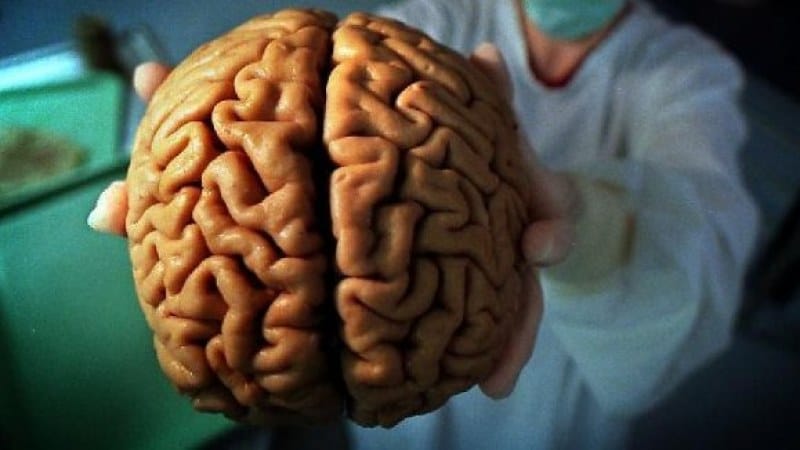
According to neurologists, the human brain has evolved mainly due to social connections
Social isolation changes the structure of our brains, according to a study published in the renowned journal Neurology. Changes in cognitive abilities have also been observed, with social isolation carrying risks of dementia in older people. The new study is based on the theory of the “social brain”.
According to neurologists, the human brain has evolved mainly due to the social connections we create. Thus, in their absence, the brain suffers.
Scanning research and a number of tests show that people who are socially isolated have poorer cognitive abilities, including memory and reaction time, as well as less gray matter in many parts of the brain.
Researchers also support the idea of health authorities monitoring whether older people have enough social activities in their lives, because in this way they will improve their general health. The study comes at a particularly opportune time, affecting our brains in the long run.
The authorities of the Czech Republic, previously a country extremely popular with Russian tourists, have stopped issuing visas to Russian citizens until the spring of 2023. The ban also applies to tourists with a Belarusian passport. The corresponding decision to tighten the visa regime for both countries was announced by the Czech Foreign Ministry.
According to the ministry, the decision taken after February 24, 2022 to ban the issuance of visas for Russian and Belarusian tourists to enter the Czech Republic, as well as permits for a long stay in a European country, will be valid until the end of March next year. “The exception is only for humanitarian cases,” the officials added.
The purpose of this tough measure is to put pressure on the authorities of the Russian Federation and neighboring Belarus in order to end the military special operation in Ukraine and ensure the republic’s security. Russian and Belarusian tourists who already have permits for long-term stay in the Czech Republic were left with the right to apply for its extension in accordance with the established procedure.
Reference: The Czech Republic is a country rich in historical and natural attractions and known for its cuisine and natural resorts, attracting tourists from many countries of the world, including Russians. Prague is the most attractive place for travelers, and Karlštejn Castle, Kutná Hora, Cesky Krumlov and Lednice are also frequently visited. In addition to the capital, there are many other cities in the Czech Republic that are interesting for tourists – in particular, historical sites such as Kutna Hora, Cesky Krumlov, Karlstejn, Spindleruv Mlyn or the Lednice-Valtice complex, as well as balneological resorts: Karlovy Vary, Marianske- Lazne, Podebrady and Frantiskovy Lazne. The Czech economy receives significant income from tourism.
Previously, in order for Russian citizens to enter the territory of the Czech Republic, it was necessary to open a Schengen (for short trips) or a national (for long trips) visa.
Light beer, like wine, is very useful for improving the intestinal microflora, if we are talking about moderate consumption of the drink, equal to one bottle of beer. This was stated by American scientists, having conducted a new study. The findings are published in the ACS Agriculture and Food Chemical journal of the American Chemical Society.
In one experimental study, experts reported that men who drank alcoholic or non-alcoholic lager daily had more diverse gut microbes, which could reduce the risk of a number of diseases.
Trillions of microorganisms cover the human gastrointestinal tract and directly affect human health.
Studies have shown that the more types of bacteria inhabit the gut, the lower the likelihood of developing chronic diseases, such as heart disease and diabetes. And since beer contains compounds such as polyphenols, as well as microorganisms from their fermentation, this drink can affect the diversity of microbes in the human gut.
A previously published cross-sectional study found that gut microbiota diversity increased when men and women consumed non-alcoholic light beer for 30 days. Many of the same people were in group 2 who drank beer with alcohol and did not have the same effect.
In this double study, 19 healthy men were randomly divided into two groups who drank 330 ml of alcoholic or non-alcoholic beer with dinner for 4 weeks.
As a result, the researchers found that parameters such as participants’ weight, body mass index, and serum markers of heart health and metabolism did not change during the study. However, by the end of the month, both groups had greater bacterial diversity and higher levels of fecal alkaline phosphatase in the gut microbiome, indicating improved gut health.
The researchers suggested that these results may differ from previous observations due to different testing schemes and because the participants were in different communities. Based on this experimental study, the scientists stated that drinking a bottle of beer, regardless of the alcohol content, may be beneficial for the gut microbiome and men’s gut health. That being said, they noted that non-alcoholic beer could be a much healthier choice as it has the safest level of alcohol consumption, i.e. equal to zero.
Archaeologists have made startling discoveries at the famous Sanxingdui ruins in southwest China’s Sichuan province. It is reported by the Xinhua News Agency.
A treasury of exquisite bronze, gold and jade items has been unearthed at this site. Including at least 10 bronze items discovered for the first time in the history of human civilization.
A joint team of archaeologists from the Sichuan Provincial Research Institute of Cultural Relics and Archaeology, Peking University, Sichuan University and other research institutes and universities have been excavating six sacrificial pits at the site since 2020.
The new finds are mainly recovered from sacrificial pits No. 7 and No. 8, bringing the total number of items found in the six pits in Sanxingdui to almost 13,000, according to the Research Institute of Cultural Relics and Archeology of Sichuan Province.
The highlight among the newly found artifacts is a bronze box with green jade utensils inside, found in pit #7. The top and bottom of the item are covered with tortoise-shell lids, and the sides of the box are decorated with a bronze loop, dragon-head handles, and several bronze ribbons. According to archaeologists, the analysis of micro-traces showed that the box was wrapped in silk.
“It is not an exaggeration to say that this item is one of a kind given its distinctive shape, fine workmanship and ingenious design. Although we do not know what this item was used for, we can assume that ancient people treasured it,” said Li Haichao, Sichuan University professor in charge of the excavation of Site 7.
Jade items and bronze ornaments, figurines and bells were also found in the pit.
In nearby Pit No. 8, archaeologists found many artifacts, including bronze heads with golden masks, a bronze sculpture with a human head and the body of a snake, a bronze altar, a giant mythical creature made of bronze, and a bronze object in the shape of a dragon head with a pig nose.
“The sculptures are very complex and imaginative, they reflect the fairy-tale world imagined by people of that time, and show the diversity and richness of Chinese civilization,” said Zhao Hao, assistant professor at Peking University, head of the excavation site No. 8.
Around the pits, archaeologists also found ash ditches, architectural foundations and small sacrificial pits, as well as cultural relics. In addition – bamboo, reeds, soybeans, the remains of cattle and wild boars, which may have been sacrificed.
Originally discovered in the late 1920s, the ruins of Sanxingdui have been cited as one of the world’s greatest archaeological finds in the 20th century.
Located in the city of Guanghan, about 60 km from the provincial capital of Chengdu, the 12-square-kilometer ruins are believed to be the remains of the Shu kingdom, which is between 4,500 and 3,000 years old.
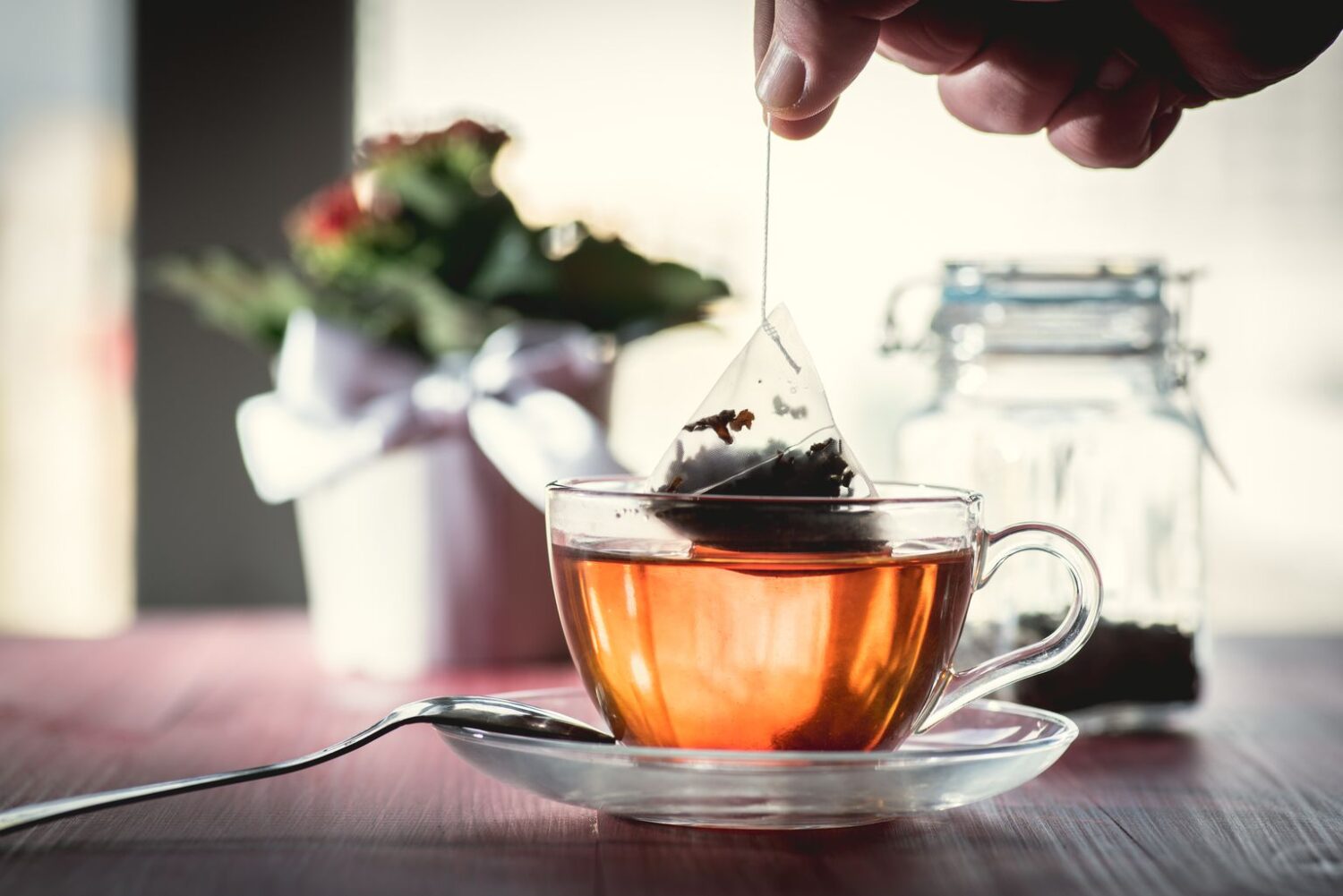
German biologists have shown that traces of hundreds of species of insects that were once in contact with the plant can be found in one single tea bag, reports Naked Science.
Insects are not part of the traditional cuisine of the peoples of Europe and Russia. However, local residents involuntarily and constantly eat them – including along with the most popular hot drink. German biologists have analyzed “environmental” DNA (environmental DNA, eDNA), trace amounts of which are contained in regular tea bags. They managed to find the genes of thousands of species of insects, and in each individual bag – hundreds. Scientists write about this in an article published in the new issue of the journal Biology Letters.
eDNA, which can be isolated from a variety of environmental objects, serves as a convenient tool for monitoring local ecosystems. It can even be caught from the air in order, for example, to find out the species composition of local insects, to determine the presence of certain rodents in a hole, or even people in a room. In a new study, Henrik Krehenwinkel and colleagues at the University of Trier in Germany found eDNA in regular tea bags.
Indeed, in order for the DNA of an insect to remain on a leaf, sometimes it is enough for an insect to gnaw on it. DNA is quickly destroyed by ultraviolet light in the open sun and is easily washed off with water, but crushed tea leaves can retain it for a long time, until the moment when the DNA enters the cup. Scientists were convinced of this by discovering that in addition to 100-150 milligrams of tea, in a bag bought at a nearby store, there are DNA fragments left by hundreds (up to 400) species of insects. In the entire set of samples, traces of already thousands of species have been identified.
Henrik Krehenwinkel himself admits that he prefers coffee to tea, and coffee beans are roasted, during which any DNA breaks down. However, the task of the authors was not to demonstrate the “contamination” of tea. They are confident that a similar approach will allow us to analyze plant samples that are preserved in old herbariums and find out by eDNA which insects surrounded them then. The same work can be done for modern plants in the field. These “evidence” will help to find out the composition of communities associated with different plants and ecosystems, and track their changes over time.
The meeting was held in the city of Bologna (Italy) and was dedicated to the foundations of the new ENP strategy for 2022-2027.
Ukraine for the first time joined the meeting of the European Polar Council (EPC) – an organization dedicated to the strategic development of polar research and other initiatives in the Arctic and Antarctic in Europe.
According to the Ministry of Education and Science of Ukraine, the National Antarctic Research Center was invited to take part in the event as a new member of the Council, because in April this year the NASC received full membership in the ENP.
The off-site meeting of the European Polar Council was held on June 13-17, 2022 in the city of Bologna (Italy) and was dedicated to the basics of the new ENP strategy for 2022-2027.
In particular, the participants discussed the details of the new strategic vision and mission of the Council, which will be divided into thematic blocks for more effective coordination, cooperation and interaction of the ENP members both among themselves and with other interested organizations.
During the summer, the draft Strategy will be developed by a working group of experts and agreed with all ENP members. It is expected that the final version of the Strategy for 2022-2027 will be approved at the next EPC plenary meeting in autumn 2022.
The ENP has been referred to as Europe’s “elite club” for Antarctic research. The main goal of the Council is to promote multilateral cooperation of participants in the study of the polar regions. It acts as a single point of contact for European polar explorers to communicate with each other and with international partners.
The National Antarctic Science Center became a member of the European Polar Council on April 5, 2022. This will provide new opportunities for Ukrainian scientists to study the Arctic and Antarctic, as well as improve the integration of Ukrainian science into the European research area.
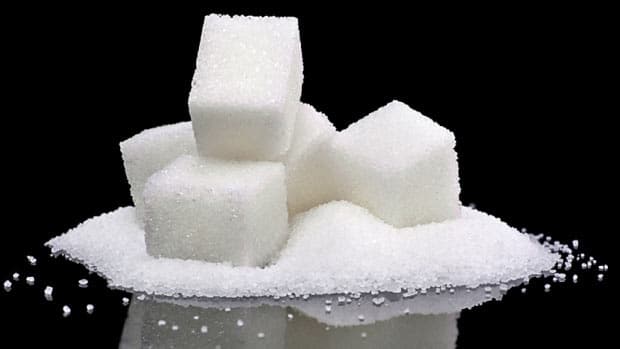
Kazakhstan requested 100,000 tons of sugar from other countries, Kazinform reports with reference to Deputy Prime Minister – Minister of Trade and Integration Bakhyt Sultanov.
According to Sultanov, sugar reserves in the country as of June 2022 amount to 350,000 tons. “Brazil, India and Vietnam are one of the major suppliers in the world. But India has also limited, so we are negotiating,” the minister said.
Sultanov noted that on July 15 a meeting of the Council of the Eurasian Economic Commission will be held in Belarus, at which the participating countries will consider the issue of sugar exports.
In early March, Russia banned the export of grain and sugar to Kazakhstan and other EAEU countries until August 31. The Ministry of Trade of Kazakhstan reported that sugar reserves would last for three months. In 2021, Kazakhstan imported 506.9 million tons of sugar, of which more than half – 275.8 million tons – were imported from Russia.
Some Kazakh cities have introduced restrictions on the sale of sugar. For example, in Atyrau, only one kilogram is released into the hands. Residents of Uralsk complained about the increase in sugar prices and its shortage. On May 27, the press service of the Ministry of Commerce issued a message that there is no shortage of sugar in the country. But on May 31, the head of the department, Bakhyt Sultanov, admitted that the shortage of sugar was caused by Russia’s ban on the export of the product and raw materials.
According to Energyprom analysts, against this background, the cost of sugar in Kazakhstan increased immediately by 34.3% compared to February. The rise in sugar prices continued in the following months: for example, in April, sugar rose in price by another 4.5%, in May – by 5.7%. As a result, the annual increase in the price of sugar (May 2022 to May 2021) amounted to 60.5%.
In June, due to a shortage of sugar, Rakhat, the largest confectionery factory in Kazakhstan, announced the suspension of the plant in Shymkent and stopped the production of hard candies and caramel. The chairman of the board of the factory, Konstantin Fedorets, said that they lacked 20,000 tons of sugar for work.
There is hardly a person who has not had sleep problems at least once in his life. Those who are almost accustomed to waking up at midnight know how painful it is to maintain a normal rhythm of life if the night’s rest is lame.
We also know that waking up at three in the morning has a very logical explanation. But how to fall asleep most easily if it happens?
Woman and Home consults with specialists to give us the most useful advice on this. And they remind us that it’s good to first identify the reasons for waking up – from increased levels of stress through the need to visit the toilet to the snoring of our partner.
Deep breathing
The first key piece of advice when we wake up in the middle of the night is not to look at our phone to check what time it is. This is a sure way to wake up even more. Instead, we should try deep diaphragmatic breathing and tell ourselves that even if we don’t fall asleep right away, we will use the time to relax. This relieves the stress of waking up.
The rule of 20 minutes
If more than 20 minutes have passed and we still have not fallen asleep, sleep experts advise us to get up and do something different. For example, to open the window and take a deep breath, take a sip of water or walk around the room for a few minutes. Then we can try to go to bed again.
No blue light
We will not tire of repeating that the light from the screens of electronic devices is a sure way to reduce the production of melatonin – the sleep hormone.
Vienna (Austria), 27 June 2022 – Cannabis legalization in parts of the world appears to have accelerated daily use and related health impacts, according to the UN Office on Drugs and Crime (UNODC)’s World Drug Report 2022. Released today, the report also details record rises in the manufacturing of cocaine, the expansion of synthetic drugs to new markets, and continued gaps in the availability of drug treatments, especially for women.
According to the report, around 284 million people aged 15-64 used drugs worldwide in 2020, a 26 per cent increase over the previous decade. Young people are using more drugs, with use levels today in many countries higher than with the previous generation. In Africa and Latin America, people under 35 represent the majority of people being treated for drug use disorders.
Globally, the report estimates that 11.2 million people worldwide were injecting drugs. Around half of this number were living with hepatitis C, 1.4 million were living with HIV, and 1.2 million were living with both.
Reacting to these findings, UNODC Executive Director Ghada Waly stated: “Numbers for the manufacturing and seizures of many illicit drugs are hitting record highs, even as global emergencies are deepening vulnerabilities. At the same time, misperceptions regarding the magnitude of the problem and the associated harms are depriving people of care and treatment and driving young people towards harmful behaviours. We need to devote the necessary resources and attention to addressing every aspect of the world drug problem, including the provision of evidence-based care to all who need it, and we need to improve the knowledge base on how illicit drugs relate to other urgent challenges, such as conflicts and environmental degradation.”
The report further emphasizes the importance of galvanizing the international community, governments, civil society and all stakeholders to take urgent action to protect people, including by strengthening drug use prevention and treatment and by tackling illicit drug supply.
Early indications and effects of cannabis legalization
Cannabis legalization in North America appears to have increased daily cannabis use, especially potent cannabis products and particularly among young adults. Associated increases in people with psychiatric disorders, suicides and hospitalizations have also been reported. Legalization has also increased tax revenues and generally reduced arrest rates for cannabis possession.
Continued growth in drug production and trafficking
Cocaine manufacture was at a record high in 2020, growing 11 per cent from 2019 to 1,982 tons. Cocaine seizures also increased, despite the Covid-19 pandemic, to a record 1,424 tons in 2020. Nearly 90 per cent of cocaine seized globally in 2021 was trafficked in containers and/or by sea. Seizure data suggest that cocaine trafficking is expanding to other regions outside the main markets of North America and Europe, with increased levels of trafficking to Africa and Asia.
Trafficking of methamphetamine continues to expand geographically, with 117 countries reporting seizures of methamphetamine in 2016‒2020 versus 84 in 2006‒2010. Meanwhile, the quantities of methamphetamine seized grew five-fold between 2010 and 2020.
Opium production worldwide grew seven per cent between 2020 and 2021 to 7,930 tons – predominantly due to an increase in production in Afghanistan. However, the global area under opium poppy cultivation fell by 16 per cent to 246,800 ha in the same period.
Key drug trends broken down by region
In many countries in Africa and South and Central America, the largest proportion of people in treatment for drug use disorders are there primarily for cannabis use disorders. In Eastern and South-Eastern Europe and in Central Asia, people are most often in treatment for opioid use disorders.
In the United States and Canada, overdose deaths, predominantly driven by an epidemic of the non-medical use of fentanyl, continue to break records. Preliminary estimates in the United States point to more than 107,000 drug overdose deaths in 2021, up from nearly 92,000 in 2020.
In the two largest markets for methamphetamine, seizures have been increasing – they rose by seven per cent in North America from the previous year, while in South-East Asia they increased by 30 per cent from the previous year, record highs in both regions. A record high was also reported for methamphetamine seizures reported from South-West Asia, increasing by 50 per cent in 2020 from 2019.
Great inequality remains in the availability of pharmaceutical opioids for medical consumption. In 2020, there were 7,500 more doses per 1 million inhabitants of controlled pain medication in North America than in West and Central Africa.
Conflict zones as magnets for synthetic drug production
This year’s report also highlights that illicit drug economies can flourish in situations of conflict and where the rule of law is weak, and in turn can prolong or fuel conflict.
Information from the Middle East and South-East Asia suggest that conflict situations can act as a magnet for the manufacture of synthetic drugs, which can be produced anywhere. This effect may be greater when the conflict area is close to large consumer markets.
Historically, parties to conflict have used drugs to finance conflict and generate income. The 2022 World Drug Report also reveals that conflicts may also disrupt and shift drug trafficking routes, as has happened in the Balkans and more recently in Ukraine.
A possible growing capacity to manufacture amphetamine in Ukraine if the conflict persists
There was a significant increase in the number of reported clandestine laboratories in Ukraine, skyrocketing from 17 dismantled laboratories in 2019 to 79 in 2020. 67 out of these laboratories were producing amphetamines, up from five in 2019 – the highest number of dismantled laboratories reported in any given country in 2020.
The environmental impacts of drug markets
Illicit drug markets, according to the 2022 World Drug Report, can have local, community or individual-level impacts on the environment. Key findings include that the carbon footprint of indoor cannabis is between 16 and 100 times more than outdoor cannabis on average and that the footprint of 1 kilogram of cocaine is 30 times greater than that of cocoa beans.
Other environmental impacts include substantial deforestation associated with illicit coca cultivation, waste generated during synthetic drug manufacture that can be 5-30 times the volume of the end product, and the dumping of waste which can affecting soil, water and air directly, as well as organisms, animals and the food chain indirectly.
Ongoing gender treatment gap and disparities in drug use and treatment
Women remain in the minority of drug users globally yet tend to increase their rate of drug consumption and progress to drug use disorders more rapidly than men do. Women now represent an estimated 45-49 per cent of users of amphetamines and non-medical users of pharmaceutical stimulants, pharmaceutical opioids, sedatives, and tranquilizers.
The treatment gap remains large for women globally. Although women represent almost one in two amphetamines users, they constitute only one in five people in treatment for amphetamine use disorders.
The World Drug Report 2022 also spotlights the wide range of roles fulfilled by women in the global cocaine economy, including cultivating coca, transporting small quantities of drugs, selling to consumers, and smuggling into prisons.
Further information
The 2022 World Drug Report provides a global overview of the supply and demand of opiates, cocaine, cannabis, amphetamine-type stimulants and new psychoactive substances (NPS), as well as their impact on health.
The EU fully supports the G7 Partnership on Global Infrastructure and Investment. The reason for this is simple. We have always been a leader in cooperating with developing countries. 46% of global development aid comes from the European Union. And every year, almost 70 billion euros go towards funding more peace, more prosperity, and more development.
The G7 is committed to values, standards, transparency, principles, and so, too, is the EU. We focus on smart, clean and secure investments in sustainable infrastructure as well as in digital infrastructure, climate, energy and transport. We also invest in the power and potential of people, in their education and health as well as in cutting-edge research.
The EU is a project of peace and prosperity. It is anchored in the rule of law and multilateralism. We rally our partners around high standards in human, social, and workers’ rights.
Our G7 Partnership wants to drive forward infrastructure that is sustainable, inclusive, resilient and high quality, in emerging markets and in developing countries. One example of this is the EU’s investment in vaccines and medicine production, in particular in African countries. Multilateral development banks (MDBs) will play a catalyst role in mobilising private capital along with our public support.
The European Union is promoting its Global Gateway initiative, too. At our EU-Africa Summit, last February, we announced an Africa-Europe Investment Package of 150 billion euros. We are investing in many projects, in Africa and with Africa. The submarine EurAfrica Gateway Cable and the local pharmaceuticals cooperation are two good examples of this. In addition, in the Indo-Pacific region, we are very engaged in the field of sustainable connectivity in transport, energy and technology.
In conclusion, we need values and standards. That is why we are fully on board. I am convinced that the G7, and the EU, are taking the right direction for a more stable and forward-looking partnership.