

Vienna — Thousands of migrants remain trapped in freezing conditions on the Belarusian-Polish border this weekend, as the OSCE comes under pressure to find a role in a crisis that sits squarely in its territory and largely outside its tools.
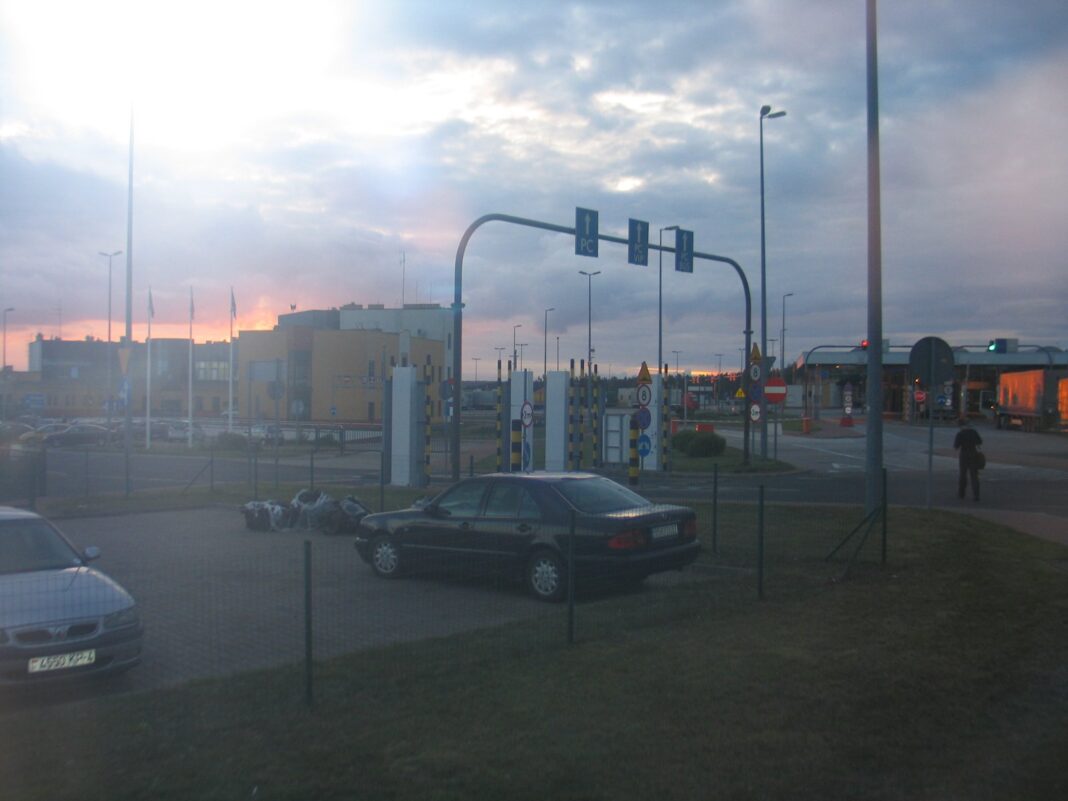
The standoff at the Kuźnica crossing and nearby forest strips, where people — many of them from Iraq, Syria and Afghanistan — are caught between Belarusian forces pushing them west and Polish forces pushing them back, has become the most dangerous humanitarian emergency on the European Union’s external frontier this year. Several deaths have been reported on both sides; temperatures are falling toward minus figures at night.
The EU and NATO accuse Alexander Lukashenko’s government of manufacturing the crisis by funnelling migrants to the border in retaliation for sanctions — a charge Minsk denies. Poland has declared a state of emergency in the border zone, barring journalists and most aid workers, and has sent thousands of soldiers. Belarus, for its part, has staged limited aid deliveries and threatened to cut gas transit to Europe.
The OSCE’s secretary general, Helga Maria Schmid, has offered the organisation’s good offices and called for humanitarian access and the protection of migrants’ rights under international law. The organisation has a mission in neither country anymore — its office in Minsk was closed in 2011, and Poland hosts no field presence — leaving it dependent on member states for even basic information from the zone.
Diplomats in Vienna acknowledge the bind. The border is exactly the kind of hard-security-humanitarian hybrid the OSCE exists for, yet the organisation can act only by consensus of states that include both Belarus and Poland, and both prefer other forums: Warsaw leans on NATO, Minsk on Moscow.
What the crisis has already demonstrated is the cost of the OSCE’s shrunken footprint. A decade ago its monitors and liaison offices tracked frontier tensions across the region. This week, on one of Europe’s most militarised borders, the best it could offer was a statement — and a reminder that the people in the forest are running out of time for formats and mandates to be debated.
Media-Society.com is a press network association based in Spain, founded in 2020. More at www.media-society.com.