

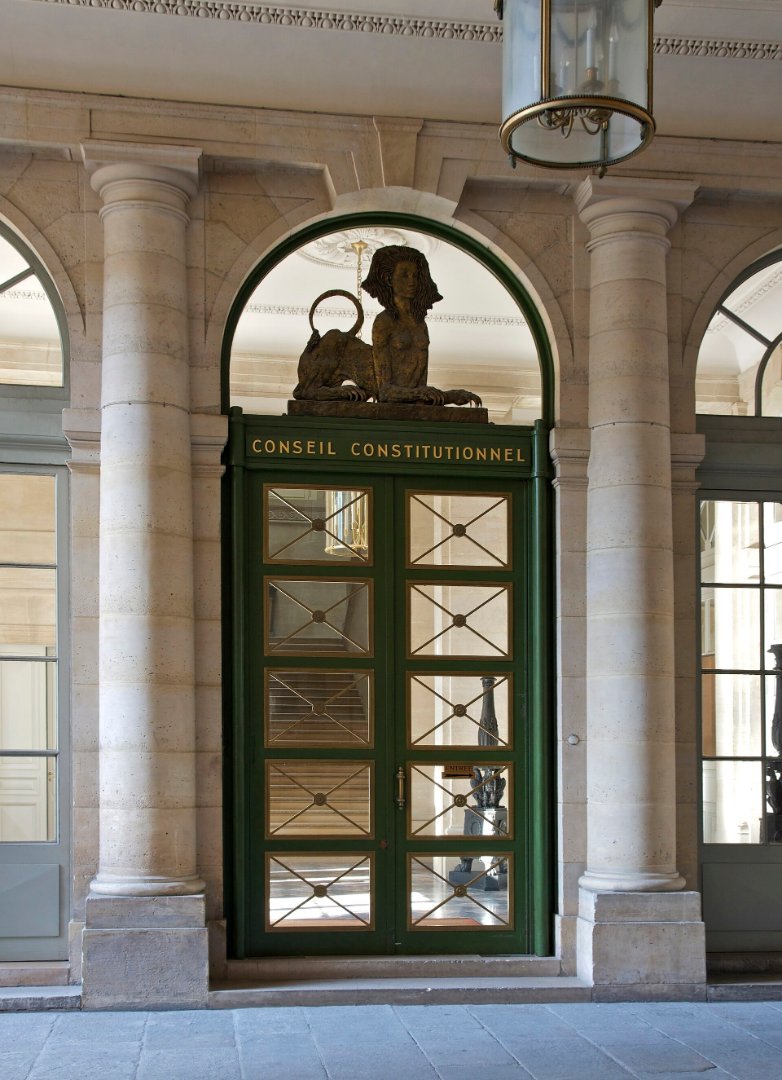

PARIS — France’s contested immigration legislation has been promulgated, and it is not the law Parliament thought it was passing in December. The Constitutional Council removed a substantial number of provisions from the text before signature, leaving a statute significantly different from the political package that emerged from the National Assembly and the Senate.
The Constitutional Council delivered its decision on Thursday, striking down dozens of provisions either wholly or partly. And one point keeps getting lost in the political reaction: many of the censured measures fell not because the Council reached a final judgment that their substance was unconstitutional, but because they had been introduced into the legislation without a sufficient connection to the original bill.
French constitutional practice has a name for these provisions — cavaliers législatifs, legislative riders. The Council excluded 32 articles on that procedural basis alone, alongside other provisions censured wholly or partly on substantive constitutional grounds.
The difference is not academic. When a measure is struck down because it does not belong procedurally in a particular law, nothing prevents Parliament from considering a similar measure in a future bill introduced through the proper procedure. Among the provisions removed from the December text were several additions that had attracted considerable political attention during the parliamentary negotiations — and some of them may well reappear in future legislative proposals.
What remains still changes important aspects of French immigration and asylum law. The Council upheld a number of provisions, sometimes subject to interpretative reservations, and left untouched the parts that had not been referred to it for substantive review. The resulting law was promulgated on 26 January.
For foreigners living in France, prospective migrants and asylum seekers, the gap between the parliamentary vote and the final law is more than a constitutional nicety. Political debates happen in amendments, compromises and announcements; life happens under the text that prefectures, courts and public administrations actually apply. A person renewing a residence permit, applying for protection or trying to work out eligibility for a particular right does not live under the political debate. He or she lives under the enacted legislation and the administrative rules implementing it — which is exactly what makes the Constitutional Council’s intervention so consequential in practical terms.
It is also a tidy lesson in the different roles institutions play in making French law. Parliament decides what legislation to adopt. The Constitutional Council, when seized before promulgation, examines the legislation within the scope of the cases brought before it and the requirements of the Constitution. The executive then promulgates and implements whatever survives that process. No single stage tells the whole story.
The immigration debate is likely to remain politically contentious. For the moment, though, anyone trying to understand what France’s new immigration law actually does must keep three different texts apart: the government’s original proposal, the version Parliament voted in December, and the law that finally entered the statute book after constitutional review. A later official commentary on decision 2023-863 DC walks through the procedural and substantive grounds in detail.
For those directly affected, only the third of those texts will be waiting at the prefecture, before an asylum authority or in court.