

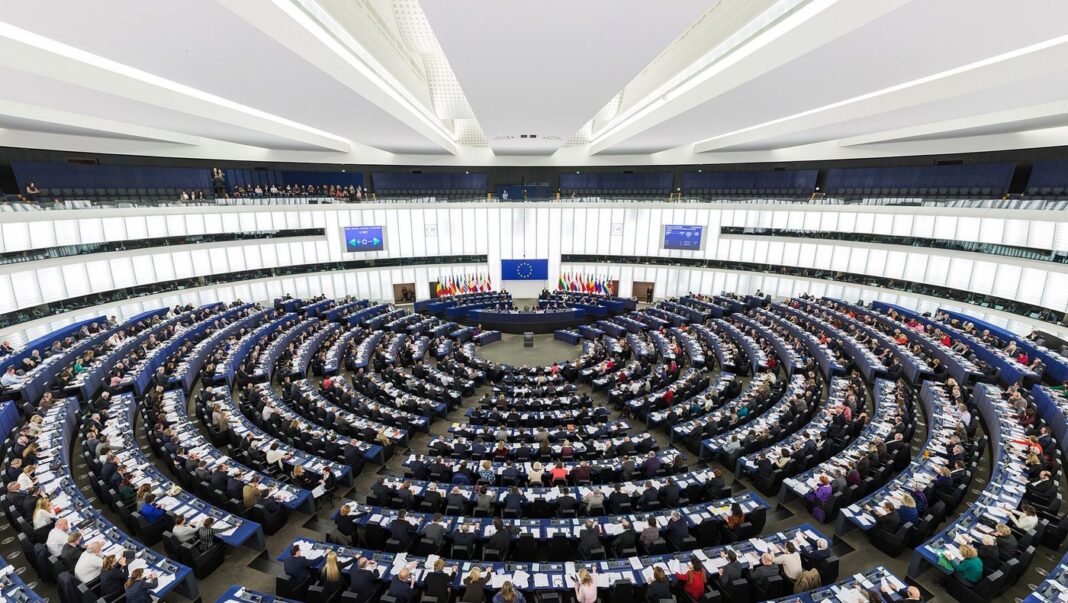

BRUSSELS — After years of negotiation, the European Parliament approved on Wednesday a package of ten legislative texts designed to reshape the European Union’s migration and asylum system.
What the package means depends on where you stand. For governments, it is about responsibility, solidarity, border management and common procedures. For the person who arrives at an external EU border seeking protection, it is about something more immediate: screening, identification, biometric registration and, in certain cases, an asylum procedure conducted at the border itself.
Members of the European Parliament approved the ten components of the Migration and Asylum Pact following agreements previously negotiated with EU member states; the Council must still formally adopt the legislation. The reform has been years in the making, held up in part by persistent disagreement over which country should assume responsibility for asylum applicants arriving in the Union.
Under the new system, people entering irregularly will be subject to a screening procedure: identification and security checks, as well as vulnerability and health assessments. Their information will feed into an expanded Eurodac system, increasing the use of biometric and other data in managing asylum and irregular migration.
The heaviest piece is the border procedure. Certain asylum applications are intended to be assessed more rapidly at or close to the external border, with a linked return procedure for people whose claims are rejected. Supporters argue that a more common system should reduce inconsistent national practices and produce faster decisions. Human-rights and refugee organisations spent the long legislative process warning about accelerated border procedures, detention-like conditions and whether individuals will have effective access to safeguards. The legal texts do include requirements relating to fundamental rights, vulnerability and procedural guarantees; what matters is how those provisions hold up when administrative systems face real pressure.
The Pact also rewires the relationship between member states. Countries experiencing significant migratory pressure are to receive support through a solidarity mechanism, to which others may contribute by relocating asylum applicants or beneficiaries of international protection, by financial contributions or by operational assistance. This is the system’s attempt to answer a question that has divided European governments for years: how to combine responsibility for controlling the Union’s external frontier with shared responsibility for the people who arrive there. For Spain, Italy, Greece and other states along the major external migration routes, the answer has obvious importance; for countries farther from those borders, it means migration management is intended to become less exclusively a matter for the country of first arrival.
From an asylum seeker’s side of the desk, though, institutional burden-sharing is an abstraction. The first experience of Europe’s new system will be personal: providing fingerprints or other biometric data, undergoing a health and vulnerability assessment, explaining the basis of an asylum claim, being told which procedure will determine the next stage.
That is where the new framework will eventually be tested. European migration law is negotiated in regulations containing hundreds of pages; at the border, those pages become a sequence of decisions about an individual human being. The legislation approved this week is intended to make that sequence more predictable across the Union. Whether it also makes it fairer, faster and capable of protecting those entitled to asylum will depend on implementation after the legislative process is completed. The Parliament’s overview of the approved package sets out the ten legislative files and their main components.