Rising fuel prices: the government is considering strengthening and expanding aid
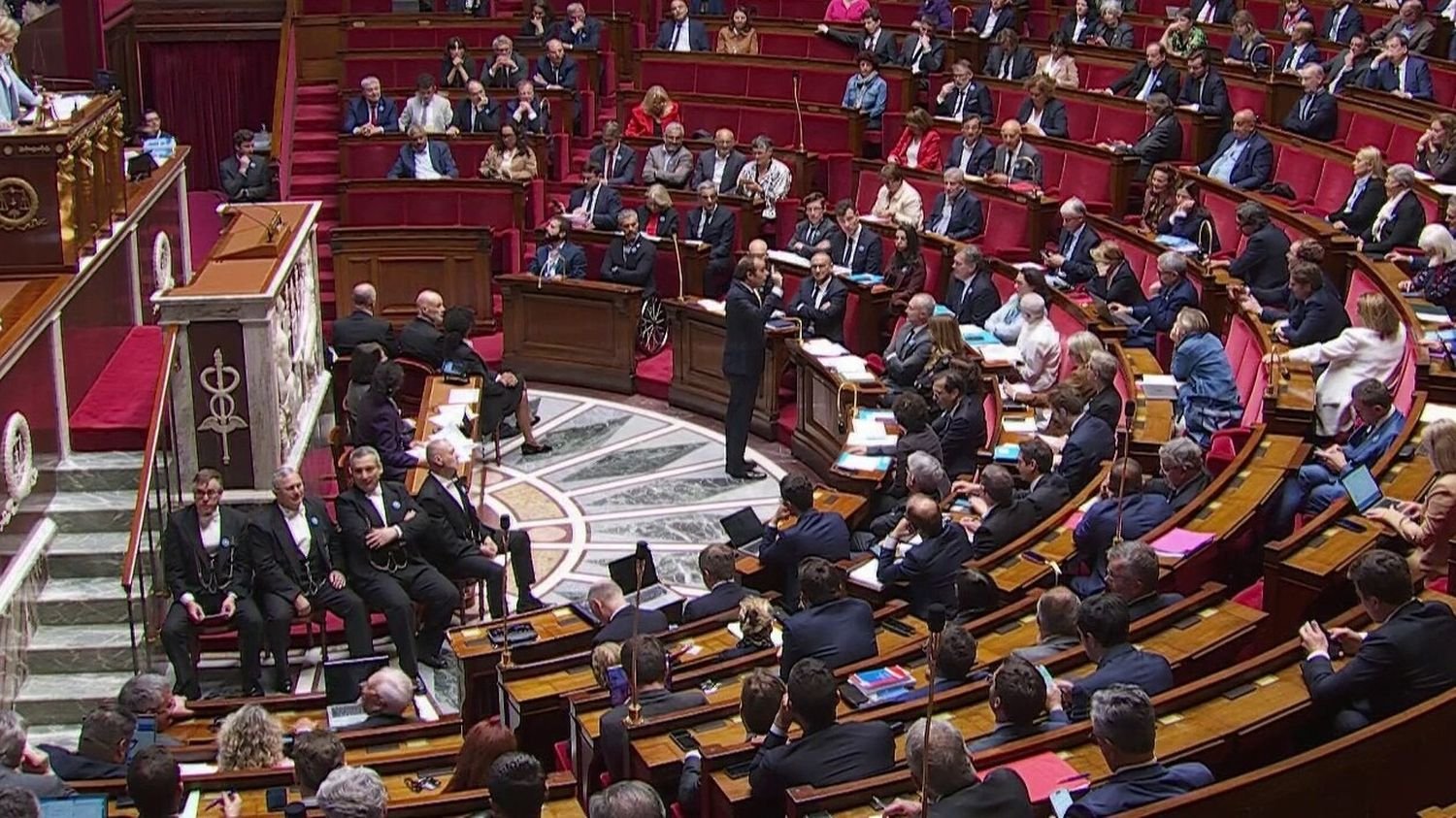
This Tuesday, May 5, Prime Minister Sébastien Lecornu declared that the situation on fuels was “particularly difficult and serious”. He indicated that he wanted to “change scale” and “adapt” his support measures to economic activity.
This text corresponds to part of the transcription of the report above. Click on the video to watch it in full.
Questioned on fuel aid for businesses, the Prime Minister creates a surprise in the National Assembly. Sébastien Lecornu promises new measures. “The issue is support for the activity and those who work. But from now on, we will have to change in scope and scale,” believes the Prime Minister.
First of all, what are the current aids? Today, four sectors benefit from a discount on diesel: fishermen, farmers, transporters and small construction workers. The other help concerns modest long-distance riders; the conditions: travel at least 30 km per day to get to work and have income less than 16,880 euros per year for a single person.
The State plans to act on the income limit ceilings. This business owner could benefit from it. “Today, the amount of gasoline impacts people who earn 1,500 euros per month as well as those who earn 4,000 and 5,000 euros per month”; “Those who can be helped, things work out better for them. For the others, we will wait, we will suffer a little longer while hoping that the crisis will stop,” react several motorists.
The State could also decide to directly help other sectors such as taxis or any other professional affected by energy prices.
For the month of May, the State has already released 180 million euros in aid. The excess fuel tax revenue has already been spent. We must therefore find other savings. “The reality is that there is a political arbitration to be had. If there are new measures announced and if they are quite expensive, perhaps we will also have to announce funding with them,” explains Mathieu Plane, economist and deputy director of the Analysis and Forecasting department at the OFCE. The only certainty at the moment is that the government refuses to lower fuel taxes.
Originally published at Almouwatin.com