

PARIS — Religious associations in France woke up this week to a thicker rulebook. The law of 24 August 2021, published in the Journal officiel, is meant to reinforce respect for what the government calls the principles of the Republic. The text ranges well beyond religion, but a large share of it rewrites the rules for associations involved in worship and widens the administration’s powers to look over their shoulder.
The political argument around the law has been loud. For the thousands of congregations that will actually live under it, the consequences are quieter and, quite possibly, longer-lasting: statutes, accounts, declarations, governance charts.
To see why, it helps to remember how French religious life is organised. The system rests on laïcité and, for most of the country, on the 1905 law separating churches and the State, which created the specific legal vehicle known as the association cultuelle. The new legislation rewrites several of the rules around these structures. Deliberative bodies must exist and take the important decisions. Financial and administrative management has to be laid before members at regular intervals. Groups that want the advantages attached to cultuelle status must now declare that status to the representative of the State in the department, and the administration gets a bigger role in checking that the conditions for it are still being met. The detail is in the official legislation.
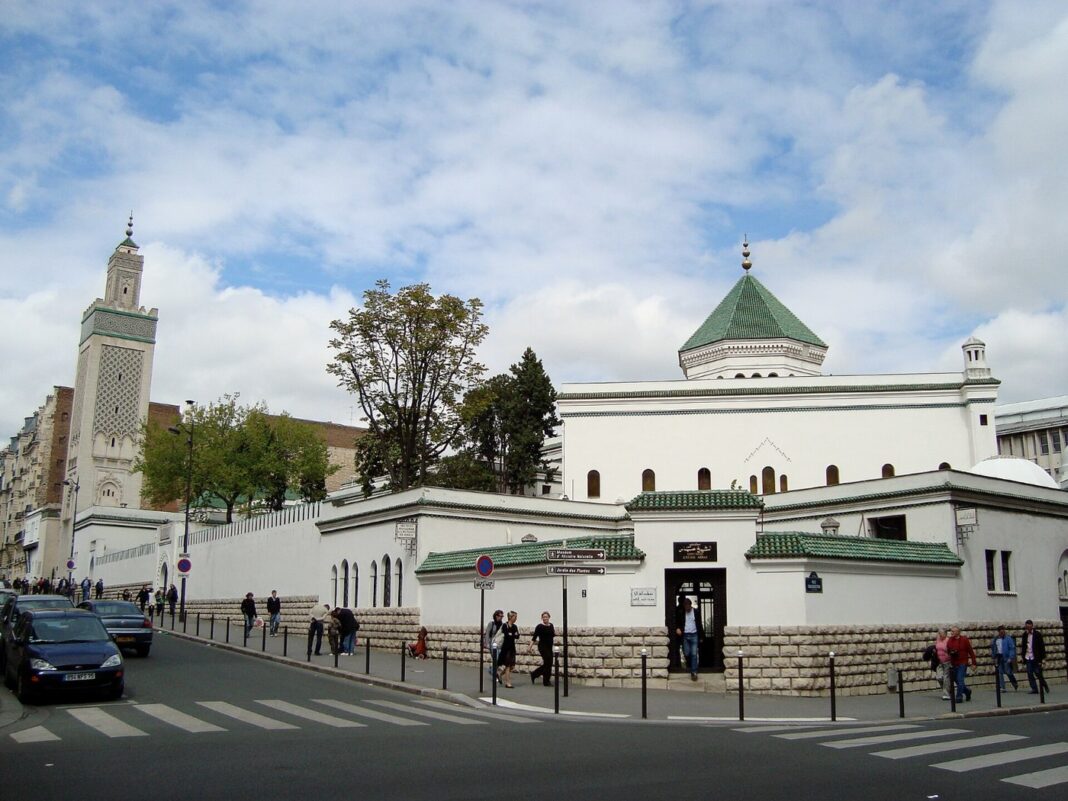
What makes this more than a technical adjustment is the shape of religious France: thousands of small local bodies rather than a few large national institutions. For a neighbourhood mosque, an evangelical church, a Buddhist centre, compliance will mean sitting down with the statutes, working out who is actually allowed to sign what, keeping cleaner accounts and learning which declarations go to the prefecture and when.
Money gets particular attention, especially money from abroad. Some of the procedures still depend on implementing regulations, but the direction is unmistakable: the State wants to see how organisations that carry on religious activity are run and financed.
Not every religious body will feel the law in the same way. Much depends on the legal form a group has chosen, on regional exceptions, and on the line French law draws between cultural, charitable and strictly religious activity. That line is where smaller organisations will have to be careful. A single community may run worship services, language classes, food aid and youth work — sometimes inside one association, sometimes through several. Sorting those activities out without confusing categories the law treats differently will be one of the reform’s real tests.
The political framing — separatism, radicalisation, the place of Islam in French society — is absent from the operative text, which works through general categories of association and religious activity rather than naming any faith.
A worshipper attending Friday prayers or Sunday mass may notice nothing at all. The people who will notice are the treasurers, trustees, religious ministers and association presidents, who are about to discover a considerably more demanding administrative environment.
That, in the end, may be the reform’s most tangible legacy: a national argument about republican principles, translated into statutes and account books at thousands of local places of worship across France.