
Syria: Statement by the Spokesperson on the roadmap agreed by Syria, Jordan and the US on Suwayda
UN presses ahead with mission for a better world despite global headwinds

The Secretary-General’s annual report, released on Thursday ahead of the 80th session of the UN General Assembly’s yearly high-level session, offers a sobering yet resolute account of the Organization’s efforts in the face of mounting challenges.
Mr. Guterres highlighted the resilience of UN personnel, committed to delivering hope and help to those in need despite operating under difficult circumstances. “The present report demonstrates that despite enormously trying times – indeed, precisely because of them – we can and must keep pushing for the better world that we know is within reach,” he said.
Together with partners, the UN coordinated a $50 billion appeal for the humanitarian needs of 198 million people. “In 2024, the United Nations helped to mobilize $25 billion of the $50 billion funding target, enabling life-saving humanitarian assistance to reach 116 million people in urgent need across 77 countries and territories.”
This enabled life-saving programmes in the Horn of Africa, the Occupied Palestinian Territory, Sudan, Ukraine, Yemen and regions affected by natural disasters like earthquakes in Vanuatu, drought in Southern and Eastern Africa and floods in South-East Asia.
At the same time, UN operations in 2024 came at a heartbreaking human cost. It was the deadliest year on record for UN staff and humanitarian workers, with 373 aid workers killed. The vast majority of those casualties were personnel from the UN Relief and Works Agency for Palestine Refugees in the Near East (UNRWA), working in Gaza under extreme and dangerous conditions.
In launching the report, the Secretary-General paid tribute to their sacrifice, reaffirming the UN’s unwavering commitment to standing with the world’s most vulnerable.
Children find shade and take part in recreational activities organized by UN personnel in front of destroyed buildings in the Gaza Strip.
Peace and security core to UN’s mission
Diplomacy for peace remained core to the Organization’s work amid escalating global challenges to peace and security. Despite rising threats, the UN’s diplomatic efforts continued to protect hundreds of thousands of civilians daily and advance peace processes.
During the political transition in Syria, the UN engaged stakeholders in line with Security Council resolution 2254 – which in 2015 endorsed a road map for a peace process in the country – to de-escalate violence protect civilians and prevent regional spillover.
Meanwhile, in the Occupied Palestinian Territory, including East Jerusalem, Gaza and the West Bank and the broader region, the UN closely engaged all parties to end violence, enhance humanitarian access and sustain assistance to affected populations.
In Lebanon the UN supported de-escalation and a resumption of a cessation of hostilities in line with our mandate under Security Council resolution 1701, enabling people to return to their homes on both sides of the Blue Line.
The UN also facilitated peace talks, supported state-building efforts and helped to protect civilians globally, including in the Sudan. The Organization’s efforts to help promote a peaceful coexistence in Abyei, saw a decline in intercommunal violence.
The Peacebuilding Fund allocated over $116 million to support national peace plans in 32 countries and territories, with a focus on gender equality. Partnerships with regional organizations, like the African Union, further bolstered conflict prevention.
A renewed vision for the future
The 2024 Summit of the Future marked a historic turning point for multilateralism. World leaders adopted the Pact for the Future, a landmark agreement to revitalize international cooperation and deliver solutions for people and planet.
The Pact calls for stronger diplomacy and conflict prevention, reforms to the global financial system, urgent climate action, and accelerated progress on the Sustainable Development Goals (SDGs). It also commits to more representative and effective global governance, including reforms to the Security Council and greater voice for developing countries.
The Global Digital Compact and the Declaration on Future Generations were adopted as annexes to the Pact, underscoring its breadth and ambition. The Compact advances a vision for a safe, open and inclusive digital future, committing Member States to close digital divides, promote universal digital public infrastructure, and strengthen governance of data and artificial intelligence.
The Declaration, meanwhile, represents the first global agreement to systematically account for the rights and interests of tomorrow’s citizens in today’s decisions, embedding foresight in policymaking and paving the way for long-term, sustainable action.
Together, these outcomes form the foundation of a generational renewal of multilateralism. As Secretary-General Guterres underscored: “By addressing the pressing issues of our time, the United Nations is paving the way for a more equitable and sustainable future, ensuring that digital technologies are harnessed for the benefit of all humanity.”
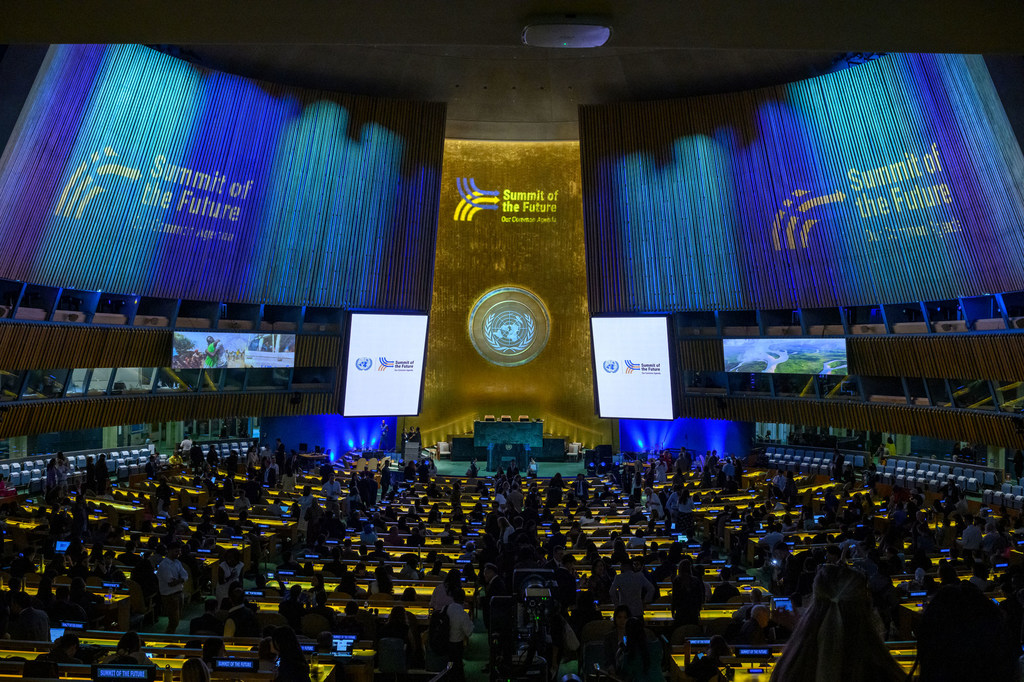
Participants gather for the opening of the Summit of the Future, with Youth Lead for the Future as the opening Action Day theme.
Human rights and sustainable development
The United Nations continues to be guided by the vision that human rights are a driving force for solutions to the many global challenges we face, and are the foundation for peace, justice and sustainable development. In 2024, the Organization advanced initiatives to eliminate violence against women and girls, empower rural and marginalized communities, and ensure women’s participation in peace and constitutional processes.
Human rights were also woven into responses to conflict, migration, climate change and digital governance, helping to strengthen protection, accountability and inclusion across the Organization’s work.
At the same time, sustainable development and climate action remained central. The UN supported 170 countries in implementing their nationally determined contributions to reduce emissions and provided targeted assistance for low-carbon transitions in developing States.
The Organization also pressed for reforms to the global financial system to close the widening SDG financing gap, ensuring that the most vulnerable countries have a fair chance to deliver on the promise of the 2030 Agenda.
A commitment to staff is a commitment to humanity
The Secretary-General highlighted the commitment of UN personnel working under extraordinary risk. He voiced alarm at the erosion of humanitarian norms, condemning deliberate attacks on civilians, hospitals, schools and aid workers, which undermine international law and the values of the UN Charter.
Despite record dangers, staff carried forward their mission with courage and resilience.
“The present report demonstrates that despite enormously trying times – indeed, precisely because of them – we can and must keep pushing for the better world that we know is within reach. We will renew our efforts to achieve peace, foster sustainable development and defend and uphold human rights, for all of humanity,” said Mr. Guterres.
Together, these strands embody the spirit of an Organization striving not only to confront today’s crises but to uphold rights, deliver development, and serve people everywhere with integrity and compassion.
The UN pushes with mission for a better world despite the world -contrary winds

The Secretary General’s annual report, published Thursday before the 80th session of the high -level annual session of the United Nations General Assembly, offers a sober but resolved account of the organization’s efforts in the face of mounting challenges.
Mr. Guterres underlined the resilience of the UN staff, committed to providing hope and helping those who need it despite the functioning in difficult circumstances. “This report shows that Despite extremely trying moments – in fact, precisely because of them – we can and must continue to push for the world better than we know at hand“He said.
With partners, the UN coordinated a call of $ 50 billion for the humanitarian needs of 198 million people. “In 2024, the United Nations helped to mobilize $ 25 billion from the funding target of $ 50 billion, allowing humanitarian assistance that saves lives to reach 116 million people in urgent needs in 77 countries and territories.”
This saved backup programs in the Horn of Africa, the Occupied Palestinian territory,, Sudan,, Ukraine,, Yemen and regions affected by natural disasters such as earthquakes in Vanuatu,, drought in South Africa and East And Floods in Southeast Asia.
At the same time, UN operations in 2024 have reached a heartbreaking human cost. It was the The deadliest year ever registered for United Nations personnel and humanitarian workersWith 373 humanitarian workers killed. The vast majority of these victims were staff of the United Nations Rescue and Work Agency for Palestinian Refugees in the Middle East (UNRWA), working in Gaza Under extreme and dangerous conditions.
By launching the report, the secretary general paid tribute to his sacrifice, reaffirming the unwavering commitment of the UN to stand with the most vulnerable in the world.
Children find the shadow and participate in recreational activities organized by UN staff in front of the buildings destroyed in the Gaza Strip.
Peace and security of the UN mission
Peace diplomacy has remained at the heart of the work of the organization in the midst of climbing world challenges to peace and security. Despite growing threats, UN diplomatic efforts have continued to protect hundreds of thousands of civilians daily and to advance peace processes.
During the political transition in SyriaThe UN has engaged the stakeholders online with Security advice Resolution 2254 – which in 2015 approved a roadmap for a peace process In the country – to defuse violence, protect civilians and prevent regional overflows.
Meanwhile, in the occupied Palestinian territory, notably Jerusalem-Est, Gaza and the West Bank and the wider region, the parties of all the parties have been closely engaged to end violence, improve humanitarian access and maintain aid to the affected populations.
In Lebanon, the UN supported de -escalation and a resumption of a cessation of hostilities in accordance with our mandate under the Security Council Resolution 1701allowing people to return home on both sides of the blue line.
The UN also facilitated peace talks, supported the efforts to build the state and contributed to protect civilians on a global scale, including Sudan. The organization’s efforts to help promote peaceful coexistence in Abyei experienced a drop in inter -municipal violence.
The Peace Construction Fund allocated more than $ 116 million to support national peace plans in 32 countries and territories, emphasizing gender equality. Partnerships with regional organizations, such as the African Union, have further strengthened conflict prevention.
A renewed vision for the future
2024 Future summit marked a historic turning point for multilateralism. World leaders have adopted the Pact for the futureA historic agreement to revitalize international cooperation and provide solutions for people and the planet.
The Pact calls for stronger diplomacy and conflict prevention, global financial system reforms, urgent climate action and accelerated progress on the Sustainable development objectives (ODD). It also undertakes to a more representative and effective global governance, including the reforms of the Security Council and a greater voice for developing countries.
THE Global Digital Compact and the declaration on future generations have been adopted as annexes to the pactemphasizing its magnitude and ambition. The compact advances a vision of a safe, open and inclusive digital future, by initiating member states to close digital divisions, to promote universal digital public infrastructure and to strengthen data governance and artificial intelligence.
The declaration, on the other hand, represents the first global agreement to systematically explain the rights and interests of the citizens of tomorrow in today’s decisions, integrating providents in the development of policies and paving the way for long -term sustainable action.
Together, these results constitute the foundation of a generational renewal of multilateralism. As the Secretary General Guterres pointed out: “By attacking the urgent problems of our time, the United Nations paves the way for a more equitable and lasting future, ensuring that digital technologies are exploited for the benefit of all humanity.“”
Participants meet for the opening of the summit of the future, with young people for the future as theme of the opening day of action.
Human rights and sustainable development
The United Nations continue to be guided by the vision that human rights are an engine of solutions with many global challenges that we face and are the foundation of peace, justice and sustainable development. In 2024, the organization has advanced initiatives to eliminate violence against women and girls, empowering rural and marginalized communities and ensuring women’s participation in peace and constitutional processes.
Human rights have also been woven in the responses to conflicts, migration, climate change and digital governance, helping to strengthen protection, responsibility and inclusion through the work of the organization.
At the same time, sustainable development and climate action remained central. The UN has supported 170 countries in the implementation of their contributions determined to reduce emissions and provided targeted assistance for low carbon transitions in developing states.
The organization also put pressure on global financial system reforms to close the Expanding the ODD financing gapensuring that the most vulnerable countries have a fair chance of keeping the promise of 2030 agenda.
A commitment to staff is a commitment to humanity
The secretary general underlined the commitment of the UN staff working in extraordinary risk. He expressed his alarm to the erosion of humanitarian standards, condemning deliberate attacks on civilians, hospitals, schools and humanitarian workers, which undermines international law and the values of the Charter of the United Nations.
Despite record dangers, the staff continued their mission with courage and resilience.
“This report shows that despite the extremely trying moments – indeed, precisely because of them – we can and must continue to put pressure on the world better than we know at hand. We will renew our efforts to achieve peace, promote sustainable development and defend and maintain human rights, for all humanitySaid Mr. Guterres.
Together, these strands embody the minds of an organization which endeavors not only to face the crises of today, but to maintain the rights, to provide development and to serve people everywhere with integrity and compassion.
Originally published at Almouwatin.com
UN hails Colombia’s first convictions under transitional justice measures as ‘crucial milestone’

“After decades of atrocity upon atrocity, these convictions represent a fundamental step in the fight against impunity in Colombia and in fulfilling the rights of victims to truth and justice,” he said.
The Special Jurisdiction for Peace (SJP), established under the 2016 Peace Agreement between the Government and FARC rebels, the Revolutionary Armed Forces of Colombia, issued the sentences based on restorative justice on Tuesday.
Seven former FARC leaders were convicted of war crimes and crimes against humanity linked to more than 20,000 kidnappings, torture, sexual violence and enforced disappearances.
The tribunal allows defendants to either deny their crimes or acknowledge them through a “recognition route.”
All seven chose the latter, committing to participate in restorative activities including humanitarian demining, assisting in the search for missing persons and contributing to memorialization projects.
These measures aim to amplify truth-telling, ensure accountability, and provide redress to victims.
The “recognition route” also means that instead of serving custodial sentences in prison, they face restrictions on their movement.
Ball in the Government’s court
“It is now up to the Government to take action so the legal, budgetary, security and administrative conditions are in place to ensure that the ensuing penalties are effectively enforced and that accountability is fully embedded in the system,” said Mr. Türk.
UN Secretary-General António Guterres also welcomed the rulings, noting that they represent a key step forward.
In a statement issued by his Spokesperson, the UN chief emphasised that the sentences should be fully implemented and that Colombian authorities ensure all conditions are in place for compliance.
“The United Nations, including through the UN Verification Mission [in the country], remains firmly committed to supporting Colombia in its pursuit of lasting peace, justice and reconciliation,” said Stéphane Dujarric.
Landmark first step
The SJP rulings mark only the first stage of a broader accountability process. Later this week, the court is expected to issue its first sentences for former members of the security forces.
These rulings address serious human rights violations, including “murders and enforced disappearances of civilians by state agents, falsely presented as casualties resulting from combat,” according to the UN human rights office, OHCHR.
A long road ahead
While the convictions were hailed as a milestone, UN officials caution that challenges remain.
Armed conflicts continue to affect parts of the country, and human rights violations – including killings of rights defenders, child recruitment by armed groups, and disproportionate impacts on minorities – remain a pressing concern.
“Implementing peace accords is rarely a smooth or straightforward process; it often requires years of dedicated effort,” Mr. Türk said.
“These convictions highlight the progress made, but also the importance of continuing to prioritize the implementation of the 2016 Peace Accord to prevent further violations and suffering.”
UN support
OHCHR supported the creation of the SJP and continues to provide technical assistance for its investigations, ensuring that victims’ rights and participation remain central to the justice process.
Why Developing Discipline in Play Builds a Stronger Path to Victory
Sports betting feels exciting; a quick win makes anyone feel like a genius. The dream is to use
Ukraine braces for harsh winter as millions of people face cold and energy shortages
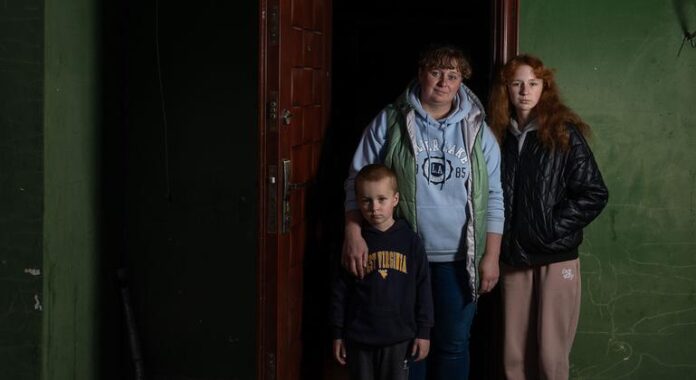
Since Russia launched a full-scale invasion of the eastern European country in 2022, crucial infrastructure has been destroyed or damaged and hundreds of thousands of people have been impacted by the ongoing fighting, creating an urgent need for humanitarian aid.
“Children and families already facing extreme daily stress are now forced to endure yet another winter during wartime,” said Munir Mammadzade, The UN Children’s Fund, UNICEF Representative to Ukraine.
According to UNICEF, Ukraine’s harsh winter conditions — often plunging to -20°C (-4°F) — together with the widespread destruction of housing, energy, and heating infrastructure, are making the cold season increasingly perilous for children.
Frontline communities
The areas most affected by cold during the winter are primarily concentrated in northern and eastern Ukraine.
These include regions along the frontline and the northern border, specifically Chernihivska, Dnipropetrovska, Donetska, Kharkivska, and Sumska.
Almost half of the families in Ukraine rely on centralized water supplied heated by gas or coal, however since 2022, local heating infrastructure has sustained nearly $2.5 billion in damage, reports the children’s relief agency.
To make matters worse, over the past three years, household poverty has risen by 15 per cent, now affecting over a third of Ukraine’s population, with children disproportionately impacted, around 70 per cent living in poverty.
UNICEF said the combination of rising poverty and harsh winter conditions significantly increases risks to children’s health and well-being, with one in five families reporting health problems linked to cold indoor temperatures.
Winter Response: lifesaving support
“We’re working with local partners to provide support to vulnerable families and to minimize the impact of the winter months by keeping essential services running to protect children’s lives,” added Mammadzade.
UNICEF Ukraine’s 2025-26 winter response plan focuses on the “efficacy of cash transfers” to households and schools, as well as the sustainable impact of local heating repairs and upgrades, including three core areas:
- Cash for winterization assistance targeting 272,000 people, including around 122,000 children, from vulnerable households in frontline areas and children with specific needs such as child protection concerns.
- Cash grants for 600 education facilities, covering some 250,000 students, to support winter-related expenditures.
- Equipment and emergency repairs to strengthen district heating systems and ensure sustainable heating for one million people, including 170,000 children.
Challenges ahead
Challenges remain regarding limited funding, inconsistent access to certain regions, widespread infrastructure destruction, and the unpredictability of hostilities.
UNICEF is seeking $65 million to support over one million people, as part of the broader 2025–2026 UN winter response plan, which requires $277.7 million to continue delivering aid to the most vulnerable.
Read more about how the UN is supporting Ukrainians during the winter: REACH 2025–2026 Cold Spot Risk Assessment
Defence investment: Council authorises negotiations with UK and Canada on their participation in SAFE

Defence investment: Council authorises negotiations with UK and Canada on their participation in SAFE.
Scientology Celebrates 45 Years of strong roots in Spain servicing Freedom, Faith and Social Betterment

KINGNEWSWIRE / Press Release / Madrid, September 18, 2025 – Today Scientologists celebrate the 45th anniversary of the first legal incorporation of the Church of Scientology in Spain. This milestone commemorates nearly half a century of devotion to spiritual values, cultural enrichment, and humanitarian work, reflecting the Church’s enduring presence and positive impact in Spanish society.
A Historical Journey Rooted in Spain
The story of Scientology in Spain stretches back more than seventy years, to a time when its founder, L. Ron Hubbard, first set foot on Spanish soil.
In 1953, Mr Hubbard traveled through Spain, exploring Sitges, the narrow streets of Sevilla, and the rugged beauty of the Canary Islands among others. These early visits were more than a passing journey; they were moments of quiet reflection and exchange, where he shared ideas and began laying the spiritual foundations that would one day flourish into a global movement.
By 1967, Mr Hubbard’s vision had taken on a bold new form, as reminded by Prof. Francisco Díez de Velasco in his glossary of religions, with the creation of the Sea Organization, a religious order dedicated to expanding Scientology’s reach worldwide. From the decks of ships such as the Enchanter and the legendary Apollo, Spain’s harbors became gateways of connection and cooperation.
Las Palmas, Valencia, Cádiz, Ibiza, and Tenerife were not just stops on a map but living stages for cultural exchange. The Sea Organization’s presence was marked by both its spiritual mission and vibrant cultural activities, including the music of the Apollo Stars, a band formed by crew members whose concerts built bridges of goodwill wherever they performed, as reported by European Scientology representative in a scholarly article for specialized book published by Dykinson.
These early years wove together threads of exploration, faith, and community—seeds that would grow into today’s established Church of Scientology in Spain.
From Legal Recognition to National Growth
As Scientology’s presence grew, a pivotal moment came in 1980, when the Church achieved its first formal legal incorporation in Spain, as the Civil Association of Dianetics, the early book that started it all in Scientology. This provided the clarity and structure needed to expand its mission, offering Scientologists a recognized platform to serve both their parishioners and the broader society.
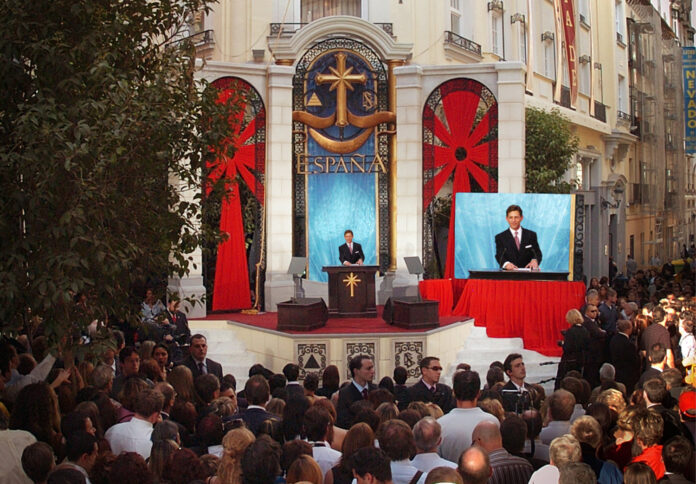
Over the following decades, the movement grew steadily, culminating in September 2004, when thousands gathered in central Madrid for the grand opening of the National Church of Scientology on Calle de Santa Catalina, a circa 5600 square meters, steps away from the Spanish Parliament, in testament to the openness and willingness of the church to do its part for a better society.
More than 6,000 attendees—including civic leaders, cultural figures, law enforcement, and members of the public—celebrated the opening of this striking facility, which became a beacon for spiritual life and humanitarian outreach.
At this historic event, Mr David Miscavige, ecclesiastical leader of the Scientology religion, addressed the congregation and the gathered crowd:
“Spain, and its people, held a very dear place in the heart of L. Ron Hubbard. If Spain was a land where our Founder lit a torch for freedom, it is also a land where you kept that torch alive.
Through the darkest days, overcoming insurmountable obstacles against overwhelming odds, you demonstrated in action the essence of these words of our Founder:
‘The old must give way to the new, falsehood must become exposed by truth, and truth, though fought, always in the end prevails.’”
This message of perseverance and truth continues to resonate as Scientology celebrates its 45-year legacy in Spain.
In 2011, the Church undertook a major renovation of its Madrid headquarters, expanding spaces for education, training, cultural events, and community gatherings. The renewed facility became a dynamic center dedicated to service, cooperation, and shared purpose.
Humanitarian Programs: Deepening Social Contribution
As the Church’s spiritual foundations strengthened, its commitment to social service and humanitarian action grew, as inherent in the Scientology teachings. What began as small, local initiatives evolved into a nationwide network of programs that bring education, relief, and hope to thousands.
Fighting Drug Abuse: Prevention and Rehabilitation
Drug abuse devastates families and communities. Through the Truth About Drugs campaign, Scientology volunteers travel across Spain distributing clear, factual materials about the dangers of drugs. In cities like Valencia, these outreach events have empowered young people and parents to make informed choices and break cycles of addiction before they start.
For those already struggling, the Church and its members support Narconon centers, which provide rehabilitation programs based on the methods developed by L. Ron Hubbard—helping individuals reclaim their lives and reintegrate into society.
Building Careers: Education, Literacy, and Ethical Values
Education is fundamental to progress. Through Applied Scholastics, teachers and parents receive tools to improve literacy and study techniques, helping students overcome barriers to learning.
In addition, El Camino a la Felicidad (The Way to Happiness)—a secular guidebook of 21 common-sense principles for ethical living—is widely distributed in schools, community centers, and correctional facilities, promoting values like honesty, respect, and integrity.
Championing Human Rights
Scientology places a strong emphasis on human rights education. Through Unidos por los Derechos Humanos (United for Human Rights), the Church sponsors workshops and public campaigns teaching the Universal Declaration of Human Rights. These efforts foster understanding, tolerance, and respect for diversity, reducing discrimination and social conflict.
Helping Hands: Charity and Community Support
Across Spain, Scientology volunteers engage in practical acts of compassion:
- Organizing food, clothing, and toy drives for families in need.
- Supporting blood donation campaigns for hospitals.
- Partnering with organizations like the Red Cross, the Army, and many others, to assist vulnerable groups, including children and the elderly.
These efforts reflect the Church’s ongoing mission to be a reliable source of help and kindness wherever it is most needed.
Recognition and Collaboration
In recent years, the Church of Scientology and its foundation—the Fundación para la Mejora de la Vida, la Cultura y la Sociedad (MEJORA)—have gained notable recognition for defending religious freedom and promoting pluralism.
Each year, the Religious Freedom Awards hosted at the Madrid headquarters bring together prominent jurists, academics, activists, and government officials. Attendees have included representatives from the Ministry of Justice, the Ministry of the Presidency, Law Enforcement, Embassies, NGOs, and leading universities across Spain.
At the 2024 ceremony, the Deputy Director General of Religious Freedom was among the high-profile participants, underscoring the importance of these events in strengthening Spain’s democratic values of coexistence, tolerance, and human dignity. Furthermore, the Church and its foundation collaborate with state institutions like the Fundación Pluralismo y Convivencia, which promotes religious diversity and interfaith dialogue. These partnerships reinforce Spain’s evolving commitment to a society where freedom of belief is respected and celebrated.
About the Church of Scientology Spain
The Church of Scientology Spain operates from its national headquarters in Madrid and through regional centers and community programs across the country.
Its foundation, MEJORA, holds Special Consultative Status with the United Nations ECOSOC and leads projects in human rights, education, ethics, and cultural advancement, engaging with European institutions and global initiatives.
As Scientology celebrates 45 years in Spain, the Church and its foundation reaffirm their dedication to fostering understanding, defending religious freedom, and improving the quality of life for individuals and communities. From its early beginnings to its nationwide network of humanitarian programs, it continues to serve as a beacon of hope and cooperation, working toward a future where compassion, education, and respect for diversity are the foundation of a thriving and peaceful society.
SCIErtology famous for 45 years of strong roots in Spain in the service of freedom, faith and social improvement
Kingnewswire / Press Communication / Madrid, September 18, 2025 – Today, Scientologists celebrate the 45th anniversary of the first legal constitution of the Church of Scientology in Spain. This important step commemorates almost half a century of dedication to spiritual values, cultural enrichment and humanitarian work, reflecting the sustainable presence and positive impact of the Church in Spanish society.
A historical journey anchored in Spain
The history of Scientology in Spain dates back more than seventy years, at the time when its founder, L. Ron Hubbardset foot for the first time on Spanish soil.
In 1953, Mr. Hubbard traveled through Spain, exploring Sitges in particular, the narrow streets of Seville and the wild beauty of the Canary Islands. These first visits were more than a simple trip; They were moments of reflection and quiet exchange, during which he shared his ideas and began to lay the spiritual bases which one day gave birth to a world movement.
In 1967, Mr. Hubbard’s vision had taken a daring new form, as the Professor Francisco Díez de Velasco recalls in his glossary of religionswith the creation of Sea Organizationa religious order dedicated to the expansion of Scientology worldwide. From ships of ships such as theEnchant and the legendary ApolloSpanish ports have become entry doors for connection and cooperation.
Las Palmas, Valence, Cadiz, Ibiza and Ténérife were not only stages on a map, but living scenes of cultural exchanges. The presence of the SEA Organization was marked both by its spiritual mission and by its dynamic cultural activities, in particular the music of Apollo Starsa group formed by crew members whose concerts made it possible to create bonds of good will wherever they occurred, as reported by the European representative of Scientology in a Scientific article published in a specialized book published by Dykinson.
These first years have forged links between exploration, faith and the community, seeds which were going to give birth to the Church of Scientology as it exists today in Spain.
From legal recognition to national growth
While the presence of Scientology developed, a pivotal moment occurred in 1980when the church obtained its first official legal constitution In Spain, as a civil association of Dianetics, the first book that sparked everything in Scientology. This brought the clarity and the structure necessary for the expansion of its mission, offering Scientologists a platform recognized to serve both their parishioners and society in general.
During the following decades, the movement has developed regularly, to peak in September 2004when thousands of people gathered in central Madrid for theInauguration of the National Church of Scientology On the Calle de Santa Catalina, a building of around 5,600 square meters, a few steps from the Spanish Parliament, testifying to the opening and the will of the church to contribute to a better society.
More than 6,000 participants, including civic leaders, cultural personalities, representatives of the police and public members, celebrated the inauguration of this remarkable building, which has become a lighthouse for spiritual life and humanitarian action.
During this historic event, M. David Miscavigeecclesiastical chief of the religion of Scientology, addressed to the Assembly and the gathered crowd:
“Spain and its people occupied a very expensive place in the heart of L. Ron Hubbard. If Spain is the country where our founder has lit the flame of freedom, it is also the country where you maintained this living flame.
During the darkest days, overcoming insurmountable obstacles against all odds, you have demonstrated by your actions the very essence of our founder’s words:
“The old must give way to the new, the lie must be unmasked by the truth, and the truth, even if it is fought, always ends up prevailing. »»
This message of perseverance and truth continues to resonate while Scientology celebrates its 45 years of existence in Spain.
In 2011the church undertook a major renovation From its headquarters to Madrid, enlarging the spaces intended for education, training, cultural events and community rallies. Renovated facilities have become a dynamic center dedicated to service, cooperation and a common objective.
Humanitarian programs: deepen the social contribution
As the spiritual foundations of the Church reinforced, its commitment to social service and humanitarian action has increased, as recommended by the teachings of Scientology. What started as small local initiatives has turned into a national network of programs that provide education, rescue and hope to thousands of people.
Fight against drug addiction: prevention and rehabilitation
The drug addiction destroys families and communities. As part of the campaign The truth about drugsScientology volunteers travel through Spain to distribute clear and factual documents on the dangers of drugs. In cities like Valence, these awareness -raising events allowed young people and parents to make informed choices and break the cycle of dependence before it begins.
For those who are already in difficulty, the Church and its members support the Narconon centerswhich offer rehabilitation programs based on the methods developed by L. Ron Hubbard, thus helping individuals to resume their life in hand and to reintegrate into society.
Build a career: education, literacy and ethical values
Education is fundamental for progress. Thanks to Applied Scholasticsteachers and parents receive tools to improve literacy and study techniques, thus helping students overcome the obstacles to learning.
Furthermore, El Camino A La Felicidad (The path of happiness), a secular guide containing 21 principles of common sense for an ethical life, is widely distributed in schools, community centers and penal establishments, in order to promote values such as honesty, respect and integrity.
Defend human rights
Scientology attaches great importance tohuman rights education. Through Unidos por los derechos Humanos (United for Human Rights))the church sponsors workshops and public campaigns aimed at teaching Universal Declaration of Human Rights. These efforts promote understanding, tolerance and respect for diversity, thus reducing discrimination and social conflicts.
A helpful hand: charity and community support
Throughout Spain, Scientology volunteers engage in concrete compassion actions:
- Organization of food, clothing and toys for families in need.
- Support for blood donation campaigns for hospitals.
- Partnership with organizations such as Red crossthe army and many others, to help vulnerable groups, especially children and the elderly.
These efforts reflect the permanent mission of the Church, which consists in being a reliable source of help and benevolence where this is most necessary.
Recognition and collaboration
In recent years, the Church of Scientology and its foundation, the Fundación para la Mejora de la Vida, the cultura y la sociedad (mejora)have acquired notable recognition for their defense of the religious freedom and their promotion of pluralism.
Each year, Religious Freedom Awards Organized at the Madrid headquarters bring together eminent lawyers, academics, activists and government officials. Among the participants were representatives of Ministry of Justiceof Ministry of Presidencypolice, embassies, NGOs and the main Spanish universities.
During the 2024 ceremony, the Deputy Director General of Religious Freedom was among high -level participants, stressing the importance of these events to strengthen Spanish democratic values of coexistence, tolerance and human dignity. In addition, the church and its foundation collaborate with public institutions such as the Fundación pluralismo y guestwhich promotes religious diversity and interconfessional dialogue. These partnerships strengthen the growing commitment of Spain in favor of a society where freedom of belief is respected and celebrated.
About the Church of Scientology of Spain
The Church of Scientology of Spain operates from its national headquarters in Madrid and through regional centers and community programs across the country.
Its foundation, Mejorabenefits from a special advisory status to the United Nations Economic and Social Council And leads projects in the fields of human rights, education, ethics and cultural progress, in collaboration with European institutions and global initiatives.
While Scientology celebrates its 45th anniversary in Spain, the Church and its foundation reaffirm their commitment to promote understanding, to defend religious freedom and to improve the quality of life of individuals and communities. From its beginnings to its national network of humanitarian programs, it continues to be a lighthouse of hope and cooperation, working for a future where compassion, education and respect for diversity are the foundations of a prosperous and peaceful society.
Originally published at Almouwatin.com
Press release – President Metsola in Kyiv reaffirms European Parliament’s continued support to Ukraine
European Parliament President Roberta Metsola met in Kyiv on 17 September President of Ukraine Volodymyr Zelenskyy and Rada Chairman Ruslan Stefanchuk, and addressed the Verkhovna Rada. Source : © European Union, 2025 – EP
