
European Council President António Costa met with the President of Bulgaria, Rumen Radev in Sofia. In his opening remarks, he highlighted the key role Bulgaria plays within the EU and praised the country for its recent achievements, namely the accession to Schengen area and the progress towards adopting the euro. Source link
Gaza: UN official warns of ‘assault on dignity’ as blockade cripples humanitarian response
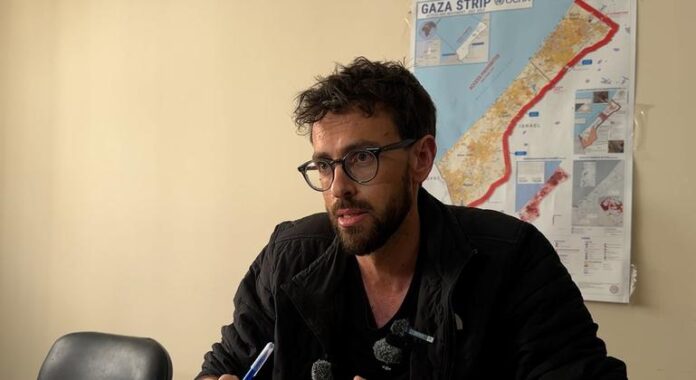
Speaking to journalists in Gaza City, Jonathan Whittall, local Head of Office for the UN aid coordination wing, OCHA, painted a dire picture of life under what he called a “total and complete blockade” now approaching its third month.
“The coming days in Gaza are going to be critical. Today people are not surviving in Gaza, those that aren’t being killed with bombs and bullets are slowly dying,” he said.
Whittall stressed that humanitarian agencies are unable to meet the soaring needs of civilians due to the collapse of supply lines. Hospitals are overwhelmed, but medicines and equipment are running out. People are going hungry, but food warehouses are empty and bakeries are closing. Clean water is desperately needed, but water wells are inaccessible.
He noted that solid waste is piling up in the streets with no equipment to remove it, and that rescue efforts after airstrikes are impossible without fuel and machinery. Displaced families are forced to live in rubble without shelter materials, and fishermen are being shot at sea, while humanitarian organisations lack the resources to assist them. “Nowhere in Gaza today is safe”, he said.
He added that children need to learn, but schools have been destroyed or are inaccessible, and that education supplies are not available. Prices of the remaining goods in Gaza continue to rise, but there is no cash available. There is no cooking gas or fuel, forcing families to burn trash to generate some energy.
A war ‘without any limits’
“This is not only about humanitarian needs, but it’s about dignity. There is an assault on people’s dignity in Gaza today,” he warned.
“We also know that humanitarian workers, first responders, you as journalists, should be protected, like all civilians, but we’re being killed in a war that appears to be fought without any limits,” he added.
Whittall emphasised that the situation in Gaza does not even resemble a war. “People in Gaza are telling me that they feel like it’s the deliberate dismantling of Palestinian life in plain sight, for all to see, documented every day by you as journalists,” he said.
He described the devastation witnessed daily — including children’s bodies thrown by explosions, families burnt alive, and colleagues killed — as part of what he termed “everyday atrocities.”
“As humanitarians we can see that aid is being weaponised through its denial,” he warned. “There’s no justification for the denial of humanitarian assistance. And humanitarian aid should never be weaponised.”
Despite the catastrophic conditions, he stressed that humanitarian organisations are continuing to operate where possible, but “we have less and less and less supplies and less and less capacity to be able to meet the growing and growing needs that are intensifying across Gaza.”
“Lives depend on the blockade being lifted, on aid being allowed to enter into Gaza, on the ceasefire being reinstated,” he said, calling for real accountability rather than waiting for history to judge the international community’s response.
Hunger and malnutrition surging
In a separate statement, OCHA warned of a “severe decline” in food availability across Gaza, as malnutrition rates escalate rapidly, particularly among children.
A UN partner organisation recently screened around 1,300 children in northern Gaza and identified over 80 cases of acute malnutrition, representing more than double the rate recorded in previous weeks.
“Nutrition partners report a critical shortage of supplies due to the obstruction of aid entry and challenges in transporting essential materials within Gaza,” OCHA said. Access to key facilities, including UNICEF’s main warehouse in Rafah, remains heavily restricted.
Journalists who visited the United Nations Relief and Works Agency for Palestine Refugees (UNRWA) main warehouses this week found them largely empty of food supplies, including flour.
Call for accountability and action
“Nothing can justify the collective punishment of the Palestinian people,” UNRWA said in a separate statement, stressing that international law prohibits indiscriminate attacks, the obstruction of humanitarian assistance, and the destruction of vital civilian infrastructure.
The agency reiterated its call for a renewed ceasefire, the dignified release of all hostages, and the immediate, unhindered flow of humanitarian aid and commercial goods into Gaza.
Myanmar: EU restrictive measures renewed until 30 April 2026

The Council has today prolonged EU restrictive measures in view of the situation in Myanmar for one year, until 30 April 2026.
Myanmar: EU restrictive measures renewed until 30 April 2026

The Council has today prolonged EU restrictive measures in view of the situation in Myanmar for one year, until 30 April 2026. Source link
Azerbaijan: Remarks by High Representative/Vice-President Kaja Kallas at the joint press conference with Minister for Foreign Affairs Bayramov
Azerbaijan: Remarks by High Representative/Vice-President Kaja Kallas at the joint press conference with Minister for Foreign Affairs Bayramov
Azerbaijan: Remarks by High Representative/Vice-President Kaja Kallas at the joint press conference with Minister for Foreign Affairs Bayramov
Azerbaijan: Remarks by High Representative/Vice-President Kaja Kallas at the joint press conference with Minister for Foreign Affairs Bayramov Source link
From border control to belonging: How host communities gain from empowering refugees
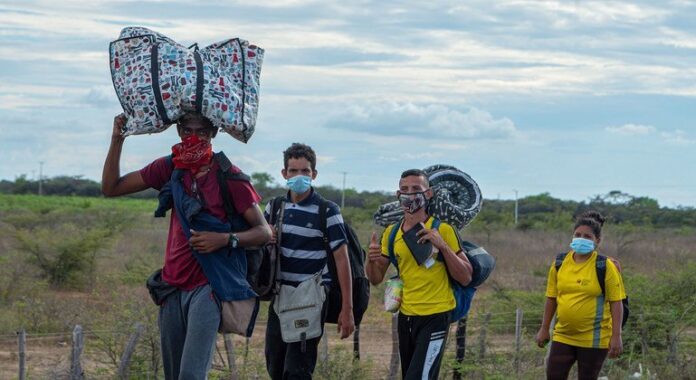
In 2024, 122 million people were forcibly displaced — a number expected to rise in the coming years, according to Bob Rae, President of the UN Economic and Social Council (ECOSOC), addressing a meeting on the pressing issue in New York on Thursday.
As population movements become much more complex due to wars disproportionately impacting civilians, climate disasters, hunger and poverty, 70 per cent of refugees live in low to middle-income countries.
Refugee rights
International responses to refugee flows are becoming increasingly politicised, especially as aid is decreasing.
Rather than focusing on addressing the root causes of such crises, the Global North has focused on border management and the control of refugee flows, “often at the expense of the rights of people on the move,” Filippo Grandi, Head of the UN refugee agency (UNHCR) told the ECOSOC gathering.
According to Mr. Grandi, although border management is an important aspect of national government response to the refugee crisis, the emphasis should rather be on making refugees feel more integrated within host communities.
Inclusion of refugees translates to freedom of movement, access to basic services such as healthcare, education, work opportunities, and valid documentation that allows them to work and contribute.
Representatives from Colombia and Mauritania joined a meeting convened by Mr. Rae to talk about better ways to help refugees and the communities that host them, while also finding long-term solutions to the forced displacement crisis.
Both Colombia and Mauritania have welcomed thousands of refugees into their countries, and outlined the positive impact refugees have had on their countries.
Temporary Protection Status in Colombia
In 2021, Colombia adopted a Temporary Protection Status (TPS) programme for Venezuelan refugees.
Today, 2.5 million Venezuelans in Colombia have valid documentation, which provides them access to public services, legal employment, and education.
TPS has not only allowed them to regain dignity and security, but it has also helped Colombia regulate refugee flows.
Human rights at the fore in Mauritania
For over a decade, Mauritania has been hosting large numbers of refugees, most of them from neighbouring Mali.
Committed to upholding the human rights of both refugees and host communities, Mauritania recognises refugees as citizens, providing them with the right to education, healthcare, employment, and legal protection.
Mauritania is working to improve refugee livelihoods while simultaneously enhancing the capacity of host communities by emphasising the role refugees have in local development.
By investing in the resilience of host communities and social cohesion, Mauritania ensures both refugees and host communities live in dignity.
EIB extends over €525 million to Poland’s top utility PGE for renewable energy production

- European Investment Bank and PGE Polska Grupa Energetyczna seal new financing agreement worth PLN 2.25 billion (over €525 million).
- EIB loan will support Poland’s energy transition, helping strengthen economic competitiveness and security.
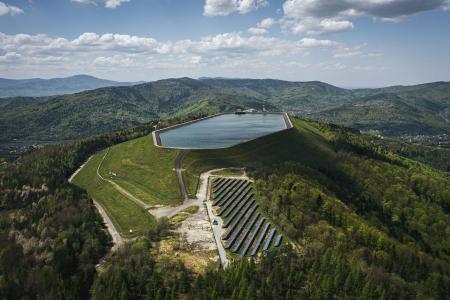
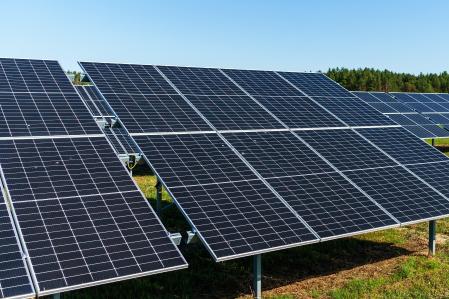
The European Investment Bank (EIB) granted PLN 2.25 billion to Poland’s top utility PGE Polska Grupa Energetyczna (PGE) to support renewable energy production. The favourable loan will allow PGE to develop its network of photovoltaic installations throughout the country and to modernise an existing pumped-storage power plant.
The seventh agreement between the EIB and PGE will support the firm’s decarbonisation strategy by enabling planned investments in photovoltaic installations with a shared production capacity of nearly 730 MW, and the upgrade of a pumped-storage power plant (540 MW) in southern Poland. Provided under REPowerEU, the funding will support energy transition, as well as climate and environmental action in Poland, in line with the EIB’s role as the climate bank of the EU.
“Developing green energy is a key part of energy transition, and a precondition for security and economic competitiveness. This agreement between the EIB and PGE will increase the available renewable energy capacity, supporting strategic development needs of Poland and the European Union as a whole,” said EIB Vice-President Teresa Czerwińska. “Providing financing for climate projects and energy transition is one of the EIB’s top priorities. Last year, we invested €2.5 billion in this area in Poland alone, including €850 million in power grid projects. This year, we have already provided a leading contribution to the construction a major offshore wind farm, Baltica 2, and today are adding further PGE renewable energy projects to our portfolio.”
The planned investments will help reduce greenhouse gas emissions and air pollution related to power generation based on fossil fuels. They will mainly be located in regions of Poland where GDP per capita is below the EU average, thus strengthening territorial and economic cohesion.
The development of renewable energy sources like wind and solar requires increased grid flexibility, including storage capacity, which is made possible by pumped-storage hydropower plants. PGE’s Porąbka-Żar plant, the second-largest pumped-storage power plant in Poland, can store clean energy during periods of higher production or lower demand.
“Expanding renewables is a crucial element of Poland’s energy transition. We need to ensure stable supplies of clean energy to consumers in order to be able to effectively decarbonise the energy sector. The European Investment Bank’s support will allow PGE Group to increase the share of green energy in our mix,” said Dariusz Marzec, President of the Management Board of PGE Group.
Background information
The European Investment Bank (ElB) is the long-term lending institution of the European Union, owned by its Member States. Built around eight core priorities, we finance investments that contribute to EU policy objectives by bolstering climate action and the environment, digitalisation and technological innovation, security and defence, cohesion, agriculture and bioeconomy, social infrastructure, the capital markets union, and a stronger Europe in a more peaceful and prosperous world.
The EIB Group, which also includes the European Investment Fund (EIF), signed nearly €89 billion in new financing for over 900 high-impact projects in 2024, boosting Europe’s competitiveness and security. The Group’s financing in Poland increased to €5.7 billion last year.
All projects financed by the EIB Group are in line with the Paris Climate Agreement, as pledged in our Climate Bank Roadmap. Almost 60% of the EIB Group’s annual financing supports projects directly contributing to climate change mitigation, adaptation, and a healthier environment.
Fostering market integration and mobilising investment, the Group supported a record of over €100 billion in new investment for Europe’s energy security in 2024 and mobilised €110 billion in growth capital for startups, scale-ups and European pioneers. Approximately half of the EIB’s financing within the European Union is directed towards cohesion regions, where per capita income is lower than the EU average.
PGE Polska Grupa Energetyczna is the largest electric power company and supplier of electricity and heat in Poland. By combining its fuel and power generation resources with distribution networks, PGE guarantees safe and stable supply of electricity and heat to nearly 6 million customers. The Group’s generating units produce over 40 percent of electricity in Poland. In the coming years, PGE plans to continue developing renewable energy sources – especially based on wind and sun energy – as well as carrying out investments in energy storage, distribution and decarbonisation of the heat generation segment. The PGE Group investment plan covers Poland’s largest offshore wind projects, the most advanced of which – Baltica 2 with a capacity of 1.5 GW and planned commissioning date in 2027 – is being implemented in cooperation with Ørsted.

EIB extends over €525 million to Poland’s top utility PGE for renewable energy production
©EIB
Download original
EIB extends over €525 million to Poland’s top utility PGE for renewable energy production
©EIB
Download original
EIB extends over €525 million to Poland’s top utility PGE for renewable energy production
©EIB
Download original
EIB extends over €525 million to Poland’s top utility PGE for renewable energy production

- European Investment Bank and PGE Polska Grupa Energetyczna seal new financing agreement worth PLN 2.25 billion (over €525 million).
- EIB loan will support Poland’s energy transition, helping strengthen economic competitiveness and security.
The European Investment Bank (EIB) granted PLN 2.25 billion to Poland’s top utility PGE Polska Grupa Energetyczna (PGE) to support renewable energy production. The favourable loan will allow PGE to develop its network of photovoltaic installations throughout the country and to modernise an existing pumped-storage power plant.
The seventh agreement between the EIB and PGE will support the firm’s decarbonisation strategy by enabling planned investments in photovoltaic installations with a shared production capacity of nearly 730 MW, and the upgrade of a pumped-storage power plant (540 MW) in southern Poland. Provided under REPowerEU, the funding will support energy transition, as well as climate and environmental action in Poland, in line with the EIB’s role as the climate bank of the EU.
“Developing green energy is a key part of energy transition, and a precondition for security and economic competitiveness. This agreement between the EIB and PGE will increase the available renewable energy capacity, supporting strategic development needs of Poland and the European Union as a whole,” said EIB Vice-President Teresa Czerwińska. “Providing financing for climate projects and energy transition is one of the EIB’s top priorities. Last year, we invested €2.5 billion in this area in Poland alone, including €850 million in power grid projects. This year, we have already provided a leading contribution to the construction a major offshore wind farm, Baltica 2, and today are adding further PGE renewable energy projects to our portfolio.”
The planned investments will help reduce greenhouse gas emissions and air pollution related to power generation based on fossil fuels. They will mainly be located in regions of Poland where GDP per capita is below the EU average, thus strengthening territorial and economic cohesion.
The development of renewable energy sources like wind and solar requires increased grid flexibility, including storage capacity, which is made possible by pumped-storage hydropower plants. PGE’s Porąbka-Żar plant, the second-largest pumped-storage power plant in Poland, can store clean energy during periods of higher production or lower demand.
“Expanding renewables is a crucial element of Poland’s energy transition. We need to ensure stable supplies of clean energy to consumers in order to be able to effectively decarbonise the energy sector. The European Investment Bank’s support will allow PGE Group to increase the share of green energy in our mix,” said Dariusz Marzec, President of the Management Board of PGE Group.
Background information
The European Investment Bank (ElB) is the long-term lending institution of the European Union, owned by its Member States. Built around eight core priorities, we finance investments that contribute to EU policy objectives by bolstering climate action and the environment, digitalisation and technological innovation, security and defence, cohesion, agriculture and bioeconomy, social infrastructure, the capital markets union, and a stronger Europe in a more peaceful and prosperous world.
The EIB Group, which also includes the European Investment Fund (EIF), signed nearly €89 billion in new financing for over 900 high-impact projects in 2024, boosting Europe’s competitiveness and security. The Group’s financing in Poland increased to €5.7 billion last year.
All projects financed by the EIB Group are in line with the Paris Climate Agreement, as pledged in our Climate Bank Roadmap. Almost 60% of the EIB Group’s annual financing supports projects directly contributing to climate change mitigation, adaptation, and a healthier environment.
Fostering market integration and mobilising investment, the Group supported a record of over €100 billion in new investment for Europe’s energy security in 2024 and mobilised €110 billion in growth capital for startups, scale-ups and European pioneers. Approximately half of the EIB’s financing within the European Union is directed towards cohesion regions, where per capita income is lower than the EU average.
PGE Polska Grupa Energetyczna is the largest electric power company and supplier of electricity and heat in Poland. By combining its fuel and power generation resources with distribution networks, PGE guarantees safe and stable supply of electricity and heat to nearly 6 million customers. The Group’s generating units produce over 40 percent of electricity in Poland. In the coming years, PGE plans to continue developing renewable energy sources – especially based on wind and sun energy – as well as carrying out investments in energy storage, distribution and decarbonisation of the heat generation segment. The PGE Group investment plan covers Poland’s largest offshore wind projects, the most advanced of which – Baltica 2 with a capacity of 1.5 GW and planned commissioning date in 2027 – is being implemented in cooperation with Ørsted.
EIB extends over €525 million to Poland’s top utility PGE for renewable energy production
©EIB
Download original
EIB extends over €525 million to Poland’s top utility PGE for renewable energy production
©EIB
Download original
EIB extends over €525 million to Poland’s top utility PGE for renewable energy production
©EIB
Download original
Destitution and disease stalk Myanmar’s quake survivors
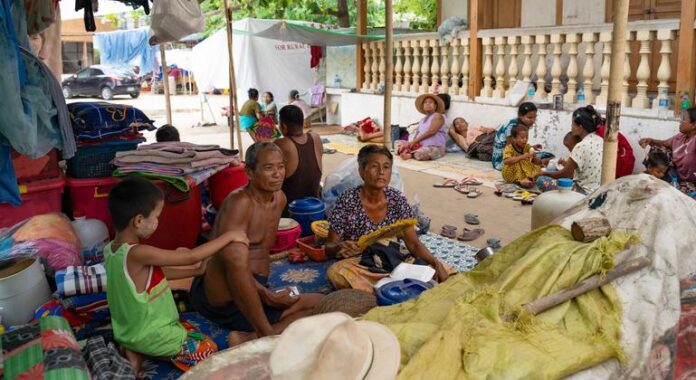
The UN World Health Organization (WHO) is just one of the UN agencies working to help the most vulnerable in worst-hit central areas, but much more help is needed.
“When it rains, they can’t sleep, and when the rain stops, they still can’t sleep because they feared the wind might have their only shelter away,” said Dr Thushara Fernando, WHO representative in Myanmar.
In an update from Yangon, the WHO medic warned that the risk of waterborne disease “is becoming a reality” for all those still living under plastic sheeting with stagnant water all around.
A cholera outbreak was already reported in Mandalay just a few months ago.
Survivors “feed their babies, they eat, they drink in their tents; they don’t have even a simple mosquito net to sleep under in the night,” Dr Fernando continued.
“Water sources are contaminated, temporary toilet facilities are overwhelmed, and acute watery diarrhoea has been reported in two areas,” he continued.
Two major earthquakes hit central Myanmar on 28 March killing at least 3,700 people. About 5,100 more were injured and 114 are still missing, according to WHO. The true toll is likely much higher because of underreporting.
Aftershocks continue
Survivors and aid teams have experienced more than 140 aftershocks – some as high as magnitude 5.9 – which have added to widespread trauma and impeded humanitarian assistance.
To help, the UN health agency has delivered around 170 tonnes of emergency medical supplies to help 450,000 people for three months.
WHO is also coordinating more than 220 emergency medical teams in earthquake affected areas and it has launched a targeted dengue prevention initiative in coordination with national and local partners.
This includes the distribution of about 4,500 rapid diagnostic test kits for frontline responders and hundreds of insecticide-treated nets to protect people in the hardest-hit areas, such as Mandalay.
The March 2025 earthquake caused widespread destruction Mandalay.
Critical moment
The WHO medic said that the agency continues to help deliver a range of services, albeit at a “very limited” scale. This includes trauma care, mental health and psychosocial support, along with maternal and child health services and non-communicable disease prevention.
“Without urgent, sustained funding, the risks of secondary health crises will erupt,” said Dr Fernando.
Echoing those concerns, the UN Children’s Fund (UNICEF) noted that early signs of acute watery diarrhoea “are already emerging” in worst-hit areas.
Access to food and essential services have been disrupted, causing worsening nutrition conditions, “especially for young children”, the UN agency’s Eliana Drakopoulos told UN News.
“With low immunization coverage and the monsoon approaching, the risk of preventable disease outbreaks is rising fast,” Ms. Drakopoulos added. “Urgent action is needed.”
