Monday, March 23, 2026
Home Blog Page 66

Sri Lanka cyclone: More than a million still need aid weeks after Ditwah floods

0
Sri Lanka cyclone: More than a million still need aid weeks after Ditwah floods

The cyclone made landfall on the island’s eastern coast on 28 November, triggering widespread flooding and deadly landslides across all 25 districts.

While some displaced families have begun returning home, recent heavy rains caused fresh flooding, landslides and road closures, particularly in the central districts of Kandy, Nuwara Eliya and Polonnaruwa.

According to UN assessments, nearly 1.8 million people – about 8 per cent of the island nation’s population – remain affected. Among them, more than 1.2 million people require humanitarian support, including nearly 527,000 children.

A joint rapid needs assessment led by national authorities and humanitarian partners confirmed extensive damage across all nine provinces, with severe disruption to essential services and heightened risks for women, children and persons with disabilities.

Hunger and food insecurity is rising, with reports that nearly one in three households is food insecure and many families resorting to “coping strategies” such as reducing meals.

Child protection needs and response in the aftermath of Cyclone Ditwah.

Children at heightened risk

The UN Children’s Fund (UNICEF) reports critical gaps in child protection, education, nutrition, as well as water, sanitation and hygiene (WASH) services. Many children remain displaced in overcrowded centres or with host families, where inadequate lighting, privacy and sanitation increase protection risks, including gender-based violence.

Education has been severely affected. More than 1,300 schools and six universities sustained damage, while around 500 schools continue to serve as temporary shelters.

Authorities have begun relocating students from damaged schools to nearby functioning ones, but humanitarians warn that temporary learning spaces will be needed in several areas to prevent prolonged disruptions to education.

Despite the challenges, UNICEF and partners have scaled up emergency assistance, reaching more than 76,000 people with WASH services, nearly 9,000 with nutrition support and over 5,600 with child protection services.

Displacement and destruction

The International Organization for Migration (IOM) estimates that over 272,000 people remain displaced, most staying with host communities, while others are sheltering in schools, religious buildings and community centres.

As of mid-December, authorities reported 643 deaths and 183 people still missing. More than 107,000 homes were damaged or destroyed, making shelter one of the most urgent needs.

IOM teams on the ground are delivering shelter and essential relief items to support communities affected by Cyclone Ditwah.

IOM teams on the ground are delivering shelter and essential relief items to support communities affected by Cyclone Ditwah.

Economic toll and food insecurity

The cyclone has dealt a heavy blow to livelihoods.

A rapid post-disaster assessment by the World Bank estimated damage at $4.1 billion – equivalent to 4 per cent of the country’s GDP.

Agriculture losses are estimated at over $800 million, with more than 58,000 hectares of paddy land flooded in eastern districts, threatening food production and incomes for smallholder farmers.

Funding gap threatens recovery

At the Government’s request, UN agencies and humanitarian partners launched a Humanitarian Priorities Plan this month, seeking $35.3 million to support the most vulnerable.

UNICEF alone requires $7.8 million to sustain its emergency response for children, but as of 23 December, less than half that amount had been received or pledged.

Humanitarian agencies warn that without sustained funding and continued support, recovery will be slow – particularly for children, whose education, safety and well-being remain at risk as Sri Lanka faces a long and difficult recovery.

Source link

EIT RawMaterials Backed Startup Fibrecoat Named to Time’s Best Inventions 2025

0
EIT RawMaterials Backed Startup Fibrecoat Named to Time’s Best Inventions 2025

From the university lab to TIME Magazine’s Best Inventions list, FibreCoat’s radar-absorbing material is reshaping Europe’s defence and aerospace sectors.

FibreCoat, supported by EIT RawMaterials in 2021, has been recognised by TIME Magazine as one of the Best Inventions of 2025. Its breakthrough Radar Absorbing Material (RAM) combines metal-coated fibres with plastics to create lightweight, customisable composites that can make aircraft and other objects undetectable by radar.

It’s a great honour to be part of that list. When I look at the other inventions featured, major innovations like Anthropic Claude Sonnet 4 and Nvidia DGX Spark, it feels incredible to see our name among them. As a small materials startup working in a niche field, this recognition gives us valuable visibility and might connect us with customers we hadn’t anticipated. It’s also a huge success for our team. Everyone feels proud and energised as we head toward the end of the year.

Robert Bruell, CEO and Co-founder of Fibrecoat

A story of persistence and reinvention

FibreCoat spun out from Aachen University, but its story began in 2014, when the idea emerged to make fibre-reinforced plastics more affordable by coating polymers onto glass fibres that could be directly processed into finished products. Together with co-founder Alexander Lüking, the team advanced the concept from a laboratory idea to pilot scale. By 2018, the technology was performing well, yet progress in the industry remained slow. After witnessing how companies often acquired university innovations only to shelve them rather than industrialise them, the founders decided to take matters into their own hands. In 2020, supported by Germany’s EXIST grant and joined by a third co-founder, Richard Haas, they officially launched FibreCoat.

The company’s journey soon faced major challenges. The COVID-19 pandemic halted polymer research as chemists were unable to work remotely, and key materials became increasingly difficult to source. This prompted FibreCoat to pivot toward metal coating. When the war in Ukraine drove energy prices sharply upward in Germany, the team swiftly moved production to Georgia. In 2023, FibreCoat secured its first major order, around 50 tonnes, and continued scaling. By the end of 2024, the company had raised an additional €20 million to expand its production capacity within the defence sector. Today, FibreCoat credits its growth to a strong, adaptable team and what the founders describe as a form of “smart naivety”: a firm belief in their mission, paired with the willingness to listen and adapt as the world evolves.

The support of EIT RawMaterials Booster Programme

In 2021, the company was in a foggy phase. The support from EIT RawMaterials helped bridge a dry period between investments and provided the opportunity to explore new markets and networks. The materials sector is a small, tight-knit community, and having access to it proved invaluable.

As a first-time founder, the team often received advice from incubators designed for software or consumer startups, which did not always apply to the materials industry. Unlike software, where scaling to thousands of users is key, the materials world focuses on working with a limited number of customers initially and producing materials by the tonne. EIT RawMaterials played a crucial role by connecting the company with investors who understand deep tech and materials, offering valuable feedback, and helping navigate the unique challenges of fundraising in this sector.

FibreCoat’s Radar-Absorbing Material

FibreCoat’s radar-absorbing materials are designed to shield fighter jets, drones, and satellites from radar detection. Unlike traditional solutions, which often rely on bulky foams or paints that degrade over time and require frequent reapplication, FibreCoat’s technology offers a more sustainable and cost-effective alternative. By combining coated fibres with plastics, the company produces lightweight, high-performance plates capable of absorbing a much broader range of radar frequencies than conventional materials. The design can be fully customised according to the specific application, radar type, or radiation requirements, providing tailored protection for advanced defence and space systems.

Driving Europe’s Raw Material Independence

FibreCoat is helping to reduce Europe’s dependency on imported raw materials by developing high-performance solutions tailored to the defence and space sectors. Its AluCoat product, for example, combines the strength of glass with the conductivity of aluminium to create advanced materials from resources available in Europe. By building its own production lines, FibreCoat enables local manufacturing for partners, ensuring control over production and protection from global supply chain disruptions.

Looking ahead, the company is expanding its product portfolio for defence, including projects supporting NATO and Ukraine, while also advancing in the space sector with radiation-absorbing materials set to fly on a satellite next year. Through strategic scaling and innovation, FibreCoat aims to bring more European-made materials to both defence and civilian markets.

Discover more about FibreCoat’s Journey

Source link

Civil war in Sudan: the health system “on the verge of collapse”

0

The UN agency has revealed shocking figures linked to attacks on health facilities in Sudan, highlighting that the country records the highest percentage of deaths in the world linked to attacks on the health sector, in blatant violation of international humanitarian law.

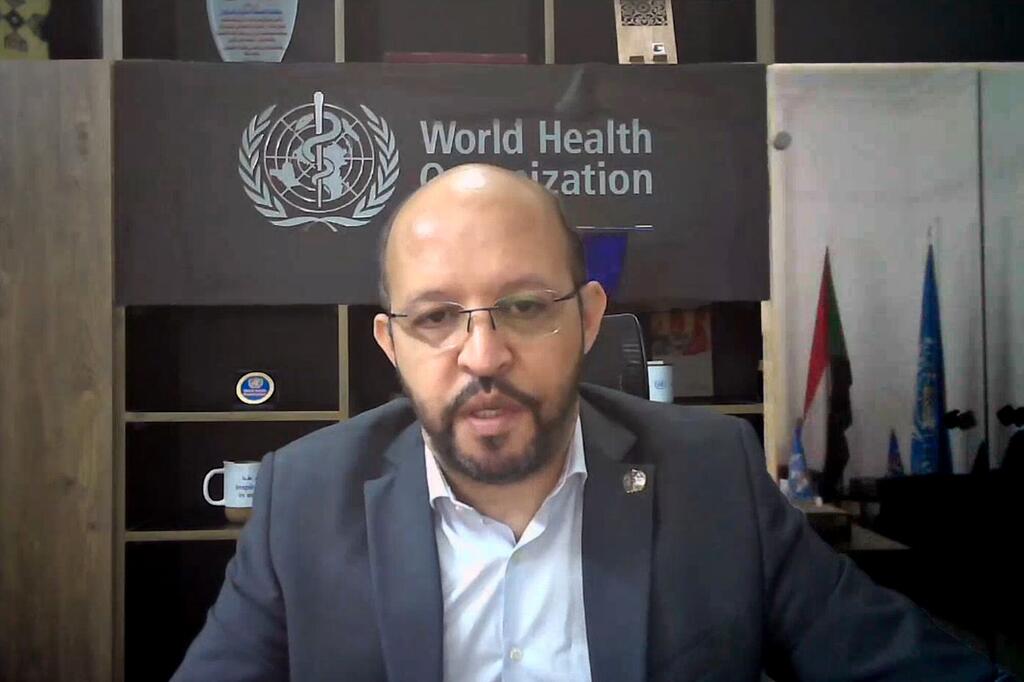
In a conversation with Abdelmonem Makki from UN NewsShible Sahbani, WHO Representative in Sudan, explains the seriousness of the situation and how the organization is supporting the country’s health authorities and citizens.

Shible Sahbani: The war started in April 2023, which means that in a few days it will have lasted 1,000 days. During this period, the country was plunged into a rapidly deteriorating humanitarian situation, a security crisis, a displacement crisis, a famine-type crisis, but also a health crisis.

The climate and conditions in Sudan are conducive to the spread of malaria and dengue fever by mosquitoes. Outbreaks of vaccine-preventable diseases, such as measles and polio, are also currently being reported in many states.

Health facilities are under attack, there is a shortage of medicines and supplies, and a lack of financial and human resources to operate health services. This means that the system is on the verge of collapse.

Sudan was once considered the breadbasket of the entire region. Today, the country faces one of the most serious food crises in the world: more than 21 million people face high levels of acute malnutrition and food insecurity. Children under five and pregnant or breastfeeding women are particularly at risk: it is estimated that nearly 800,000 children under five will have suffered from severe acute malnutrition in 2025.

UN News: How is WHO supporting Sudanese health authorities?

Civil war in Sudan: the health system “on the verge of collapse”

Shible Sahbani: The World Health Organization (WHO) is responsible for coordinating the health response, in collaboration with the Ministry of Health and other partners. We provide expertise and technical support, as well as capacity building to respond to epidemics, malnutrition, non-communicable diseases and mental health needs. Since the start of the war, WHO has provided approximately 3,000 tons of medical supplies, worth approximately $33.3 million. We also provided cash assistance to health workers who were not receiving salaries, as well as fuel to generate electricity in health facilities.

UN Info: According to UNICEFVaccination rates in Sudan have fallen to their lowest level in 40 years and thousands of children have not received vaccine doses. What dangers does this pose for the children of Sudan?

Shible Sahbani: This reduction in vaccination coverage is one of the main reasons why vaccine-preventable diseases, such as measles, diphtheria and polio, are spreading across the country. Malnutrition and other health problems also make children less immune, putting their lives and futures at serious risk.

A health facility looted in Darfur (file, 2024)

UN News: Can we avoid a further worsening of the health crisis?

Shible Sahbani: We must view Sudan as a country that must recover as quickly as possible. Sudan is a large country with a high population density and has immediate needs. But we also need to strengthen the health system. In this regard, we are working with the government to develop a new strategy for rapid recovery and development and to build resilience.

The eastern part of the country remained stable and was not directly affected by the war. But the massive influx of displaced people from other states has placed a huge burden on health facilities.

The western part – particularly Kordofan and Darfur – is where populations are bombarded and face serious security problems and serious difficulties in accessing health services. The central region, which includes Al-Jazeera, Khartoum and Sennar, was hit hard by the war but is now accessible.

Originally published at Almouwatin.com

Development cooperation agreement marks new phase in UN-Iraq partnership

0

Thursday, the UN and Iraq sign a new agreement, the Sustainable Development Cooperation Framework for 2025 to 2029, to help the country progress towards its national goals, which are also reflected in the Sustainable development agenda for 2030 adopted by Member States in 2015.

The agreement comes before the closure of the United Nations Assistance Mission for Iraq (MANUI), which has been assisting the government on key policy issues for over two decades.

“The signing of the Framework Agreement constitutes a natural and honorable transition in relations between the United Nations and the Republic of Iraq,” declared MANUI Chief Mohamed Al Hassan. “This reflects an orderly and responsible transition from supporting political stability to the stage of consolidating the sustainable development partnership between Iraq and the organization. »

Listen to our interview with Mr. Al Hassan on the closure of UNAMI.

About the frame

In order to reach the 2030 Agendawhich also includes the 17 Sustainable Development Goals (SDGs), countries must not only work collectively, but also do their part at the national level.

Cooperation frameworks for sustainable development There are agreements between the UN and individual governments that give countries the tools to achieve these goals, from planning to implementation and monitoring.

The plan for Iraq focuses on four main strategic priorities that align with the country’s national development plan:

  1. Improved access to education, health and social services.
  2. Create opportunities for employment and economic growth.
  3. Protect the environment and fight climate change.
  4. Strengthen the rule of law and good governance.

How will we achieve this?

Implementation, monitoring and reporting of the UN-Iraq Development Framework will be guided by a steering committee co-chaired by the Iraqi Ministry of Planning and the UN Resident Coordinator who leads the country team.

Government institutions and UN agencies will come together to assess progress each year and ensure the framework remains on track.

Implementation will be supported by a dedicated fund, alongside a strategy to mobilize resources for the necessary financing.

Closure of the UN mission

MANUI was created in 2003 following the fall of Saddam Hussein and supported Iraq throughout the political transition, post-conflict recovery and fight against ISIL, also known as Daesh. The special political mission ends its mandate on December 31.

With the country now much more stable than it was twenty years ago, Iraq is striving to acquire greater autonomy.

“Iraq believes that it is ready to move to another phase, consolidating its sovereignty and territorial integrity,” Mr. Al Hassan said. said previously UN News. “I believe wholeheartedly that Iraq is ready for this.”

Originally published at Almouwatin.com

Syria: Guterres deplores deadly explosion at mosque in Homs

0

At least eight people were killed and 18 others injured in the explosion at the Ali Bin Abi Talib mosque – a place of worship for the minority Alawite community – in the Wadi al-Dahab neighborhood.

Syria has been on a path to political transition since the toppling of the Assad regime last December, but continues to face sectarian and other violence.

A group called Saraya Ansar al-Sunna claimed responsibility, according to media reports.

Call for justice

“The Secretary-General reiterates that attacks on civilians and places of worship are unacceptable. He emphasizes that those responsible must be identified and brought to justice,” he added. statement said.

It also “notes that the Syrian authorities have condemned the attack and reaffirmed the State’s commitment to fighting terrorism and holding its perpetrators accountable.”

The UN chief expressed his condolences to the families of those killed and wished the injured a speedy and full recovery, the statement concluded.

Originally published at Almouwatin.com

How climate change threatens human rights

0

The United Nations High Commissioner for Human Rights, Volker Türk, echoed this message in Geneva earlier this year and posed a question to the Human Rights Council:

“Are we taking the necessary measures to protect people from climate chaos, safeguard their future and manage natural resources in a way that respects human rights and the environment?

His answer was very simple: we are not doing enough.

In this regard, the impacts of climate change must be understood not only as a climate emergency, but also as a violation of human rights, said Professor Joyeeta Gupta. UN News recently

She is co-chair of the international scientific advisory body Earth Commission and one of the the UN high-level representatives for science, technology and innovation for the Sustainable Development Goals (SDGs).

Who suffers the most?

Professor Gupta said that the 1992 climate convention never quantified human harm.

She noted that when the Paris agreement was adopted in 2015, the global consensus settled on limiting warming to 2° Celsius, later recognizing 1.5° Celsius as a safer target.

But for small island states, even that was a compromise forced by the imbalance of power, and “for them, two degrees was not viable,” Professor Gupta said.

“Rising seas, saltwater intrusion and extreme storms threaten to wipe out entire nations. When rich countries demanded scientific proof, the Intergovernmental Panel on Climate Change (IPCC) was tasked with studying the difference between 1.5° Celsius and 2° Celsius,” she continued.

She said the results were clear: 1.5° Celsius is significantly less destructive but still dangerous.

In his own research published in NatureShe says one degree Celsius is the right limit, because beyond that point, the impacts of climate change violate the rights of more than 1% of the world’s population, or around 100 million people.

The tragedy, she stressed, is that the planet crossed one degree in 2017 and will likely exceed 1.5° Celsius by 2030.

She stressed that promises of cooling later in the century ignore irreversible damage, including melting glaciers, collapsing ecosystems and lost lives.

“If the Himalayan glaciers melt,” she said, “they will not come back. We will live with the consequences forever.”

How climate change threatens human rights

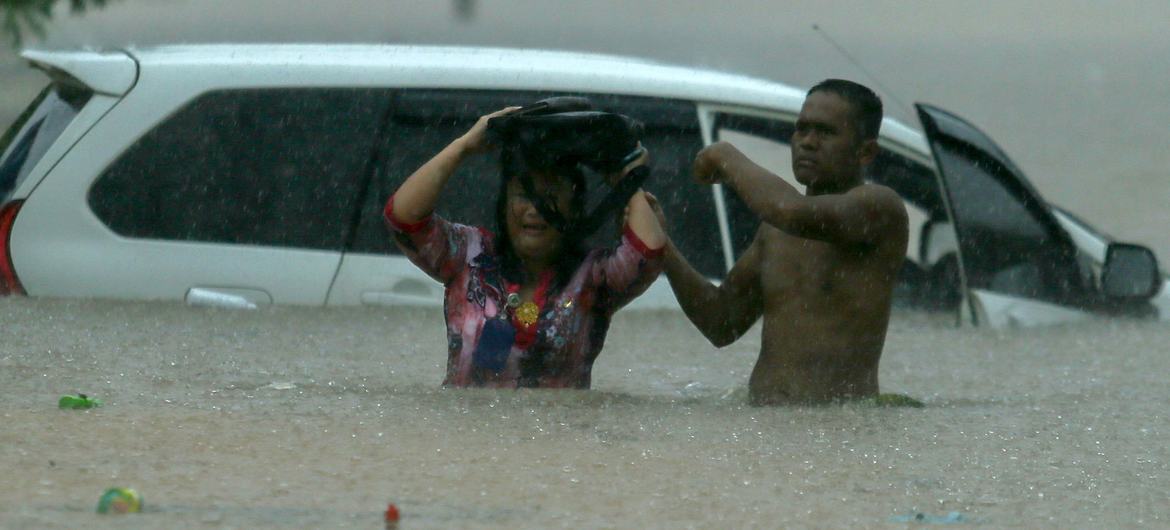
A man helps a woman after her car is stuck in waist-deep water. Globally, rainfall is more extreme due to the impacts of climate change.

A question of responsibility

Climate justice and development go hand in hand. Every fundamental right – from water and food to housing, mobility and electricity – requires energy.

“We believe that we can respond to the Sustainable Development Goals without changing the way the rich live. This does not work mathematically or ethically,” Professor Gupta explained.

His research shows that meeting basic human needs has a significant carbon footprint.

The research also highlights that since the planet has already exceeded safe limits, wealthy societies must reduce their emissions much more aggressively, not only to protect the climate, but also to create carbon space for others to assert their rights.

“Failure to do so turns inequalities into injustice. » she emphasized.

Climate change and displacement

Displacement is one of the most obvious effects of climate injustice. However, international law still does not recognize “climate refugees”.

Professor Gupta explains the progression clearly.

“Climate change first forces adaptation, for example by moving from water-intensive rice to drought-resistant crops. When adaptation fails, people absorb the losses: land, livelihoods, security. When survival itself becomes impossible, displacement begins,” she said.

“If the land becomes too dry to grow crops and there is no drinking water,” she said, “people are forced to leave.”

She added that most climate shifts today occur within countries or regions, not between continents.

“Moving is expensive, dangerous and often undesirable. The legal challenge is proving causation: did people leave because of climate change or because of other factors like poor governance or market failures?”

“This is where the science of attribution becomes crucial. New studies now compare decades of data to show when and how climate change alters precipitation, heat, health outcomes and extreme events. As this science advances, it may become possible to integrate climate displacement into international refugee law,” she noted.

“That,” she said, “will be the next step.” »

How climate change threatens human rights

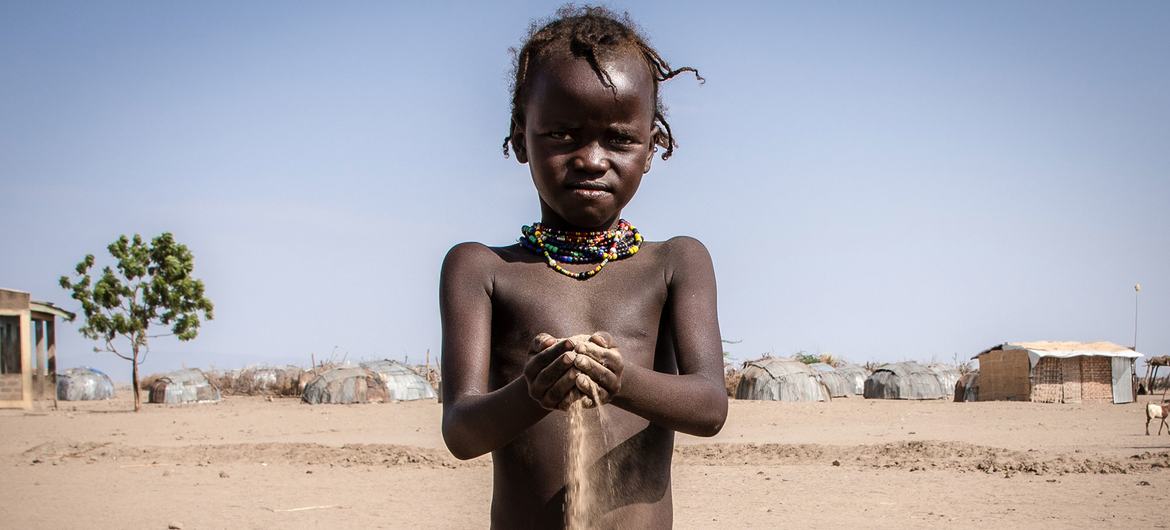
Africa’s children are among the most exposed to the impacts of climate change.

A broken legal framework

Professor Gupta said that addressing climate damage through human rights law is quite difficult due to the fragmented architecture of international law.

“This fragmentation allows states to compartmentalize responsibilities…They can say, ‘I accepted this here, but not there,’” she said.

“Environmental treaties, human rights conventions, trade agreements and investment regimes operate in parallel worlds. Countries can sign climate agreements without being bound by human rights treaties, or protect investors while ignoring environmental destruction,” she added.

She said this is why it is so difficult to invoke climate change as a global human rights violation. Until recently, climate damage was discussed in technical terms – parts per million of carbon dioxide, temperature targets, emission pathways – without explicitly asking: what does this do to humans?

Only recently has this started to change.

In a historic advisory opinion, the International Court of Justice (ICJ) clarified that climate change cannot be assessed in isolation. Courts and governments, the ICJ said, must consider climate obligations in conjunction with human rights and other environmental agreements.

For Professor Gupta, this legal change is long overdue but vital.

“He finally says to governments: we cannot talk about climate without talking about people.”

Climate change is transboundary

Assigning responsibility for climate change is exceptionally complex because its impacts cross borders, she said.

“For example, a Peruvian farmer sued a German company in a German court for damages caused by climate change. The court recognized that foreign plaintiffs can bring such suits, but proving the link between emissions and damages remains a major challenge. This case highlights the difficulties of holding states or companies accountable for cross-border climate-related human rights abuses,” she added.

Professor Gupta said the science of attribution helps link emissions to specific harms.

The ICJ has now affirmed that the continued use of fossil fuels may constitute an internationally wrongful act. States are responsible not only for their emissions, but also for regulating businesses within their borders.

“Different legal strategies are emerging, from lawsuits for corporate misrepresentations in the United States to France’s corporate vigilance law,” she added.

How climate change threatens human rights

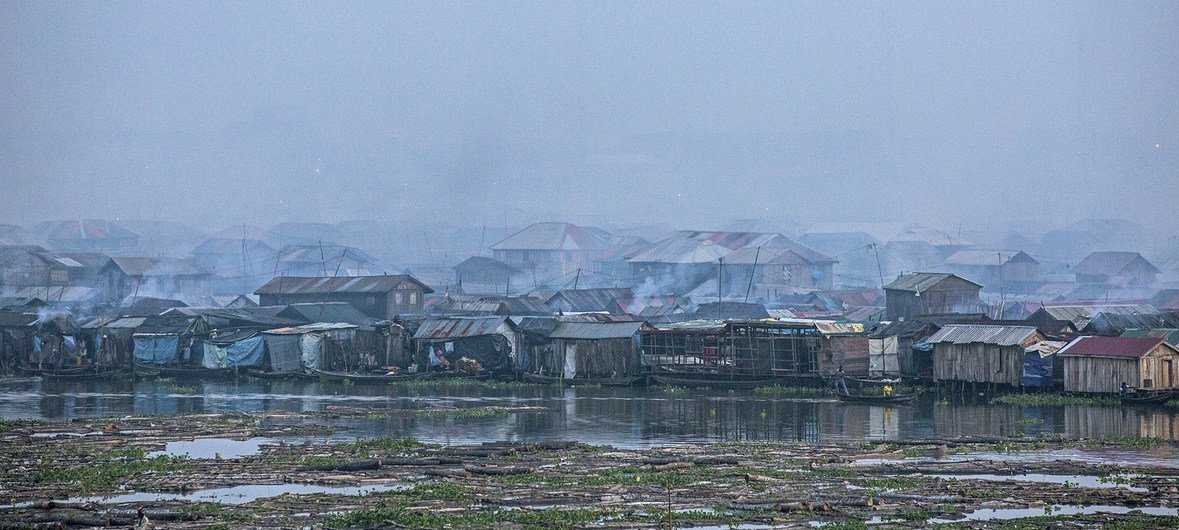
Vehicle emissions, diesel generators, biomass and waste burning have all contributed to poor air quality in Nigeria’s Lagos Lagoon. (2016 file)

Climate stability as a collective human right

Rather than considering climate as an individual right, Professor Gupta argues in favor of recognizing a collective right to a stable climate.

She explained that climate stability supports agriculture, water systems, supply chains and daily predictability, and that without it, society cannot function.

“Climate runs on water,” she said. “And water is at the heart of everything.”

Courts around the world are increasingly recognizing that climate instability infringes on existing human rights, even though climate itself is not yet codified as such.

This reflection is now echoed at the highest levels of the UN.

Erosion of fundamental rights

Speaking at the Human Rights Council in Geneva in June this year, UN High Commissioner Volker Türk warned that climate change was already eroding fundamental rights, particularly for the most vulnerable.

But he also presented climate action as an opportunity.

“Climate change can be a powerful lever for progress,” he said, if the world commits to a just transition away from environmentally destructive systems.

“What we need now,” he stressed, “is a roadmap to rethink our societies, our economies and our policies in an equitable and sustainable way.”

Political will, power and responsibility

“The erosion of multilateralism symbolized by the repeated withdrawals of the United States from Paris Agreement weakened global confidence. Meanwhile, 70 percent of the expansion of new fossil fuels is driven by four rich countries: the United States, Canada, Norway and Australia,” said Professor Gupta.

She argues that neoliberal ideology focused on markets, deregulation and individual freedom cannot solve a collective crisis.

“Climate change is a public good issue,” she said. “This requires rules, cooperation and strong states. »

Developing countries face a dilemma: wait for climate finance while emissions rise, or act independently and seek justice later. Waiting, she warns, is suicidal.

As the United Nations High Commissioner in Geneva concluded, a just transition must leave no one behind.

“If we fail to protect lives, health, jobs and the future,” Volker Türk warned, “we will reproduce the very injustices we claim to fight.”

Originally published at Almouwatin.com

Cyclone in Sri Lanka: more than a million people still need help weeks after Ditwah floods

0

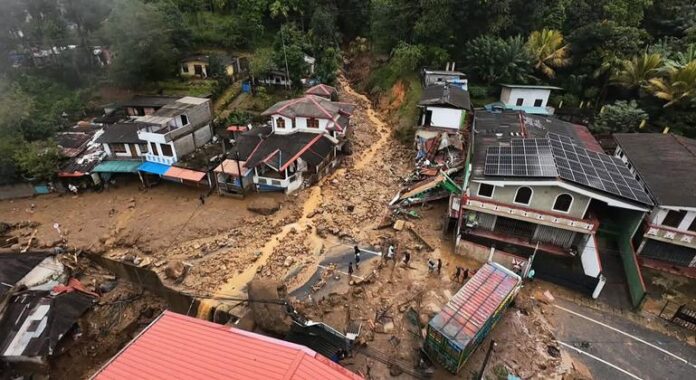
THE the cyclone made landfall on the east coast of the island on November 28, triggering widespread flooding and deadly landslides in all 25 districts.

While some displaced families have started to return home, recent heavy rains have caused further flooding, landslides and road closures, particularly in the central districts of Kandy, Nuwara Eliya and Polonnaruwa.

Nearly 1.8 million people – or around 8 percent of the island nation’s population – remain affected, according to UN assessments. Among them, more than 1.2 million people need humanitarian assistance, including nearly 527,000 children.

A joint rapid needs assessment carried out by national authorities and humanitarian partners confirmed significant damage in all nine provinces, with severe disruptions to essential services and increased risks for women, children and people with disabilities.

Hunger and food insecurity are increasing, with reports that nearly one in three households are food insecure and many families are resorting to “coping strategies” such as cutting back on meals.

Child protection needs and response following Cyclone Ditwah.

Children at increased risk

The United Nations Children’s Fund (UNICEF) reports critical gaps in child protection, education, nutrition, and water, sanitation, and hygiene (WASH) services. Many children remain displaced in overcrowded centers or with foster families, where inadequate lighting, privacy and sanitation increase protection risks, including gender-based violence.

Education has been seriously affected. More than 1,300 schools and six universities have been damaged, while around 500 schools continue to serve as temporary shelters.

Authorities have begun relocating students from damaged schools to functioning ones nearby, but humanitarians warn that temporary learning spaces will be needed in several areas to avoid prolonged disruptions to education.

Despite the challenges, UNICEF and its partners have scaled up their emergency assistance, reaching more than 76,000 people with WASH services, almost 9,000 with nutritional support and more than 5,600 with child protection services.

Displacement and destruction

The International Organization for Migration (IOM) estimates that more than 272,000 people remain displaced, with most remaining in host communities, while others are sheltering in schools, religious buildings and community centers.

As of mid-December, authorities reported 643 deaths and 183 people still missing. More than 107,000 homes were damaged or destroyed, making housing one of the most urgent needs.

Cyclone in Sri Lanka: more than a million people still need help weeks after Ditwah floods

IOM teams on the ground are providing shelter and relief items to support communities affected by Cyclone Ditwah.

Economic impact and food insecurity

The cyclone dealt a severe blow to livelihoods.

A rapid post-disaster assessment by the World Bank estimated the damage at $4.1 billion, equivalent to 4 percent of the country’s GDP.

Agricultural losses are estimated at more than $800 million, with more than 58,000 hectares of rice fields flooded in the eastern districts, threatening food production and incomes of smallholder farmers.

Financing gap threatens recovery

At the request of the government, United Nations agencies and humanitarian partners launched a Humanitarian Priorities Plan this month, seeking $35.3 million to support the most vulnerable.

UNICEF alone needs $7.8 million to support its emergency response for children, but as of December 23, less than half of that had been received or pledged.

Humanitarian agencies warn that without continued funding and support, recovery will be slow – particularly for children, whose education, safety and well-being remain at risk as Sri Lanka faces a long and difficult recovery.

Originally published at Almouwatin.com

Sudan civil war: Health system ‘on the verge of collapse’

0
Sudan civil war: Health system ‘on the verge of collapse’

The UN agency has revealed shocking figures related to attacks on healthcare facilities in Sudan, stressing that the country is recording the largest percentage of global deaths linked to the targeting of the health sector, in flagrant violation of international humanitarian law.

In a conversation with Abdelmonem Makki from UN News, Shible Sahbani, WHO Representative in Sudan, explains the severity of the situation, and how the organisation is supporting the health authorities and the country’s citizens.

Shible Sahbani: The war started in April 2023, which means that, in just a few days, it will have been going on for 1,000 days. In that time the country has been plunged into a rapidly deteriorating humanitarian situation, a security crisis, a displacement crisis, a famine-like crisis, but also a health crisis.

The weather and conditions in Sudan are conducive to the spread of malaria and dengue fever by mosquitoes. Outbreaks of vaccine-preventable diseases, such as measles and polio, are also being reported in many states right now.

Healthcare facilities are being attacked, there is a shortage of medicines and supplies, and a lack of financial and human resources to operate health services. This means that the system is on the verge of collapse.

Sudan was once considered to be the food basket of the entire region. Today, it is facing one of the most serious food crises in the world: more than 21 million people face high levels of acute malnutrition and food insecurity. Children under five years of age and pregnant or breastfeeding women are particularly at risk: we estimate that nearly 800,000 children under the age of five will have suffered severe acute malnutrition in 2025.

UN News: How is WHO supporting the Sudanese health authorities?

Shible Sahbani: The World Health Organization (WHO) is responsible for coordinating the health response, working with the Ministry of Health and other partners. We provide expertise and technical support, as well as capacity building to respond to disease outbreaks, malnutrition, non-communicable diseases, and mental health needs. Since the start of the war, WHO has provided about 3,000 metric tonnes of medical supplies worth about $33.3 million. We have also been providing cash support for healthcare employees who have not been receiving any salaries, and fuel to generate electricity at healthcare facilities.

UN News: According to UNICEF, vaccination rates in Sudan have fallen to their lowest level in 40 years, and thousands of children have missed out on vaccination doses. What dangers does this pose for the children of Sudan?

Shible Sahbani: This reduction in coverage is one of the main reasons that vaccine-preventable diseases such as measles, diphtheria and polio are spreading throughout the country. Malnutrition and other health conditions also make children less immune, putting their lives and futures at grave risk.

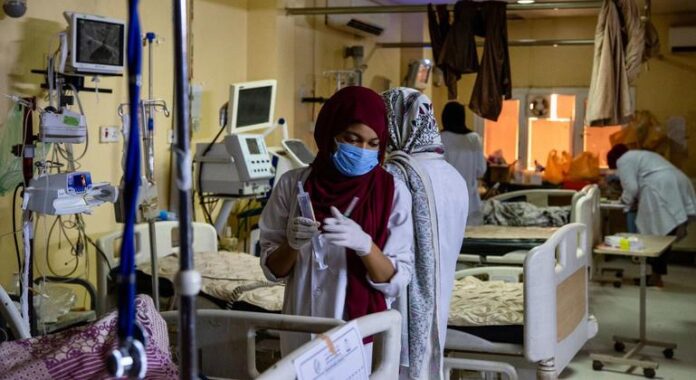
Looting and destruction forced the clinic to cease operations, with health-care staff instead delivering services straight to women and girls at their homes, where the security situation allowed.

A looted health care facility in Darfur (file, 2024)

UN News: Can a further deterioration of the health crisis be prevented?

Shible Sahbani: We have to think of Sudan as a country that needs to recover as quickly as possible. Sudan is a large country with a high population density, and they have immediate needs. But we also need to strengthen the health system. In this regard, we are working with the government to develop a new strategy for early recovery and development, and to strengthen resilience.

The eastern part of the country has remained stable and has not been directly affected by the war. But the massive influx of displaced people from other states has put a significant burden on health facilities.

The western part – especially Kordofan and Darfur – is where people are being bombed and facing serious security concerns and severe difficulty accessing health services. The central region, which includes Al-Jazira, Khartoum and Sennar, has been hit hard by the war, but is now accessible.

Source link

The 2025 EIT Innovation Awards Winners Announced

0
The 2025 EIT Innovation Awards Winners Announced

The EIT Awards highlight why Europe needs strong innovation ecosystems connecting education, research and business in an innovation ecosystem. These innovators show how entrepreneurship and collaboration can address real challenges that matter to citizens. We are committed to supporting this work and helping more talented Europeans turn their fledgling ideas into marketable solutions.

Antoaneta Angelova Krasteva, Director at the Directorate-General for Education, Youth, Sport and Culture of the European Commission

The innovators we celebrate today are outstanding examples of how European talent can turn strong ideas into impact. In Europe, we need more of that: solutions that improve our lives and help us to regain our ability to compete globally. I warmly congratulate the winners and all finalists for their achievements.

Martin Kern, EIT Director

Finalists in each of the three main prize categories competed for the top spot on the podium, with monetary prizes of €50 000 for first place, €30 000 for second, and €20 000 for third. The Public Award was presented separately as a recognition prize. 

The Changemaker Award winner is: Laura Laringe (Germany), nominated by InnoEnergy, for co-founding reLi Energy, which improves battery performance and lifespan through smart software. Second place went to Laurie Lancee (Netherlands) and third to Farnaz Baksh (Estonia).

The EIT Venture Award winner is ABLE Human Motion (Spain), nominated by EIT Health, for developing accessible, affordable motorised exoskeletons that support mobility and gait rehabilitation. Second place went to Sofi Alchemist (Finland) and third to Digiclean Solutions AB (Sweden). 

The EIT Jumpstarter Grand Finale  

The EIT Jumpstarter Grand Finale highlighted early-stage innovators from moderate and emerging innovation regions. Teams presented solutions developed through the programme’s training and mentoring, showcasing the diversity of ideas from Europe’s newest innovation communities. Finalists competed across seven categories – Healthcare, Food & Agritech, Energy & Renewables, New European Bauhaus, Raw Materials, Smart Cities & Mobility, and Rebuild Ukraine – with special awards recognising standout teams from the Western Balkans, the Mediterranean, and the EU outermost regions. Learn more about this year’s winners and finalists here 

Recognition of Ukrainian Women Driving Innovation  

The event also honoured Ukrainian women innovators through the EIT Red Kalyna Awards, recognising entrepreneurs, educators, researchers, and mentors who continue to drive innovation and support resilient communities despite Russia’s war of aggression against Ukraine. Their achievements underscore the strength of Ukraine’s innovation ecosystem and the need to support women leading change in times of crisis. Learn about this year’s winners here.

Strengthening European Cooperation  

The Awards took place during a full day of activities bringing together innovators, policymakers, investors, and partners from across Europe. The main stage featured opening remarks by Antoaneta Angelova Krasteva, Director of the European Commission’s Directorate-General for Education, Youth, Sport and Culture, Stefan Dobrev, Chairperson of the EIT Governing Board and László Bódis, Deputy State Secretary for Innovation, Hungarian Ministry of Innovation and Culture, the presentation of the newly designated EIT Water team, and live pitches from the nine EIT Awards finalists. The programme also included high-level debates on regional innovation and place-based growth, and a panel on why EIT-backed startups attract investment. A highlight of the day was the signing of a new Memorandum of Understanding between the EIT and the Government of Malta, strengthening cooperation and innovation capacity in the region. 

Europe’s Largest Innovation Network 

The EIT Community brings together more than 2 420 leading partners from business, research, and education, connected through over 70 hubs across Europe. It has supported more than 9 900 ventures and generated over 2 400 new products and services, with EIT-backed companies raising €9.5 billion in external investment. The EIT has also trained more than 1.3 million learners, while its startups have reached a combined valuation of €71 billion.

Source link

Test Farms Startups Call | EIT

0
Test Farms Startups Call | EIT

This call aims to attract startups that are ready to demonstrate the value of their technologies and scale their impact! Through Test Farms, selected startups will gain access to farmers, agronomists, testing sites, and visibility opportunities. EIT Food is looking for startups that want to:  Participate in real-world testing and validation of their agritech or […]

Source link