Monday, September 28, 2026
Home Blog Page 530

The Benefits Of A Plant-Based Diet

0
The Benefits Of A Plant-Based Diet

There’s a growing movement towards a plant-based diet, and many are discovering how this lifestyle choice can lead to significant changes in their health. By opting for fruits, vegetables, whole grains, and legumes, individuals often experience enhanced energy levels and better weight management. Moreover, studies suggest that a plant-based diet may reduce the risk of chronic diseases such as heart disease and diabetes. As they explore this green journey, people find themselves not only improving their well-being but also contributing positively to the environment.

Key Takeaways:

  • A plant-based diet can significantly lower the risk of chronic diseases such as heart disease, diabetes, and certain cancers.
  • Transitioning to a plant-based diet promotes weight management and can aid in weight loss due to its typically lower calorie density.
  • Incorporating more plant foods enhances nutritional intake, providing crucial vitamins, minerals, and antioxidants that support overall health.
  • A plant-based lifestyle can improve digestive health by increasing fiber consumption, which promotes gut health and regularity.
  • This diet contributes to environmental sustainability, reducing carbon footprints and the use of natural resources compared to animal-based diets.

Understanding Plant-Based Diets

A plant-based diet focuses on consuming foods derived from plants, including fruits, vegetables, grains, nuts, and seeds. This dietary approach emphasizes whole, minimally processed foods while reducing or eliminating animal products. By adopting such a lifestyle, individuals can experience numerous health benefits, including improved nutrition, weight management, and enhanced well-being.

Definition and Principles

Principles of a plant-based diet center around prioritizing plant-derived foods, minimizing animal products, and incorporating a variety of whole foods. It supports environmental sustainability and promotes health by encouraging nutrient-dense choices. By steering clear of processed foods and refined sugars, individuals can cultivate a healthier eating pattern.

Types of Plant-Based Diets

Around the world, there are various types of plant-based diets that cater to different preferences and lifestyles. Below is a table that outlines the most common types of plant-based diets along with their key features:

Type Description
Vegetarian Excludes meat, poultry, and fish
Vegan Excludes all animal products, including dairy and eggs
Pescatarian Includes fish and seafood but excludes meat and poultry
Flexitarian Primarily plant-based but occasionally includes meat
Raw Vegan Excludes all animal products and is composed of uncooked foods

Those exploring plant-based diets benefit immensely from understanding these categories. Each type offers flexibility and adaptability, allowing for a personalized approach that aligns with individual goals and preferences. Thou shall choose the diet that resonates best with their lifestyle and health aspirations.

Also, individuals might find that the following categories of plant-based diets fit their needs:

Type Benefits
Vegetarian Improved heart health, lower cholesterol
Vegan Reduces risk of chronic diseases, weight loss
Pescatarian Inclusion of omega-3 fatty acids, balanced nutrition
Flexitarian Provides dietary flexibility, encourages mindful eating
Raw Vegan Packed with enzymes, rich in vitamins

In their journey towards better health, individuals can find that embracing a plant-based diet not only elevates their nutrition but also contributes significantly to their overall wellness. Thou shall explore and experiment with these various types to discover the best fit for their lifestyle.

Health Benefits of a Plant-Based Diet

Assuming an individual adopts a plant-based diet, they may experience a range of health benefits that can enhance their overall well-being. This dietary choice is often linked to lower rates of chronic diseases, increased energy levels, and improved digestion. By focusing on whole foods, they can enrich their nutrient intake, support their immune system, and foster a healthier lifestyle.

Improved Heart Health

Below the surface, a plant-based diet plays a significant role in improving heart health. By consuming more fruits, vegetables, legumes, and whole grains, individuals can lower their cholesterol levels and reduce blood pressure, significantly decreasing the risk of heart disease.

Weight Management and Metabolism

Weight management becomes more attainable with a plant-based diet. This dietary approach emphasizes nutrient-dense, low-calorie foods that aid in maintaining a healthy weight. Individuals find it easier to manage their cravings and maintain a balanced metabolism, which leads to effective weight control.

Diet plays a pivotal role in maintaining a healthy weight and optimizing metabolism. *By incorporating high-fiber foods such as fruits, vegetables, and legumes, they can feel full with fewer calories, which supports weight loss efforts.* Additionally, a plant-based diet may enhance metabolic health, as it is rich in antioxidants and phytochemicals that support efficient energy use. Overall, embracing this lifestyle encourages sustainable weight management while promoting a vibrant, energetic life.

Nutritional Aspects

Your health can greatly benefit from the rich array of nutrients found in a plant-based diet. By focusing on whole foods such as fruits, vegetables, grains, nuts, and seeds, individuals can obtain vitamins, minerals, and antioxidants important for overall wellbeing. This diet often helps reduce the risk of chronic diseases while promoting a healthy weight and improved energy levels.

Essential Nutrients in Plant Foods

Nutrients such as protein, iron, calcium, and omega-3 fatty acids can be adequately sourced from plant foods. Legumes, nuts, and whole grains provide important amino acids, while dark leafy greens, fortified plant milks, and seeds offer vital minerals. A well-balanced plant-based diet ensures that individuals receive the vital nutrients necessary for health without the negative impacts associated with animal products.

Common Myths and Misconceptions

An array of misconceptions surrounds plant-based diets. Many believe that they are deprived of protein or important vitamins, leading to a fear of nutrient deficiencies. Others assume that maintaining a plant-based diet is overly difficult and expensive, which discourages individuals from making the switch.

And this apprehension is often fueled by misinformation prevalent in society. For instance, the idea that plant-based diets lack adequate protein is misleading; in fact, many plant foods are rich in protein, but people should pay attention to the variety in their diet to ensure they receive all necessary amino acids. Moreover, while there may be an initial investment in whole plant foods, they can often be more cost-effective in the long term compared to processed foods and animal products. A plant-based lifestyle can therefore be both sustainable and beneficial, dispelling these damaging myths.

Environmental Impact

After adopting a plant-based diet, individuals can significantly reduce their environmental footprint. This dietary shift not only helps combat climate change by lowering greenhouse gas emissions but also promotes biodiversity and protects ecosystems. By moving away from animal agriculture, they contribute to a more sustainable planet, lessening the demand for environmentally damaging farming practices.

Sustainability and Resource Conservation

Sustainability is at the core of a plant-based diet, as it requires fewer natural resources compared to meat production. By consuming plants, individuals support land conservation and reduce water usage, helping preserve vital ecosystems for future generations. This mindful approach encourages efficient use of agricultural resources and minimizes waste, aligning with broader goals for a healthier planet.

Reducing Carbon Footprint

An integral benefit of a plant-based diet is its ability to greatly reduce one’s carbon footprint. By choosing plant foods over animal products, individuals can decrease their greenhouse gas emissions, as meat production is one of the leading contributors to global warming. The cultivation of crops for plant-based diets typically results in lower emissions, thus promoting a more sustainable future.

The shift to a plant-based diet not only enhances personal health but also has a profound effect on the environment. The food industry is responsible for approximately 25% of global greenhouse gas emissions, with livestock production being a significant factor. Moreover, they can lower their carbon footprint by nearly 50% by eliminating animal products from their meals. In doing so, they are actively contributing to a reduction in fossil fuel consumption and GHG emissions, leading to a healthier climate for everyone.

Transitioning to a Plant-Based Diet

All individuals considering a shift to a plant-based diet will find that the transition can be both rewarding and manageable. Embracing this lifestyle requires a thoughtful approach, often involving gradual changes to their current eating habits. By incorporating more fruits, vegetables, whole grains, and legumes, one can enhance their health and discover new culinary delights.

Tips for New Adopters

By following a few straightforward strategies, new adopters can ease into a plant-based diet. They may consider:

  • Start with simple, familiar vegan recipes
  • Gradually replace animal products with plant-based options
  • Explore local markets for fresh produce
  • Join online communities for support and inspiration

Any approach that fosters enthusiasm and curiosity can significantly enhance the transition experience.

Meal Planning and Preparation

Transitioning to a plant-based diet can be greatly facilitated by effective meal planning and preparation. She should ensure her meals are balanced, featuring a variety of nutrient-dense foods that provide crucial vitamins and minerals. This process may include creating a weekly menu, selecting recipes that utilize seasonal ingredients, and prepping meals in advance. By doing so, she can avoid the pitfalls of last-minute decisions that often lead to unhealthy choices. The key is to stay organized, keep the pantry stocked with whole foods, and experiment with different cuisines. This organized approach allows for a smoother transition and can help them discover enjoyable plant-based meals that align with their health goals.

Personal Success Stories

Keep in mind that transitioning to a plant-based diet can lead to remarkable personal success stories. Many individuals have experienced life-changing transformations, finding not only physical health improvements but also enhanced mental well-being. These stories highlight the diverse ways a plant-based lifestyle can empower individuals to take control of their health and vitality.

Health Transformations

With a plant-based diet, they have witnessed significant health transformations. Weight loss, improved energy levels, and reduced risks of chronic diseases are just a few benefits often reported. Many individuals have successfully reversed conditions such as heart disease and diabetes, showcasing how a dedicated shift in eating habits can lead to profound improvements in one’s overall health.

Testimonials from Individuals

At the core of these success stories are heartfelt testimonials from individuals who embraced plant-based eating. Each account reveals unique experiences and challenges, as well as the incredible benefits they have encountered on their journeys. Their stories serve as inspiration for others considering this lifestyle change.

The rich tapestry of testimonials demonstrates that they have experienced more than just weight loss on a plant-based diet; they have also noted enhanced mental clarity, increased energy, and a newfound relationship with food that emphasizes well-being. She describes her journey of overcoming lifelong digestive issues, while he shares how reducing his cholesterol levels has profoundly impacted his confidence and overall health. They highlight the importance of embracing whole foods, showing that the shift often leads to a renewed zest for life and a commitment to making healthier choices.

Summing up

Taking this into account, adopting a plant-based diet can significantly enhance individual health and well-being. They benefit from increased energy levels, improved digestion, and a lower risk of chronic diseases. Furthermore, he or she may experience enhanced mental clarity and emotional stability, contributing to a more balanced lifestyle. By making more environmentally conscious food choices, they also support sustainable practices that benefit the planet. Overall, transitioning to a plant-based diet symbolizes a commitment to personal health and global sustainability.

FAQ

Q: What are the main health benefits of adopting a plant-based diet?

A: A plant-based diet is associated with numerous health benefits, including improved heart health, lower risk of chronic diseases, weight management, and enhanced digestion. By emphasizing fruits, vegetables, whole grains, legumes, and nuts, individuals can reduce their intake of saturated fats and cholesterol, leading to healthier cholesterol levels and blood pressure. Additionally, plant-based diets are often rich in fiber, which supports healthy digestion and can aid in weight loss by promoting satiety.

Q: Can a plant-based diet provide all the necessary nutrients?

A: Yes, a well-planned plant-based diet can provide all imperative nutrients. To ensure adequate intake of protein, iron, calcium, omega-3 fatty acids, and vitamin B12, it’s important to include a variety of plant foods. Protein can be found in legumes, tofu, tempeh, and whole grains, while iron can be obtained from lentils, chickpeas, and spinach. For vitamin B12, fortified foods or supplements are recommended, as it is primarily found in animal products.

Q: How does a plant-based diet affect energy levels?

A: Many individuals report increased energy levels after adopting a plant-based diet. This boost in energy can be attributed to the consumption of whole, nutrient-dense foods that are high in complex carbohydrates, fiber, and antioxidants. These foods provide a steady source of energy and help stabilize blood sugar levels, reducing energy crashes often associated with processed foods high in refined sugars and fats.

Q: Is a plant-based diet suitable for all age groups?

A: Yes, a plant-based diet can be suitable for individuals of all ages when appropriately planned. Children, adults, and seniors can all benefit from the wide array of nutrients found in plant-based foods. However, it’s important for parents to ensure that children receive all necessary nutrients for growth and development. Tailoring a plant-based diet to meet individual nutritional needs can help accommodate varying age-related dietary requirements.

Q: What are some practical tips for transitioning to a plant-based diet?

A: Transitioning to a plant-based diet can be made easier by following a few practical tips: Start by incorporating more fruits and vegetables into your meals; gradually replace animal-based proteins with plant-based alternatives; explore new recipes to keep meals exciting; and consider meal prepping to ensure you have healthy options readily available. Additionally, seeking support from online communities or local groups can provide motivation and valuable resources during the transition.

Source link

Investment simplification: Council agrees position on the ‘Invest EU’ regulation to boost EU competitiveness

0
Investment simplification: Council agrees position on the ‘Invest EU’ regulation to boost EU competitiveness

Investment simplification: Council agrees position on the ‘Invest EU’ regulation to boost EU competitiveness.

Source link

Investment simplification: Council agrees position on the ‘Invest EU’ regulation to boost EU competitiveness

0
Investment simplification: Council agrees position on the ‘Invest EU’ regulation to boost EU competitiveness

Investment simplification: Council agrees position on the ‘Invest EU’ regulation to boost EU competitiveness. Source link

Source link

Building capacity to combat illicit cultural heritage trafficking with the EuroMed Justice Project

0
Investment simplification: Council agrees position on the ‘Invest EU’ regulation to boost EU competitiveness

From 8-10 April in Cairo, Egypt, the EuroMed Justice Project brought together experts and officials from Europe and South Partner Countries for a three-day Technical Assistance Facility (TAF) activity aimed at protecting cultural heritage and combatting its illicit trafficking.

Source link

Building capacity to combat illicit cultural heritage trafficking with the EuroMed Justice Project

0
Investment simplification: Council agrees position on the ‘Invest EU’ regulation to boost EU competitiveness

From 8-10 April in Cairo, Egypt, the EuroMed Justice Project brought together experts and officials from Europe and South Partner Countries for a three-day Technical Assistance Facility (TAF) activity aimed at protecting cultural heritage and combatting its illicit trafficking. Source link

Source link

EU Countries Seek to Limit Hungary’s Veto Power on Russia Sanctions

0

A group of European Union countries is exploring ways to prevent Hungarian Prime Minister Viktor Orbán from vetoing sanctions against Russia, according to diplomatic sources. The plan involves transposing EU-wide sanctions into domestic law, effectively undermining Hungary’s ability to block their renewal.

Currently, the EU requires unanimous support from all 27 member states to roll over sanctions every six months. However, with Hungary’s repeated threats to use its veto power, several EU governments are considering introducing their own national sanctions against Russia. This would allow them to bypass the need for a unified EU approach and limit the impact of any potential Hungarian veto.

The move is seen as a response to Orbán’s increasingly isolated stance on Russia, which has sparked concerns among EU partners. Hungary has refused to sign off on EU conclusions regarding Russia’s war against Ukraine, and Orbán has vowed to block measures against Russian oil, gas, and nuclear technology.

According to sources, at least half a dozen EU capitals are advocating for this approach, including countries that have previously been reluctant to impose restrictions outside the EU framework, such as Belgium and the Czech Republic. While not all governments are expected to follow suit, the participation of key countries could significantly reduce the impact of a Hungarian veto.

The plan is still in its early stages, with diplomats acknowledging that there are legal and practical hurdles to overcome. Some countries may not have the necessary legislation in place to introduce national sanctions, and a divided approach could potentially weaken the overall effectiveness of the sanctions regime.

However, with the EU set to impose its 17th round of sanctions against Russia, the pressure is mounting to find a solution to the Hungarian veto conundrum. As one EU diplomat noted, “We all need to be in the mindset where we know it’s possible sanctions won’t be renewed. We have to make sure the whole sanctions regime is resilient.”

The development comes amid growing tensions between Hungary and its EU partners, with some calling for tougher action against countries that violate the rule of law. Germany’s incoming ruling coalition is reportedly advocating for the removal of voting rights for countries that fail to comply with EU norms, a measure that appears targeted at Hungary.

While the plan to introduce national sanctions is seen as a pragmatic solution, it also raises questions about the future of EU decision-making and the potential fragmentation of the bloc’s foreign policy. As Czech Foreign Minister Jan Lipavský cautioned, “If you don’t have a power of veto in your core interests, it’s not only about Hungary, it’s many other states that have core interests – I think Europe could very easily be much weaker.”

Source link

Haiti’s independence debt to France focus of debate at UN

0
Haiti’s independence debt to France focus of debate at UN

The first country ever to free itself from slavery through a successful uprising, Haiti gained independence from France in 1804. But the price for defying the colonial order was steep. On April 17, 1825, besieged by French warships, Haiti agreed to pay an indemnity of 150 million gold francs to the European power.

Officially, the payment was meant to compensate French plantation owners for “lost property” following independence, but the amount far exceeded actual losses.

“France forced the winners of Haiti’s independence – the former slaves – to compensate the losers, their former masters,” said Monique Clesca, a journalist and activist of Haitian descent, said on Thursday at a meeting on the country’s independence debt. The meeting was held during UN Permanent Forum on People of African Descent.

The price of freedom: A double debt

This tax on liberty soon plunged world’s first Black republic into a spiral of debt. When Haiti was no longer able to pay, France pushed its banks to lend it money, what we call a “double debt,” Ms. Clesca explained.

By 1914, over three-quarters of the country’s national budget was still being drained to repay French banks. It was not until 1947 – more than 140 years after independence – that Haiti finally settled its debt.

“France committed an enormous injustice that still resonates today,” Ms. Clesca said.

An in-depth 2022 investigation by The New York Times found that Haiti’s payments to France amounted to the modern equivalent of roughly $560 million. Had that money been retained in Haiti and invested domestically, it could have added more than $20 billion to the country’s economy over time, according to some economists.

Haiti today: The legacy of debt

Though Haiti stands a milestone in the global fight for emancipation, today it today is mired in instability, with armed gangs controlling 85 per cent of the capital, Port-au-Prince. According to the World Bank, it remains the poorest country in Latin America and the Caribbean.

From institutional paralysis to arms trafficking and corruption, the country’s challenges are immense. Yet, to the members of UN Permanent Forum, the roots of Haiti’s crises are clear: they lie in history.

“The entrenched human rights crises in the Republic of Haiti [are] rooted in legacies of enslavement, colonialism, debt payments, military threats and interventions,” said the advisory body to the UN Human Rights Council in a position paper last month.

Broadcast of the meeting.

A belated recognition

Responding to mounting calls for justice, French President Emmanuel Macron on Thursday announced the creation of a joint commission of Haitian and French historians to examine the impact of the 1825 indemnity.

While welcoming the move, Martin Kimani, a member of the Permanent Forum, stressed that the commission’s effectiveness would depend on its willingness to fully acknowledge the harm caused.

“We call for restitution of the financial sums extracted through this cost arrangement along with broader reparative measures to address Haiti’s structural underdevelopment and international neglect,” Mr. Kimani said during the meeting, held on the final day of the Forum’s fourth session this week.

According to media reports, so far the French president has stopped short of committing to financial reparations.

Calls for restitution

“The colonial past creates responsibilities that must be assumed collectively by France and the international community,” said Pierre Ericq Pierre, Haiti’s Permanent Representative to the UN, who took part in the discussion.

According to the Haitian ambassador, the country’s enduring inequalities are rooted in its colonial past and the burden of the “ransom.”

In his view, restitution would only be far. “This isn’t about revenge,” he said. “It’s about truth and justice.”

Restorative justice

The Haitian people deserve a future free from violence – one that meets basic standards of development, said Gaynel Curry, another member of the Permanent Forum.

In addition to returning the colonial debt, Ms. Curry called for the creation of an international reparations fund for Haiti and establishing an independent inquiry, under the Human Rights Council, to explore avenues of into restorative justice.

For Verene Albertha Shepherd, Vice Chair of the UN Committee on the Elimination of Racial Discrimination, such steps would also honour another debt – the moral one owed by people of African descent to Haiti’s revolutionaries.

“These freedom fighters struck fear into the hearts of all slaveholders,” she said.

More than two centuries after Haiti’s independence, she added, the time has come to deliver justice.

Source link

Myanmar: Thousands remain in crisis weeks after deadly earthquakes

0
Myanmar: Thousands remain in crisis weeks after deadly earthquakes

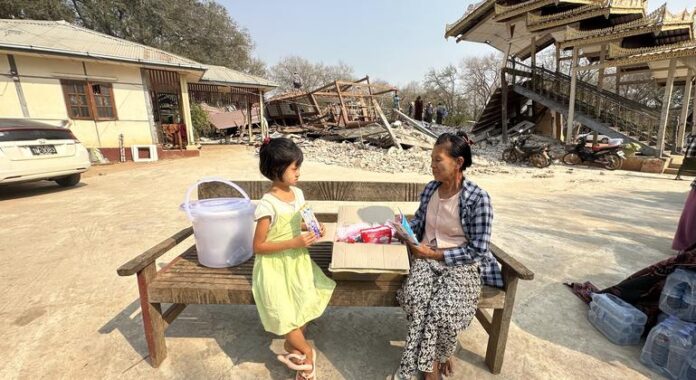
The earthquakes – which hit central Myanmar on 28 March – killed at least 3,700 people, injured 4,800 more and left 129 still missing. However, humanitarians warn the true toll is likely much higher due to underreporting and continued challenges in data collection and verification.

More than 140 aftershocks – some as high as magnitude 5.9 – have rocked the region since the initial tremors, exacerbating the psychological toll, particularly on children and displaced families, according to a bulletin issued by the UN Office for the Coordination of Humanitarian Affairs (OCHA) on Friday.

“Frequent strong aftershocks continue to shake central Myanmar almost daily, increasing fear and uncertainty,” the Office said, adding that many families still sleep outdoors, exposed to the elements and the risk of disease and venomous insect and snake bites.

The tremors have also disrupted response efforts.

There are fears that the aftershocks may persist for months following such a major earthquake, given that Myanmar is in a highly tectonically active region, OCHA added.

Basic needs unmet

More than 4.3 million people urgently need clean water and sanitation, as the earthquakes severely damaged water systems, collapsed over 42,000 latrines and caused widespread power outages that have halted water pumping in many areas.

Damage to water systems has forced residents to rely on unsafe sources, heightening the risk of waterborne illnesses. Malnutrition is also a growing concern – particularly among children – as food insecurity worsens and nutrition support becomes harder to deliver.

Education infrastructure has also been hard hit. With the new school year set to begin in June, hundreds of damaged classrooms must be cleared, repaired or rebuilt, and clean water, toilets and basic hygiene facilities restored before students can safely return.

A blow to food security

The earthquakes struck during Myanmar’s dry season, in one of the country’s most important agricultural belts. The hardest-hit regions are responsible for a third of the country’s cereal production and four-fifths of its maize output.

Damage to farmland and supporting infrastructure now threatens food production just as the monsoon planting season approaches.

“Livelihoods have been upended due to widespread damage to farmland, essential infrastructure and other income-generating businesses,” OCHA said.

A UNICEF staff member and a villager demonstrate the use of water purification tablets to a community in Mandalay, one of the regions hardest hit by the disaster.

Humanitarian response under pressure

Despite difficult conditions, humanitarian agencies and local responders have reached over 240,000 people with food, medical supplies and essential items, as of 18 April.

Over 100 tonnes of medical supplies have been delivered, and mobile health teams are providing trauma care and psychosocial support in the hardest-hit areas.

Despite these efforts, the scale and urgency of the disaster demand far greater action, resources and access, OCHA said.

Alongside partners, the United Nations launched a $275 million appeal last week to reach an additional 1.1 million with urgent aid.

This request is on top of the $1.1 billion humanitarian response plan launched in December 2024 to help 5.5 million of the most vulnerable people suffering the effects of conflict and long-standing hardship.

Source link

Odesa Oblast improves emergency services with safety centre expansion, thanks to EU bank support

0
Odesa Oblast improves emergency services with safety centre expansion, thanks to EU bank support

EIB
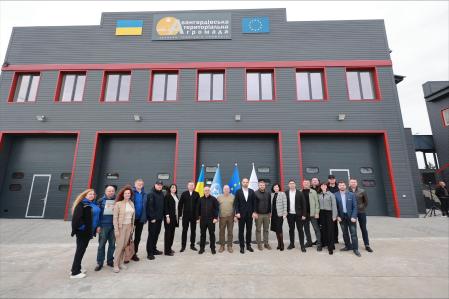
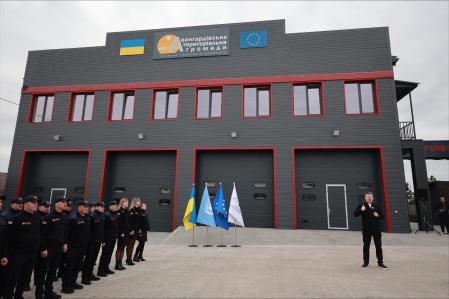
  • A new building has opened at the Citizen Safety Centre in Avangard, Odesa Oblast, expanding emergency services for over 36 000 residents in the settlement and neighbouring communities.
  • Equipped to handle wartime challenges, the new facility will strengthen rescue operations, allow for on-site staff training, and provide shelter for civilians and emergency teams during air raids.
  • The facility’s construction was supported through the Ukraine Early Recovery Programme, which helps rebuild essential social infrastructure in Ukrainian communities.

A second building has been added to the Citizen Safety Centre in Avangard, Odesa Oblast, increasing the emergency response capacity in a region regularly targeted by Russian shelling and located on key transport routes. The centre plays a vital role in firefighting, emergency response and public awareness – not only for Avangard, but for other nearby communities as well. Supported by the European Union and its financial arm, the European Investment Bank (EIB), this new building significantly increases the centre’s ability to respond to emergencies and support local residents.

The new building will improve emergency response times by enabling faster deployment of rescue teams and equipment, thanks to indoor storage, better administrative space and increased operational capacity. It will also be a safe shelter for staff and residents during air raids, and offer social support services, including basic humanitarian assistance and information for internally displaced persons. The building features modern training facilities to support the skills development and operational readiness of emergency personnel.

The expansion project has a total investment value of €484 000, and comes under the Ukraine Early Recovery Programme, a joint initiative of the European Union and its bank, EIB. The programme is being implemented in partnership with Ukraine’s Ministry for Development of Communities and Territories and Ministry of Finance, Odesa Oblast Military Administration and Avangard Village Council, with technical assistance from the United Nations Development Programme (UNDP) in Ukraine.

In Odesa Oblast alone, 28 projects under EIB-backed recovery programmes are ongoing or complete, with a total investment value of €48.7 million. These include the reconstruction of 15 educational institutions, seven medical facilities, three administrative buildings, two sewage treatment facilities and a heating plant – all of which will improve services and lead to better quality of life for local residents and displaced communities.

EIB Vice-President Teresa Czerwińska, who is responsible for the Bank’s operations in Ukraine, said, “This new facility at the Citizen Safety Centre in Avangard is a meaningful investment in the safety and resilience of Odesa Oblast. Supporting infrastructure like this is exactly what the EIB, as the bank of the European Union, is here for: to help Ukrainian communities stay strong, respond quickly and move forward with recovery.”

Chargé d’affaires a.i. of the EU Delegation to Ukraine Rémi Duflot said, “Today’s opening of the expanded and refurbished Citizen Safety Centre in Avangard marks an important step towards strengthening local resilience and emergency response services in Odesa Oblast. Together with the EIB, we are continuing to restore essential social infrastructure across Ukraine to help communities recover in the face of Russia’s brutal aggression.”

Deputy Prime Minister for Restoration of Ukraine – Minister for Development of Communities and Territories of Ukraine Oleksii Kuleba said, “Each new facility opened under the EIB’s recovery programmes, like today’s Citizen Safety Centre in Avangard, makes our communities stronger, more prepared and better equipped with modern solutions. Thanks to EU support, we are not only responding to today’s challenges, but also building the foundations for the longer-term recovery, development and resilience of Ukraine.”

Head of the Odesa Oblast Military Administration Oleh Kiper said, “The expansion of the Citizen Safety Centre in Avangard is part of a broader effort to strengthen essential services and improve the daily lives of people across Odesa Oblast. With support from the EU and the EIB, 28 recovery projects are already making a real difference – from schools and hospitals to heating and water infrastructure. These investments help our communities stay resilient and move forward despite the war.”

Head of Avangard Village Council Serhii Khrustovskyy said, “This centre stands for protection and rapid response – exactly what Odesa Oblast needs under the constant threat. I’m proud that the Avangard community is setting an example of how, with the right support, local leadership can deliver real impact.”

UNDP Resident Representative in Ukraine Jaco Cilliers said, “Ukraine’s recovery is already underway, and we at UNDP are proud to support it through the EIB’s recovery programmes. Together, we are delivering tangible results to communities like Avangard, which can now better serve and support their residents – even under the most challenging conditions.”

Background information

The EIB in Ukraine 

The EIB Group has supported Ukraine’s resilience, economy and recovery efforts since the first days of Russia’s full-scale invasion, with €2.2 billion already disbursed since 2022. The Bank continues to focus on securing Ukraine’s energy supply, restoring damaged infrastructure and maintaining essential public services across the country. Under a guarantee agreement signed with the European Commission, the EIB is set to invest at least €2 billion more in urgent recovery and reconstruction. This funding is part of the European Union’s €50 billion Ukraine Facility for 2024-2027 and is fully aligned with the priorities of the Ukrainian government.

EIB recovery programmes in Ukraine

Construction of the second building of the Citizen Safety Centre in Avangard, Odesa Oblast was carried out under the Ukraine Early Recovery Programme, a €200 million multisectoral framework loan from the EIB. The Bank finances three recovery programmes in all, totalling €640 million, which are provided as framework loans to the government of Ukraine. Through these programmes, Ukrainian communities gain access to financial resources to restore essential social infrastructure, including schools, kindergartens, hospitals, housing, and heating and water systems. These EIB-backed programmes are further supported by €15 million in EU grants to facilitate implementation. The Ministry for Development of Communities and Territories of Ukraine, in cooperation with the Ministry of Finance, coordinates and oversees the programme implementation, while local government bodies are responsible for managing recovery sub-projects. The UNDP in Ukraine provides technical assistance to local communities, supporting project implementation and ensuring independent monitoring for transparency and accountability. More information about these programmes is available here.

Source link

Odesa Oblast improves emergency services with safety centre expansion, thanks to EU bank support

0
Odesa Oblast improves emergency services with safety centre expansion, thanks to EU bank support


  • A new building has opened at the Citizen Safety Centre in Avangard, Odesa Oblast, expanding emergency services for over 36 000 residents in the settlement and neighbouring communities.
  • Equipped to handle wartime challenges, the new facility will strengthen rescue operations, allow for on-site staff training, and provide shelter for civilians and emergency teams during air raids.
  • The facility’s construction was supported through the Ukraine Early Recovery Programme, which helps rebuild essential social infrastructure in Ukrainian communities.

A second building has been added to the Citizen Safety Centre in Avangard, Odesa Oblast, increasing the emergency response capacity in a region regularly targeted by Russian shelling and located on key transport routes. The centre plays a vital role in firefighting, emergency response and public awareness – not only for Avangard, but for other nearby communities as well. Supported by the European Union and its financial arm, the European Investment Bank (EIB), this new building significantly increases the centre’s ability to respond to emergencies and support local residents.

The new building will improve emergency response times by enabling faster deployment of rescue teams and equipment, thanks to indoor storage, better administrative space and increased operational capacity. It will also be a safe shelter for staff and residents during air raids, and offer social support services, including basic humanitarian assistance and information for internally displaced persons. The building features modern training facilities to support the skills development and operational readiness of emergency personnel.

The expansion project has a total investment value of €484 000, and comes under the Ukraine Early Recovery Programme, a joint initiative of the European Union and its bank, EIB. The programme is being implemented in partnership with Ukraine’s Ministry for Development of Communities and Territories and Ministry of Finance, Odesa Oblast Military Administration and Avangard Village Council, with technical assistance from the United Nations Development Programme (UNDP) in Ukraine.

In Odesa Oblast alone, 28 projects under EIB-backed recovery programmes are ongoing or complete, with a total investment value of €48.7 million. These include the reconstruction of 15 educational institutions, seven medical facilities, three administrative buildings, two sewage treatment facilities and a heating plant – all of which will improve services and lead to better quality of life for local residents and displaced communities.

EIB Vice-President Teresa Czerwińska, who is responsible for the Bank’s operations in Ukraine, said, “This new facility at the Citizen Safety Centre in Avangard is a meaningful investment in the safety and resilience of Odesa Oblast. Supporting infrastructure like this is exactly what the EIB, as the bank of the European Union, is here for: to help Ukrainian communities stay strong, respond quickly and move forward with recovery.”

Chargé d’affaires a.i. of the EU Delegation to Ukraine Rémi Duflot said, “Today’s opening of the expanded and refurbished Citizen Safety Centre in Avangard marks an important step towards strengthening local resilience and emergency response services in Odesa Oblast. Together with the EIB, we are continuing to restore essential social infrastructure across Ukraine to help communities recover in the face of Russia’s brutal aggression.”

Deputy Prime Minister for Restoration of Ukraine – Minister for Development of Communities and Territories of Ukraine Oleksii Kuleba said, “Each new facility opened under the EIB’s recovery programmes, like today’s Citizen Safety Centre in Avangard, makes our communities stronger, more prepared and better equipped with modern solutions. Thanks to EU support, we are not only responding to today’s challenges, but also building the foundations for the longer-term recovery, development and resilience of Ukraine.”

Head of the Odesa Oblast Military Administration Oleh Kiper said, “The expansion of the Citizen Safety Centre in Avangard is part of a broader effort to strengthen essential services and improve the daily lives of people across Odesa Oblast. With support from the EU and the EIB, 28 recovery projects are already making a real difference – from schools and hospitals to heating and water infrastructure. These investments help our communities stay resilient and move forward despite the war.”

Head of Avangard Village Council Serhii Khrustovskyy said, “This centre stands for protection and rapid response – exactly what Odesa Oblast needs under the constant threat. I’m proud that the Avangard community is setting an example of how, with the right support, local leadership can deliver real impact.”

UNDP Resident Representative in Ukraine Jaco Cilliers said, “Ukraine’s recovery is already underway, and we at UNDP are proud to support it through the EIB’s recovery programmes. Together, we are delivering tangible results to communities like Avangard, which can now better serve and support their residents – even under the most challenging conditions.”

Background information

The EIB in Ukraine 

The EIB Group has supported Ukraine’s resilience, economy and recovery efforts since the first days of Russia’s full-scale invasion, with €2.2 billion already disbursed since 2022. The Bank continues to focus on securing Ukraine’s energy supply, restoring damaged infrastructure and maintaining essential public services across the country. Under a guarantee agreement signed with the European Commission, the EIB is set to invest at least €2 billion more in urgent recovery and reconstruction. This funding is part of the European Union’s €50 billion Ukraine Facility for 2024-2027 and is fully aligned with the priorities of the Ukrainian government.

EIB recovery programmes in Ukraine

Construction of the second building of the Citizen Safety Centre in Avangard, Odesa Oblast was carried out under the Ukraine Early Recovery Programme, a €200 million multisectoral framework loan from the EIB. The Bank finances three recovery programmes in all, totalling €640 million, which are provided as framework loans to the government of Ukraine. Through these programmes, Ukrainian communities gain access to financial resources to restore essential social infrastructure, including schools, kindergartens, hospitals, housing, and heating and water systems. These EIB-backed programmes are further supported by €15 million in EU grants to facilitate implementation. The Ministry for Development of Communities and Territories of Ukraine, in cooperation with the Ministry of Finance, coordinates and oversees the programme implementation, while local government bodies are responsible for managing recovery sub-projects. The UNDP in Ukraine provides technical assistance to local communities, supporting project implementation and ensuring independent monitoring for transparency and accountability. More information about these programmes is available here.

Source link