Monday, September 28, 2026
Home Blog Page 531

Exploring The Healing Power Of Essential Oils

0
Exploring The Healing Power Of Essential Oils

You may be surprised to learn that crucial oils offer a wealth of therapeutic benefits and can play a significant role in enhancing overall well-being. In this informative guide, he or she will discover how these potent extracts can effectively address various health concerns, from stress relief to improved sleep quality. It is vital to understand that while crucial oils can be beneficial, proper usage and safety guidelines should always be adhered to. By delving into the world of crucial oils, they will uncover the secrets to unlocking nature’s healing power in their everyday lives.

Key Takeaways:

  • Essential oils can be used for a variety of therapeutic purposes, including stress relief, improved sleep, and enhanced mood.
  • Understanding the different extraction methods and types of crucial oils is important for selecting high-quality products.
  • Safety is key—always dilute crucial oils with a carrier oil before topical application and conduct patch tests to avoid skin reactions.
  • Different oils have unique properties; for example, lavender is known for relaxation, while tea tree oil is often used for its antibacterial effects.
  • Aromatherapy can be effectively practiced at home using diffusers, inhalation techniques, or incorporating oils into baths and massages.

Understanding Essential Oils

Before venturing into the world of aromatherapy, it is vital to have a clear understanding of what vital oils are and how they can enhance well-being. These concentrated extracts from plants contain potent aromatic compounds that provide various therapeutic benefits. Each vital oil possesses unique properties, making them versatile allies in promoting emotional and physical health.

What are Essential Oils?

By definition, vital oils are natural, highly concentrated plant extracts that capture the distinctive fragrance and medicinal properties of the botanicals from which they originate. They are used for various applications, including aromatherapy, topical treatments, and more.

How Essential Oils are Extracted

At their core, vital oils are derived through various extraction methods, primarily steam distillation and cold pressing. These processes allow the preservation of the powerful compounds within the plant materials, ensuring the purity of the final product.

In fact, steam distillation involves passing steam through plant materials to extract the vital oils, while cold pressing is primarily used for citrus fruits, where the outer peel is mechanically pressed to release the oils. It’s important to note that not all extraction methods yield the same quality; methods like solvent extraction can leave harmful residues, making it vital to source oils that are 100% pure. Moreover, understanding the extraction process is vital since some methods may compromise the integrity of the oil, impacting its overall therapeutic properties and effectiveness.

The Science Behind Aromatherapy

Assuming he or she is curious about the fundamentals of aromatherapy, it is crucial to understand the interaction between crucial oils and the human body. Aromatherapy harnesses concentrated plant extracts to enhance physical and emotional well-being. Scientific studies have indicated that these oils can affect the limbic system, which governs emotions and memories, thereby influencing mood and health.

How Essential Oils Affect the Brain

Against common misconceptions, crucial oils do more than just smell pleasant; they can elicit profound responses in the brain. Research has shown that when inhaled, these oils interact with the olfactory system, sending signals directly to the limbic system, which is responsible for emotional regulation and memory. This connection explains why specific scents can trigger powerful emotional or physical responses.

The Role of Scent in Healing

Brain scientists have discovered that scents can evoke strong emotional reactions and memories, making them an crucial tool in holistic healing. At a physiological level, inhaling certain crucial oils can lead to decreased cortisol levels, promoting relaxation and alleviating stress. Moreover, particular scents, such as lavender and chamomile, are known to enhance sleep quality and reduce anxiety. This connection between smell and emotional well-being highlights the importance of incorporating crucial oils into daily routines as a natural way to support mental health and create a calming environment.

Common Essential Oils and Their Uses

Unlike synthetic fragrances, vital oils offer a variety of therapeutic benefits derived from natural plant extracts. Each oil possesses unique properties that can support physical and emotional well-being. For beginners, getting acquainted with common vital oils like lavender, peppermint, and eucalyptus is a great starting point to explore aromatherapy and its myriad applications.

Lavender for Relaxation

Around bedtime, many individuals turn to lavender oil for its highly regarded calming effects. This vital oil is often used in diffusers or added to nighttime routines, as it promotes tranquility and restful sleep. Its soothing aroma can ease anxiety and stress, making it an ideal companion for relaxation practices.

Peppermint for Energy

With its invigorating scent, peppermint oil is popular among those seeking a natural energy boost. This vital oil is often diffused or applied topically to enhance focus and alertness, helping to combat feelings of fatigue. Its refreshing properties make it a go-to oil for anyone needing a pick-me-up during the day.

In addition to providing an energy boost, peppermint oil has various therapeutic properties. It is known to promote mental clarity and concentration, making it beneficial for those needing to stay focused. Moreover, the oil can aid in alleviating headaches and providing relief from sinus congestion. However, users should be cautious as peppermint oil can be irritating to sensitive skin and needs to be diluted before topical application. By harnessing the power of peppermint oil, individuals can enhance their productivity and vitality safely.

How to Use Essential Oils Safely

Keep in mind that necessary oils are potent substances that require careful handling. To ensure safe usage, individuals should always perform patch tests before applying new oils directly to the skin, and they should seek guidance on safe dosage and dilution practices. By prioritizing safety, users will minimize the risk of adverse reactions and enhance their overall experience with necessary oils.

Dilution and Application Methods

Across various application methods, necessary oils should be diluted properly to reduce potential skin irritation. Common carrier oils such as jojoba, sweet almond, or coconut oil can effectively serve this purpose. Standard dilution ratios recommend mixing one to three drops of necessary oil with a teaspoon of carrier oil, depending on the intended use, which allows for safe topical application or use in aromatherapy diffusers.

Potential Allergies and Side Effects

Dilution is necessary, but individuals should also be aware of potential allergies and side effects that may arise from necessary oils. Some may experience skin irritations, allergic reactions, or sensitivity when using specific oils, making patch testing vital. Seeking advice from a healthcare professional before beginning any necessary oil regimen can help he, she, or they avoid any negative experiences.

Understanding the risks associated with necessary oils is key to safe usage. Individuals may experience a range of allergic reactions, from mild skin irritations to more severe effects like respiratory distress in sensitive individuals. It’s necessary for they to recognize common allergens such as eucalyptus and lavender, which may trigger negative responses. Additionally, certain necessary oils are photosensitive, especially citrus oils, increasing the risk of sunburn when applied before sun exposure. For a positive and safe experience, a small group should always consult a healthcare provider and monitor their reactions closely when incorporating new oils into their routine.

Creating Your Essential Oil Blends

Many enthusiasts find that creating their own imperative oil blends allows for a personalized experience that caters to individual needs. By experimenting with various combinations, they can explore unique scents and therapeutic properties to enhance their well-being. This process not only promotes creativity but also empowers them to discover the perfect blend that resonates with their preferences.

Choosing the Right Oils

Across the vast array of imperative oils available, selecting the right ones for a blend can be overwhelming. To navigate this, individuals often consider the desired benefits, such as relaxation or invigorating effects, while also taking into account their personal scent preferences. Researching each oil’s properties enables them to create harmonious and effective combinations.

Blending Techniques

Among the several methods to combine imperative oils, understanding blending techniques can significantly enhance the blending experience. Simple methods like the drop-by-drop technique allows for precise control while more advanced techniques like layering and diluting oils offer various depth and complexity to the blends.

Oils can be combined through a few straightforward techniques. For instance, the drop-by-drop method involves adding single drops of each imperative oil to a blending bottle, which can then be adjusted as needed. Layering involves first adding heavier imperative oils followed by lighter ones, ensuring a balanced aroma. Furthermore, using a carrier oil is imperative to dilute stronger oils, preventing any potential skin irritation. By considering dilution ratios and allowing blends to sit for a day, they ensure that the final product is well-rounded and harmonious.

Incorporating Essential Oils into Daily Life

Once again, vital oils can be seamlessly integrated into everyday routines, enhancing well-being in various facets of life. Whether for relaxation, stimulation, or personal care, incorporating these potent oils offers numerous benefits. She can add a few drops to her laundry, he can use them in his skincare regimen, or they can simply enjoy the aromatic experience during daily tasks. With customization possibilities, vital oils can adapt to individual preferences and lifestyles, making them a versatile addition to living a holistic life.

Diffusers and Aromatherapy

Oils can be effectively dispersed into the air using diffusers, creating an enchanting atmosphere that promotes mental clarity and emotional balance. Essential oils like lavender and eucalyptus are popular choices as they can evoke calmness and boost respiratory health. By diffusing these oils throughout the day, he, she, or they can experience their therapeutic effects while enjoying the delightful scents that elevate any space.

Bath and Body Applications

Among the various ways to incorporate vital oils, bath and body applications stand out as particularly enjoyable and beneficial. Essential oils can transform a simple bath into a rejuvenating experience, with options ranging from soothing lavender for relaxation to invigorating orange for energy. They can also be added to lotions or carrier oils for massages, enhancing skin health and providing therapeutic effects that help minimize stress and tension.

Another appealing method is the addition of vital oils to bath products, where the right combination can create a soothing environment. Using oils like tea tree for its antibacterial properties or chamomile to calm the mind enhances the bath experience. It’s vital for them to use a carrier oil, such as coconut or jojoba, to prevent skin irritation, as some oils can be strongly concentrated. By blending these oils with their favorite moisturizers, they can enjoy positively transformative effects on the skin while indulging in delightful scents that promote mental well-being.

Conclusion

Following this beginner’s guide, individuals can appreciate the remarkable healing properties of important oils. By understanding their various applications and benefits, he or she can harness these natural remedies to enhance well-being. Additionally, they may discover how important oils can complement their health routines, offering support for physical and emotional challenges alike. As they explore the world of aromatherapy, he, she, and they will be equipped to make informed choices that resonate with their personal wellness journeys.

FAQ

Q: What are necessary oils and how are they extracted?

A: Essential oils are concentrated plant extracts that capture the natural fragrance and beneficial properties of the plant. They are typically extracted through methods such as steam distillation, cold pressing, or solvent extraction. Each method varies based on the plant type and desired oil quality. This process ensures that the essence of the plant is encapsulated in the oil, allowing for various therapeutic benefits.

Q: What are the common uses of necessary oils in healing?

A: Essential oils can be utilized in various ways for healing purposes, including aromatherapy, topical application, and even ingestion in some cases. They can be used to alleviate stress and anxiety, promote better sleep, boost mood, enhance immune function, and aid in pain relief. Additionally, some oils have antiseptic properties, making them useful in skincare and wound care.

Q: Are there any safety precautions to take when using necessary oils?

A: Yes, it is important to follow safety guidelines when using necessary oils. Always dilute necessary oils with a carrier oil, such as coconut or jojoba oil, before applying them to the skin. Conduct a patch test to check for any skin sensitivities. Some oils are not recommended for children, pregnant women, or individuals with certain medical conditions, so consulting with a healthcare professional is advisable prior to use.

Q: How can I incorporate necessary oils into my daily routine?

A: Incorporating necessary oils into your daily routine can be simple and enjoyable. You can use an necessary oil diffuser to fill your space with uplifting scents or add a few drops of your favorite oil to your bath for a relaxing soak. Using necessary oils in homemade cleaning products or skin care routines is another great way to reap their benefits. Additionally, you can create personalized roller blends for on-the-go application to support emotional wellness.

Q: Where can I purchase high-quality necessary oils?

A: High-quality necessary oils can be purchased from various sources, including health food stores, specialty shops, and online retailers. It is necessary to look for brands that provide pure, therapeutic-grade oils without synthetic additives. Reading reviews, checking for third-party testing, and ensuring the oils are sourced responsibly will help you find reputable products to use in your wellness journey.
Source link

Security Council urged to support eastern DR Congo peace initiatives

0
Security Council urged to support eastern DR Congo peace initiatives

In a briefing to ambassadors, UN Special Envoy for the Great Lakes Region Huang Xia called for increased coordination of peace processes.

He noted that the Congo River Alliance-M23 rebel group has continued its territorial expansion. This is happening despite calls from the Security Council, regional and sub-regional organizations in Africa, and the European Union, and in the face of restrictive measures and sanctions.

Furthermore, a ceasefire is not yet effectively in force, violations are ongoing, and the humanitarian crisis is deepening – both in the DRC and neighbouring countries such as Burundi, Uganda and Rwanda, which have seen an increase in Congolese refugees.

“This somber reality means that we have to strive to redouble efforts, to see how together we can transform recent political and diplomatic progress into an irreversible shift to peace,” he said.

Diplomatic developments

Mr. Xia welcomed the recent dynamics surrounding the so-called Nairobi and Luanda processes, supported by the African Union (AU), the East African Community (EAC) and the Southern African Development Community (SADC). 

EAC and SADC leaders adopted a roadmap on 24 March and appointed a facilitators group that includes two African women, marking significant progress. 

The Special Envoy also paid tribute to Angolan President João Lourenço, who also heads the AU, for his efforts under the Luanda process to lift Rwanda’s defensive measures against the DRC and to neutralize the Democratic Forces for the Liberation of Rwanda (FDLR) armed group.

The Special Envoy also acknowledged the Doha initiative, led by Qatar, welcoming a meeting last month between the Presidents of the DRC and Rwanda as well as consultations between delegations from the two countries and the M23.

“All these efforts show that peace is still possible,” said Mr. Xia.

In this same vein, he welcomed a new resolve by the Congolese government to engage directly with the M23 as an important step.

“Given the serious nature of the crisis, obtaining an immediate unconditional ceasefire and reaching agreement on reopening humanitarian corridors should, in my opinion, be the primary issue on the agenda of discussions between all parties concerned,” he added.

© UNICEF/Jospin Benekire

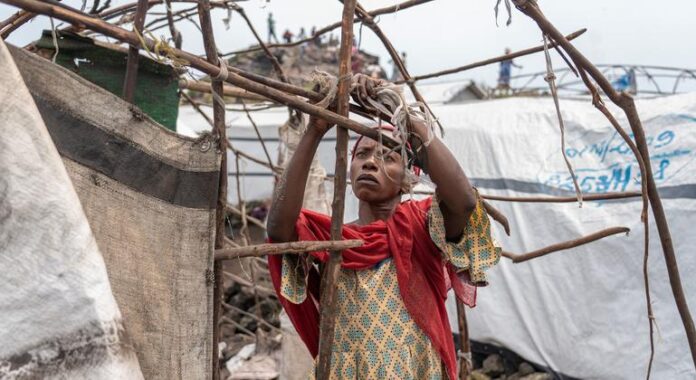
A displaced family sit in front of their makeshift shelter in Goma, North Kivu province, DR Congo.

Enhanced coordination critical

Mr. Xia, however, stressed the need to strengthen coordination between international and regional initiatives which “would help to harness the comparative advantages of each approach and the achievements that have already been made, in order to create complementarity and a unity of vision.”

He warned that peace efforts will not be enough without political resolve to tackle the root causes of chronic instability in the region.

“What we’ve seen to date is that there is competition in terms of political ambitions and security ambitions, and these have been openly stated in terms of strategic areas of interest,” he said.

“They have been upheld by the existence of multiple armed groups. There has been the illegal exploitation of natural resources, and also we see the absence of the state’s authority in these areas.”

The Special Envoy urged the Council “to tap into its influence and to use all levers at its disposal” to support the ongoing peace processes, while underlining that his Office would continue to support economic, security, and judicial initiatives between countries in the Great Lakes region.

Rise in violations against children

The head of UN Children’s Fund (UNICEF) also briefed the Council, warning that intensifying violence in the eastern DRC has created one of the world’s worst humanitarian crises, putting millions of young lives at risk.

“There has been a 100 per cent increase in verified grave violations in the first quarter of this year, as compared to the first quarter of 2024,” Executive Director Catherine Russell said.

“These include indiscriminate attacks, large-scale recruitment and use of children, collective abductions of children, as well as widespread sexual violence.”

Since January, violence has displaced more than one million people in Ituri, North Kivu and South Kivu provinces, including an estimated 400,000 children. 

This is on top of the five million people already living in displacement camps, where crowded and unsanitary conditions make the spread of diseases like mpox, cholera and measles much more likely.

She noted that the rate of sexual violence against children has reached “shockingly high levels.” More than 40 per cent of the nearly 10,000 cases of rape and sexual violence reported in January and February involved children.

“UNICEF estimates that during the most intense phase of this year’s conflict in eastern DRC, a child was raped every half an hour,” she reported.

Accountability, protection and hope

Meanwhile, UNICEF continues to provide drinking water to nearly 700,000 people per day in the Goma region, while ensuring the distribution of medical kits, psychosocial support for traumatized children, and care for unaccompanied minors. 

But needs far exceed capacity and the agency only received 20 per cent of the funds requested last year.

UNICEF recently launched an urgent appeal for nearly $57 million for the next three months and Ms. Russell cautioned against inaction.

“If we fail to act with urgency, we condemn a generation of children to fear, to trauma, and to a future defined by violence,” she said.

“But if we stand together for peace, accountability, and protection, we offer these children something else: Hope.” 

Source link

ESAs publish Joint Annual Report for 2024

0
ESAs publish Joint Annual Report for 2024

The Joint Committee of the European Supervisory Authorities (EBA, EIOPA and ESMA – ESAs) today published its 2024 Annual Report, which provides an overview of the joint ESAs work completed during the past year.

The ESAs continued to explore and monitor potential emerging risks for financial markets participants and the financial system.

The main areas of cross-sectoral focus in 2024 were joint risk assessments, sustainable finance, operational risk and digital resilience, consumer protection, financial innovation, securitisation, financial conglomerates and the European Single Access Point (ESAP). Among the Joint Committee’s main deliverables were policy products for the implementation of the Digital Operational Resilience Act (DORA) as well as ongoing work related to the Sustainable Finance Disclosure Regulation (SFDR).

Background

In 2024, ESMA chaired the Joint Committee with all three ESAs coordinating discussions and the exchange of information across their institutions, the European Commission and the European Systemic Risk Board (ESRB).

The Joint Committee is a forum with the objective of strengthening cooperation between the European Banking Authority (EBA), the European Insurance and Occupational Pensions Authority (EIOPA) and the European Securities and Markets Authority (ESMA), collectively known as the three European Supervisory Authorities (ESAs).Through the Joint Committee, the three ESAs coordinate their supervisory activities in the scope of their respective responsibilities regularly and closely and ensure consistency in their practices.

Source link

ESAs publish Joint Annual Report for 2024

0
ESAs publish Joint Annual Report for 2024

The Joint Committee of the European Supervisory Authorities (EBA, EIOPA and ESMA – ESAs) today published its 2024 Annual Report, which provides an overview of the joint ESAs work completed during the past year. The ESAs continued to explore and monitor potential emerging risks for financial markets participants and the financial system. The main areas of […]

Source link

Gaza: Alongside conflict, an information war is still happening, warns UNRWA chief

0
Gaza: Alongside conflict, an information war is still happening, warns UNRWA chief

“Palestinian journalists continue to do heroic work, paying a heavy price; 170 have been killed to date,” said UNRWA Commissioner-General Philippe Lazzarini. “The free flow of information and independent reporting are key to facts and accountability during conflicts.”

In his appeal, Mr. Lazzarini noted that in the more than 18 months since war in Gaza began, sparked by unprecedented Hamas-led terror attacks on Israel, reliable reporting has been overtaken by propaganda and “dehumanizing” messages about the war.

Spike in attacks, censorship

Ajith Sunghay, head of the UN human rights office, OHCHR, in the Occupied Palestinian Territory, also expressed deep concerns about the dangers facing journalists there – although the situation “has always been very difficult”, he maintained.

“They have been subject to oppression in many instances we’ve recorded – killings and censorship and detention,” he told UN News. “But we have also recorded a massive spike in such operations – attacks, killings, detention and censorship – since 7 October 2023.”

Mr. Sunghay noted that OHCHR data indicates that 209 journalists have been killed in Gaza since 7 October 2023, the higher number reflecting all journalists killed on duty or at home.

The situation for journalists in the West Bank is also critical, with reports of arrested reporters receiving simulated beatings and threats of sexual violence against women journalists by Israeli authorities, the OHCHR office noted.

“Journalists are civilians and are protected from attacks under international humanitarian law unless they’re directly participating in hostilities,” Mr. Sunghay said, adding that Palestinian authorities were also reportedly responsible for “oppression” of media professionals. “The intentional killings of journalists is a war crime, and this is something that we have highlighted on several occasions.”

All aid still cut

In a related development, other UN agencies issued fresh alerts about the mounting impact of Israel’s six-week-old decision to cut off all food and other supplies from entering the shattered territory. Fuel is also included in the embargo and supplies are dwindling, with “bakeries shutting, hospitals running out of medicine” and gasoline for generators to keep their machinery working, said UNRWA.

Since Israeli bombing of Gaza resumed on 18 March, about 500,000 people have been newly displaced “or uprooted once more”, said spokesperson for the UN Secretary-General Stephanie Tremblay. Her comments came as Israel’s defence minister reportedly said that troops will remain in Gaza’s so-called security zones indefinitely, along with Lebanon and Syria.

Aid deliveries also continue to be impacted by Israeli refusals, with only two out of six missions that had been coordinated with the Israeli authorities allowed to go ahead on Wednesday. “The remaining four were denied” including one mission to retrieve urgently needed fuel from Rafah, noted Ms. Tremblay, citing the UN aid coordination office, OCHA.

Some 30 per cent of the Gaza Strip is now a security buffer where Palestinian civilians cannot live, the Israeli military reportedly announced.

Positive developments

Amid ongoing Israeli bombardment, military manoeuvres and evacuation orders, UN aid teams highlighted their continuing efforts to help the people of war-torn Gaza, despite encountering immense difficulties.

  • Health centre reopens: Approximately 1,300 patients attended a newly reopened UNRWA health centre in Maan, southern Gaza, after it was severely damaged in December 2023 during an Israeli military incursion into east Khan Younis. The facility provides outpatient services, non-communicable disease care, medications, vaccinations, antenatal and postnatal health care. It also offers physiotherapy and psychosocial support.
  • A blood donation drive for local hospitals is also underway in southern Gaza at UNRWA medical points amid an urgent need for thousands of blood units for life-saving operations. “Medicines and medical consumables are rapidly running out in Gaza, including critically low levels of supplies and blood units for maternal and child health,” the UN agency said.
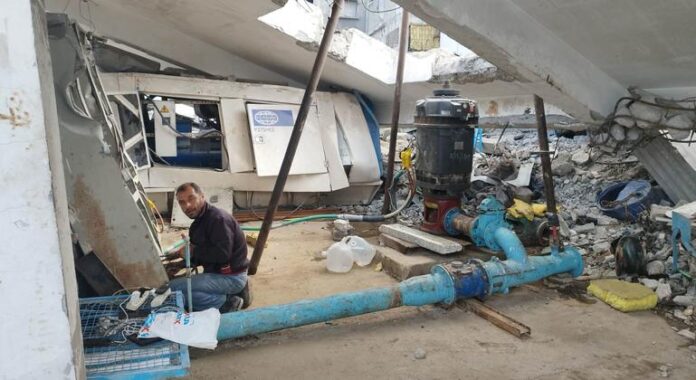
  • Water well flowing again: Repairs have been successful to a water well that serves around 20,000 displaced people in Jabalia camp and others sheltering in seven UNRWA shelters in the surrounding area, the UN agency said on Thursday. UNRWA now operates five water wells: three in Jabalia, one in Gaza City and one in Khan Younis. Recycled and reused parts made the project possible. According to the UN Children’s Fund (UNICEF), around one million people, including 400,000 children, have gone from having access to 16 litres of drinking water per person per day, to just six.
  • Daily waste removal continues in Gaza with around 2,500 cubic metres of water and 230 tonnes of solid waste collected every day. This represents about 40 per cent of overall needs.

In its latest update, OCHA said that at least 51,000 Palestinians have been killed since the start of the war on 7 October 2023 and 116,343 Palestinians injured. This includes 1,630 people killed and 4,302 injured since the escalation of hostilities on 18 March, it said, citing Gaza health authorities

Doctors recount never-ending incidents of patients they could have saved, if medical supplies were available
– OCHA

“The lack of heavy machinery and equipment hinder rescue efforts of the wounded and missing while casualties continue to fall due to continued bombardment by Israeli forces, including on tents for displaced people,” OCHA said.

Meanwhile, the aid community’s Nutrition Cluster has warned that the rapid deterioration of children’s nutrition status in Gaza “is already visible”. 

In March alone, 3,696 children were newly admitted for acute malnutrition out of 91,769 children screened. This marks a sharp increase compared with February, when 2,027 children were admitted out of a total of 83,823 screened. 

Source link

ESAs publish Joint Annual Report for 2024

0

The Joint Committee of the European Supervisory Authorities (EBA, EIOPA and ESMA – ESAs) today published its 2024 Annual Report, which provides an overview of the joint ESAs work completed during the past year.

The ESAs continued to explore and monitor potential emerging risks for financial markets participants and the financial system.

The main areas of cross-sectoral focus in 2024 were joint risk assessments, sustainable finance, operational risk and digital resilience, consumer protection, financial innovation, securitisation, financial conglomerates and the European Single Access Point (ESAP). Among the Joint Committee’s main deliverables were policy products for the implementation of the Digital Operational Resilience Act (DORA) as well as ongoing work related to the Sustainable Finance Disclosure Regulation (SFDR). 

Background

In 2024, ESMA chaired the Joint Committee with all three ESAs coordinating discussions and the exchange of information across their institutions, the European Commission and the European Systemic Risk Board (ESRB). 

The Joint Committee is a forum with the objective of strengthening cooperation between the European Banking Authority (EBA), the European Insurance and Occupational Pensions Authority (EIOPA) and the European Securities and Markets Authority (ESMA), collectively known as the three European Supervisory Authorities (ESAs).Through the Joint Committee, the three ESAs coordinate their supervisory activities in the scope of their respective responsibilities regularly and closely and ensure consistency in their practices.


Further information:

Aleksandra Bojanić

Senior Communications Officer
press@esma.europa.eu

Source link

ESAs publish Joint Annual Report for 2024

0
ESAs publish Joint Annual Report for 2024

The Joint Committee of the European Supervisory Authorities (EBA, EIOPA and ESMA – ESAs) today published its 2024 Annual Report, which provides an overview of the joint ESAs work completed during the past year. The ESAs continued to explore and monitor potential emerging risks for financial markets participants and the financial system. The main areas […]

Source link

Independent Journalism More Crucial Than Ever

0
Independent Journalism More Crucial Than Ever

Media freedom in Europe is under increasing pressure from political, commercial, and digital forces, according to the Media Pluralism Monitor 2024 (MPM2024), published today by the Centre for Media Pluralism and Media Freedom at the European University Institute.

Now in its tenth edition, the MPM2024 finds that no European country is free from risks to media pluralism. Despite legal frameworks that ostensibly protect freedom of expression and journalistic rights, enforcement remains inconsistent, and media environments across the continent are becoming more hostile to independent reporting.

Mounting Threats to Journalism

The report’s findings are stark. Journalists across Europe are increasingly vulnerable to precarious employment, surveillance, digital harassment, and physical threats. The rise in Strategic Lawsuits Against Public Participation (SLAPPs), alongside abusive content moderation practices by online platforms, contributes to a climate of fear and self-censorship.

In several countries—including Spain, the Netherlands, and Turkey—journalists have faced arrest. France, once considered a lower-risk country, saw its risk score for Fundamental Protection rise from 24% to 32% due to violence and arbitrary arrests. Surveillance through spyware and the targeting of female journalists with online hate speech, often from political actors, is also on the rise.

Concentrated Ownership and Economic Pressures

The MPM2024 identifies growing market concentration—particularly in digital media—as a severe threat to media plurality. A handful of technology platforms, notably Google and Meta, dominate both audience engagement and advertising revenue, making it increasingly difficult for independent and local media to compete.

Transparency in media ownership remains insufficient in many countries, and editorial independence is being undermined by media owners with vested political and business interests. The report classifies editorial independence as reaching a “historic high-risk level,” a trend that threatens the credibility and autonomy of European journalism.

Underrepresentation and News Deserts

The report also highlights persistent inequalities in media representation. Gender equality in the sector is rated as high risk, with women frequently portrayed in stereotypical roles and underrepresented in leadership. Minority voices continue to be marginalized, especially in private commercial media. Local and community media are particularly fragile, with many regions facing “news deserts”—areas where reliable, locally focused journalism is nearly nonexistent.

Why Independent Outlets Like The European Times News Matter

In the face of these alarming trends, the role of independent news outlets has never been more critical. The European Times News, founded in 2020, is a standout example. As a digital publication focused on European and international affairs, it champions media plurality, freedom of expression, and the amplification of underrepresented voices.

Operating outside the pressures of commercial advertising and political patronage, The European Times News has reached circa two million readers and published more than 16,000 articles in just a few years. Its commitment to accessible, rights-focused journalism makes it a vital counterbalance to the increasingly concentrated and politicized European media landscape.

As policymakers and civil society digest the findings of the MPM2024, the message is clear: support for independent, transparent, and inclusive journalism is essential to safeguarding democracy. The European Times News exemplifies how digital platforms can still serve the public good—offering space for investigative reporting, critical voices, and the protection of fundamental rights.


The full Media Pluralism Monitor 2024 and individual country reports are available on the Centre for Media Pluralism and Media Freedom website: cmpf.eui.eu.

Source link

Sudan: No respite for civilians amid unrelenting war and aid access barriers

0
Sudan: No respite for civilians amid unrelenting war and aid access barriers

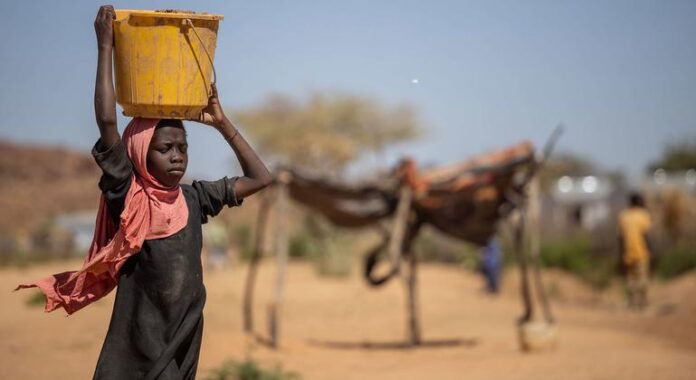
Into its third year, the conflict between the Sudanese Armed Forces (SAF) and the Rapid Support Forces (RSF) has created the world’s largest displacement crisis, devastating infrastructure and essential services across the country.

Nearly 12.5 million people have been forced from their homes, including over 3.3 million who have fled across borders in search of safety.

First supply in months

UN Spokesperson Stéphane Dujarric said on Thursday that the World Food Programme (WFP) had managed to re-enter greater Khartoum, with teams now coordinating to scale up life-saving assistance to nearly one million people over the coming weeks.

“Our colleagues also tell us that a convoy with 14 trucks carrying over 280 metric tonnes of food and nutrition supplies has arrived in Jabal Awlia, which is south of Khartoum, and that arrival took place this morning,” he told journalists a regular nes briefing in New York.

Jabal Awlia is among the regions at high risk of famine and had not received any aid since December.

“The convoy is just one of many planned aid deliveries into the greater Khartoum metropolitan area over the coming weeks,” Mr. Dujarric added.

Deliveries in North Darfur

Meanwhile in North Darfur, UN partners delivered 1,700 metric tonnes of emergency food to Tawila, and a local group has begun trucking clean water to 10,000 people recently displaced to El Fasher, the regional capital.

These efforts come as host communities strain under the weight of new arrivals fleeing intensifying fighting. Many have escaped near-daily shelling and siege conditions in Zamzam camp, or violence in other parts of Darfur.

Active fighting in and near El Fasher and Zamzam camp have also disrupted fuel supplies, halting water supply, and leaving only solar-powered boreholes operational.

Access obstacles persist

Despite recent breakthroughs, humanitarian operations across the country remain severely constrained.

“Sudan is one of those countries where we are facing bureaucratic obstacles to be able to deliver aid,” Mr. Dujarric said, noting a sharp drop in visa approvals for humanitarian personnel.

According to a survey of UN agencies and international non-governmental organizations (INGOs), only 23 visas – about 16 per cent of the total 145 visa applications – were issued at the end of March 2025, a sharp decrease from previous months.

Access in the capital, Khartoum – where the Sudanese army regained control last month – remains limited, with roads, bridges, and healthcare facilities severely damaged by the fighting.

Aid offices looted

Insecurity and criminality further hinder relief efforts.

According to the UN Office for the Coordination of Humanitarian Affairs (OCHA), national aid organization offices and warehouses have been looted, their staff kidnapped, and vehicles carjacked by armed groups.

A local doctor was abducted in East Darfur with a ransom demand of $25,000, and an INGO staff member was detained by RSF forces in Zalingei for over two weeks.

The United Nations has reiterated its call on all warring parties to immediately halt hostilities, respect international humanitarian law and ensure the protection of civilians.

“All this aid is crucial to help the vulnerable communities,” Mr. Dujarric said, emphasizing the urgent need for safe and unhindered humanitarian access.

Source link

The EBA updates list of indicators used to perform risk assessments

0

The European Banking Authority (EBA) today published an updated list of indicators for risk assessment and risk analysis tools, together with the accompanying methodological guide. Without adding any reporting burden on reporting institutions nor on competent authorities, this guidance describes how risk indicators are computed in EBA publications. It will allow competent authorities and users of EBA data to interpret key bank figures in a consistent fashion when conducting their risk assessments and analyses.

This update is based on the EBA reporting framework version 4.0 and covers indicators on institutions’ profitability, solvency and operational risk, among others. The update also includes a new sets of risk indicators laid down in the Banking Package (Capital Requirements Regulation and Capital Requirements Directive – CRR3/CRD6), indicators related to Environmental, Social and Governance (ESG), and those already used in the context of the Minimum Requirement for Own Funds and Eligible Liabilities (MREL).

Source link