Here’s why the Samsung Galaxy S26 Ultra dominates the ranking of the best smartphones with a battery exceeding 51 hours
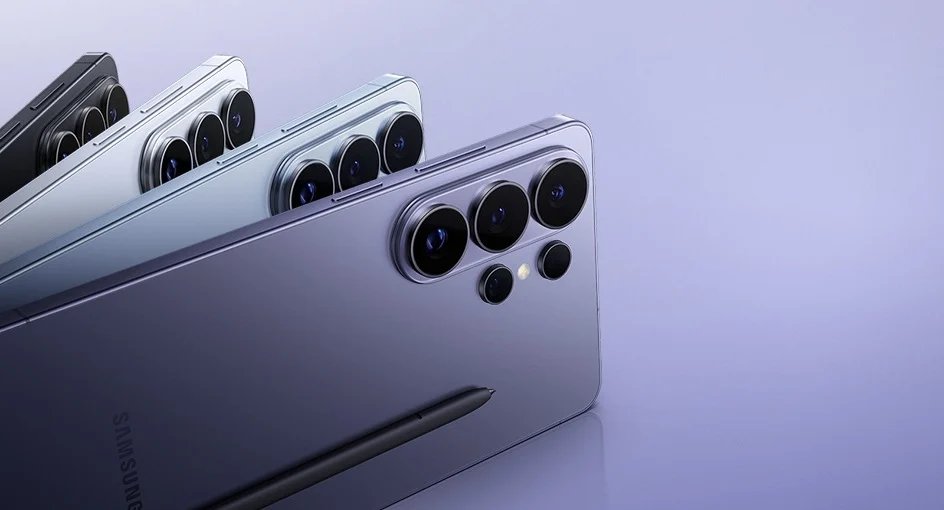
The Samsung Galaxy S26 Ultra was named the best smartphone in the latest evaluation published by Consumer Reports, the American benchmark for product testing.
The organization, recognized for the rigor of its comparative analyses, classifies devices each year according to their performance, reliability and user satisfaction.
With an overall score of 88 points, the Samsung model is ahead of its direct rivals. It marks a third consecutive victory for the brand, after the success of the Samsung Galaxy S24 Ultra and Samsung Galaxy S25 Ultra.
High level performance
The Galaxy S26 Ultra stands out with top marks in several major categories. The screen, photo quality of the rear sensor, battery, robustness and ease of use have all been praised by experts.
The device particularly stands out on autonomy, an often decisive criterion. According to Consumer Reports, it is the only one among the 30 best smartphones tested to obtain the maximum score in this category. Despite its large 6.9-inch screen, it achieves an impressive usage time of 51 hours and 30 minutes.
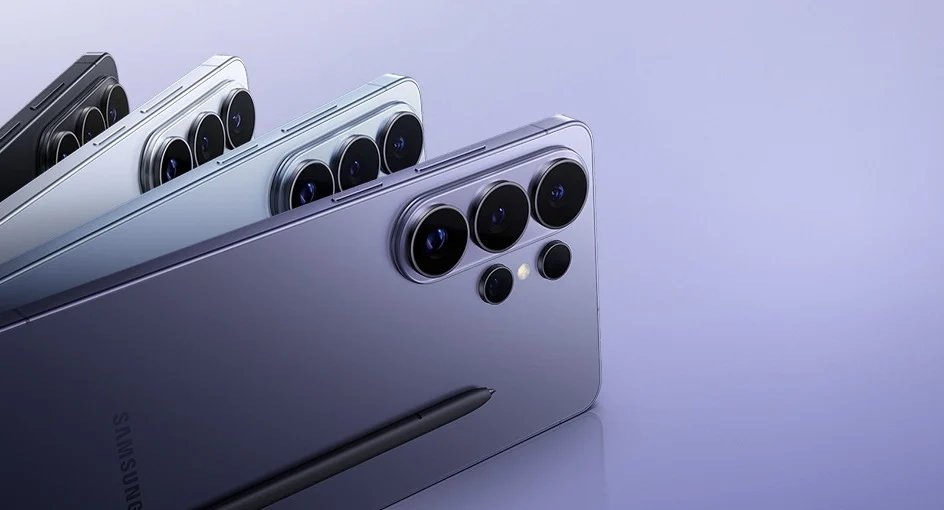 © Samsung
Samsung Galaxy S26 Ultra
The Galaxy S range monopolizes the podium
Behind the S26 Ultra, Samsung continues to dominate the rankings. The Samsung Galaxy S25 Ultra and Samsung Galaxy S24 Ultra share second place with 87 points each.
In fourth position, we find more diversified competition. The iPhone 16 Pro Max and iPhone 17 Pro Max are tied with the Samsung Galaxy S25 Plus, all three credited with 86 points.
Recognition also in Europe
Beyond the United States, the Galaxy S26 Ultra is also attracting the main European consumer associations. Publications like Which? in the United Kingdom, UFC-Que Choisir in France, Altroconsumo in Italy and OCU in Spain praised his performances.
The smartphone notably won the “Best of Test” label in several countries, including Italy, Spain, Portugal and Belgium, rewarding the best product among those evaluated.
In Europe, there is particular emphasis on features related to display privacy, in response to increased user awareness of privacy in public spaces.
Originally published at Almouwatin.com