The 27 winners of ‘Juvenes Translatores’, the European Commission’s translation contest for secondary schools, have been announced. Some 3070 pupils tried their hand at translating a text between any two of the EU’s 24 official languages. There was one winner for each EU country.
Briefing ambassadors in the Security Council, Geir Pedersen acknowledged commitments made by interim leader Ahmad Al-Sharaa but stressed that Syrians across the country expect tangible actions.
“All Syrians I met…stressed to me how much they want institutional appointments, the transitional government, the provisional legislative body, the national dialogue process and any preparatory committees, and these need to be credible and inclusive,” he said.
He added that Syrian women, in particular, seek more than protection.
“They want meaningful participation in decision-making or appointments in key positions, based on their qualifications, [and] to participate in transitional institutions, so that their perspectives are considered, including on issues related to the status and rights of Syrian women.”
Security and economic risks
The fragile security situation continues to threaten political progress, Mr. Pedersen warned, citing ongoing hostilities in the northeast, including daily clashes, artillery exchanges, and airstrikes that are impacting civilians and infrastructure.
A recent wave of car bombings in residential areas has caused significant casualties.
While welcoming initial dialogue between caretaker authorities and the Kurdish-led Syrian Democratic Forces (SDF) in the northeast, he urged the United States, Türkiye, and regional and national actors to work together on “genuine compromises” that enable peace and stability.
“It is crucial that all doors remain open to ensuring the inclusion of all parts of Syria and all key constituencies within the political transition,” he added.
Concerns are also growing over economic stability against a backdrop of sanctions, widespread poverty and sudden donor cuts to humanitarian aid.
Mr. Pedersen urged sanctioning states to consider easing restrictions in critical sectors such as energy and finance, noting that many Syrians will measure progress not only by political reforms but by the price of food, access to electricity and employment opportunities.
Worsening humanitarian crisis
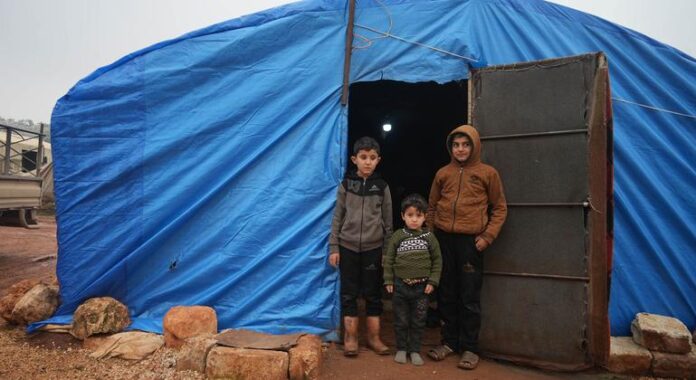
As political talks continue, the humanitarian situation in Syria remains dire, with more than 70 per cent of the population in need assistance.
Joyce Msuya, Assistant Secretary-General for UN aid coordination, emphasised that humanitarians are scaling up efforts to deliver aid despite challenges.
Fresh fighting, particularly in the north, has displaced over 25,000 people from Manbij near the restive Turkish border area and attacks continue to hinder efforts to repair Tishreen Dam, a vital source of water and electricity for hundreds of thousands. In addition, explosive ordinance continues to pose a threat to civilians and hamper humanitarian efforts.
“All parties must take constant care to spare civilians and civilian infrastructure in the course of military actions,” Ms. Msuya stressed.
Assistant Secretary-General Msuya briefing the Security Council.
Aid delivery
The UN has been scaling up aid deliveries despite immense logistical challenges, having reached over 3.3 million people with food assistance since late November, following rapid gains made by opposition forces in against Assad regime-controlled areas.
Cross-border operations from Türkiye remain a lifeline, with 94 trucks carrying food, medical supplies, and other essential aid arriving in Syria last month – more than triple the amount delivered during the same period last year.
However, funding shortfalls remain a major constraint.
Ms. Msuya noted that dozens of health facilities are at risk of closure, while water and sanitation services have already been suspended in displacement camps, affecting more than 635,000 people.
Furthermore, the recent suspension of US funding for aid programmes – which accounted for over a quarter of the humanitarian response budget in 2024 – have added to the uncertainty.
“Delays or suspension of funding will affect whether vulnerable people can access essential services,” Ms. Msuya warned.
Refugees weigh return
Increasing numbers of Syrian refugees are considering returning home, the deputy relief chief said.
Since December, approximately 270,000 Syrians have returned from neighbouring countries. A recent UN survey found that more than a quarter of refugees intend to return within the next year – a notable increase from previous years.
Ms. Msuya stressed that sustainable, safe, and dignified returns require major investments in livelihoods, health services, education and infrastructure.
“Now is the time to invest in Syria’s future,” she said, underscoring the need to ensure protection of civilians, facilitate flow of aid and a peaceful transition.
“Alongside the most critical lifesaving support, we must sustain and restore critical health, water, and other services that can enable people to rebuild their lives and livelihoods.”
The European Securities and Markets Authority (ESMA), the EU’s financial markets regulator and supervisor, has launched today a consultation on settlement discipline, with the objective of improving settlement efficiency across various areas.
ESMA is consulting on a set of proposals to amend the technical standards on settlement discipline that include:
reduced timeframes for allocations and confirmations,
the use of electronic, machine-readable allocations and confirmations according to international standards, and
the implementation of hold & release and partial settlement by all central securities depositories.
ESMA also wants to gather stakeholders’ views on additional measures that could potentially enhance settlement efficiency, for which there are no specific policy proposals yet.
This consultation takes into account the transition to T+1 in the European Union and the legislative proposal published by the Commission on 12 February 2025. It is aligned with the roadmap outlined in ESMA’s Final Report on Shortening the Settlement Cycle.
Next steps
ESMA will consider the feedback to this consultation until 14 April 2025 and expects to publish a final report and submit the draft technical standards to the European Commission (EC) by October 2025.
KINGNEWSWIRE// Washington, D.C. – February 6, 2025 – The International Religious Freedom (IRF) Summit 2025 brought together a diverse coalition of religious leaders, human rights advocates, and policymakers to discuss global religious freedom challenges. Among the participants were the European Office of the Church of Scientology for Public Affairs and Human Rights and other Scientology representatives, which actively engaged in discussions to build partnerships and advance religious liberty initiatives.
Circa 100 organizations participating
The summit, co-chaired by former Ambassador-at-Large for International Religious Freedom Sam Brownback and Dr. Katrina Lantos Swett, was described as “the largest religious freedom gathering in the world, ever.” Over 90 organizations and representatives of more than 30 faith traditions participated, underscoring the growing urgency to combat religious persecution and restrictions worldwide.
On February 5, the new USA Vice President delivered a keynote speech emphasizing the U.S. government’s commitment to protecting religious freedoms domestically and internationally, something that every US Administration is pushing since decades. He addressed ongoing global challenges, including religious persecution and government overreach restricting faith-based activities.
There were panel discussions and plenary sessions that examined religious persecution in Syria, Nigeria, Armenia and other countries. Experts and advocates highlighted the dire conditions many religious communities face, urging governments to take stronger action to prevent discrimination and violence against faith groups.
Additionally, the Religious Freedom Institute, in collaboration with Pepperdine University and the IRF Summit, announced the upcoming IRF Summit Africa, scheduled to take place in Kenya on June 16, 2025. The regional event aims to address religious freedom issues specific to Africa, where numerous countries grapple with sectarian violence and government-imposed restrictions on religious practices.
In a panel moderated by Will Dobson the focus was the increasing use of digital surveillance, censorship, and transnational repression by authoritarian regimes to limit religious freedoms. Panelists warned that oppressive governments are leveraging technology to silence dissent and restrict religious gatherings.
Church of Scientology’s Participation and Efforts Toward Collaboration
The summit saw participation from many religious organizations, and the organizing of it saw the relentless contributions of volunteers from as many civil society partners as Church of Scientology National Affairs Office (Washington DC), the Center for Religious Studies of the Catholic University of America, Baptist groups, Bahai’s. Uyghurs, Sikhs, Yezidies Rumi, Jewish, evangelists, Giselle Lima from the Church of Scientology of Panama and many others. Among the participants was also included the European Office of the Church of Scientology for Public Affairs and Human Rights, which engaged in discussions to build further partnerships with other organizations advocating for religious liberty. Representatives from the Church of Scientology, Ivan Arjona and Eric Roux, emphasized their commitment to promoting religious tolerance and expressed interest in working with human rights groups and governments to combat discrimination against minority faiths worldwide. During the Summit they met officials from different governments and organizations, such as US State Department, Parlacen, USCIRF Chair and Commissioners, and many others.
As the IRF Summit 2025 wrapped up, leaders and attendees reiterated the importance of continued advocacy and collaboration to uphold religious freedoms across all regions. Many expressed hope that the discussions would translate into concrete policy changes and international cooperation.
With the ongoing efforts EU and UN Scientology representative Ivan Arjona-Pelado paraphrased L. Ron Hubbard, insisting that it is time that “Human Rights are made into a fact and not just an idealistic dream”, and that “stakeholders must remain committed to amplifying the voices of persecuted religious communities and ensuring that faith-based freedoms are recognized and protected as a fundamental human right worldwide, including in Europe”.
A 10-year-old Palestinian boy died from gunshot wounds last Friday and two days later, a woman who was eight months pregnant was reportedly shot and killed in Nur Shams camp, resulting in the loss of her unborn baby.
The violence, which has intensified in recent weeks, has left families in mourning and communities in distress.
Sharp increase in child fatalities
According to UNICEF, 13 Palestinian children have been killed in the West Bank since the beginning of 2025.
Seven of these deaths occurred after 19 January, following a large-scale military operation in the north of the territory. Among the casualties was a two-year-old whose pregnant mother was also injured in the shooting.
The numbers reflect a worrying trend. Since 7 October 2023, 195 Palestinian children and three Israeli children have been killed in the West Bank, including East Jerusalem.
“There has been a 200 per cent increase in the number of Palestinian children killed in the territory over the past 16 months as compared to the 16 months prior,” Mr. Beigbeder explained.
Devastation in refugee camps
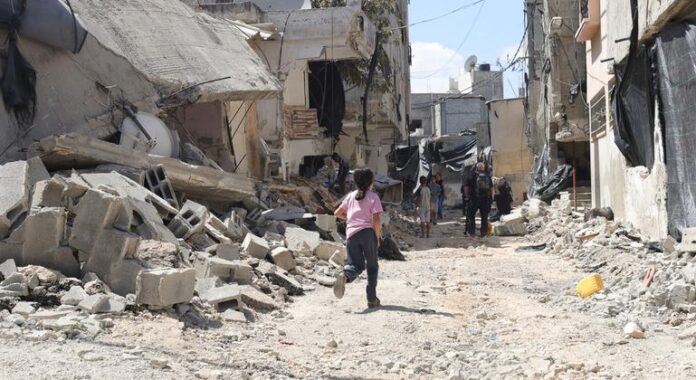
The humanitarian situation has worsened in areas such as Jenin, Tulkarem and Tubas Governorates, where airstrikes, demolitions and the use of explosive weapons have severely damaged essential infrastructure.
Many communities, particularly in refugee camps, have been cut off from basic services, with water and electricity supplies disrupted.
Thousands of families have been displaced due to military operations, including in Jenin, Nur Shams, Tulkarem and al-Faraa Camps.
The deteriorating security situation has made daily life increasingly difficult, particularly for children.
Education under threat
The education of children has been severely disrupted, with nearly 100 schools affected.
Teachers and students in conflict-hit areas face significant risks in attending classes, heightening concerns over long-term psychological and social impacts.
Many children require urgent mental health and psychosocial support due to their exposure to violence, displacement and the loss of loved ones.
UNICEF has called for greater resources to address these growing needs.
Call for protection
“UNICEF condemns all acts of violence against children,” said Mr. Beigbeder. “All civilians, including every child without exception, must be protected.”
“Humanitarian organizations must have safe and unfettered access to deliver life-saving assistance and protection services to children and their families,” he continued.
UNICEF emphasised the urgent need for a lasting political solution, backed by the international community, to secure a peaceful and stable future for all children in the region.
The agency “stands ready to work with partners to address both the immediate and long-term needs of affected children and families in the West Bank, including East Jerusalem,” Mr. Beigbeder concluded.
New rules to further tackle the environmental challenges caused by excessive packaging have entered into force. The rules will help to cut significantly greenhouse gas emissions, water use and environmental costs in the packaging industry.
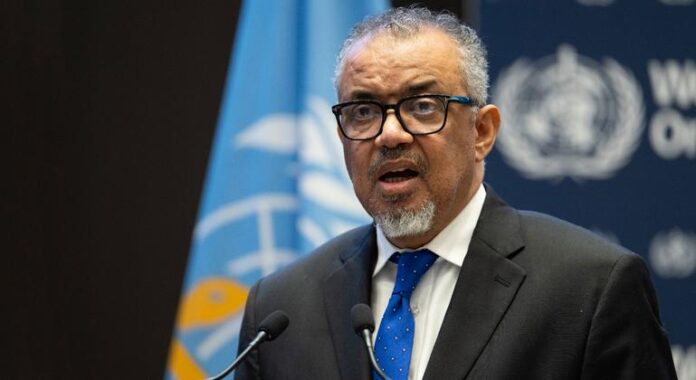
In a media briefing on Tuesday, WHO Director-General Tedros Adhanom Ghebreyesus highlighted the consequences of funding suspensions, including disruptions to HIV treatment, setbacks in polio eradication and limited resources for responding to mpox epidemics in Africa.
“The suspension of funding to PEPFAR, the President’s Emergency Plan for AIDS Relief, caused an immediate stop to HIV treatment, testing and prevention services in the 50 countries,” Tedros said.
He noted that despite a waiver for life-saving services, prevention programmes for at-risk groups remain excluded, clinics have closed, and health workers have been put on leave.
Tedros urged the US Government to reconsider its funding approach, at least until alternative solutions can be found to maintain essential health services.
WHO has deployed emergency teams to support surveillance, treatment and infection control measures.
A vaccine trial, launched just four days after the outbreak was declared, is now underway, while approval for a therapeutics trial is pending.
To sustain the response, WHO has allocated an additional $2 million from its Contingency Fund for Emergencies,supplementing the $1 million already provided.
Conflict in DR Congo
The humanitarian crisis in the Democratic Republic of the Congo is also straining health services, with more than 900 deaths and over 4,000 injuries reported amid escalating violence in the east.
Health workers wearing protective clothing in Uganda.
“At most, only one-third of people who need health services in North and South Kivu are able to receive them,” Tedros stated, emphasising the risks posed by infectious disease outbreaks such as mpox and cholera.
Supplies, including medicines and fuel, are running critically low, further complicating WHO’s ability to respond.
Advancing childhood cancer treatment
On a more positive note and as UN News reported on Tuesday, WHO announced progress in expanding access to childhood cancer medicines in low and middle-income countries.
“Yesterday, we began distributing childhood cancer medicines at no cost in the first two countries: Mongolia and Uzbekistan,” said Tedros, adding that shipments are planned for four more countries.
The initiative aims to reach 120,000 children across 50 countries over the next five to seven years, addressing stark disparities in survival rates between high-income and low-income nations.
On Wednesday, Parliament’s plenary approved the changes to the rules that member states indicated in November they wished to make to the VAT Directive. MEPs approved the rules with 589 votes in favour, 42 against and 10 abstentions.
These changes will require that by 2030 online platforms must pay VAT for services provided through them in most of the cases where the individual service providers do not charge VAT. This will put an end to a distortion of the market because similar services provided in the traditional economy are already subject to VAT. This distortion has been most significant in the short-term accommodation rental sector and the road passenger transport sector. Member states will have the possibility of exempting SMEs from this rule, an idea which Parliament had also pushed.
The update will also fully digitalise VAT reporting obligations for cross-border transactions by 2030 with businesses issuing e-invoices for cross-border business-to-business transactions and automatically reporting the data to their tax administration. With this, tax authorities should be in a better position to tackle VAT fraud.
To simplify the administrative burden for businesses, the rules beef-up online VAT one-stop-shops so that even more businesses with cross-border activity will be able to meet their VAT obligations through a single online portal and in one language.
Background
This update to the VAT rules has been over two years in the making. On 8 December 2022, the Commission presented the ‘VAT in the digital age’ package (ViDA package) which consisted of three proposals. One of these was the update to the VAT directive of 2006.
revenues every year for the next 10 years. Businesses will save €4.1 billion a year over the next 10 years in compliance costs, and €8.7 billion in registration and administrative costs over a ten year period.
You can give your views on the next EU long-term budget in a series of public consultations that are open for the next 12 weeks. You can also tune in to a citizens’ debate on the budget via an online platform. The long-term budget supports millions of people across the EU and beyond.
A Commission Communication outlining the key policy and budgetary challenges that will shape the the next EU long-term budget is now available. The long-term budget – known as the Multiannual Financial Framework – sets out the EU’s spending priorities for several years. It supports millions of people, farmers, researchers, businesses and regions across the EU and beyond. It is essential for improving our lives, helping us only recently to overcome a pandemic and energy crisis while saving millions of jobs during lockdown.
EU countries, businesses and citizens need to reconsider the way the EU budget works to make it fit for the future. To continue to support a free, democratic, secure, prosperous and competitive Europe, the long-term budget needs to be simpler, more impactful, and more targeted.
The new approach for a modern EU budget should include:
– a plan for each country with key reforms and investments, designed in partnership with national, regional, and local authorities
– a European Competitiveness Fund that will establish an investment capacity to support strategic sectors and critical technologies
– financing for external action that is more impactful, targeted and aligned with strategic interests
– additional safeguards protecting the rule of law
The Commission is now inviting all Europeans to have their say on the next budget and the policies it should support, ahead of presenting a formal proposal in July 2025. It has started a series of public consultations that will remain open for the next 12 weeks. You can find the links to these consultations below.
Some 150 Europeans will also have the chance to debate and make concrete recommendations for the next EU budget in a Citizens’ panel. This debate will be accompanied by an online platform offering everyone the opportunity to take part.
Once agreed later this year, the next long-term budget will take effect in January 2028.